
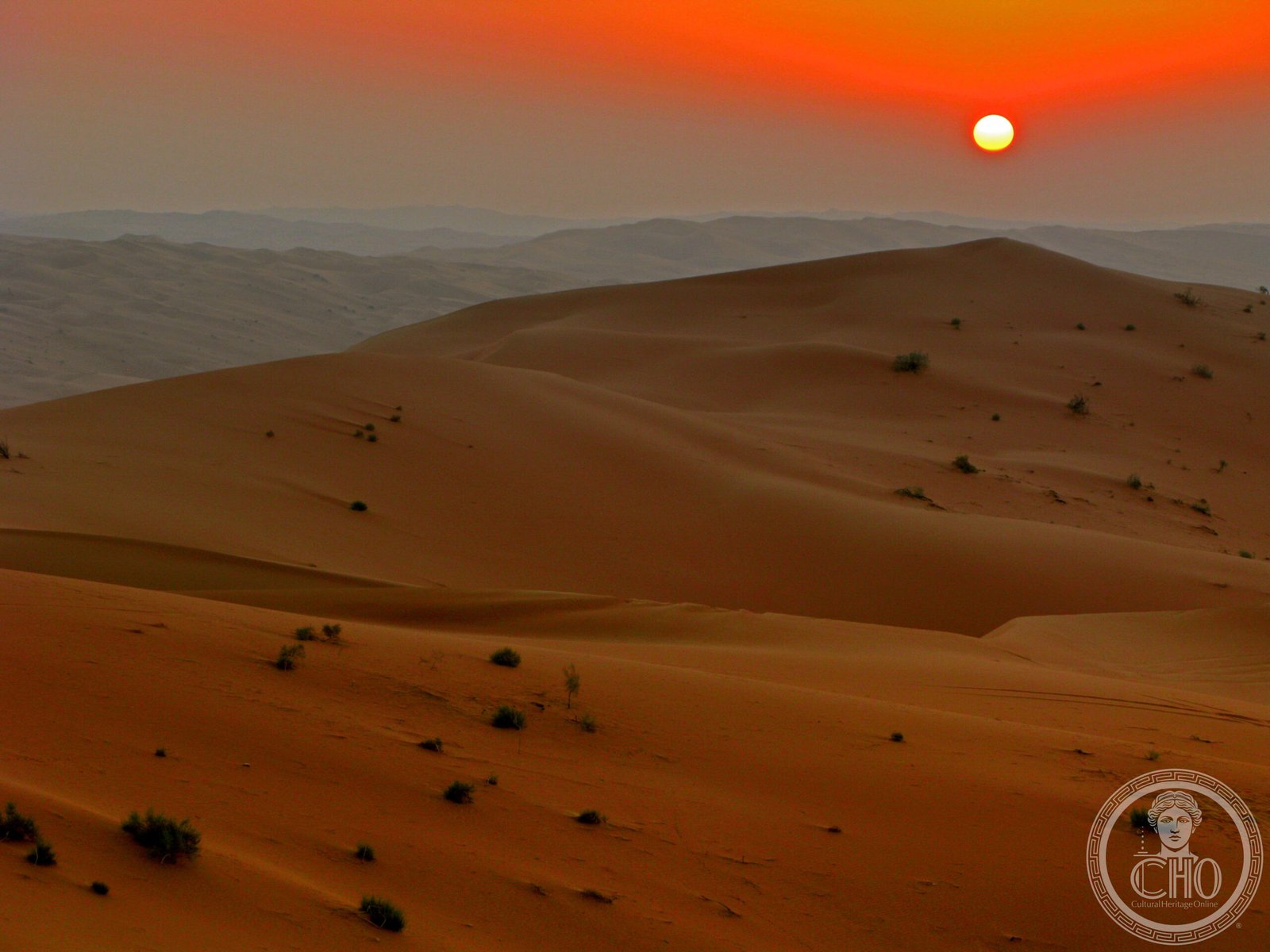
Nel cuore del Rub’ al-Khali — il Grande Quarto Vuoto, il più grande deserto di sabbia continua della Terra — la riserva naturale ‘Uruq Bani Ma’arid custodisce uno degli ecosistemi desertici più intatti del pianeta. Distese di dune rosse che raggiungono i 200 metri, uadi alberati, e la fauna rara del deserto arabico: l’orice arabico (reintrodotto dopo l’estinzione in natura), la gazzella di Arabia e il ghepardo arabo. Patrimonio UNESCO dal 2024, è la prima area naturale della penisola arabica ad essere iscritta per il suo valore ecologico.
At a glance
‘Uruq Bani Ma’arid is a protected area in the south-western sector of the Rub’ al-Khali (the Empty Quarter) in south-central Saudi Arabia, covering approximately 12,660 km² of erg desert (massive sand-dune fields), sand sheets, rocky outcrops and seasonal wadis. UNESCO inscribed it in 2024 (ref. 1699) as an exceptional example of an intact hyper-arid desert ecosystem, recognising its importance as the last substantial wild habitat of the Arabian oryx (Oryx leucoryx) and as a landscape of exceptional natural beauty. The reserve is managed by the Saudi Wildlife Authority.
Key facts
- UNESCO: World Heritage since 2024 (‘Uruq Bani Ma’arid, ref. 1699)
- Area: approximately 12,660 km²
- Desert type: erg (sand-dune) desert within the Rub’ al-Khali; dunes up to 200 m high
- Arabian oryx: the reserve is one of the last wild strongholds of the world’s only oryx species; declared extinct in the wild in 1972, reintroduced from captive stock
- Other wildlife: Arabian gazelle, Arabian sand gazelle, Cape hare, sand cat, honey badger
- Climate: hyper-arid; rainfall under 35 mm/year; summer temperatures above 50°C
History
The Rub’ al-Khali has been known and feared by Arabian Bedouin for millennia — the name means simply “Empty Quarter,” and it was avoided except by the most daring. The ‘Uruq Bani Ma’arid area, on the western edge of the Empty Quarter, received slightly more rainfall than the core and supported seasonal wildlife. The Arabian oryx — the inspiration for the unicorn legend (seen in profile, its two horns appear as one) — was hunted to extinction in the wild by 1972, the first species ever to reach that status in modern times.
An international captive breeding programme, led by the Phoenix Zoo (Arizona) and San Diego Zoo, preserved the species and reintroduced individuals to Oman in 1982. Saudi Arabia established the ‘Uruq Bani Ma’arid Wildlife Sanctuary in 1994 and launched its own reintroduction programme. The population in the sanctuary grew steadily; the IUCN reclassified the species from “Extinct in the Wild” to “Vulnerable” in 2011. Saudi Arabia’s nomination to UNESCO, inscribed in 2024, marked the first natural World Heritage Site on the Arabian Peninsula proper.
What you see
The landscape is one of pure, elemental desert grandeur: towering orange-red dunes, wind-sculpted into pyramidal megadunes (uruq = sand ridges), alternating with flat gravel plains and dry watercourses where acacia trees grow. At sunrise and sunset, the dunes produce extraordinary colour gradients from deep burgundy to pale gold. Wildlife is most active at dawn and dusk; Arabian oryx are best spotted near the few permanent water sources.
The reserve is accessible only by 4WD convoy with authorisation; independent access is not permitted. Organised wildlife tours from Riyadh and from the nearby city of Najran are available through Saudi tour operators.
Practical information
- Access: requires permit from Saudi Wildlife Authority; accessible only by 4WD with a guide
- Base: Najran (the nearest city with accommodation and an airport), 200 km south
- Best time: November–March (temperatures 15–30°C); summer is dangerous (>50°C)
- Tours: specialist eco-tour operators in Riyadh organise authorised desert expeditions
Getting there
Fly to Najran (NJR) from Riyadh or Jeddah; Najran has daily domestic flights. From Najran, the reserve is approximately 200 km north by 4WD. Riyadh is 1,100 km north-east. GPS (centre): 19.34° N, 45.90° E.
Nearby
- Najran — the historic trading city with a pre-Islamic mud-brick citadel and archaeological sites
- Al-Hijr/Madain Salih (UNESCO) — the Nabataean tombs carved into sandstone cliffs, 1,200 km north-west
- Hadhramaut (Yemen) — the ancient Wadi Hadhramaut with mud-brick skyscrapers, across the border to the south
Sources
- UNESCO World Heritage Centre — “‘Uruq Bani Ma’arid” (ref. 1699)
- IUCN Red List — Oryx leucoryx (Arabian oryx) assessment
- Encyclopaedia Britannica — Rub’ al-Khali; Arabian oryx
Find it on the map
See this place and what’s around it →📷 Become a Cultural Heritage Online photographer
Share your photos of places: they stay published under your name as the author. The more they're seen, the more you get noticed — and soon a contest will reward the most appreciated photos.
Log in or sign up free to add a photo