
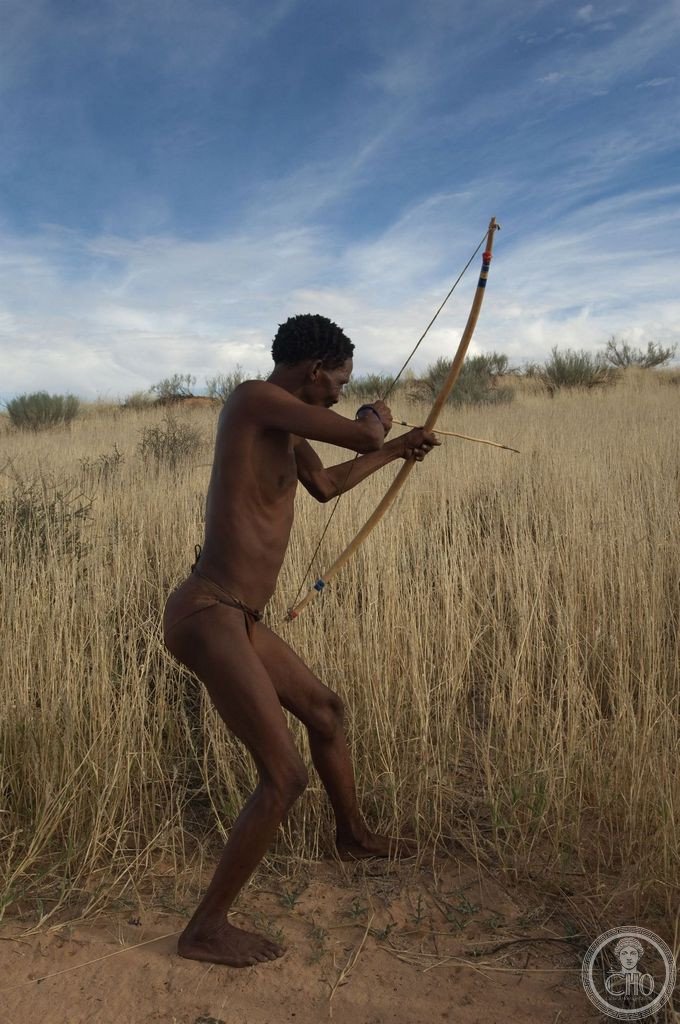
Nel Kalahari meridionale, dove il Sudafrica incontra il Botswana e il Namibia, il Paesaggio Culturale ǀKhomani custodisce il territorio ancestrale del popolo ǀKhomani San — gli ultimi discendenti dei Boscimani cacciatori-raccoglitori che abitarono l’Africa meridionale per decine di migliaia di anni. Privati delle loro terre nei decenni del Novecento, i ǀKhomani San ottennero nel 1999 il diritto alla restituzione attraverso un accordo storico. Il sito UNESCO (2017) riconosce non solo un paesaggio, ma una cosmologia vivente: la conoscenza ecologica tramandata oralmente, la lingua dei click, i sogni di caccia — il patrimonio culturale immateriale più antico dell’umanità.
At a glance
The ǀKhomani Cultural Landscape is a UNESCO World Heritage Site (2017, ref. 1545) in the Northern Cape province of South Africa, overlapping with the Kgalagadi Transfrontier Park. It encompasses the ancestral homeland of the ǀKhomani San (“!Khomani Bushmen”), a community of fewer than 1,000 people, who are among the last representatives of a hunter-gatherer tradition that stretches back at least 20,000 years in Southern Africa. The landscape — red Kalahari sand dunes, sparse acacia scrub, fossil riverbeds — encodes millennia of ecological and spiritual knowledge: which plants are medicinal, where water is found underground, how to read animal tracks. The inscription recognises the landscape as a living cultural document as much as a natural environment.
Key facts
- UNESCO: World Heritage since 2017 (ǀKhomani Cultural Landscape, ref. 1545)
- People: ǀKhomani San — fewer than 1,000 community members; Southern Kalahari San language (Nǃhuki), a click language
- Location: within and around Kgalagadi Transfrontier Park, Northern Cape, South Africa
- Land restitution: 1999 land claim settlement — a landmark for indigenous rights in post-apartheid South Africa
- Landscape: red Kalahari sand dunes, fossil riverbeds, acacia and camelthorn trees, open grassland
- Wildlife: lion, cheetah, gemsbok, springbok, black-maned Kalahari lion (Kgalagadi Transfrontier Park)
History
The San (Bushmen) peoples are among the oldest human cultures on Earth: genetic studies suggest that the San lineages diverged from all other human populations at least 100,000 years ago, and they have been present in Southern Africa continuously since then. The ǀKhomani San of the southern Kalahari were one of the last groups in South Africa to maintain a full hunter-gatherer lifestyle into the 20th century. Their knowledge of the Kalahari — where to find water in a desert, which roots cure fever, how to mimic animal calls for hunting — is extraordinary.
From the 18th century onward, colonial expansion, cattle-farming and the establishment of the Kalahari Gemsbok National Park (1931) progressively displaced the ǀKhomani San from their land. By the mid-20th century they were squatters on the margin of the land their ancestors had inhabited. Post-apartheid South Africa’s land restitution programme led to the landmark 1999 settlement, in which the ǀKhomani San received title to 37,000 hectares of land in and around Kgalagadi Park. UNESCO inscribed the cultural landscape in 2017 as recognition of the site’s extraordinary association with the oldest human cultural traditions.
What you see
The ǀKhomani Cultural Landscape is an austere Kalahari landscape of red sand dunes, blue-grey acacia thorn trees and the fossil beds of the Auob and Nossob rivers (dry for most of the year, but with water below the sand). This is the territory of the black-maned Kalahari lion, cheetah, brown hyena and gemsbok (oryx).
Visitors to the cultural heritage aspect of the landscape can arrange guided walks with ǀKhomani San community members, who demonstrate traditional tracking, plant medicine and tool-making. The Kgalagadi Transfrontier Park (shared with Botswana) overlaps the site and offers one of Southern Africa’s finest wildlife experiences.
Practical information
- Base: Upington (nearest city with airport, 260 km east); Twee Rivieren rest camp in Kgalagadi Transfrontier Park
- Cultural tours: book in advance through ǀKhomani San community projects (Sanbona, Bushmanland operators)
- Kgalagadi Park: excellent self-drive game reserve; book accommodation well in advance
- Best time: April–September (cooler; winter months); avoid summer (Dec–Jan) heat (+45°C possible)
Getting there
Fly to Upington (UTN) from Johannesburg (1.5 hrs); Upington Airport has regular flights. From Upington drive 260 km north-west to Twee Rivieren Gate of Kgalagadi Transfrontier Park (4WD recommended for interior tracks). GPS (heritage area): 25.69° S, 20.38° E.
Nearby
- Kgalagadi Transfrontier Park — the magnificent cross-border game reserve with black-maned lions and cheetah
- Augrabies Falls National Park — dramatic waterfalls on the Orange River, 120 km from Upington
- Kimberley — the diamond-mining city with the “Big Hole” and McGregor Museum, 400 km east
Sources
- UNESCO World Heritage Centre — “ǀKhomani Cultural Landscape” (ref. 1545)
- South African Heritage Resources Agency (SAHRA) — nomination documentation
- Encyclopaedia Britannica — San people (Bushmen)
Find it on the map
See this place and what’s around it →📷 Become a Cultural Heritage Online photographer
Share your photos of places: they stay published under your name as the author. The more they're seen, the more you get noticed — and soon a contest will reward the most appreciated photos.
Log in or sign up free to add a photo