
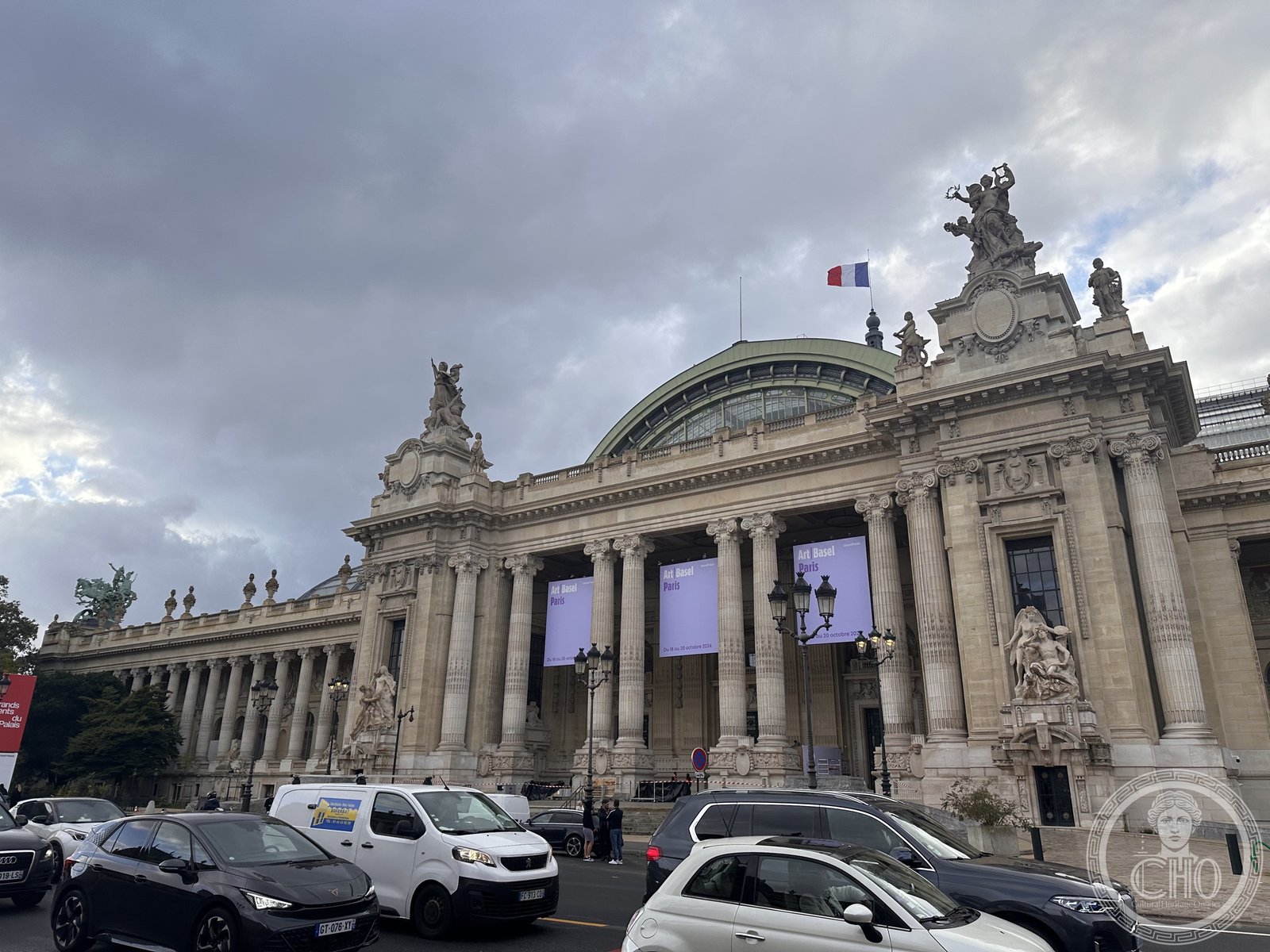
The Palais de la Découverte was born of a radical idea: science should be shown as a living process, not a museum of dead objects. Physicist Jean Perrin proposed the institution for the 1937 Paris International Exhibition as a direct counterpoint to exhibitions that celebrated technology as pure spectacle. Inside the western wing of the Grand Palais — a Beaux-Arts shell adapted by architect Albert Laprade for a new purpose — working scientists demonstrated experiments before live audiences, turning the act of discovery itself into the exhibit. Einstein lectured here. Frédéric Joliot-Curie demonstrated nuclear physics. The planetarium, one of the first in France, opened its doors in 1937. Most iconic of all is the Salle π, a circular room whose curved wall is inscribed with π calculated to 707 decimal places — a monument to pure mathematics. The Palais de la Découverte became not merely a museum but a model for science communication worldwide. It is currently undergoing a major renovation alongside the Grand Palais ahead of a planned reopening.
At a glance
- Type
- Science museum
- Period
- 1937 (as permanent institution)
- Style
- Beaux-Arts shell / Art Déco interior
- Location
- Avenue Franklin D. Roosevelt, 8th arrondissement, Paris, France
- Coordinates
- 48.8661° N, 2.3108° E
- Architect(s)
- Albert Laprade (1937 pavilion adaptation)
Overview
Housed in the western wing of the Grand Palais on the Champs-Élysées axis, the Palais de la Découverte is France’s first museum dedicated exclusively to scientific discovery. Unlike natural history or technology museums that display finished artefacts, it was conceived from the outset as a place of active demonstration — where science is shown being done. Its permanent galleries cover astronomy, biology, chemistry, mathematics, and physics, all structured around live experiments and interactive installations. The building shares its Grand Palais envelope with major temporary art exhibitions, creating an unusual cultural pairing under one vast iron-and-glass roof.
History
Jean Perrin, the Nobel Prize-winning physicist who proved the existence of atoms, conceived the Palais de la Découverte in 1937 as a reaction against exhibitions that treated science as a spectacle of machines. He wanted visitors to meet science as a method — hypothesis, experiment, result. The French government accepted his proposal and assigned the western wing of the Grand Palais for the purpose. The museum opened on 24 May 1937 during the Exposition Internationale. It was such a success that it became a permanent institution after the exhibition closed. Through the mid-twentieth century it hosted lectures by the most eminent scientists of the age and educated generations of French schoolchildren. In 2010 it merged administratively with the Cité des Sciences et de l’Industrie to form Universcience, though it retained its distinct character and address. A joint renovation of the Grand Palais and the Palais de la Découverte was launched to restore both buildings and update the science displays.
Architecture & Design
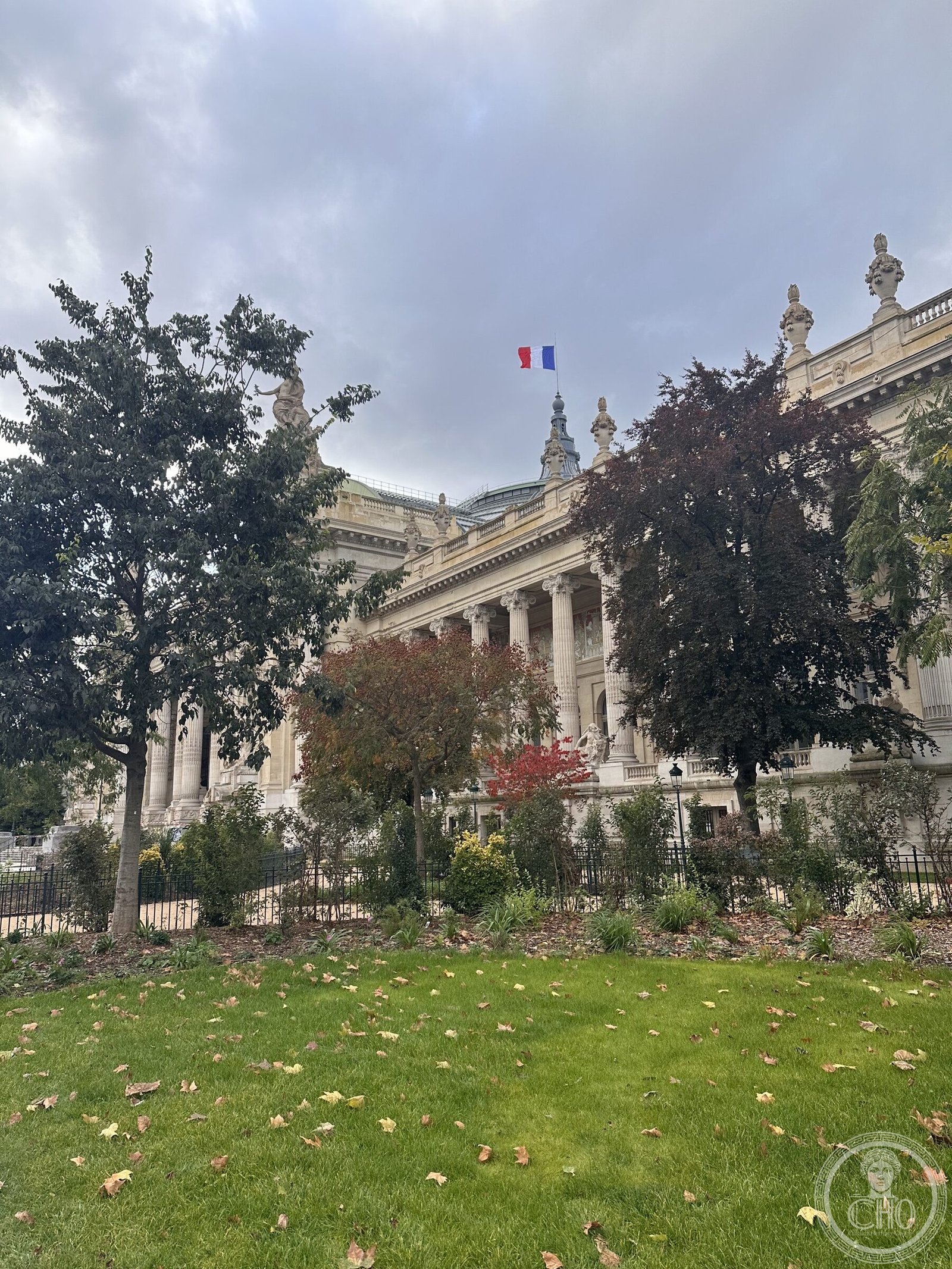
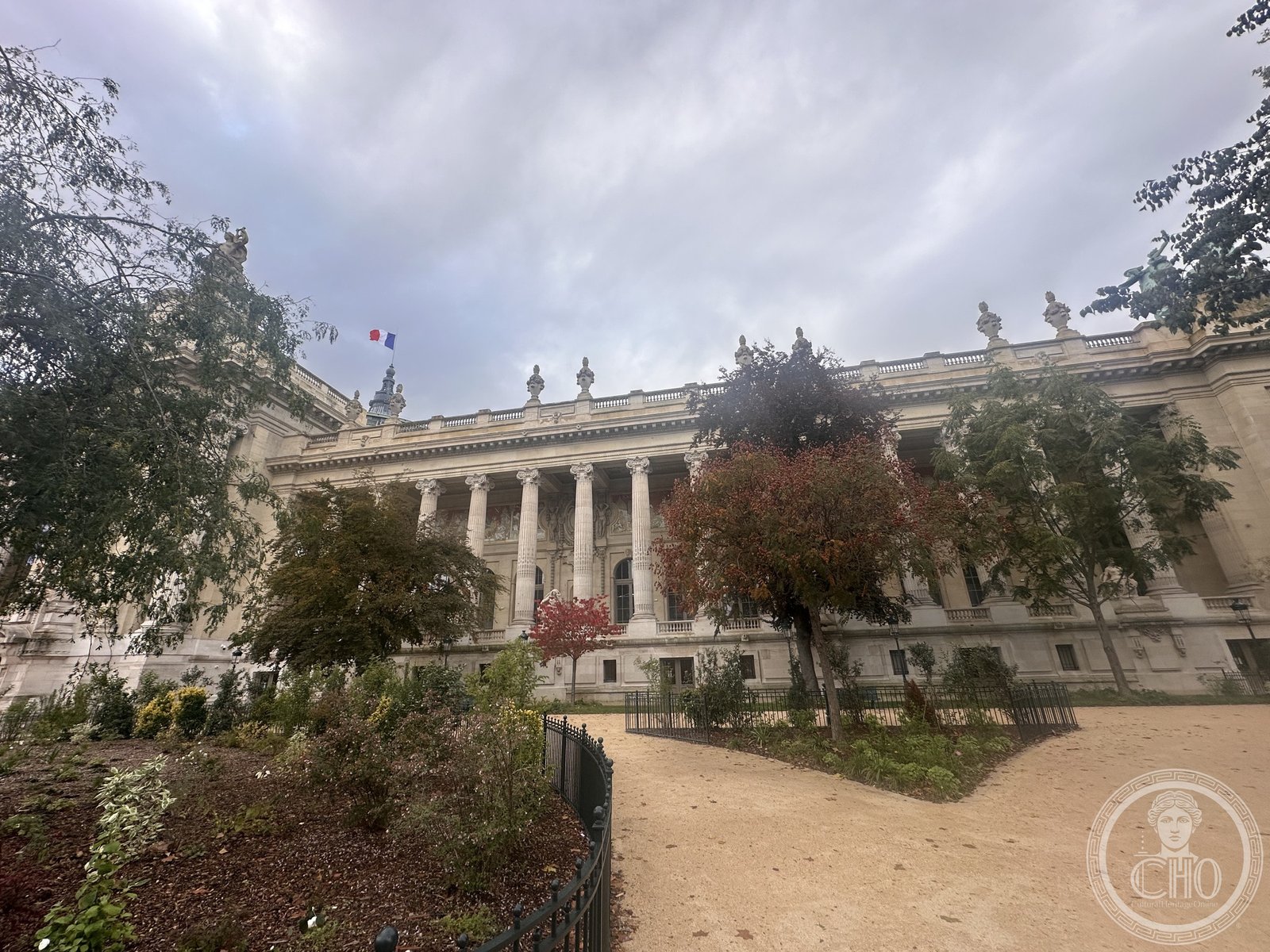
The Palais de la Découverte does not occupy a purpose-built structure but an adapted wing of the Grand Palais, itself a masterpiece of Beaux-Arts engineering built for the 1900 Exposition Universelle. The Grand Palais’s soaring iron-and-glass nave provides an extraordinary structural frame, while Albert Laprade’s 1937 interior adaptation carved out galleries suited to scientific demonstration. The most celebrated interior space is the Salle π, a rotunda whose circular wall carries π inscribed to 707 decimal places in bronze lettering — a room that turns an abstract constant into a sensory experience. The planetarium dome, set beneath the Grand Palais roof, was among the most technically sophisticated in Europe at its opening.
Cultural significance
The Palais de la Découverte invented a model of science communication that spread globally: the “science in action” museum, where discovery is staged rather than merely narrated. It predates the Exploratorium in San Francisco by three decades and the Cité des Sciences by half a century. Its Salle π has become a cultural landmark in its own right — a room that celebrates mathematical abstraction with the devotion usually reserved for art. For millions of French students who visited on school trips between the 1940s and 2000s, it was their first encounter with living science, and it shaped France’s relationship with scientific culture throughout the postwar decades.
Visiting today
The Palais de la Découverte is currently closed for renovation alongside the Grand Palais. Reopening is planned following the completion of works; check the official website for updated timings. When open, the museum offers live experiments, planetarium shows, and permanent galleries. An admission fee applies; reduced rates for children and students. The neighbouring Grand Palais hosts major temporary exhibitions during the renovation via a temporary structure on the Champs-Élysées.
Getting there
The Grand Palais and Palais de la Découverte are located on Avenue Franklin D. Roosevelt in the 8th arrondissement. The nearest metro station is Franklin D. Roosevelt on lines 1 and 9, a two-minute walk. Champs-Élysées — Clemenceau station on lines 1 and 13 is equally close. RER C stops at Pont de l’Alma, a ten-minute walk along the Seine. Buses 28, 42, 73, 80, 83, and 93 serve the area.
Sources & resources
Gallery
Photographs by Luigi De Marchi.


Find it on the map
See this place and what’s around it →
Record researched and written by Luigi De Marchi for Cultural Heritage Online, 2026.
📷 Become a Cultural Heritage Online photographer
Share your photos of places: they stay published under your name as the author. The more they're seen, the more you get noticed — and soon a contest will reward the most appreciated photos.
Log in or sign up free to add a photoIs this page about you?
This page is read by travellers and heritage enthusiasts who find it on Google. Tell us how you are connected to this place and we will take it from there.