travel

UNESCO Heritage Sites Near Chengde Mountain Resort

UNESCO Heritage Sites Near Chengde Mountain Resort

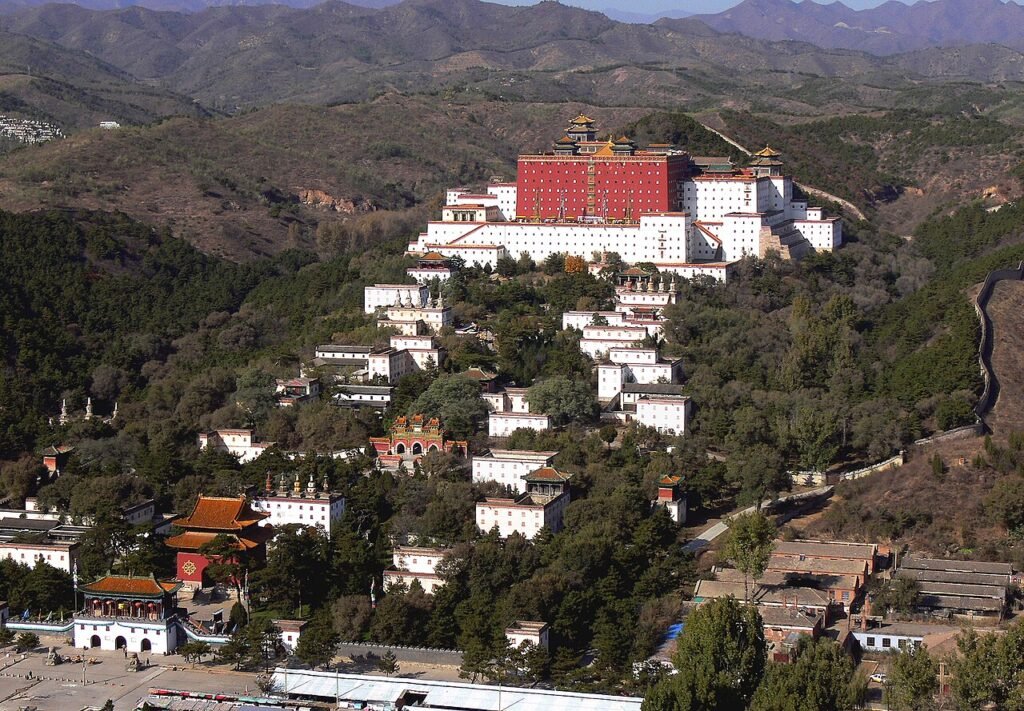
Chengde’s Mountain Resort and Outlying Temples — inscribed 1994 — is the Qing Empire’s 5,648-hectare summer palace: 12 Outlying Temples in Tibetan, Mongolian, and Chinese architectural styles, including the Temple of Putuozongcheng (Little Potala Palace, 1767–1771) and Puning Temple’s 22.28m wooden Guanyin, the world’s tallest indoor Buddha. Jinshanling’s Great Wall is 1.5 hours south.
UNESCO Heritage Sites Near Suzdal and Vladimir

UNESCO Heritage Sites Near Suzdal and Vladimir

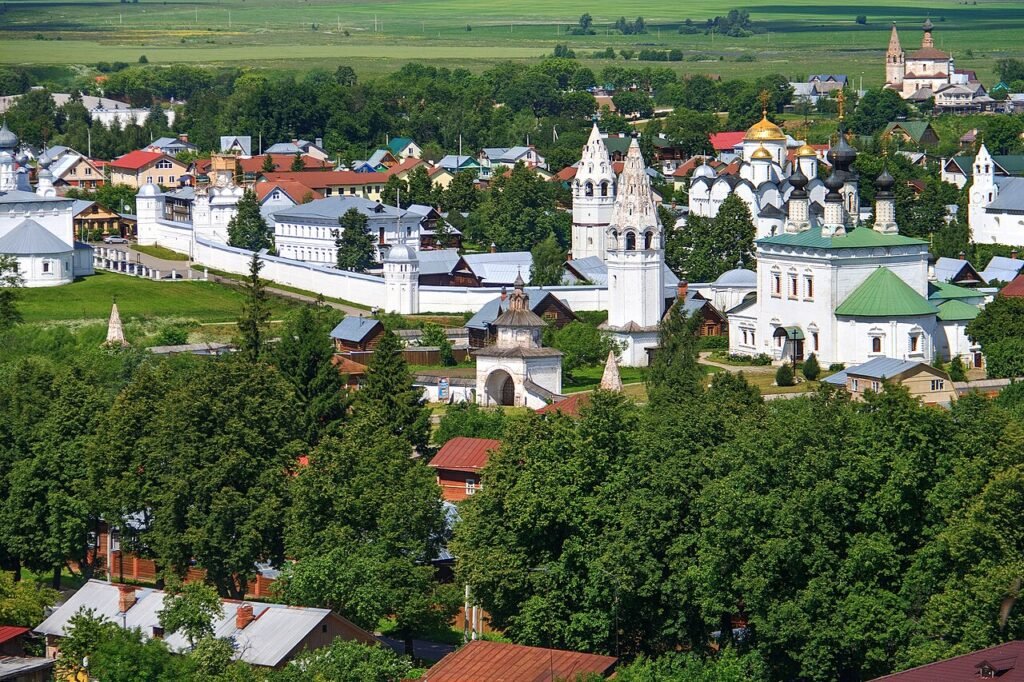
Vladimir and Suzdal’s White Monuments — inscribed 1992 — preserve the pre-Mongol capital of medieval Russia: Andrei Rublev’s 1408 Last Judgment frescoes in Vladimir’s Cathedral of the Assumption (1158), the Church of the Intercession on the Nerl (1165, the most celebrated Russian medieval church), and Suzdal’s 30-church museum town with royal exile convents.

UNESCO Heritage Sites Near Colmar, France

UNESCO Heritage Sites Near Colmar, France

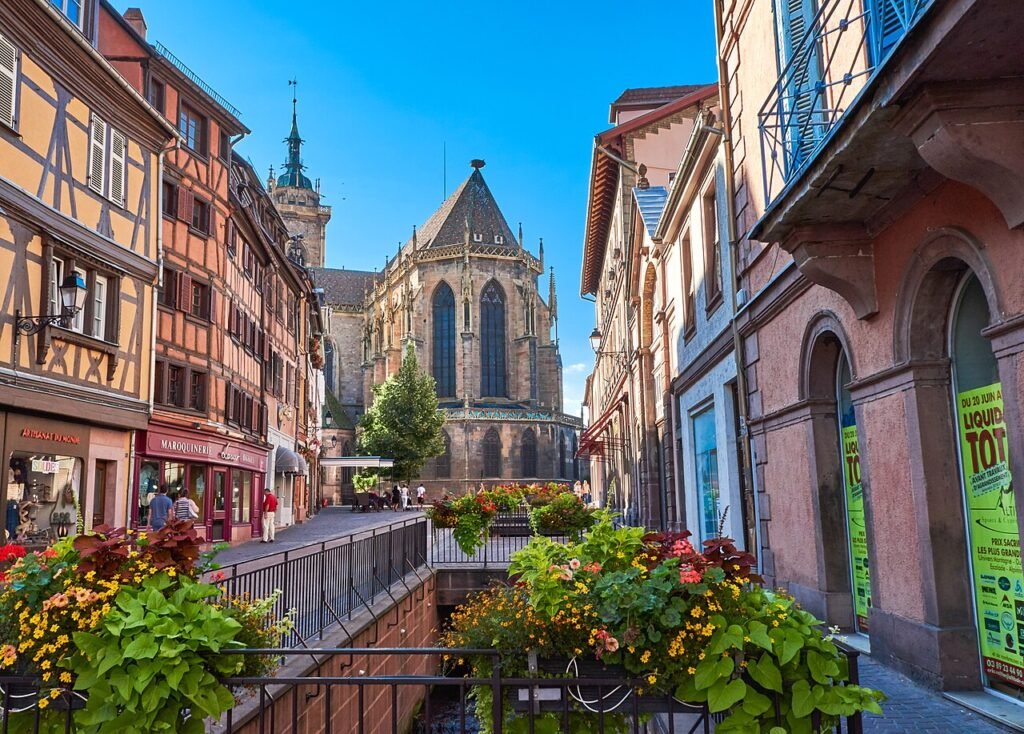
Colmar is the gateway to Alsace’s UNESCO heritage circuit: the Unterlinden Museum’s Isenheim Altarpiece (c. 1512–1516, the greatest Northern Renaissance painted altarpiece, with Grünewald’s medical-realism Crucifixion) and Strasbourg’s inscribed Grande Île (Gothic cathedral, Petite France, Wilhelmine Neustadt) 35 minutes north.

UNESCO Heritage Sites Near Butrint, Albania

UNESCO Heritage Sites Near Butrint, Albania

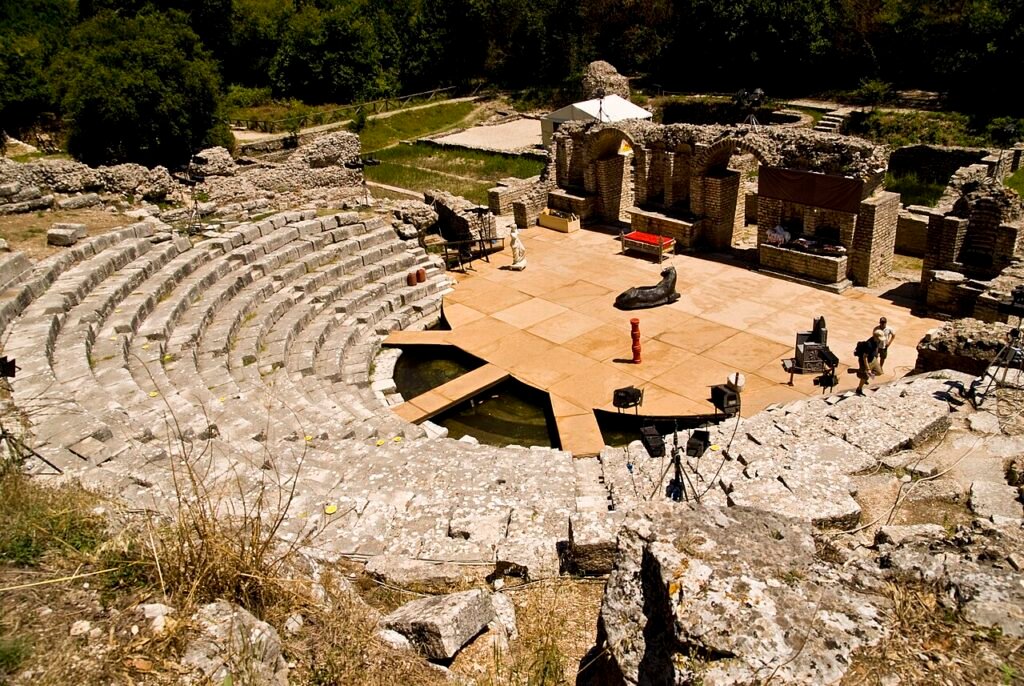
Butrint — inscribed 1992, extended 1999 — is one of the Balkans’ most important ancient cities: a Greek colony (c. 650 BCE) occupied by Romans, Byzantines, Angevins, and Venetians, with a 3rd-century BCE theatre and Albania’s largest Early Christian floor mosaic (c. 450–550 CE, 15×9.5m). Gjirokastra’s stone Ottoman city and Berat’s “thousand windows” are within 1.5–3.5 hours.

UNESCO Heritage Sites Near Mining Sites of Wallonia

UNESCO Heritage Sites Near Mining Sites of Wallonia

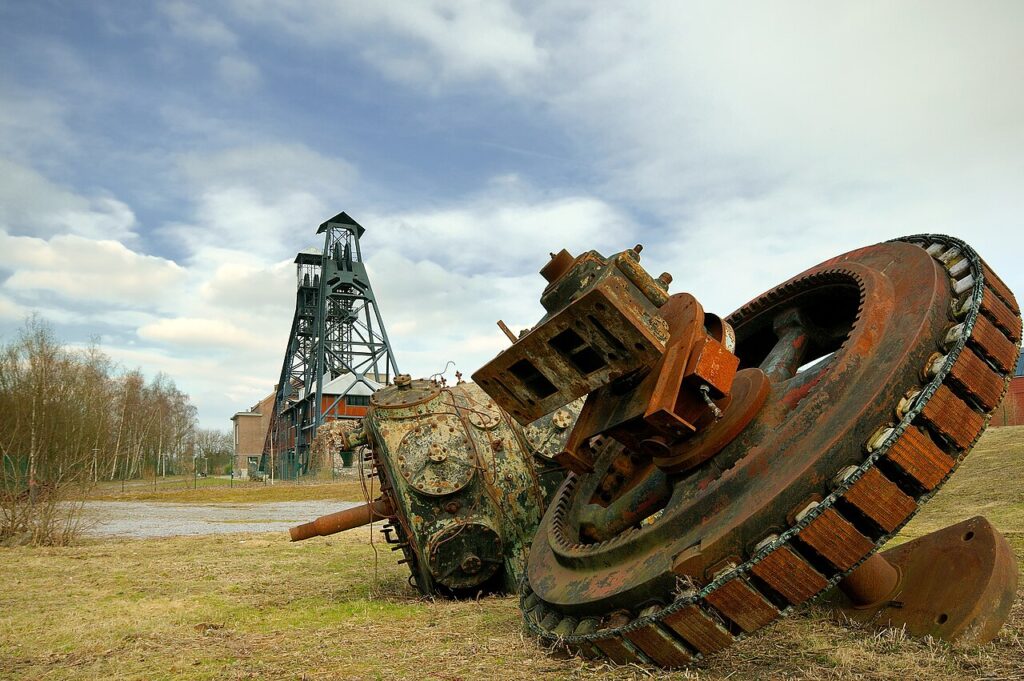
The Major Mining Sites of Wallonia — Grand-Hornu, Bois-du-Luc, Bois du Cazier, and Blegny-Mine — are a UNESCO World Heritage Site inscribed in 2012 as documents of the first industrial revolution on the European continent. The Bois du Cazier in Marcinelle is the site of the 1956 mining disaster that killed 262 men from thirteen countries and directly triggered the European Coal and Steel Community’s first common mine safety standards.

UNESCO Heritage Sites Near Ouro Preto, Brazil

UNESCO Heritage Sites Near Ouro Preto, Brazil

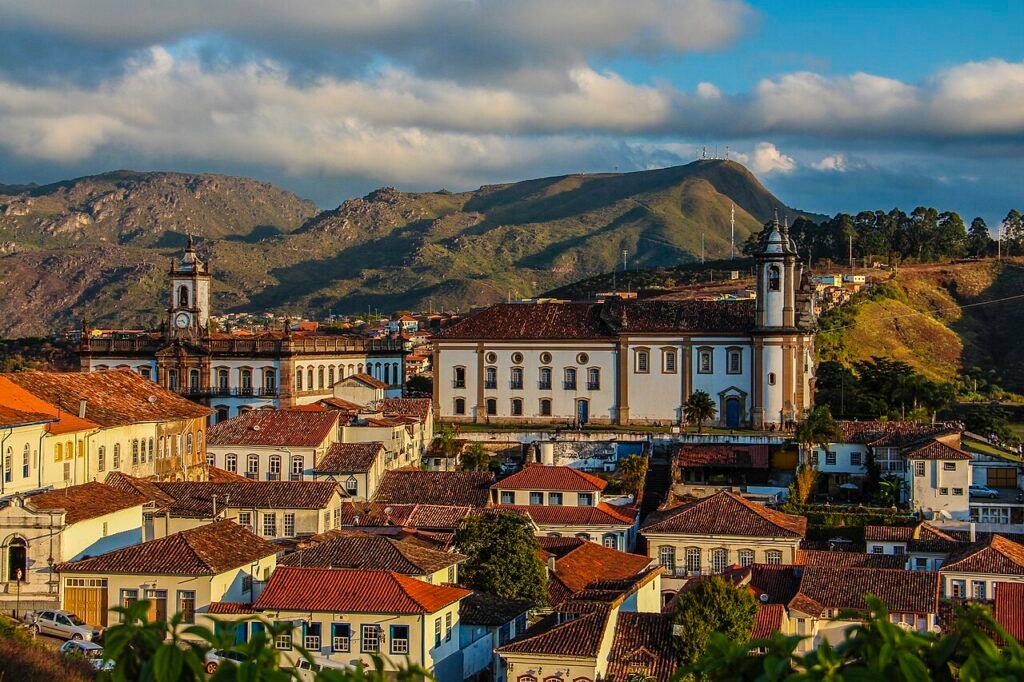
Ouro Preto — inscribed 1980, Brazil’s first UNESCO site — is the Americas’ most complete Baroque colonial city: 13 churches funded by the 18th-century gold rush (800 tonnes of gold, 1690–1775) and the sculptures of Alejadinho, the greatest artist of colonial Latin America. His 12 soapstone prophets at Congonhas (inscribed 1985) are 1 hour south.

UNESCO Heritage Sites Near Flint Mines at Spiennes

UNESCO Heritage Sites Near Flint Mines at Spiennes

The Neolithic Flint Mines at Spiennes near Mons are the oldest and largest prehistoric mining complex in north-western Europe — 100 hectares of chalk terrain containing approximately 100,000 mine shafts dug between 4,300 and 2,800 BCE. UNESCO-listed since 2000, the site produced flint axes that have been found in southern England and the Rhine Valley, evidence of organised long-distance trade operating 6,000 years before the current era.

UNESCO Heritage Sites Near Museum Plantin-Moretus

UNESCO Heritage Sites Near Museum Plantin-Moretus

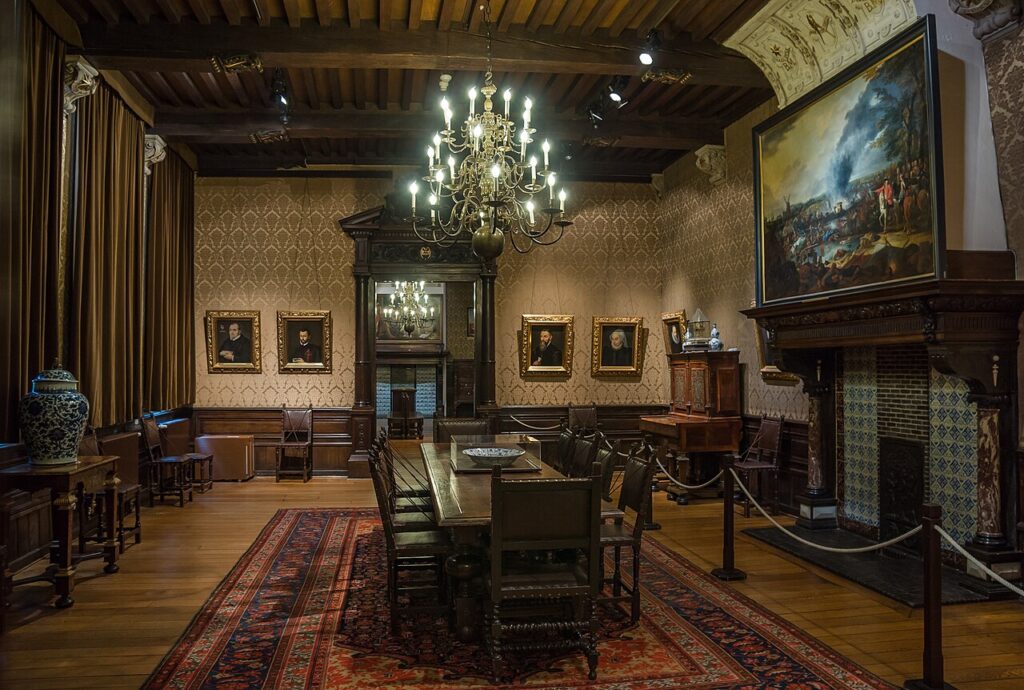
The Museum Plantin-Moretus in Antwerp is the world’s only intact 16th-century printing house — a UNESCO World Heritage Site since 2005 — containing the two oldest surviving European printing presses, the archive of a publisher who produced the first 8-language Bible for Philip II of Spain, and a first edition of Thomas More’s Utopia. The Moretus family preserved the house, presses, type, and correspondence for three centuries before selling it to the City of Antwerp in 1876 with nothing dispersed.

UNESCO Heritage Sites Near Stoclet Palace, Brussels

UNESCO Heritage Sites Near Stoclet Palace, Brussels

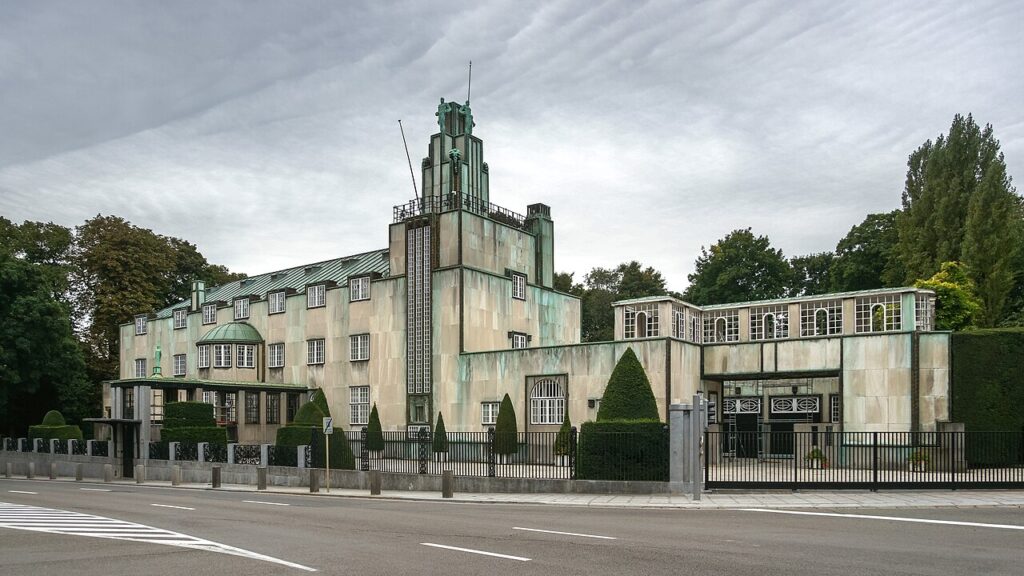
The Stoclet Palace in Brussels is the only UNESCO World Heritage Site inscribed for a building the public cannot enter. Built between 1905 and 1911 for Belgian banker Adolphe Stoclet to designs by Josef Hoffmann of the Vienna Secession, it contains Gustav Klimt’s most ambitious decorative work — a mosaic frieze in the dining room that has never been publicly exhibited and survives intact behind private walls.

Scroll to Top