travel

UNESCO Sites Near Humayun’s Tomb: What to See

UNESCO Sites Near Humayun’s Tomb: What to See

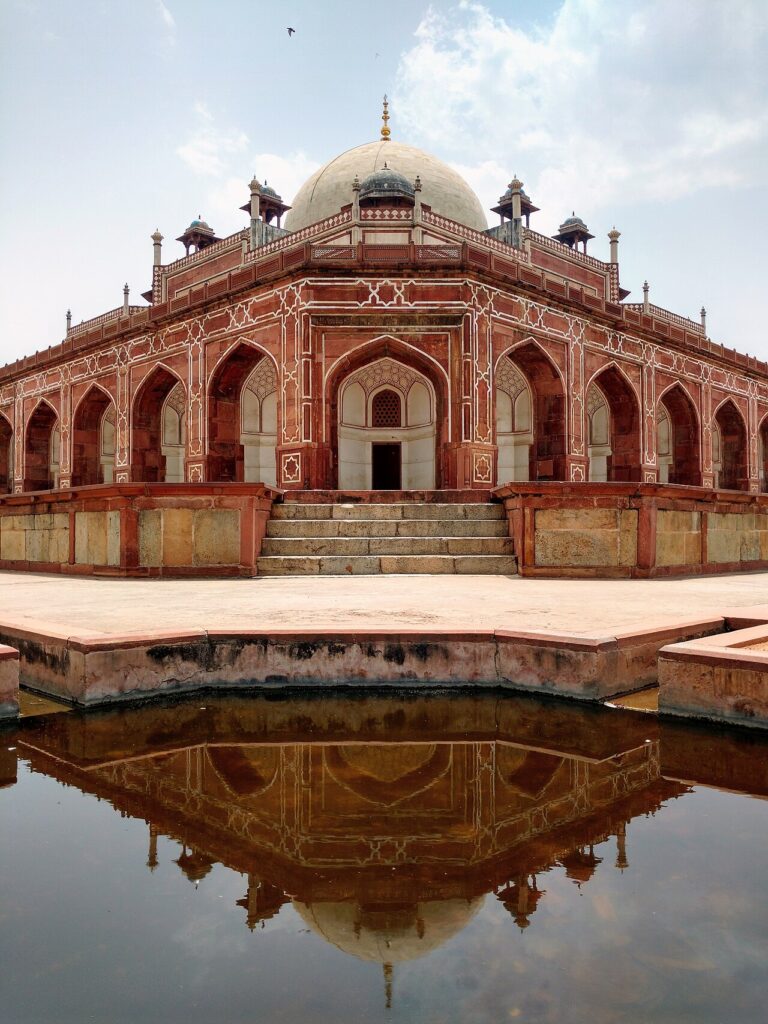
Humayun’s Tomb in Delhi, completed in 1572 by the Persian architect Mirak Mirza Ghiyas under the commission of Haji Begum, introduced the charbagh garden-tomb formula and the double dome to the Indian subcontinent — both adopted directly by the builders of the Taj Mahal. The complex contains over 150 Mughal graves and was the site where the last Mughal emperor, Bahadur Shah Zafar, surrendered to British forces in September 1857. UNESCO inscribed it in 1993.
UNESCO Sites Near Qutb Minar: What to See

UNESCO Sites Near Qutb Minar: What to See

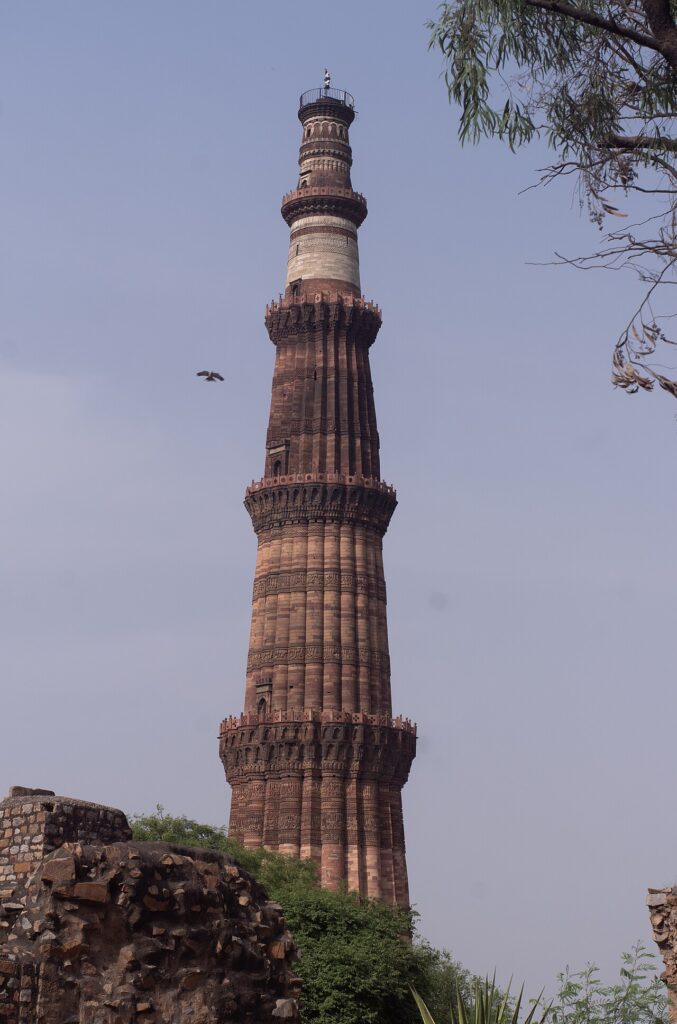
The Qutb Minar complex in south Delhi comprises the world’s tallest brick minaret (72.5 metres, built from 1193 CE), the first mosque in India after the Islamic conquest (built partly from 27 repurposed temple columns), and a 1,600-year-old iron pillar that has not rusted — explained by its high phosphorus content forming a stable protective surface layer. The Alai Darwaza (1311) introduced true arches and domes to India. UNESCO inscribed the site in 1993.

UNESCO Sites Near Pattadakal: What to See

UNESCO Sites Near Pattadakal: What to See

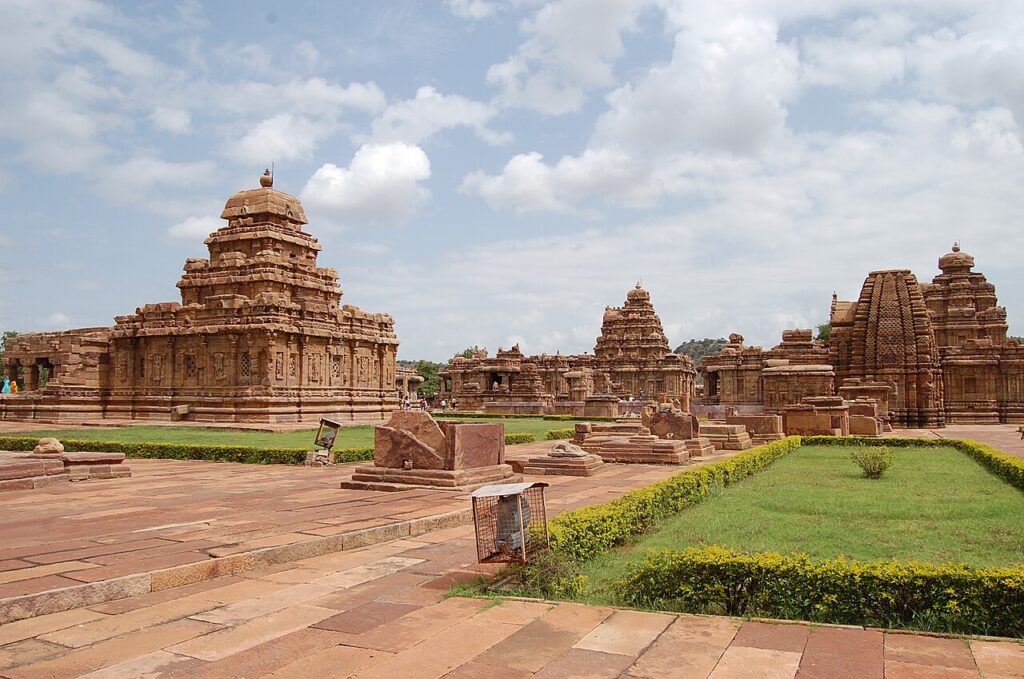
Pattadakal is a UNESCO World Heritage Site in Karnataka containing 10 temples built under the Early Chalukya dynasty between the 7th and 9th centuries CE, unique in India for presenting North Indian Nagara and South Indian Dravidian architectural styles side by side in a single complex. The Virupaksha Temple of 742 CE, commissioned by Queen Lokamahadevi and built partly by craftsmen from the defeated Pallava kingdom, is the largest structure on site and a direct precursor of the Deccan temple traditions that culminated at Hampi eight centuries later.

UNESCO Sites Near Hampi: What to See

UNESCO Sites Near Hampi: What to See

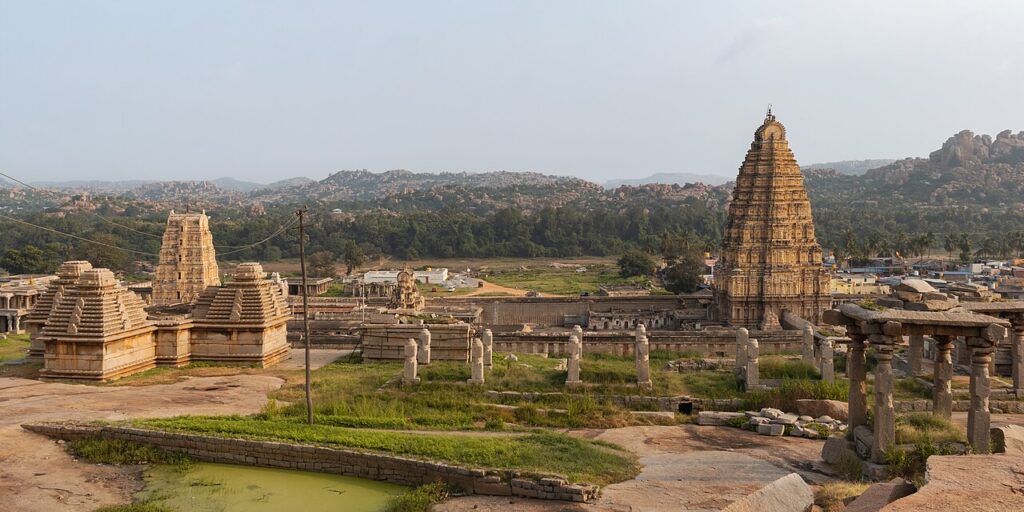
Hampi is a UNESCO World Heritage Site comprising the ruined capital of the Vijayanagara Empire in Karnataka, which at its 16th-century peak held an estimated 500,000 residents — larger than Rome at the same period. Sacked and burned for six months after military defeat in 1565, the 25-square-kilometre site preserves more than 1,600 monuments including the Vittala Temple’s musical pillars and stone chariot, and the still-active Virupaksha Temple with its 50-metre gopuram.

UNESCO Heritage Sites Near Gebel Barkal, Sudan

UNESCO Heritage Sites Near Gebel Barkal, Sudan

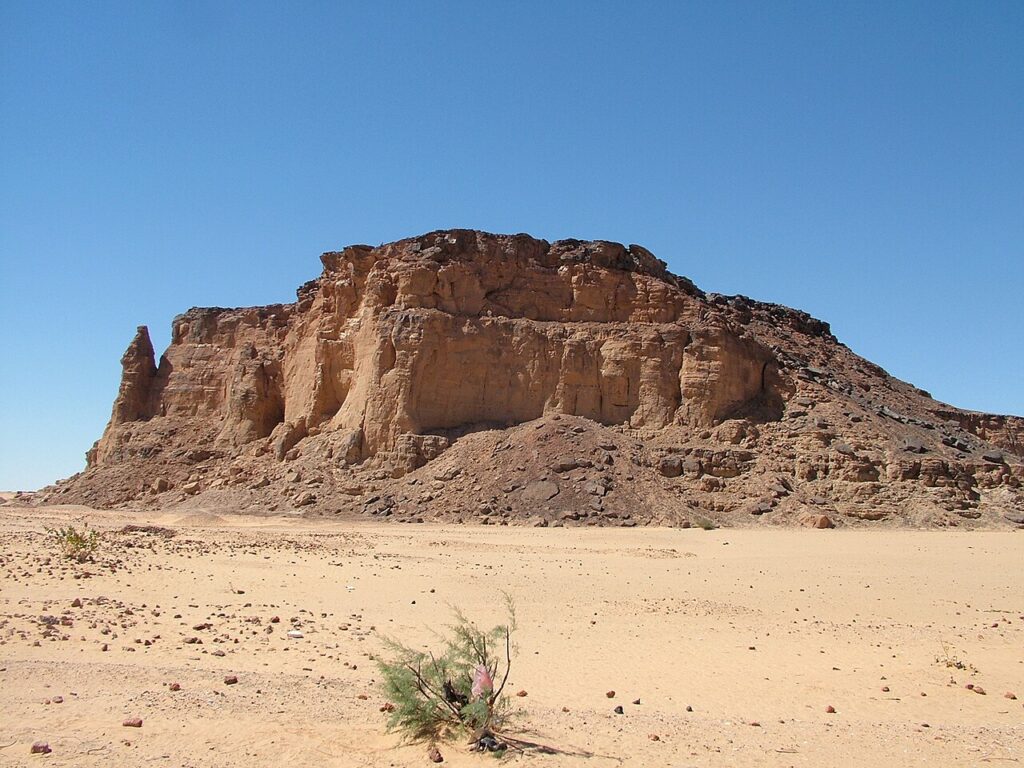
Gebel Barkal is a 98-metre sandstone mountain in northern Sudan that served as the sacred centre of the Napatan kingdom — the civilisation whose kings conquered all of Egypt in the 8th century BCE and built more pyramids than any Egyptian dynasty. The UNESCO-inscribed site includes the Temple of Amun, royal pyramid fields at Nuri (containing Taharqa’s 65-metre pyramid), and the earliest Kushite cemetery at El-Kurru.

UNESCO Heritage Sites Near Aflaj Systems of Oman

UNESCO Heritage Sites Near Aflaj Systems of Oman

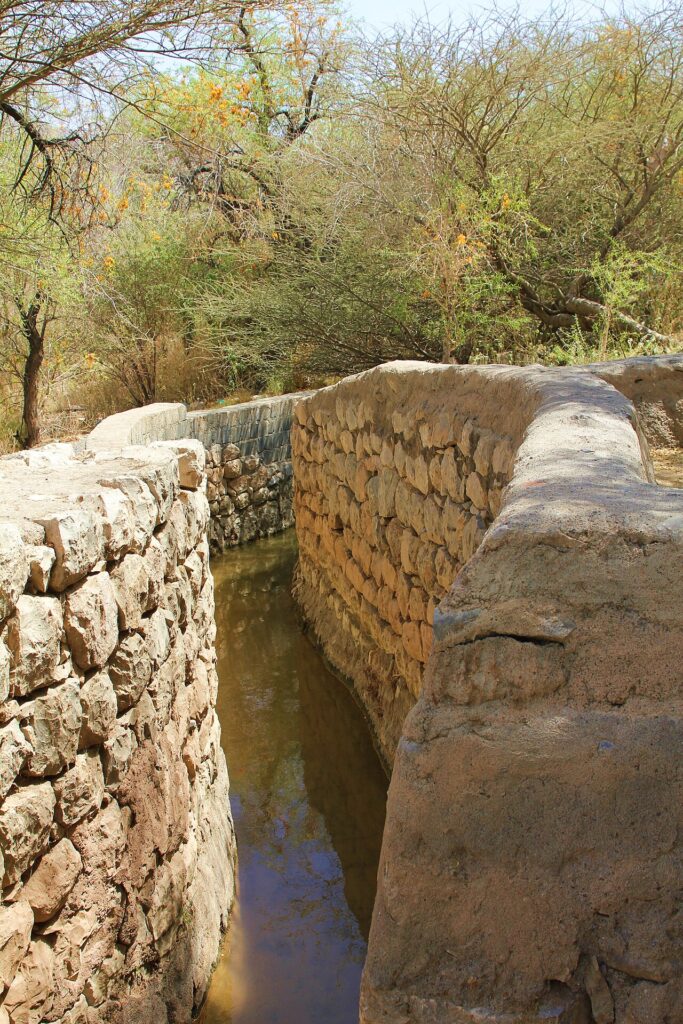
Oman’s approximately 3,000 active aflaj — gravity-fed underground irrigation channels — have watered desert settlements without pumps for at least 1,500 years. Five of these systems received UNESCO World Heritage inscription in 2006, each governed by communal water auctions that fund maintenance through time-share bidding measured by shadow-clock. The nearest separate UNESCO site, the Bronze Age City of Bat, lies 50 km north of Nizwa.

UNESCO Heritage Sites Near Elvas, Portugal

UNESCO Heritage Sites Near Elvas, Portugal

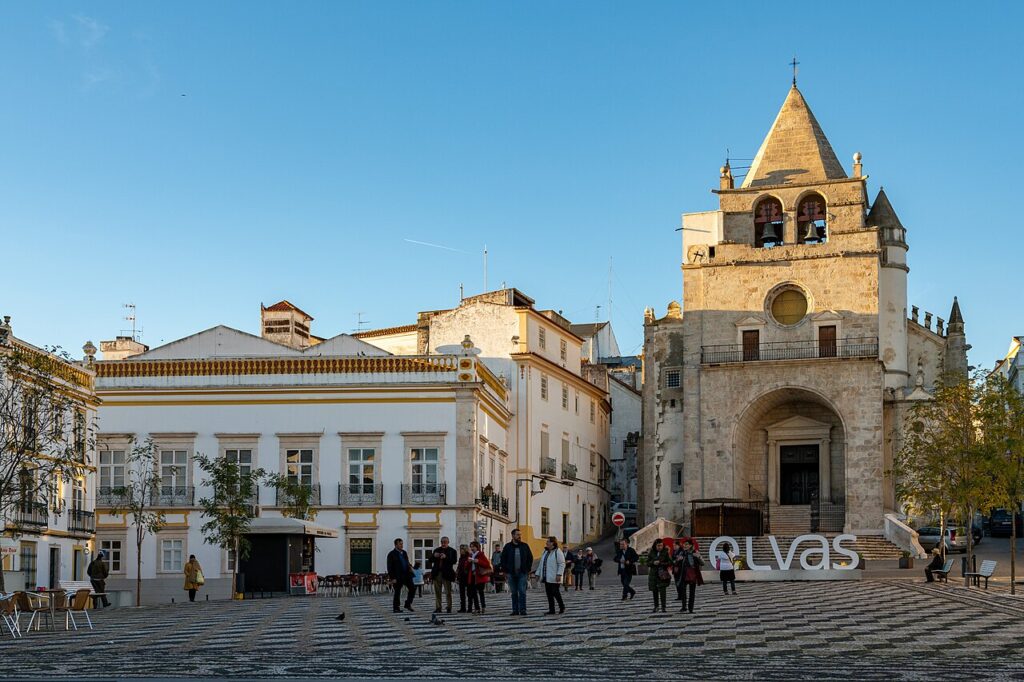
The Garrison Border Town of Elvas in the Portuguese Alentejo holds a UNESCO World Heritage inscription (2012) as the location of the world’s largest intact bulwarked fortification system. Built in stages from 1641 to 1792 using the trace italienne bastion method, Elvas withstood seven sieges during the Restoration War (1640-1668) and was never taken. The 843-arch Amoreira Aqueduct (1498-1622), 7.5 km long, kept the garrison supplied with water; the town also contains an extraordinary octagonal 16th-century church with a complete Baroque azulejo tile interior.

Scroll to Top