

What is a Heritage Trail? Definition and Route Types
A heritage trail is a marked route connecting places of cultural or historical significance along a shared theme. Definition, the Council of Europe Cultural Routes, and how to follow one.
A heritage trail is a marked route connecting places of cultural or historical significance along a shared theme. Definition, the Council of Europe Cultural Routes, and how to follow one.
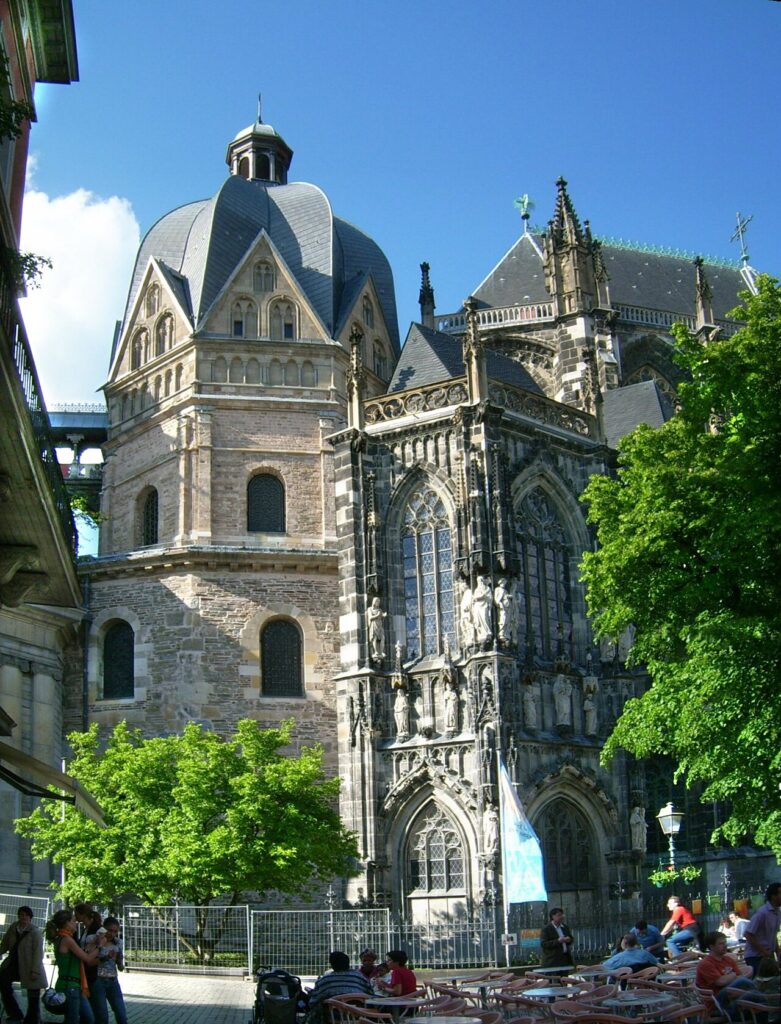
Germany’s 55 UNESCO World Heritage Sites span Carolingian chapels, Viking trading towns, modernist factories, fossil beds, and vast North Sea mudflats — one of Europe’s most chronologically and architecturally diverse national registers.

Spain holds 50 UNESCO World Heritage Sites as of 2024 — from the Alhambra and Gaudí’s Barcelona to volcanic Canary Island parks, prehistoric cave art, and a working Roman lighthouse on the Atlantic coast.

A guide to France’s 54 UNESCO World Heritage Sites — Gothic cathedrals, Roman engineering, prehistoric caves, royal palaces and volcanic landscapes — and how to reach the quieter ones.
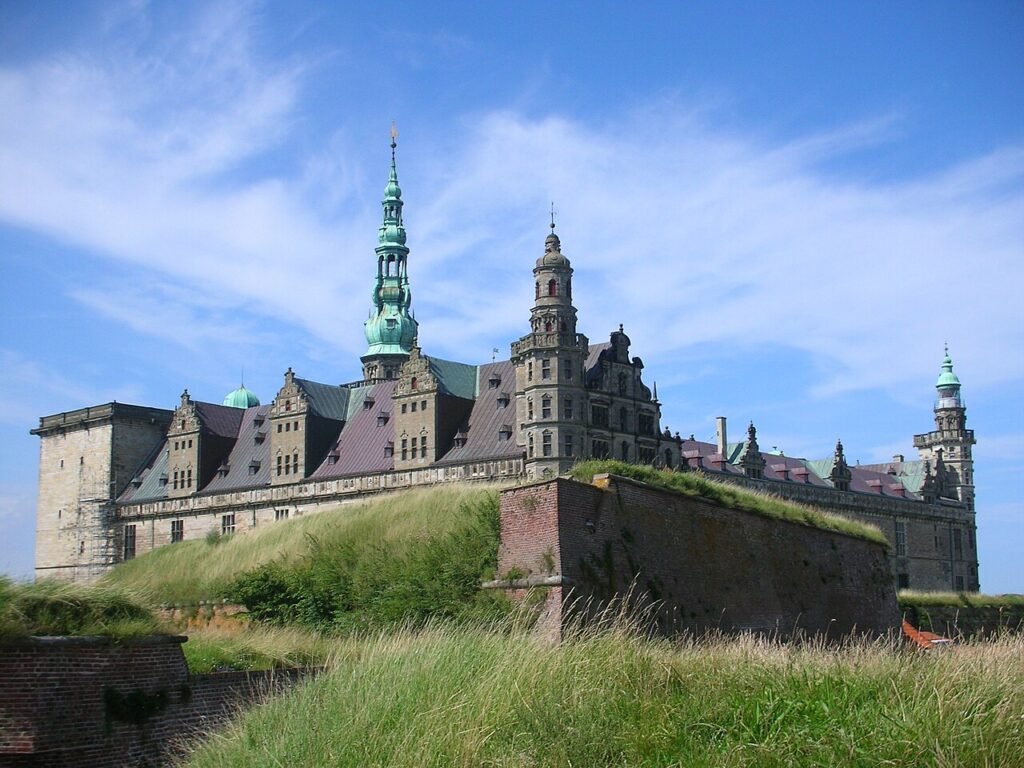
Denmark has 12 UNESCO World Heritage Sites, spanning Viking burial mounds and runic stones in the Jutland heartland, baroque hunting forests on Zealand…
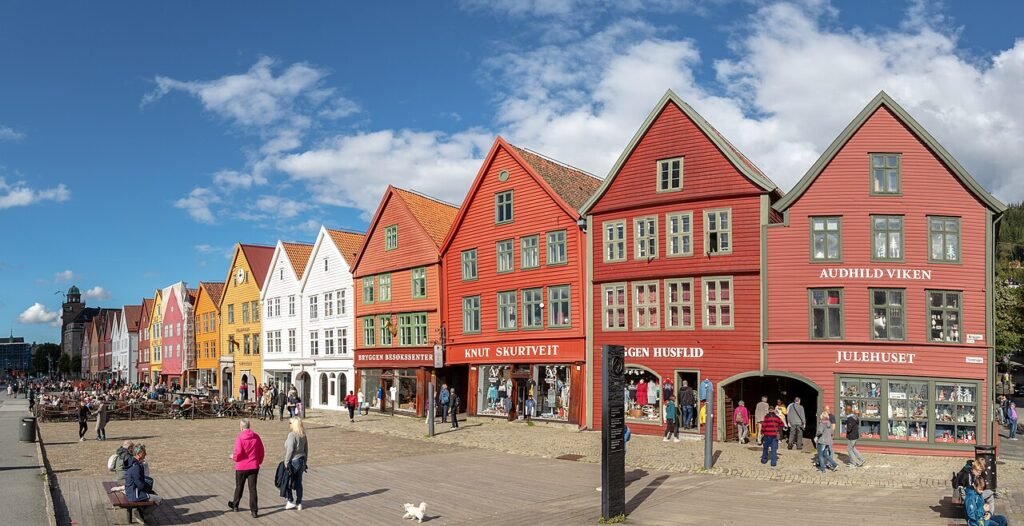
Norway has eight UNESCO World Heritage Sites, spanning Viking-era stave churches, Hanseatic merchant wharves, prehistoric rock carvings above the Arctic…
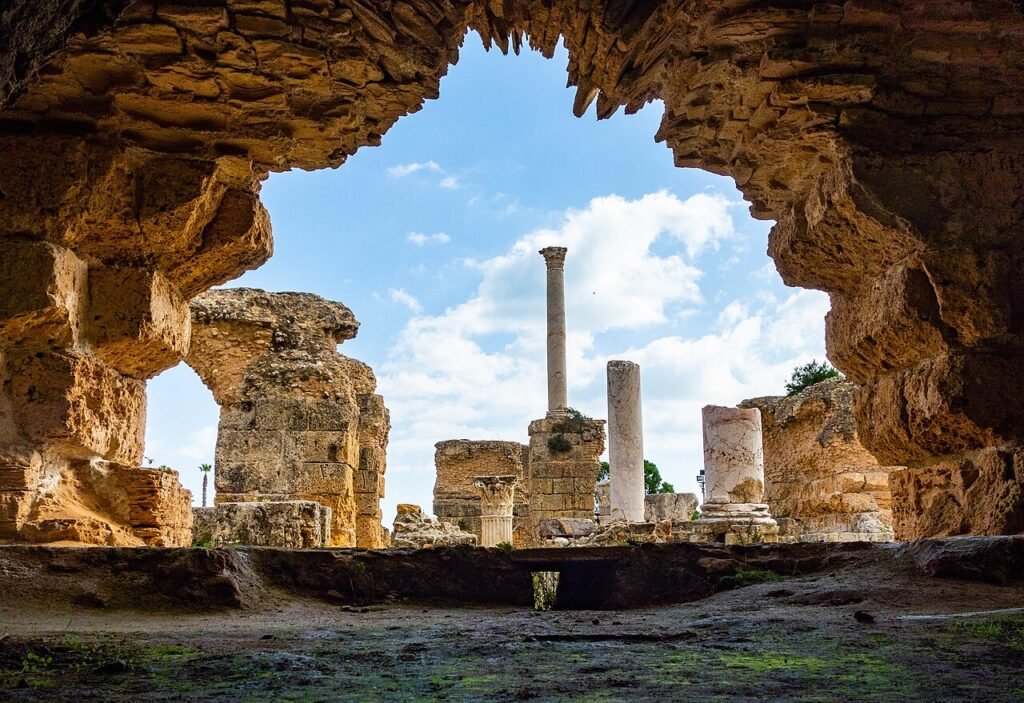
Tunisia has 9 UNESCO World Heritage Sites, spanning Phoenician harbour towns, Roman amphitheatres, intact medieval medinas, a migratory-bird wetland, and a…
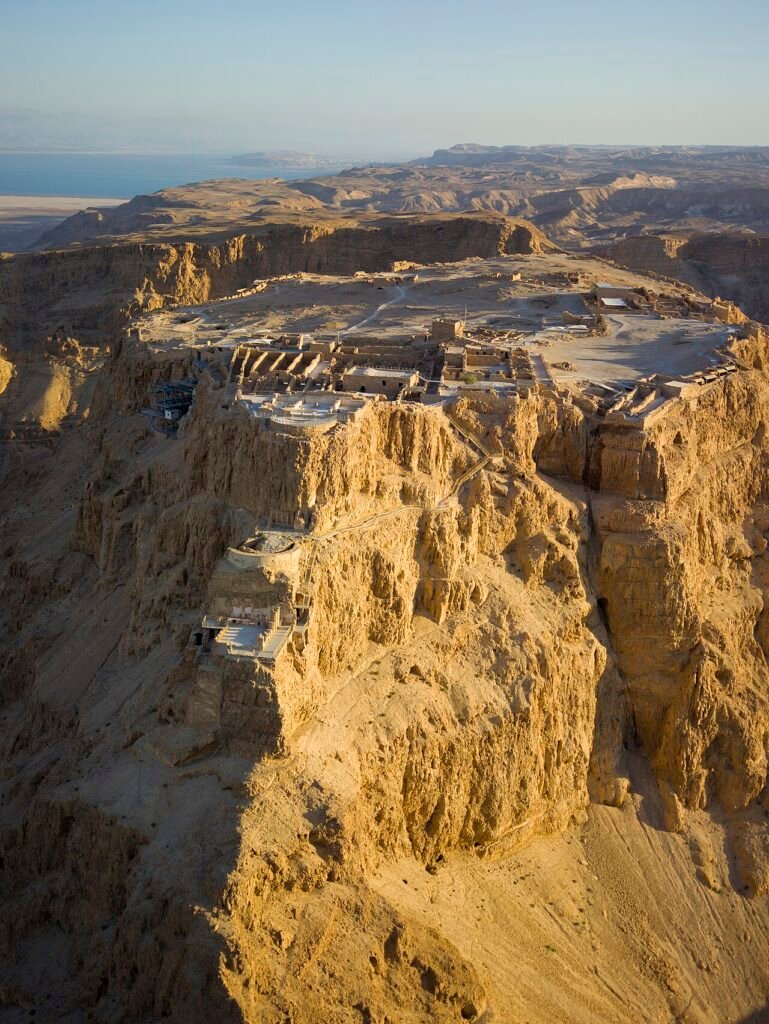
Israel has 9 UNESCO World Heritage Sites, an entirely cultural roster that spans four thousand years of human history — from Canaanite city-mounds and…

Jordan has seven UNESCO World Heritage Sites, ranging from Nabataean rock-cut cities and early Islamic desert palaces to a Byzantine mosaic complex, a…