
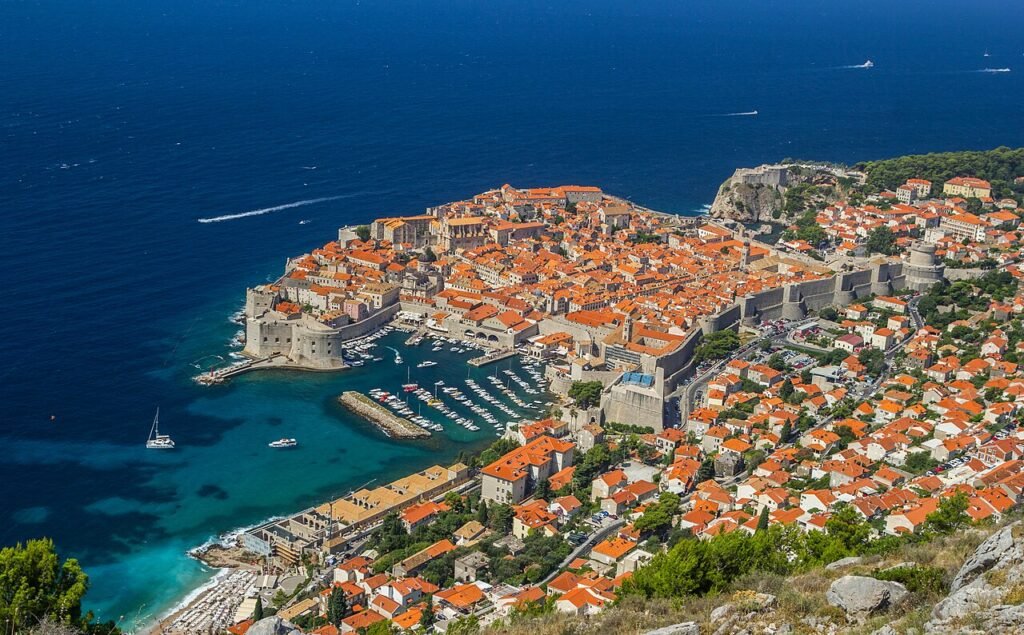
UNESCO World Heritage Sites in Croatia: Complete Guide
Croatia has ten UNESCO World Heritage Sites, a compact but richly varied list spanning Roman imperial palaces, Greek colonial field systems, Baroque city…
Croatia has ten UNESCO World Heritage Sites, a compact but richly varied list spanning Roman imperial palaces, Greek colonial field systems, Baroque city…
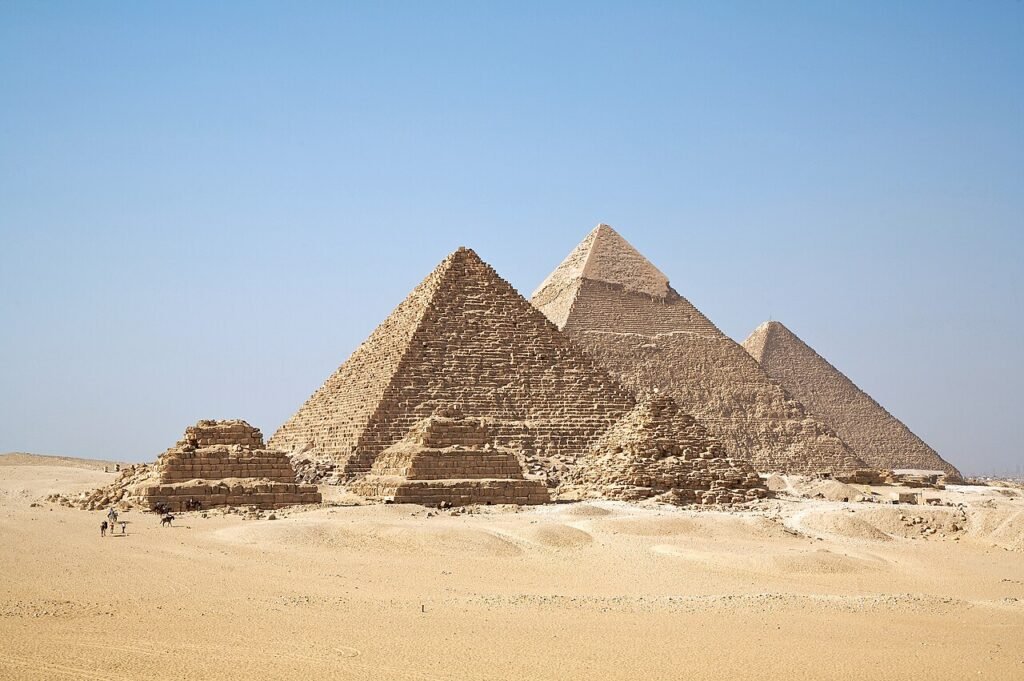
Egypt has seven UNESCO World Heritage Sites, a count that spans four millennia of pharaonic grandeur, early Christian monasticism, medieval Islamic urbanism…
Argentina has 12 UNESCO World Heritage Sites, spanning roaring subtropical waterfalls and creaking Patagonian glaciers, ancient rock-art shelters and…
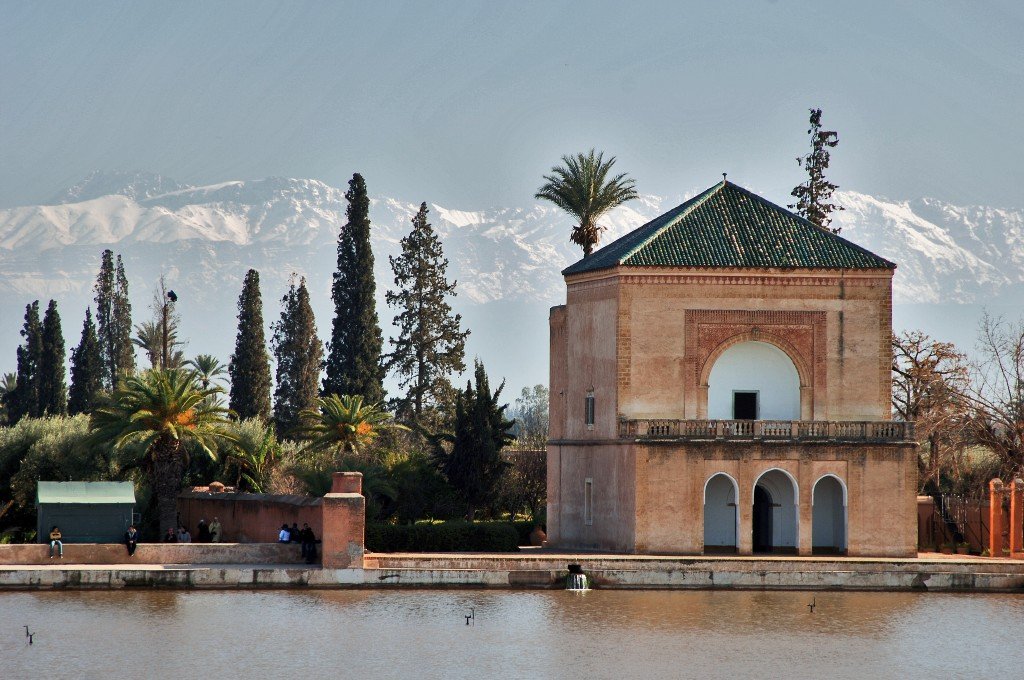
Morocco holds nine UNESCO World Heritage Sites — all cultural — ranging from the medieval labyrinth of Fez to Roman Volubilis, Portuguese-built El Jadida, and the layered capital Rabat, inscribed in 2012.
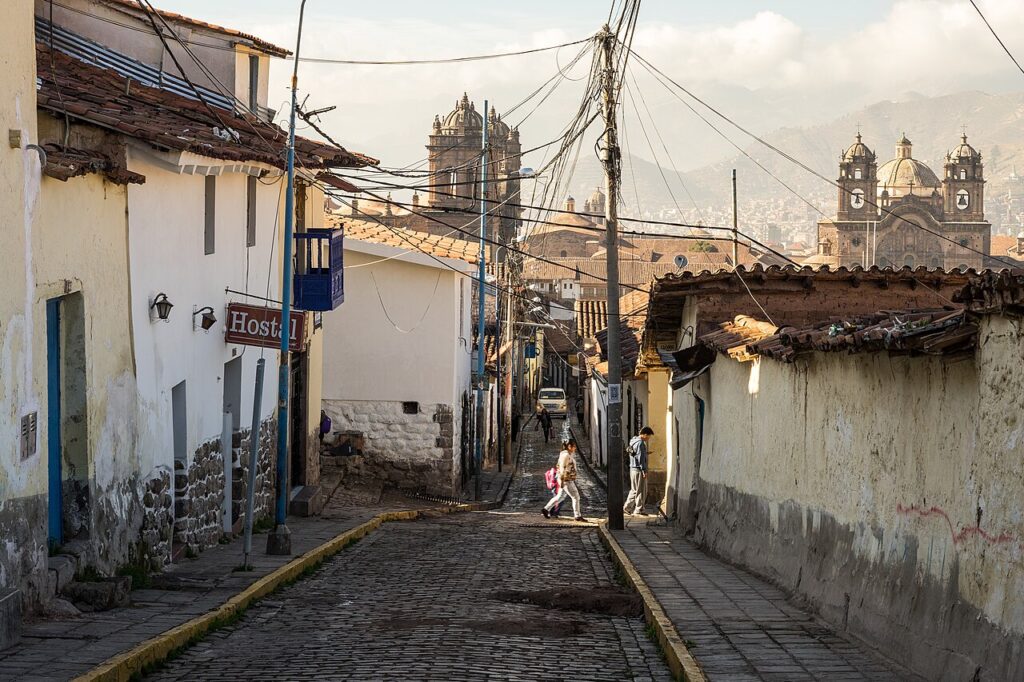
Peru’s 13 UNESCO World Heritage Sites span Inca cities, pre-Columbian desert calendars, cloud-forest citadels, and Amazonian parks — a complete guide from Cultural Heritage Online.
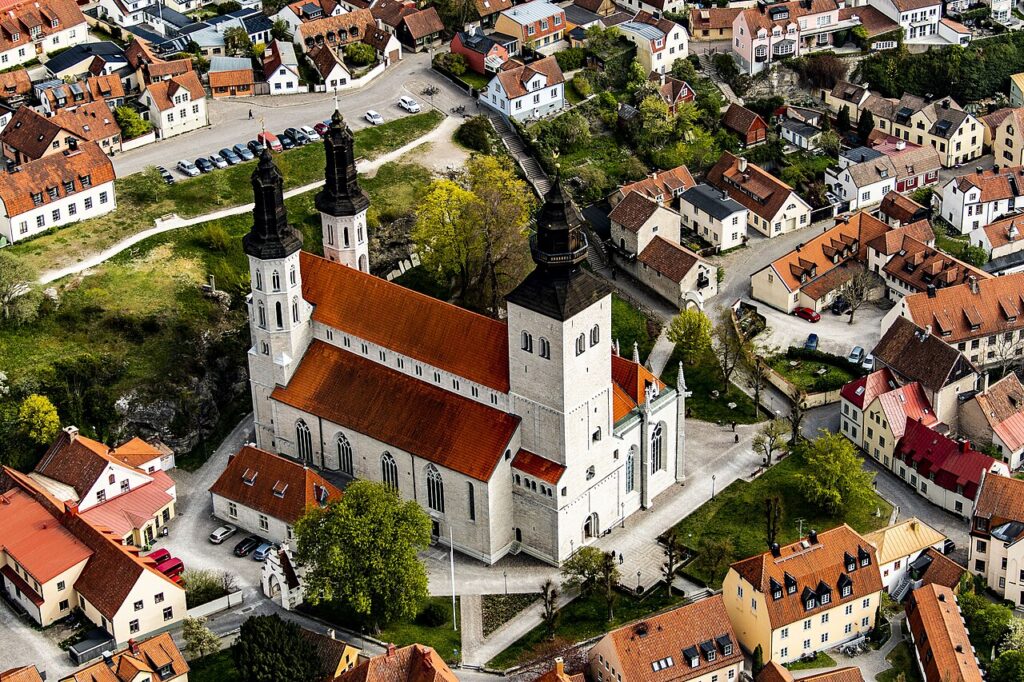
Sweden holds fifteen UNESCO World Heritage Sites — from Bronze Age rock carvings in Tanum and a medieval walled Hanseatic town on Gotland to subarctic Sami landscapes and a still-operational 1920s radio station.
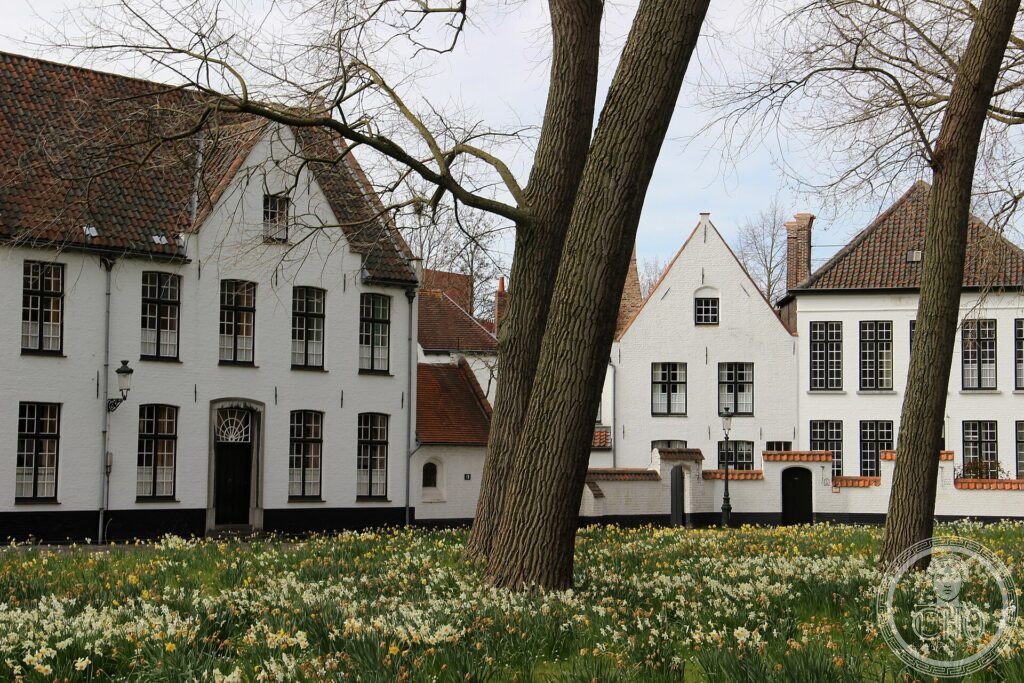
Belgium’s 16 UNESCO World Heritage Sites range from medieval beguine convents and Baroque market squares to a primeval beech forest and the cemeteries of the Western Front — a compact list that spans more than six thousand years of human presence.
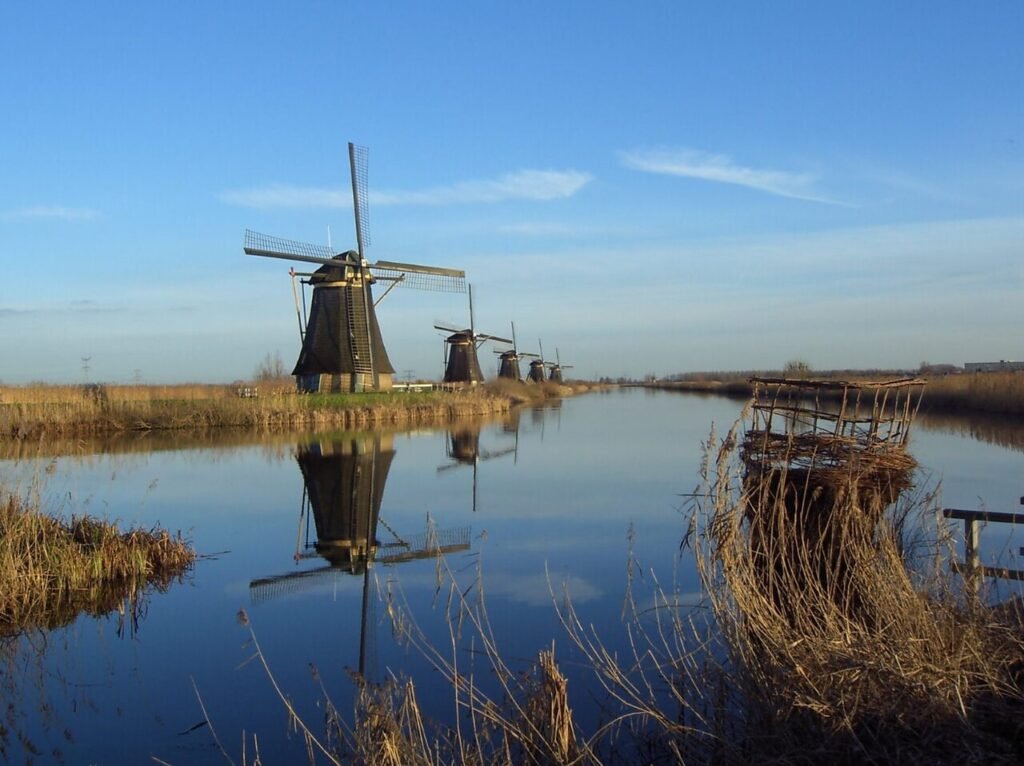
The Netherlands has 13 UNESCO World Heritage Sites — from windmill networks and 17th-century canal rings to a working 18th-century planetarium and the vast Wadden Sea — all shaped by centuries of human ingenuity against water.
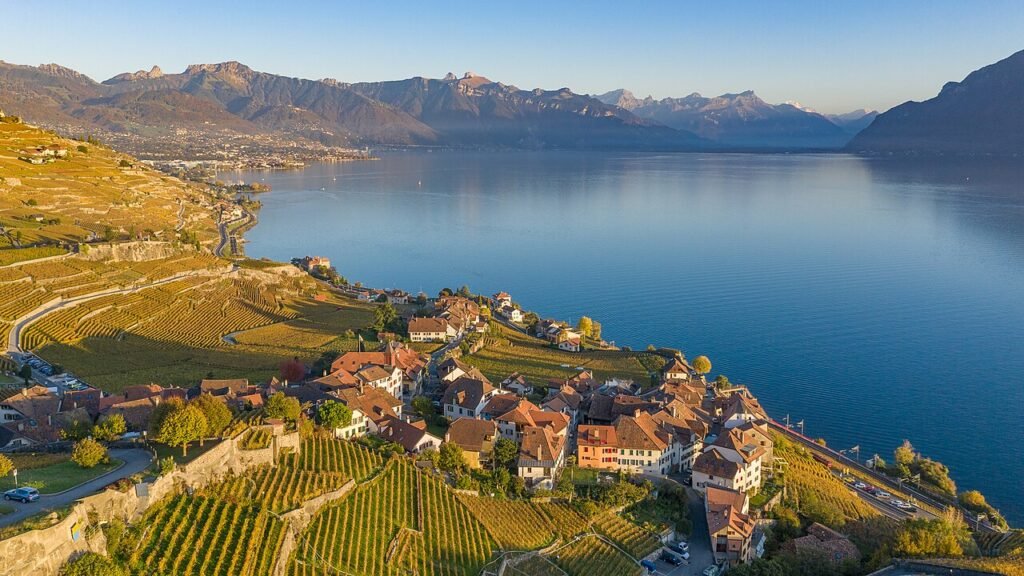
Switzerland’s 13 UNESCO World Heritage Sites span Carolingian abbeys, precision-engineered railway lines, glacier-carved alpine massifs, and one of the world’s richest Triassic fossil records.