


UNESCO Heritage Sites Near Bamako, Mali
Three of Mali’s four UNESCO World Heritage Sites — ancient Timbuktu, the mud-brick city of Djenné, and the Dogon cliff settlements of Bandiagara — lie within reach of Bamako.
Three of Mali’s four UNESCO World Heritage Sites — ancient Timbuktu, the mud-brick city of Djenné, and the Dogon cliff settlements of Bandiagara — lie within reach of Bamako.
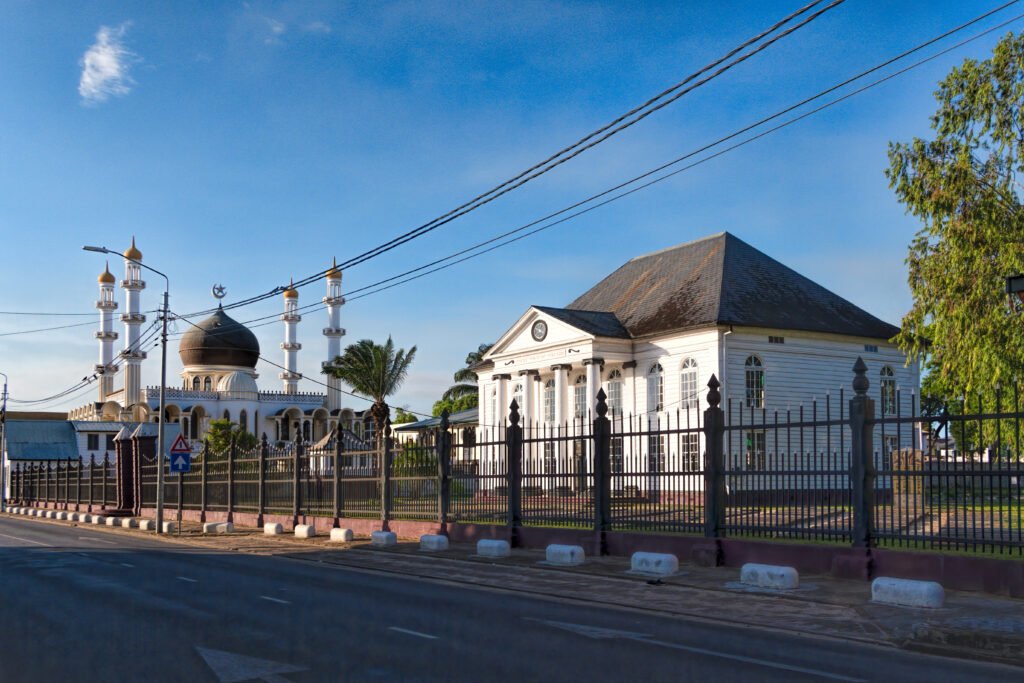
Paramaribo is itself a UNESCO World Heritage Site — a Dutch colonial city built entirely in tropical hardwood. A second inscription, the pristine Central Suriname Nature Reserve, lies 260 km south.
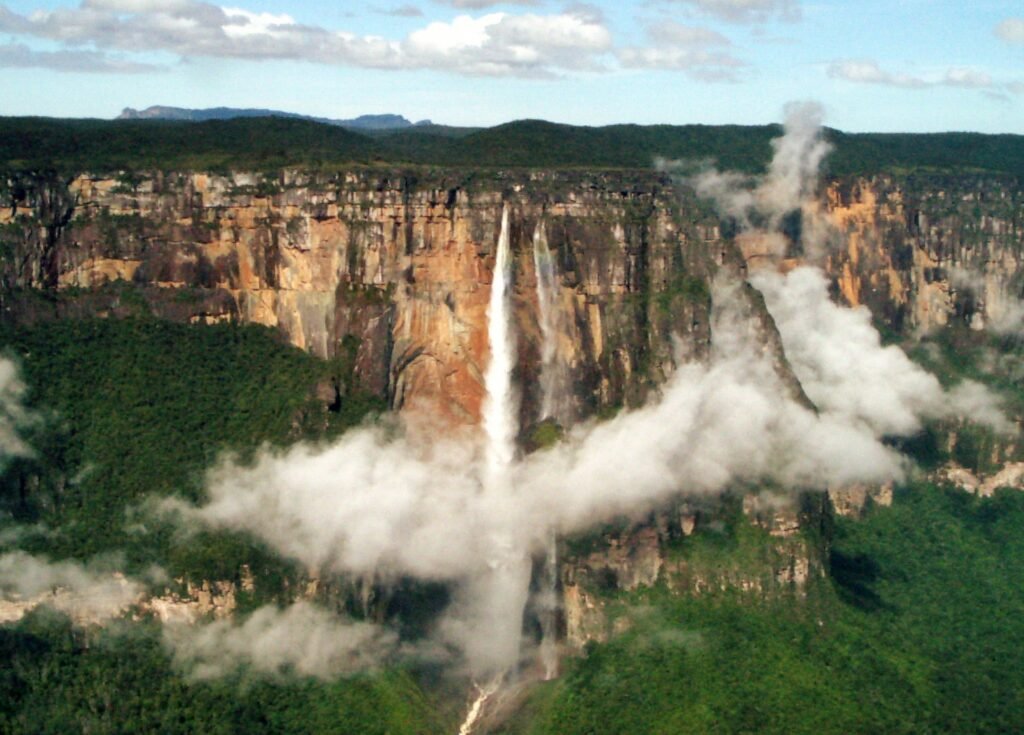
Two UNESCO World Heritage Sites lie within reach of Caracas: Canaima National Park with its ancient tepuis and Angel Falls, and the 500-year-old Colonial city of Coro to the west.

Three UNESCO World Heritage Sites are reachable from Sucre: the inscribed colonial city itself, the pre-Columbian metropolis of Tiwanaku, and the carved rock of Fuerte de Samaipata.
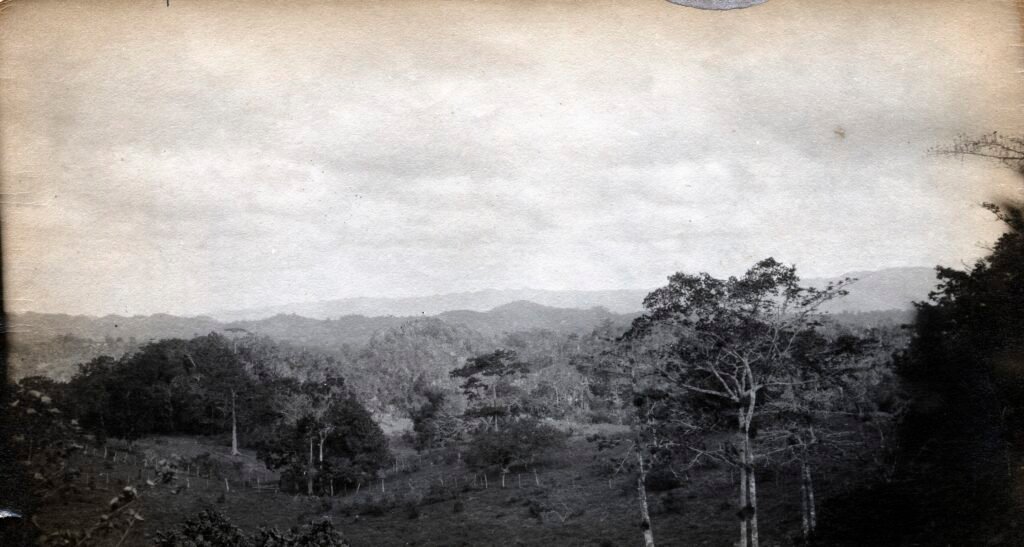
Jamaica’s sole UNESCO World Heritage Site, the Blue and John Crow Mountains, rises 30 km northeast of Kingston — a mountain wilderness of endemic species and living Maroon culture.

Haiti’s sole UNESCO World Heritage Site — the National History Park near Cap-Haïtien — holds the Citadelle Laferrière, the largest fortress in the Americas, built by the first Black republic after the Haitian Revolution.
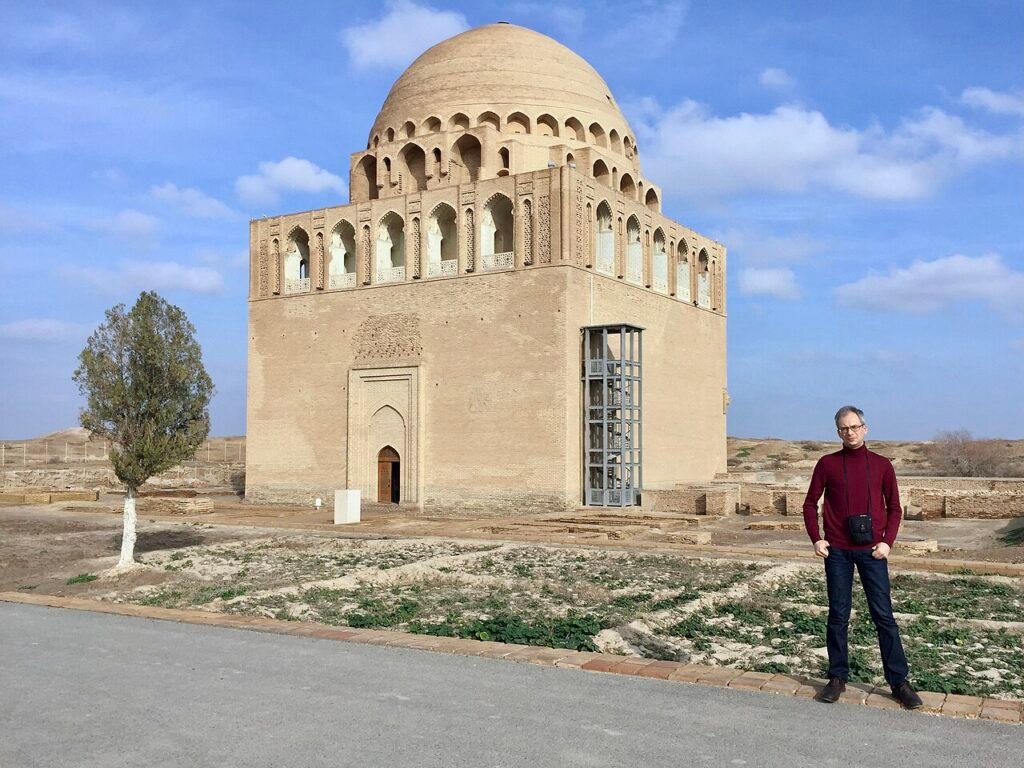
Two of Central Asia’s greatest UNESCO heritage sites lie within reach of Ashgabat: the 3rd-century BC Parthian Fortresses of Nisa and Ancient Merv, once the world’s largest city.

Dushanbe is the starting point for two UNESCO sites: the 5,500-year-old proto-urban settlement of Sarazm and the vast Pamir wilderness of Tajik National Park.

Two UNESCO World Heritage Sites lie within reach of Kota Kinabalu: the biodiverse heights of Kinabalu Park and the record-breaking cave system of Gunung Mulu.