Solomon Islands holds one UNESCO World Heritage Site: East Rennell, a remote natural sanctuary 230 kilometres south of Honiara that contains the largest lake in the insular Pacific and some of the most intact lowland forest remaining anywhere in the region. From Cultural Heritage Online.
East Rennell 230 km south — 30-min domestic flight
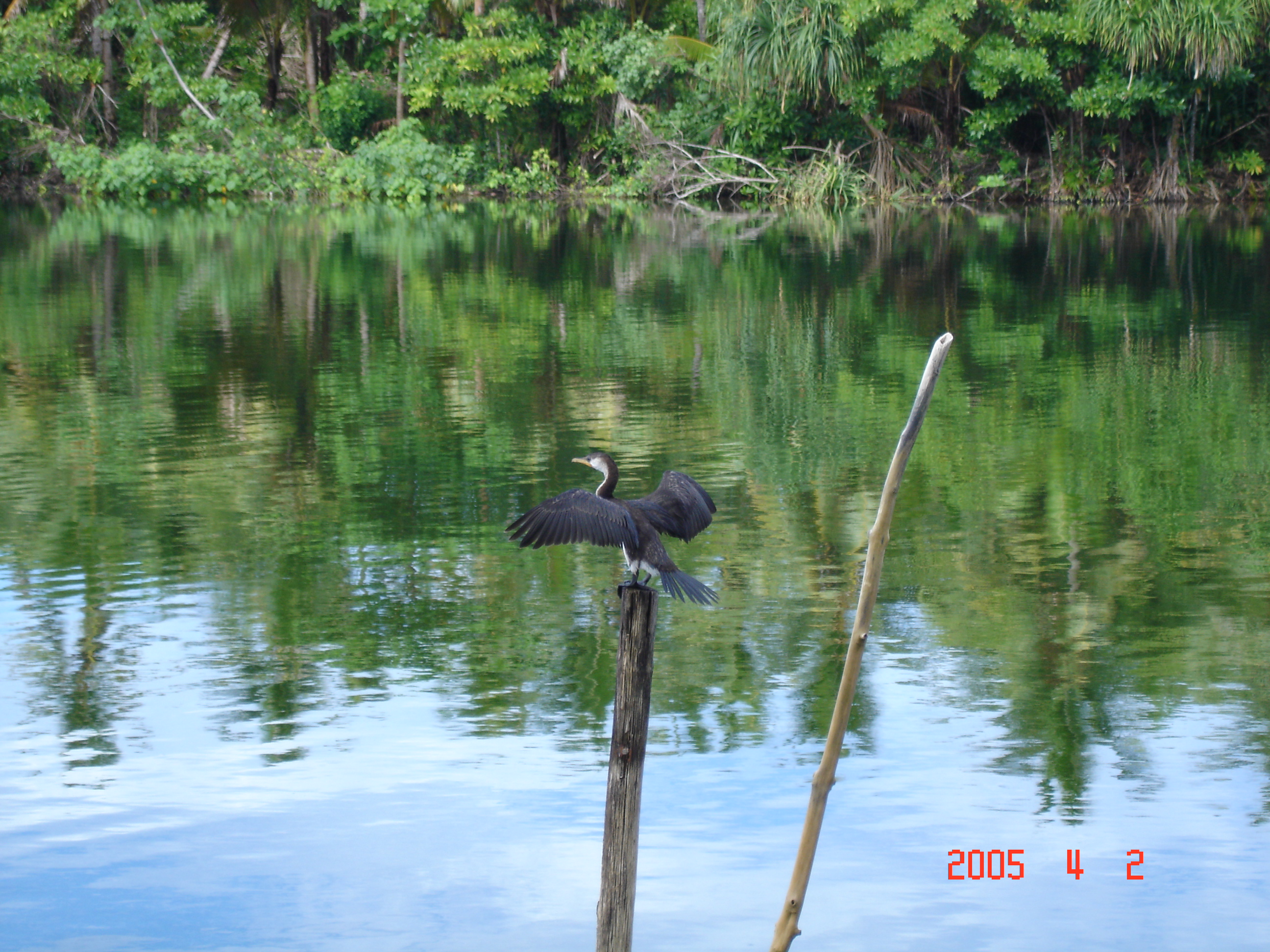
East Rennell is the southernmost island in the Solomon Islands and, by most measures, the world’s largest uplifted coral atoll — a limestone platform raised above sea level by tectonic forces over millions of years. UNESCO inscribed it in 1998 as a natural World Heritage Site of outstanding universal value, recognising the exceptional condition of its ecosystems: 3,668 square kilometres of territory encompassing intact lowland rainforest, coastal scrub, and the extraordinary inland lake at its centre. The entire eastern portion of the island forms the inscribed zone, and every hectare of it remains under customary ownership by the Rennellese people.
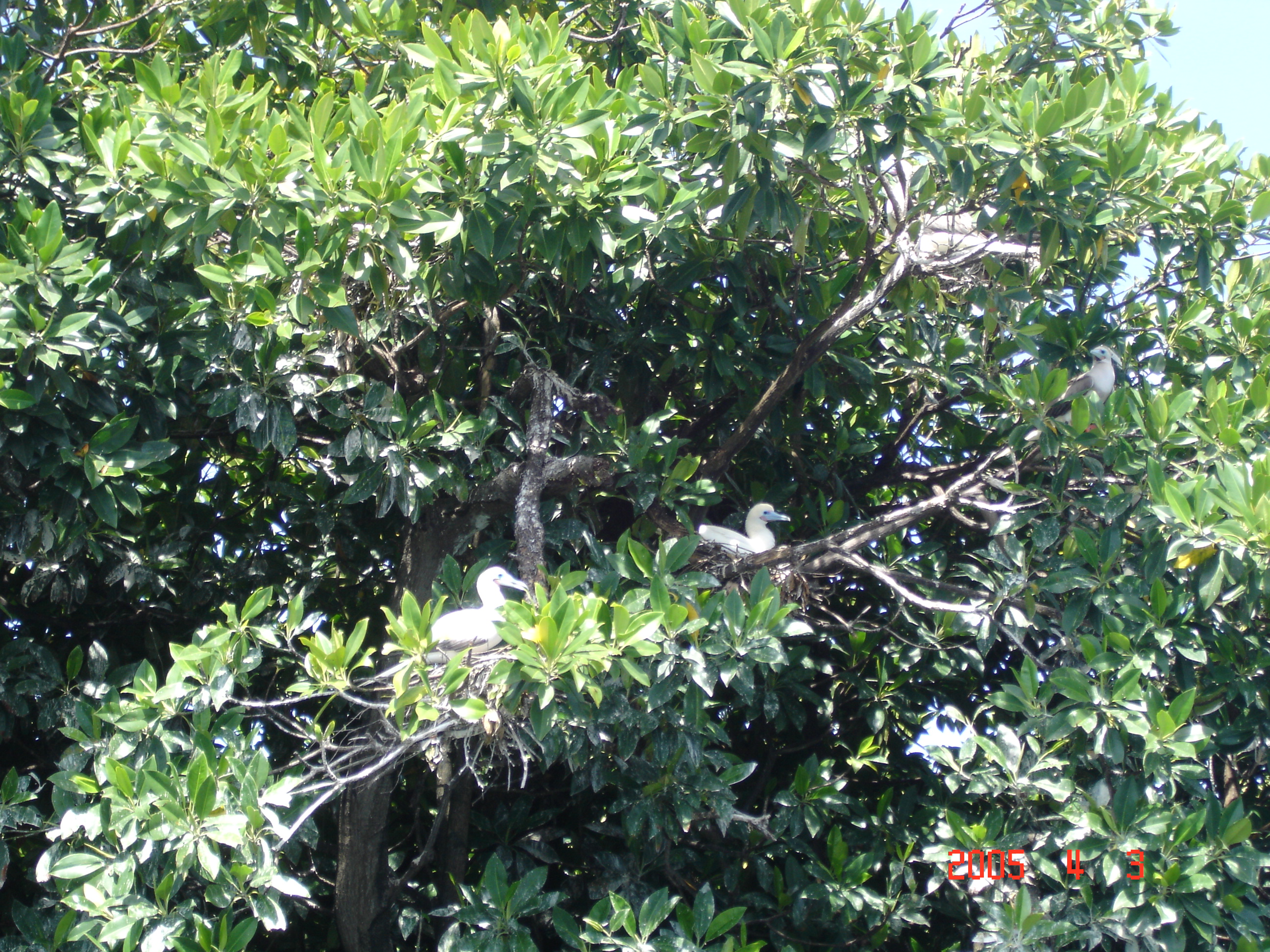
Lake Tegano defines the site. Spanning 170 square kilometres, it is the largest lake in the insular Pacific and a geological anomaly: a former marine lagoon that was enclosed and gradually raised above sea level, leaving behind a body of water that remains slightly brackish. The lake is dotted with more than 200 small islets and is home to the Rennell shrikebill (Clytorhynchus hamlini), a bird endemic to this island alone, as well as sea kraits — venomous marine snakes — that have adapted to the lake’s isolated environment over thousands of years. Birdwatchers working this site seriously should expect to add several Rennell endemics to their list; the island’s isolation has produced a degree of speciation unusual even by Pacific standards.
The surrounding forests are among the least disturbed lowland tropical forests in the Pacific Basin. Cyclone activity periodically reshapes the canopy — a major storm in 2015 caused significant damage — but the forest’s recovery capacity illustrates the ecological resilience that made it a World Heritage candidate in the first place. The Rennellese community of approximately 1,400 people occupies the island under a customary land tenure system that predates any modern state: there is no freehold title, no government land, and no resort infrastructure. Accommodation means staying with a local family. That arrangement is not a limitation — it is, for most visitors who reach this place, the defining part of the experience.
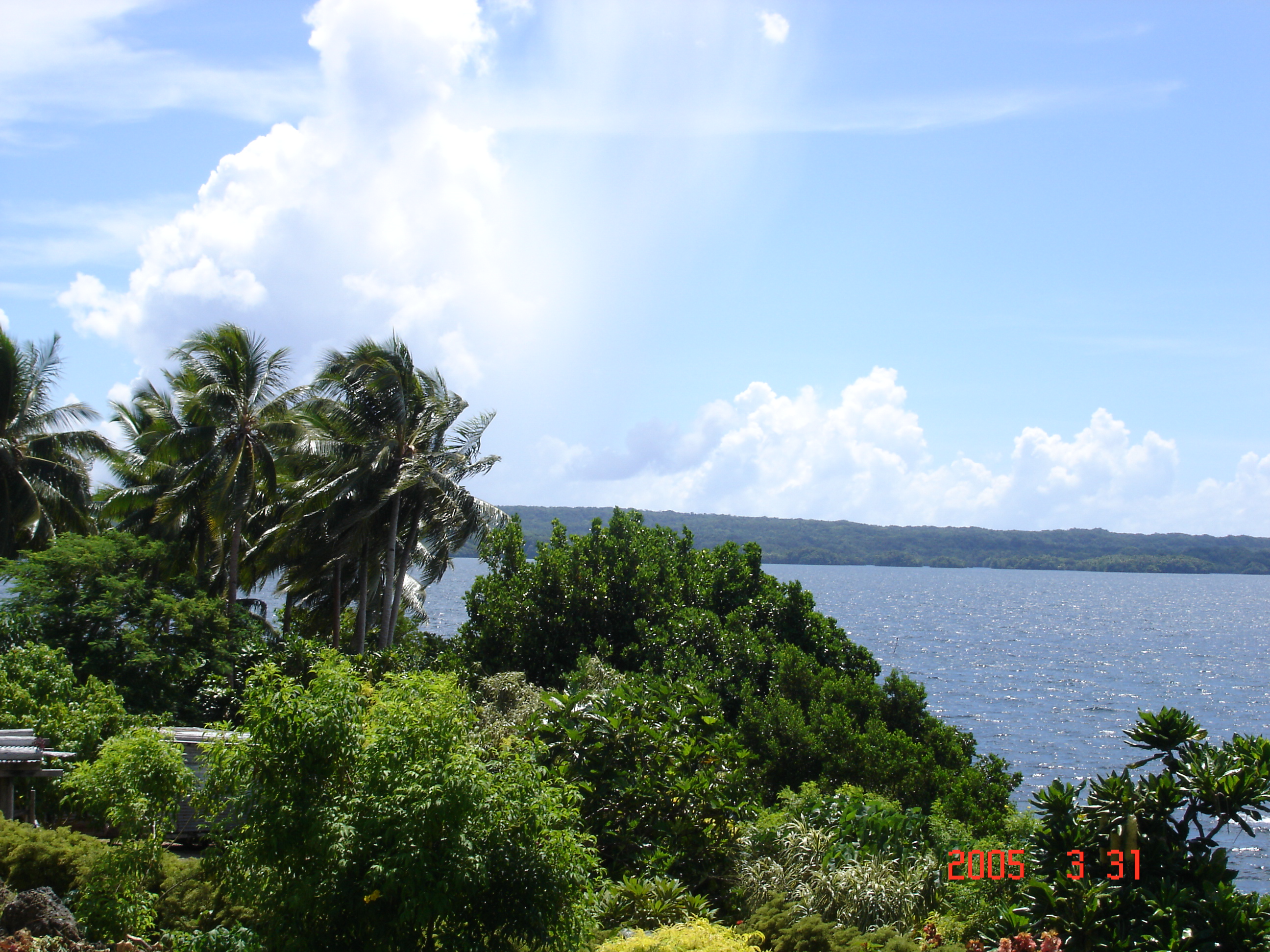
Getting there: Solomon Airlines operates scheduled domestic flights from Honiara (Henderson Airport) to Rennell (Tingoa Airport), typically once or twice per week; the flight takes approximately 30 minutes. There is no sea access — Rennell has no deep-water port. Onward travel from Tingoa to the lake area requires walking or local transport. Allow: A minimum of three nights on the island to reach Lake Tegano and spend meaningful time at the forest edge; five to seven nights is recommended. Best for: Ornithologists, ecologists, independent travellers with a tolerance for basic conditions, and anyone seeking a UNESCO site almost entirely free of other visitors.
Frequently Asked Questions
How many UNESCO World Heritage Sites are near Honiara?
The Solomon Islands has one UNESCO World Heritage Site: East Rennell, inscribed in 1998. It lies approximately 230 kilometres south of Honiara and is reached by a short domestic flight to Rennell Island. There are no other inscribed sites in the Solomon Islands or within practical day-trip distance of the capital.
How do I get from Honiara to East Rennell, and what does it cost?
Solomon Airlines operates domestic flights from Honiara’s Henderson Airport to Tingoa Airport on Rennell Island, typically one or two times per week. The flight takes around 30 minutes. There is no road, ferry, or boat connection — Rennell Island has no natural harbour suitable for scheduled services. Accommodation on the island is through community homestays arranged locally or via tour operators in Honiara; costs are modest but logistics require advance planning due to the limited flight frequency.
What is the best time of year to visit East Rennell and Lake Tegano?
The Solomon Islands has a wet season from November to April, with the risk of tropical cyclones highest between December and March. The dry season from May to October offers more reliable weather and better conditions for forest walks and lake exploration. Birdwatching is productive year-round, as most of the endemic species are resident rather than migratory. Visitors should be aware that even in the dry season the island receives significant rainfall and the terrain can be muddy.
Why is Lake Tegano considered ecologically significant?
Lake Tegano is the largest lake in the insular Pacific at 170 square kilometres and one of the world’s rare inland salt lakes formed by tectonic uplift of a marine lagoon. Its isolation over geological time has produced a distinctive fauna found nowhere else, including the Rennell shrikebill and sea kraits adapted to freshwater-brackish conditions. The combination of an intact surrounding forest, an unusual lacustrine ecosystem, and a human population that has managed the landscape through customary law rather than commercial exploitation makes the lake a reference site for Pacific ecology.
Sources
- S1 — Kirch, Patrick Vinton. On the Road of the Winds: An Archaeological History of the Pacific Islands. University of California Press, 2000. ISBN 978-0-520-22347-9.
- S2 — Moore, Clive. Happy Isles in Crisis: The Historical Causes for a Failing State. Asia Pacific Press, 2004. ISBN 978-0-7315-3709-9.
Spotted an error? Write to editorial@culturalheritageonline.com and we correct it the same day.