

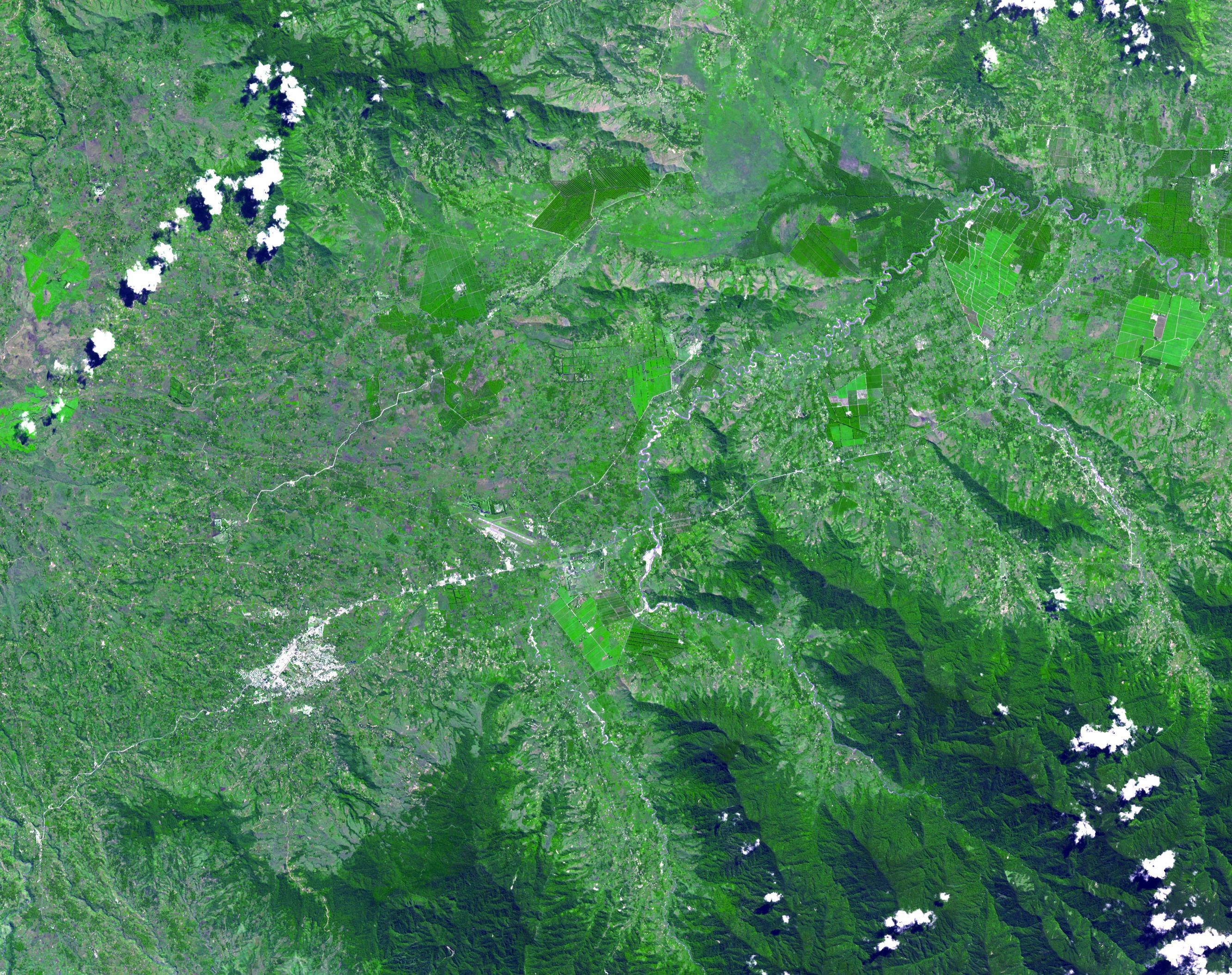
Papua New Guinea has one UNESCO World Heritage Site — the Kuk Early Agricultural Site in the Western Highlands, some 600 kilometres northwest of Port Moresby. Reaching it means a domestic flight to Mount Hagen, but the journey leads to one of the most consequential pieces of land in human history. From Cultural Heritage Online.
Kuk Early Agricultural Site 600 km · 1 hr domestic flight from Port Moresby to Mount Hagen, then ~30 min drive
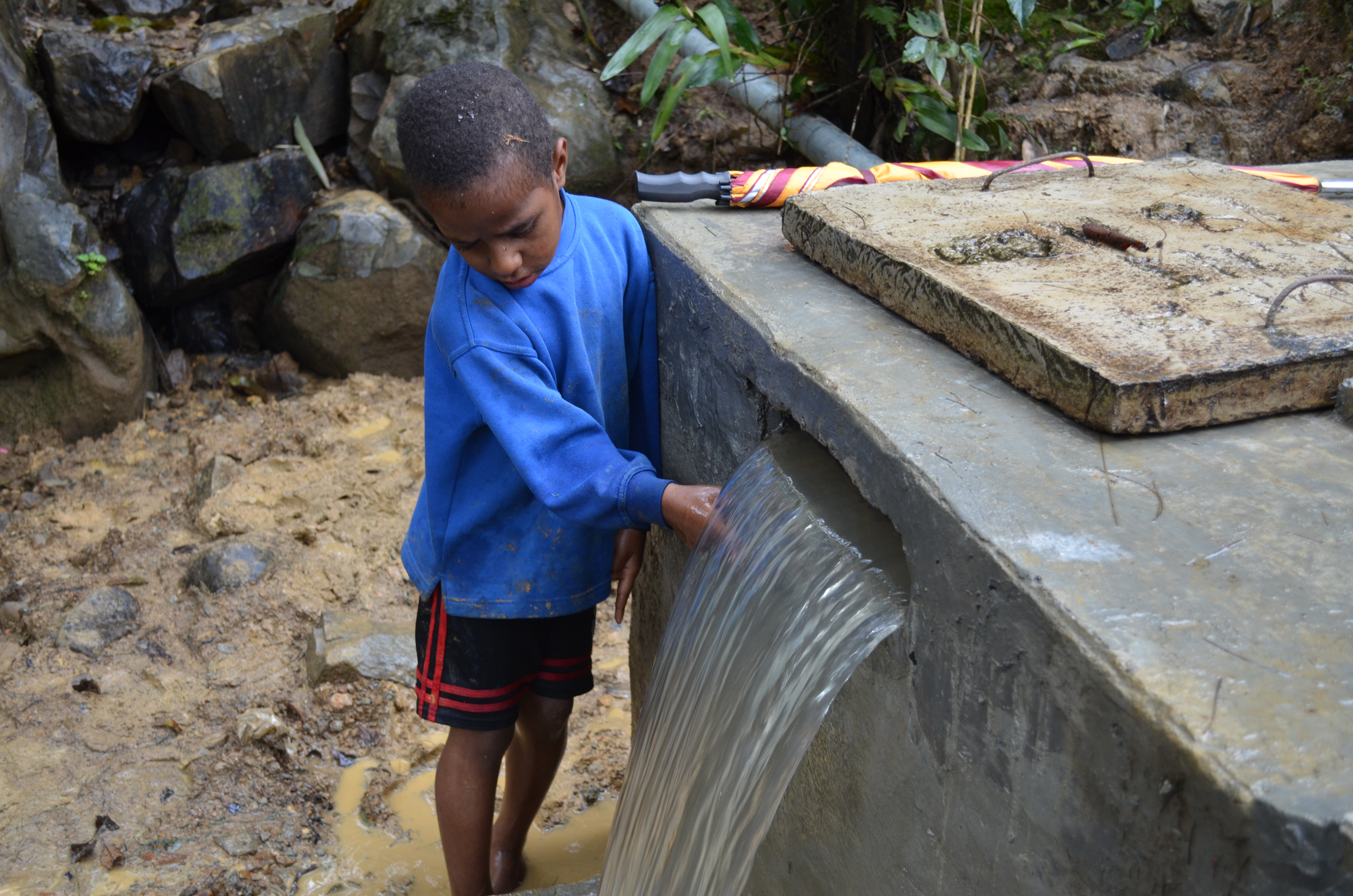
The Kuk Early Agricultural Site sits in a highland swamp at roughly 1,500 metres elevation, near the town of Kainantu in the upper Wahgi Valley. Inscribed as a UNESCO World Heritage Site in 2008, the 116-hectare landscape holds evidence of one of the most significant events in human prehistory: the independent invention of agriculture. Humanity developed food production in only a handful of locations — the Fertile Crescent, the Yellow River valley, the highlands of Mexico, the Andes, and, separately and completely independently, here in New Guinea.
What makes Kuk exceptional is both its antiquity and its continuity. Archaeological evidence documents six distinct phases of cultivation stretching back approximately 10,000 years. The earliest phase, dating to around 8000 BCE, shows early manipulation of banana and taro in a swamp environment — likely controlled management of wild plants before what we would conventionally call farming. By around 4000 BCE, Kuk’s inhabitants had engineered sophisticated drainage networks with stone-mulched mounds, a level of landscape engineering that implies coordinated labour, accumulated knowledge, and an agricultural system of considerable complexity. Elements of that channel-and-mound system remain faintly visible in the contemporary landscape.
The crops first domesticated in New Guinea — taro, banana, sugarcane, and yam — are now dietary staples for hundreds of millions of people across the Pacific, Asia, and Africa. None of that global dispersal began in the Fertile Crescent or in China. It began in swamps like Kuk. The site is managed by the Papua New Guinea National Museum and Art Gallery; access is possible with advance arrangement, and local guides from surrounding communities provide the essential context that turns a wetland into a legible archaeological record. The nearest base is Mount Hagen, a working highland city with hotels, restaurants, and the facilities required to plan a visit.
Getting there: Fly Port Moresby (POM) to Mount Hagen (HGU) with Air Niugini or PNG Air — flights depart most mornings and take around one hour. From Mount Hagen hire a vehicle or take a PMV (public motor vehicle) to the Kuk site, roughly 30 minutes east of town on the Highlands Highway. Confirm access arrangements with the National Museum before departure. Allow: A minimum of two days: one for the flight and arrival, one full day at the site and Western Highlands. Best for: Travellers with an interest in archaeology, anthropology, agricultural history, or Melanesian culture; those combining it with the Mount Hagen Cultural Show (held annually in August) get excellent value from the journey.
Frequently Asked Questions
How many UNESCO World Heritage Sites are near Port Moresby?
Papua New Guinea has one UNESCO World Heritage Site in total: the Kuk Early Agricultural Site, inscribed in 2008. It is located in the Western Highlands, approximately 600 kilometres northwest of Port Moresby, and is not accessible by road from the capital — the standard approach is a domestic flight to Mount Hagen followed by a short overland transfer.
How do I get from Port Moresby to Kuk Early Agricultural Site?
Fly from Jacksons International Airport (POM) in Port Moresby to Mount Hagen Airport (HGU) with Air Niugini or PNG Air; flight time is approximately one hour. From Mount Hagen, the site is around 30 minutes by road along the Highlands Highway. Visits should be arranged in advance through the Papua New Guinea National Museum and Art Gallery, as the site is not a conventional open-access tourist attraction.
When is the best time to visit Mount Hagen and the Kuk site?
The Western Highlands have a relatively temperate highland climate year-round, with cooler temperatures than Port Moresby. The dry season (June–September) generally offers more reliable conditions for travel on highland roads. August is particularly worthwhile for visitors who can combine a Kuk visit with the Mount Hagen Cultural Show, an annual gathering of hundreds of tribal groups that is one of the largest cultural events in the Pacific.
Why is the Kuk Early Agricultural Site historically significant?
Kuk provides physical evidence that agriculture was independently invented in New Guinea — separately from, and in some phases contemporaneously with, the agricultural revolutions in the Fertile Crescent and China. The site documents continuous cultivation over approximately 10,000 years, from early management of banana and taro in wetland environments through to engineered drainage systems and mounded gardens. Crops first domesticated at sites like Kuk, including taro, banana, sugarcane, and yam, subsequently spread across the Pacific and became staple foods for hundreds of millions of people. For that reason, the site carries global rather than merely regional significance.
Sources
- S1 — Golson, Jack, et al., eds. Ten Thousand Years of Cultivation at Kuk Swamp. ANU Press, 2017. ISBN 978-1-76046-115-7.
- S2 — Kirch, Patrick Vinton. On the Road of the Winds. University of California Press, 2000. ISBN 978-0-520-22347-9.
Spotted an error? Write to editorial@culturalheritageonline.com and we correct it the same day.


_(2).jpg)