Itineraries

UNESCO Heritage Sites Near Merv, Turkmenistan

UNESCO Heritage Sites Near Merv, Turkmenistan

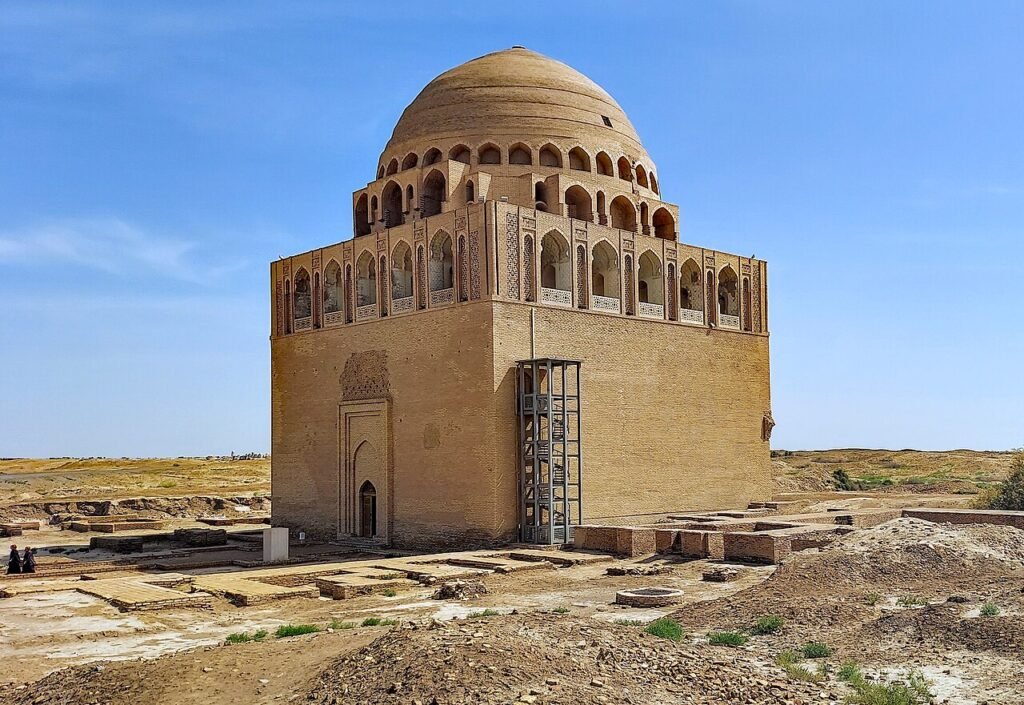
Ancient Merv (inscribed 1999) is Central Asia’s greatest Silk Road site: 4,000 years of superimposed cities (Bronze Age to Mongol) on the Murghab oasis of Turkmenistan — the Seljuk Sultan Sanjar Mausoleum (1157 CE, double-shell dome, 38m) stands alone on what was once the largest city in the medieval world (pop. 200,000–500,000), destroyed by the Mongols in 1221 CE.
UNESCO Heritage Sites Near Şanlıurfa, Turkey

UNESCO Heritage Sites Near Şanlıurfa, Turkey

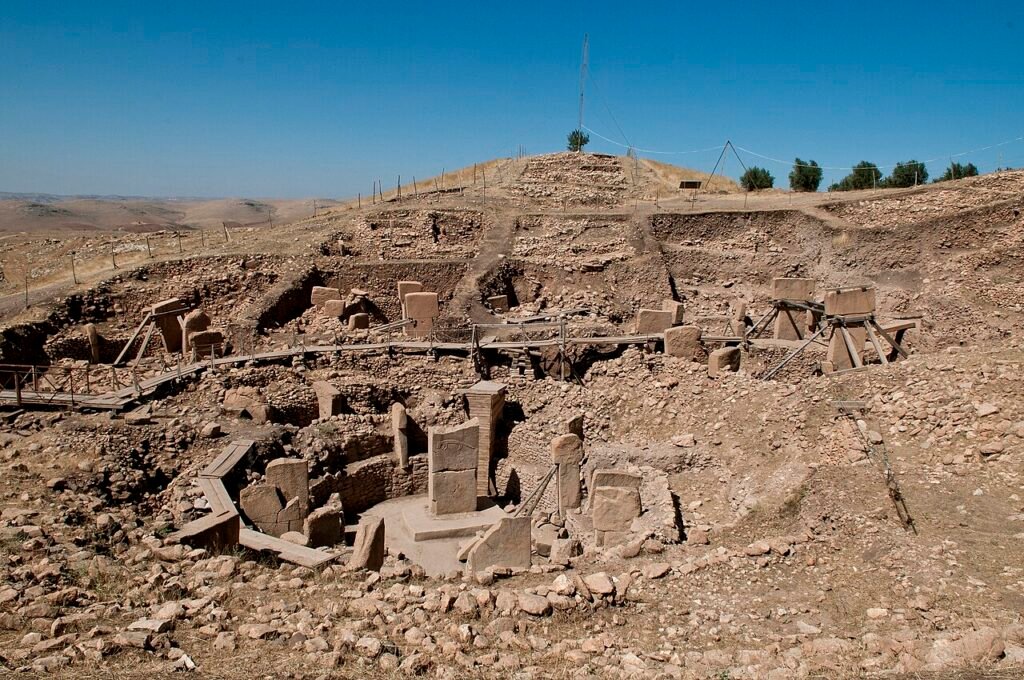
Göbekli Tepe (inscribed 2018) is the world’s oldest ritual complex: T-shaped limestone megaliths (9,500 BCE) with carved foxes, boars, and vultures in circular enclosures on a hilltop in southeastern Turkey — built by hunter-gatherers 7,000 years before Stonehenge. The Şanlıurfa Museum displays the Urfa Man (9,000 BCE), the world’s oldest life-sized human sculpture, found here. Harran’s ancient university is 44 km south.

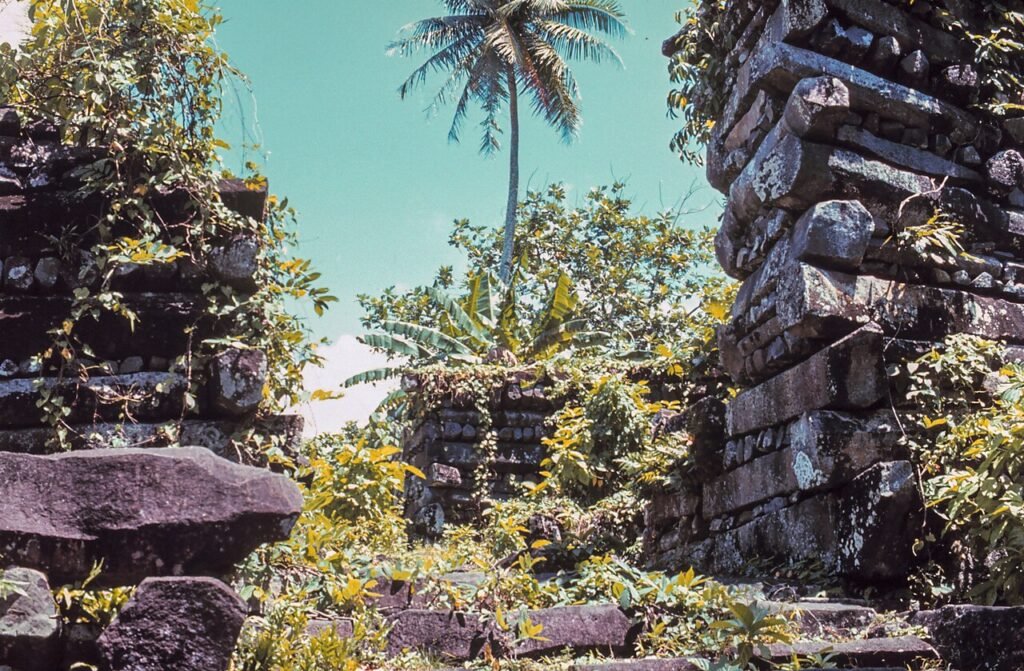
Nan Madol UNESCO Heritage Site Micronesia

Nan Madol UNESCO Heritage Site Micronesia

Nan Madol (inscribed 2016, In Danger) is the only ancient city built on a coral reef: 92 artificial islets of interlocking basalt prisms (950,000 tonnes total) in the tidal flat of Pohnpei, Micronesia — the ceremonial capital of the Saudeleur dynasty (c. 1100–1628 CE). Nandauwas royal tomb has 20m walls of basalt logs, no mortar. One of the wettest and most remote UNESCO sites on Earth.

UNESCO Heritage Sites Near Sacred City of Caral

UNESCO Heritage Sites Near Sacred City of Caral

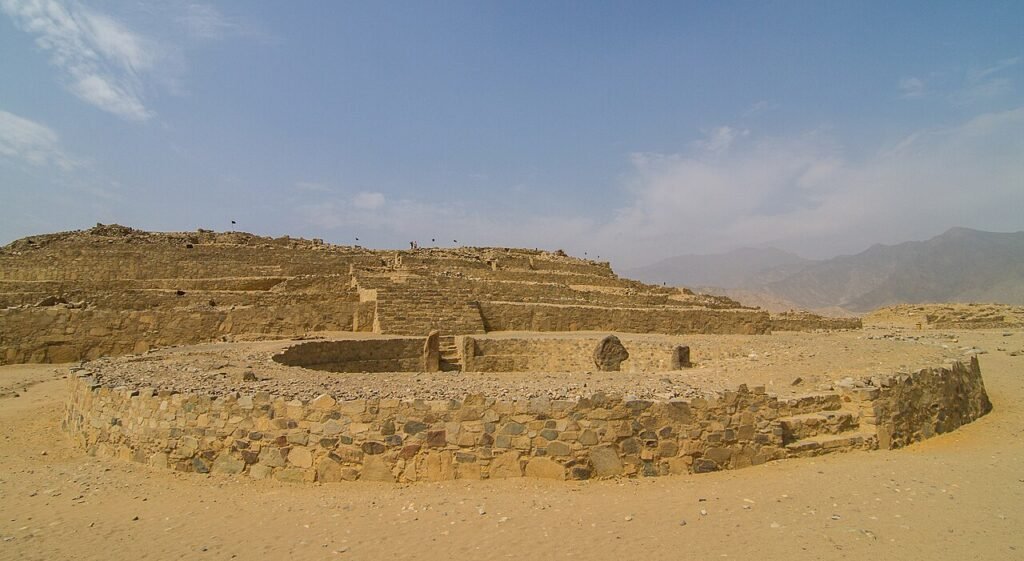
Caral-Supe (inscribed 2009) is the oldest city in the Americas: the capital of the Norte Chico civilization (c. 2600 BCE), contemporaneous with the pyramids of Giza, with 6 platform mounds (the Pirámide Mayor: 154×138×18m), sunken circular plazas, and no pottery or weapons. Chan Chan (Chimu adobe city, inscribed 1986, In Danger), the largest pre-Columbian city, is 380 km north.

UNESCO Heritage Sites Near Kars and Ani, Turkey

UNESCO Heritage Sites Near Kars and Ani, Turkey

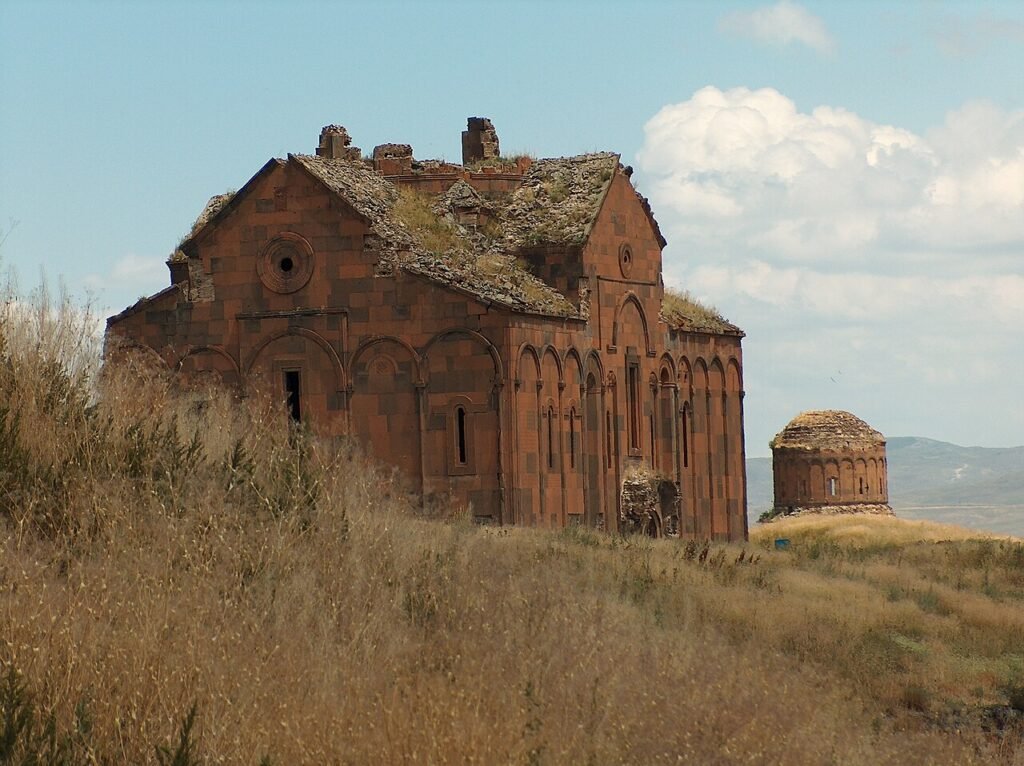
Ani (inscribed 2016) is the ruined medieval capital of the Bagratid Armenian Kingdom (961–1064 CE) on Turkey’s Armenian border: the Cathedral of Ani (1001 CE, architect Tiridates — who also repaired Hagia Sophia’s dome), the Church of the Redeemer split by lightning, and the Church of St. Gregory with the finest surviving medieval Armenian frescoes. Kars, the Russian tsarist garrison town, is the base.

UNESCO Heritage Sites Near Lake Ohrid, Macedonia

UNESCO Heritage Sites Near Lake Ohrid, Macedonia

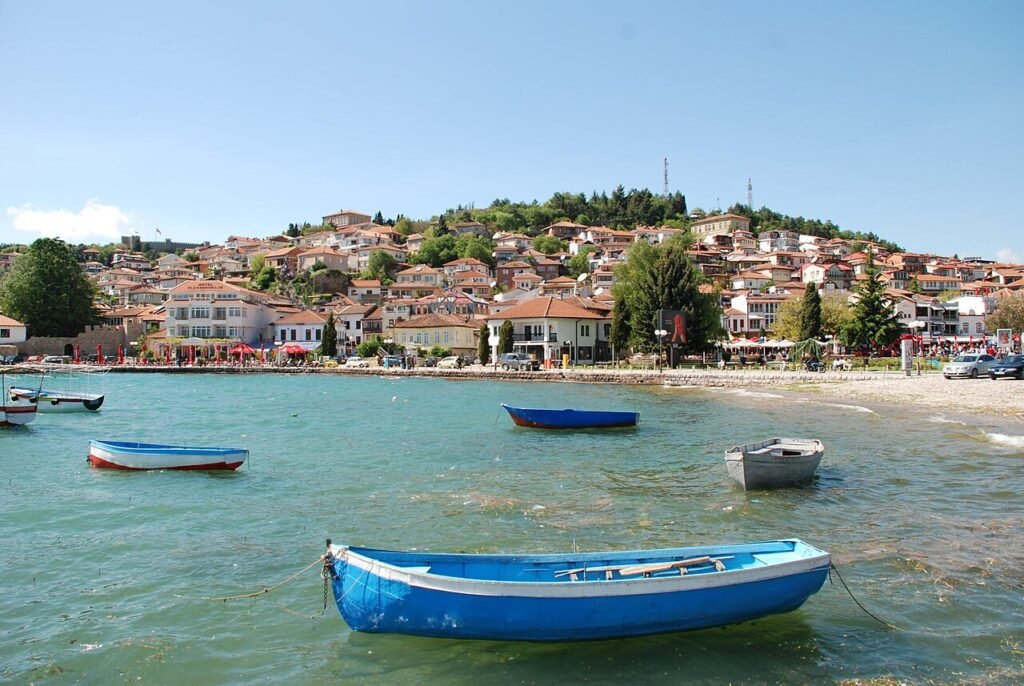
Ohrid (inscribed 1979/1980) is the most important Byzantine city in North Macedonia: 365 churches tradition, the birthplace of the Cyrillic alphabet (Clement of Ohrid’s Literary School, 886 CE), and Tsar Samuel’s 10th-century fortress above ancient Lake Ohrid — one of the world’s oldest lakes (1–3 million years, 200+ endemic species), shared with Albania and extended in 2019.

UNESCO Heritage Sites Near Valparaíso, Chile

UNESCO Heritage Sites Near Valparaíso, Chile

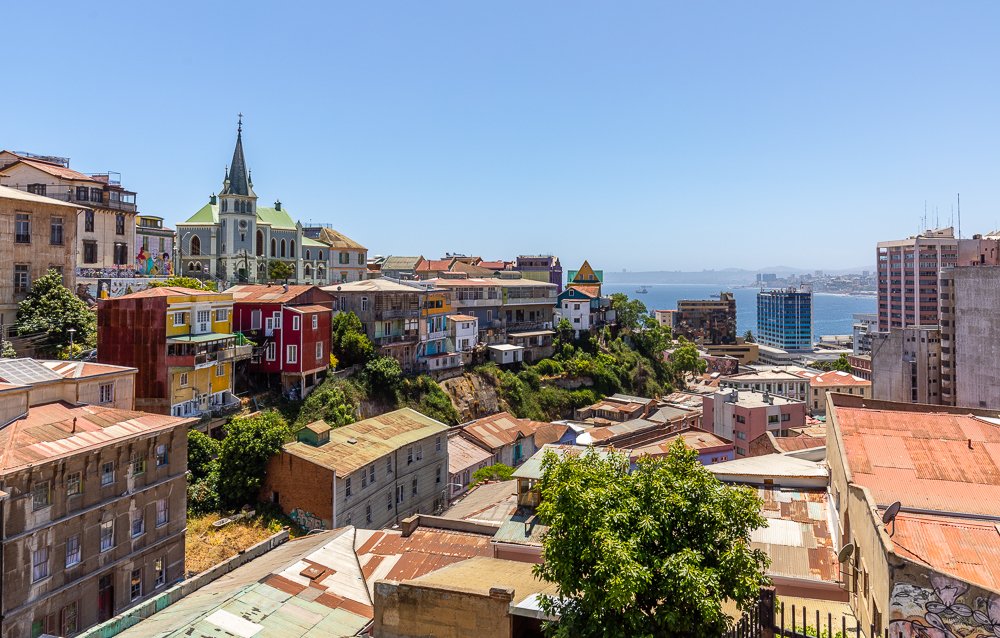
Valparaíso’s Historic Quarter (inscribed 2003) is the most complete surviving Pacific coast port city from the Cape Horn maritime era (1850–1914): 42 named cerros (hills), 30 funicular railways (ascensores), Victorian corrugated-iron painted facades, and the densest street art concentration in South America. Pablo Neruda’s La Sebastiana house is on Cerro Florida.

UNESCO Heritage Sites Near Harar Jugol, Ethiopia

UNESCO Heritage Sites Near Harar Jugol, Ethiopia

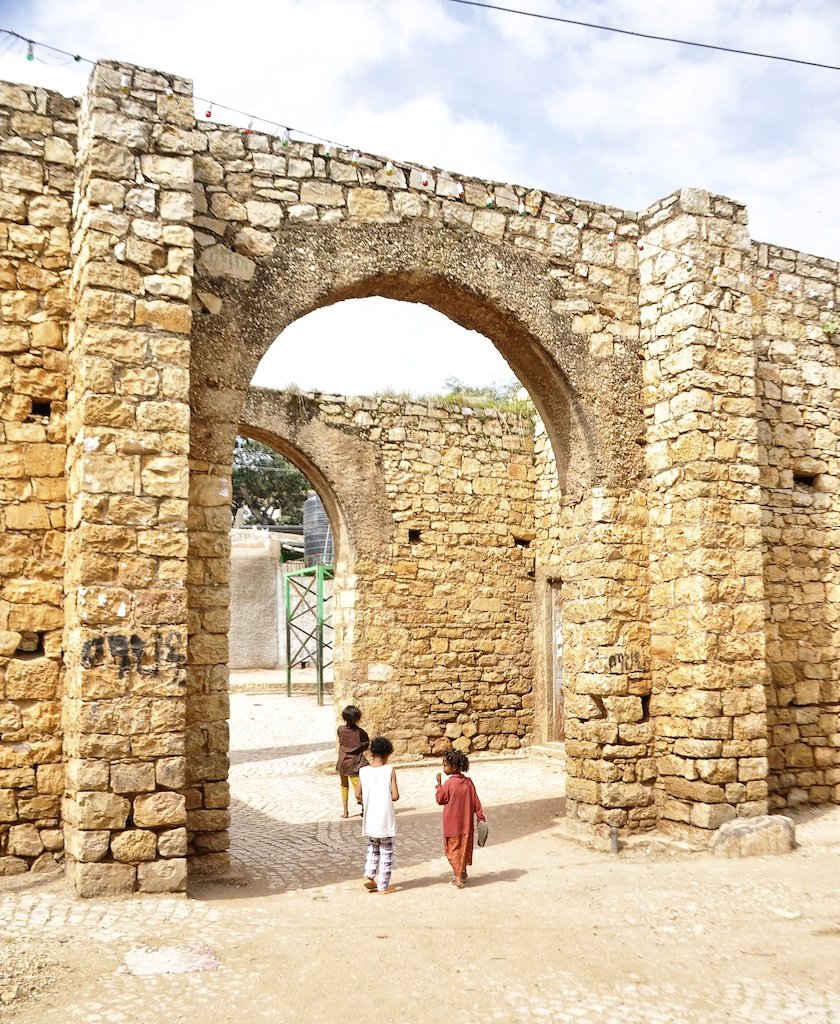
Harar Jugol (inscribed 2006) is sub-Saharan Africa’s most important Islamic city: 82 mosques and 102 shrines within 48 hectares — the highest mosque density in the world — plus the Arthur Rimbaud trading house and the nightly hyena-feeding ritual outside the 1551 Jugol wall. Ethiopia’s Lucy fossil site (Awash Valley, inscribed 1980) is accessible 200 km northwest.

UNESCO Heritage Sites Near Djenné, Mali

UNESCO Heritage Sites Near Djenné, Mali

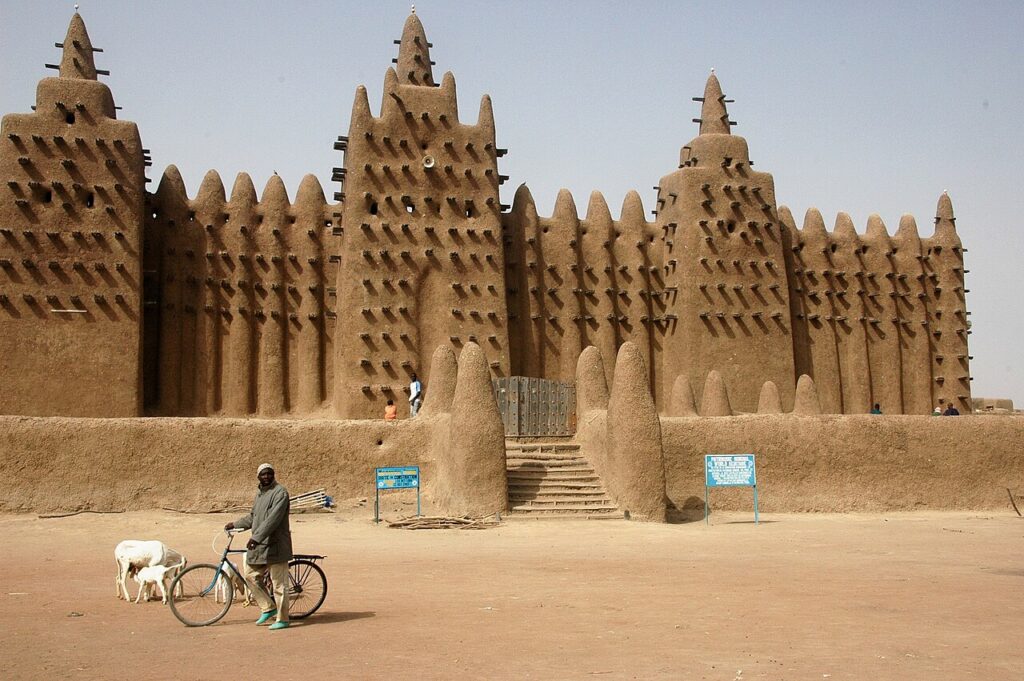
Djenné in central Mali is home to the world’s largest mud-brick building — its Great Mosque, rebuilt in 1907 in a tradition reaching back to the 13th century — and to Djenné-Djenno, an archaeological site occupied from 250 BCE that proved West African urbanism predates Arab contact by a thousand years. UNESCO inscribed the Old Towns of Djenné in 1988.

Scroll to Top