

UNESCO World Heritage Sites in Argentina: Guide
Argentina has 12 UNESCO World Heritage Sites, spanning roaring subtropical waterfalls and creaking Patagonian glaciers, ancient rock-art shelters and…
Argentina has 12 UNESCO World Heritage Sites, spanning roaring subtropical waterfalls and creaking Patagonian glaciers, ancient rock-art shelters and…
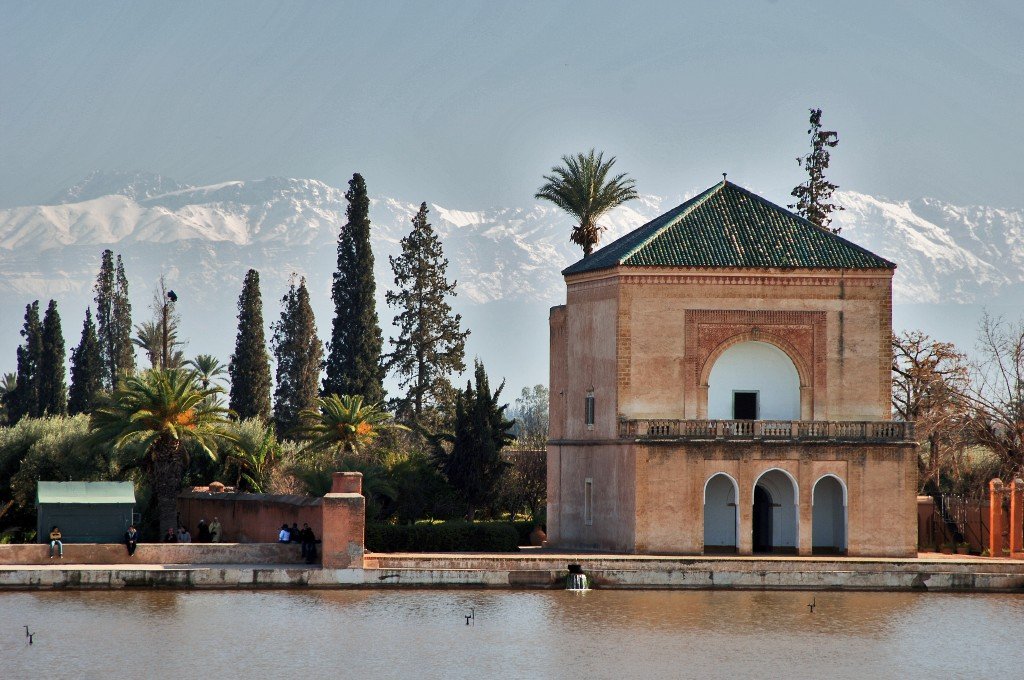
Morocco holds nine UNESCO World Heritage Sites — all cultural — ranging from the medieval labyrinth of Fez to Roman Volubilis, Portuguese-built El Jadida, and the layered capital Rabat, inscribed in 2012.
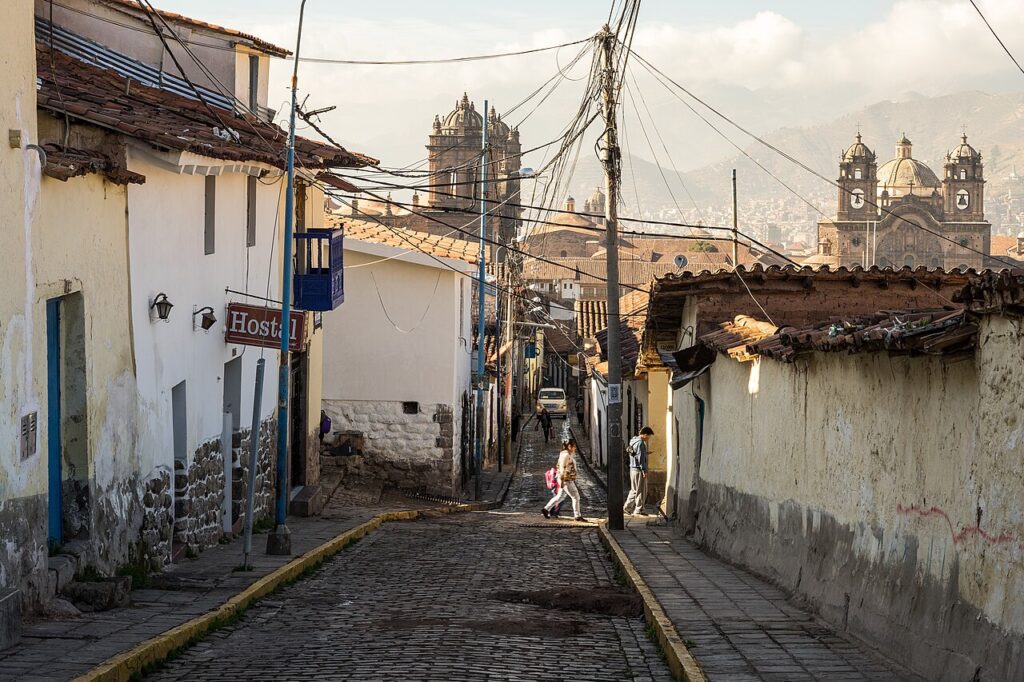
Peru’s 13 UNESCO World Heritage Sites span Inca cities, pre-Columbian desert calendars, cloud-forest citadels, and Amazonian parks — a complete guide from Cultural Heritage Online.
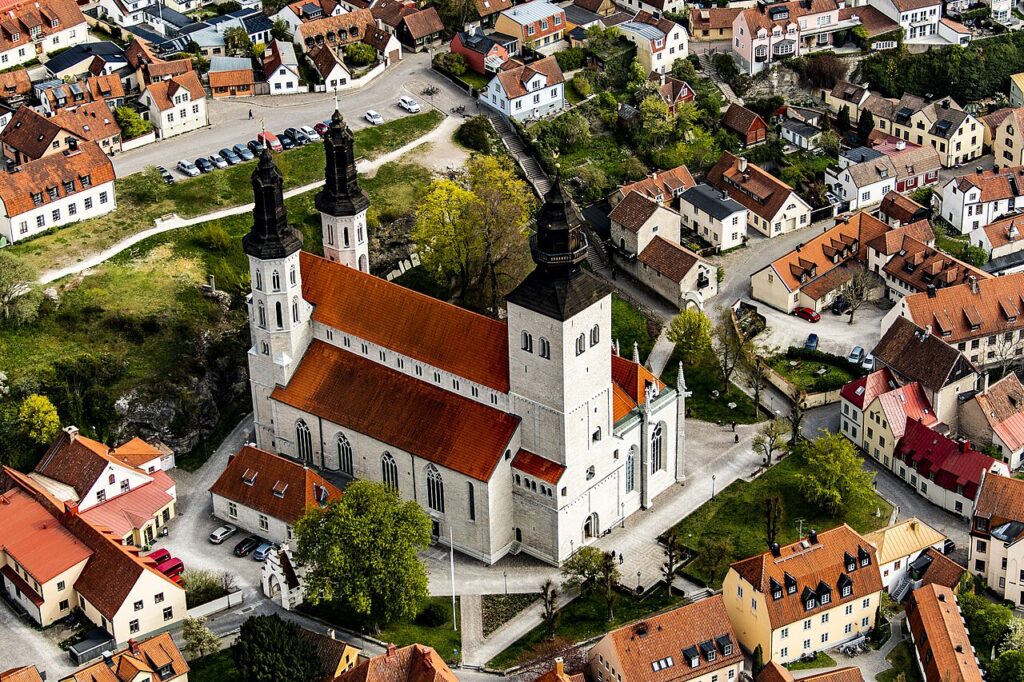
Sweden holds fifteen UNESCO World Heritage Sites — from Bronze Age rock carvings in Tanum and a medieval walled Hanseatic town on Gotland to subarctic Sami landscapes and a still-operational 1920s radio station.
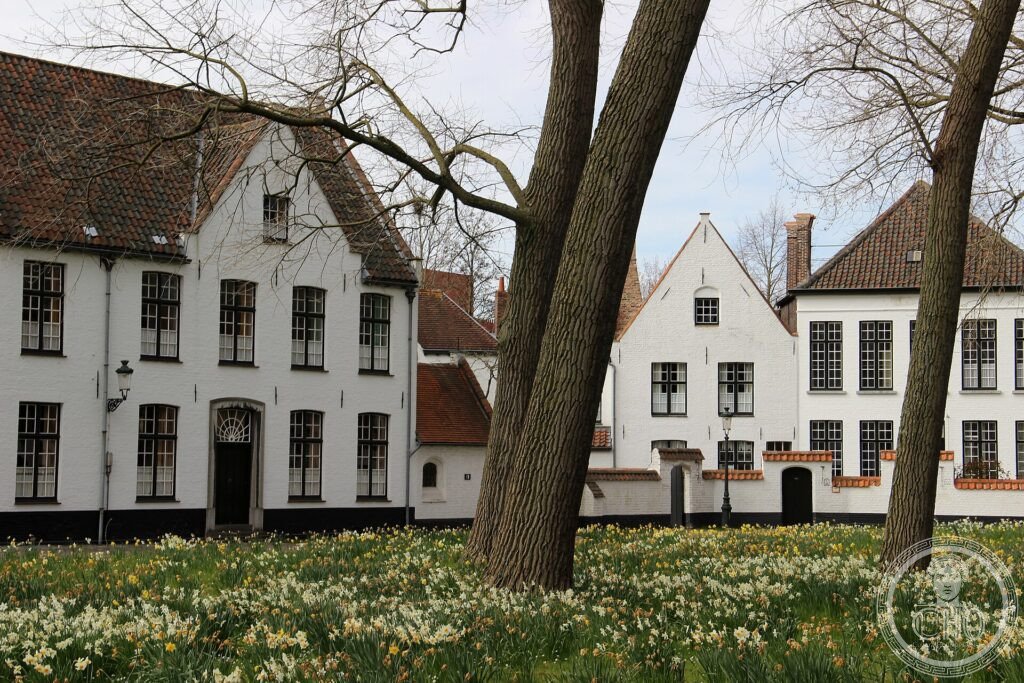
Belgium’s 16 UNESCO World Heritage Sites range from medieval beguine convents and Baroque market squares to a primeval beech forest and the cemeteries of the Western Front — a compact list that spans more than six thousand years of human presence.
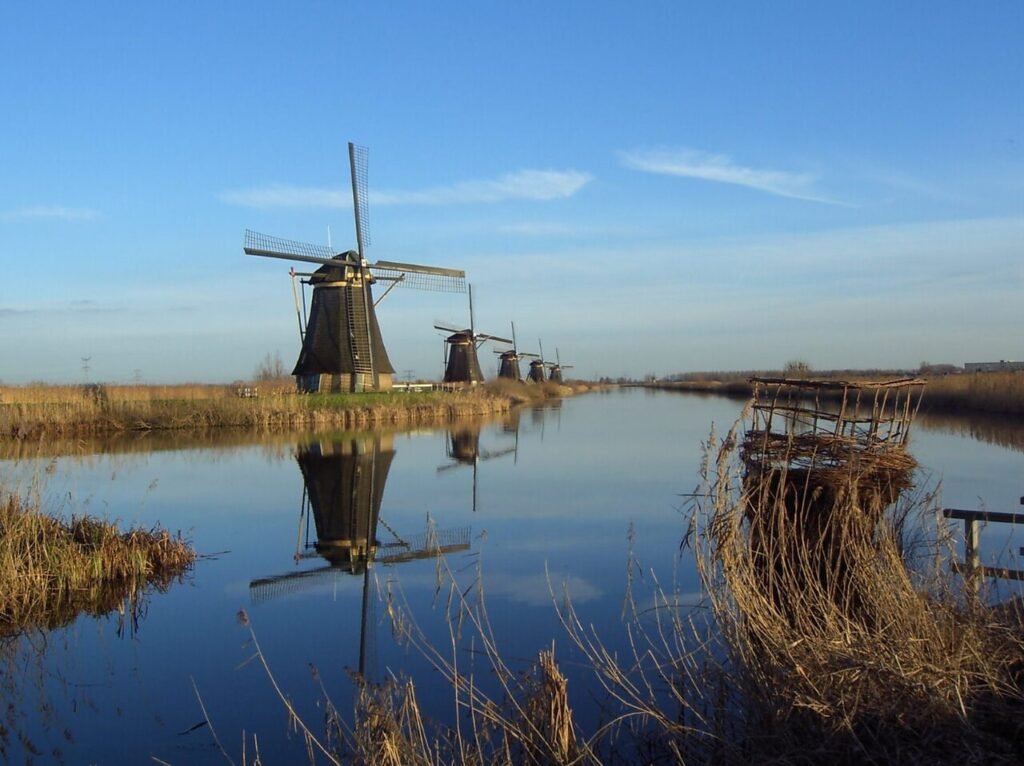
The Netherlands has 13 UNESCO World Heritage Sites — from windmill networks and 17th-century canal rings to a working 18th-century planetarium and the vast Wadden Sea — all shaped by centuries of human ingenuity against water.
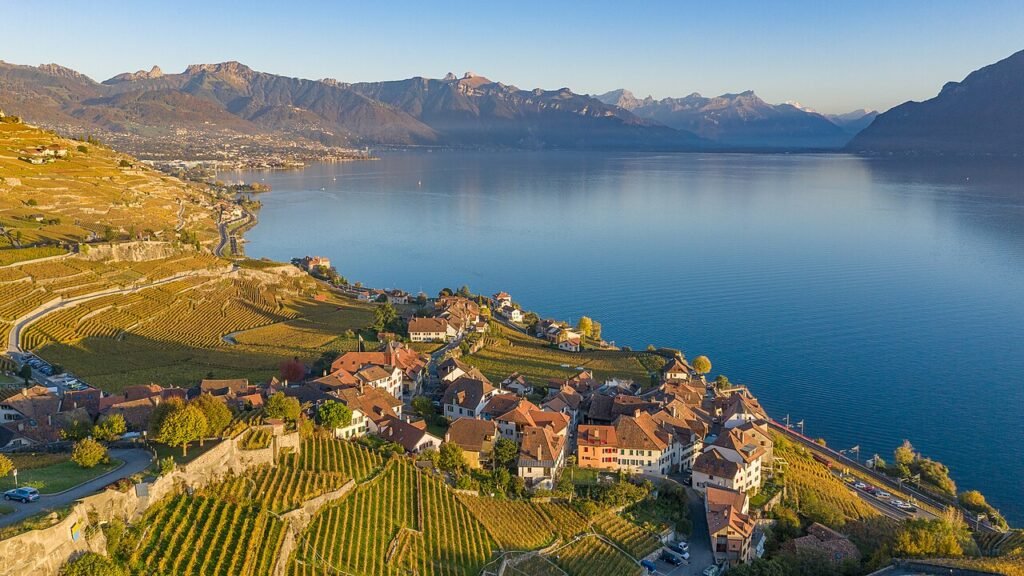
Switzerland’s 13 UNESCO World Heritage Sites span Carolingian abbeys, precision-engineered railway lines, glacier-carved alpine massifs, and one of the world’s richest Triassic fossil records.

Austria’s 12 UNESCO World Heritage Sites span Habsburg palaces, a pioneering mountain railway, a Bronze Age salt-mining lake district, Roman Danube frontier fortifications, and primeval beech forests shared across seventeen European countries.
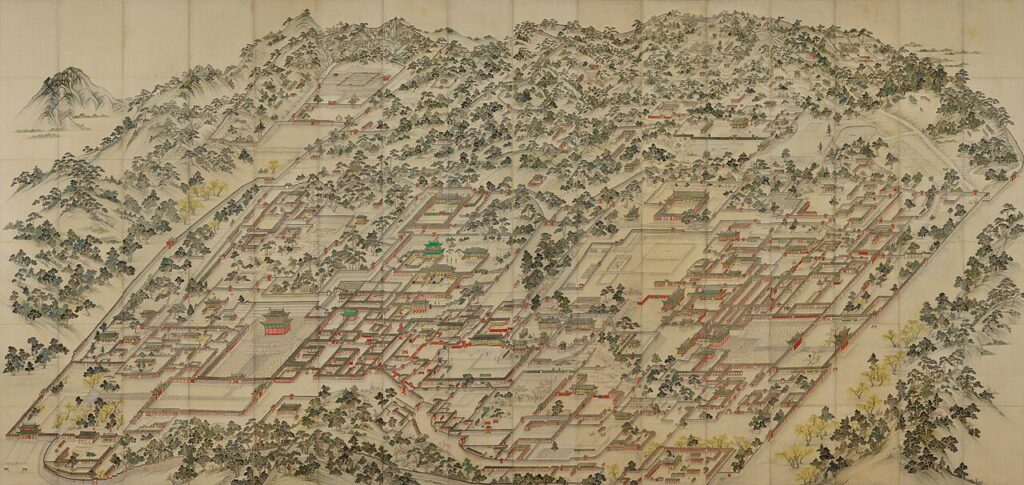
South Korea’s 17 UNESCO World Heritage Sites span 8th-century Buddhist grottoes, living Confucian shrines, a fortress-capital, two natural sites, and a 2025 prehistoric petroglyph inscription along the Bangucheon Stream.