Heritage

UNESCO World Heritage Sites Near Tràng An: Vietnam’s Drowned Karst Landscape, 30,000-Year-Old Hoabinhian Caves and the 10th-Century Capital of Hoa Lu

UNESCO World Heritage Sites Near Tràng An: Vietnam’s Drowned Karst Landscape, 30,000-Year-Old Hoabinhian Caves and the 10th-Century Capital of Hoa Lu

Tràng An Scenic Landscape Complex in Ninh Binh Province, Vietnam — one of UNESCO’s rare mixed Cultural and Natural World Heritage Sites (2014) — combines a drowned limestone karst landscape, 30,000 years of archaeological evidence and the remains of Vietnam’s first independent medieval capital at Hoa Lu, all explored by flat-bottomed boat through 47 cave passages.
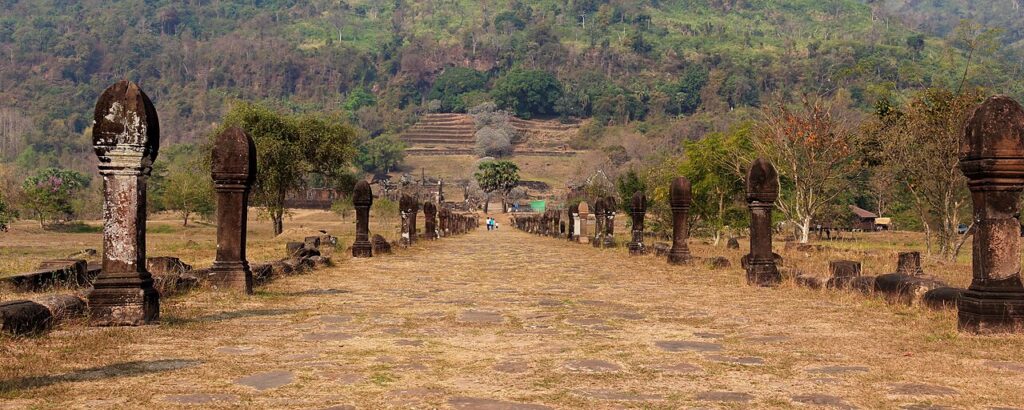
UNESCO World Heritage Sites Near Vat Phou: The Pre-Angkor Khmer Temple on Laos’s Sacred Mountain, a 6-Kilometre Ceremonial Causeway and 1,500 Years of Continuous Worship

UNESCO World Heritage Sites Near Vat Phou: The Pre-Angkor Khmer Temple on Laos’s Sacred Mountain, a 6-Kilometre Ceremonial Causeway and 1,500 Years of Continuous Worship

Vat Phou, on the slopes of sacred Phou Kao mountain in southern Laos, is one of the oldest surviving Khmer temple complexes — predating Angkor Wat by several centuries. Its UNESCO-inscribed cultural landscape encompasses a 6-kilometre ceremonial axis from the Mekong to the summit sanctuary, two ancient reservoirs, and the probable ruins of a 5th-century Chenla kingdom capital at the mountain’s base. It remains an active pilgrimage site, drawing thousands to the annual Makha Bucha festival each February.

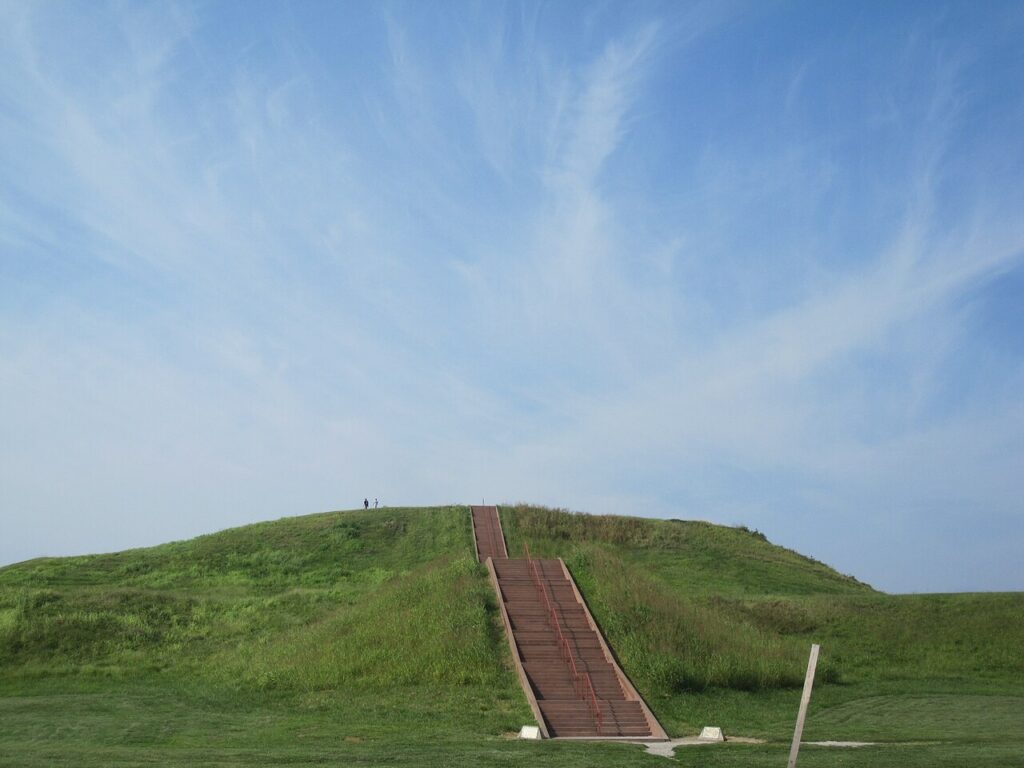
UNESCO World Heritage Sites Near Cahokia: North America’s Largest Pre-Columbian City, a Mound Base Bigger Than the Great Pyramid and 20,000 Inhabitants in 1100 CE

UNESCO World Heritage Sites Near Cahokia: North America’s Largest Pre-Columbian City, a Mound Base Bigger Than the Great Pyramid and 20,000 Inhabitants in 1100 CE

Cahokia, near Collinsville, Illinois, was the largest city in pre-Columbian North America, built by the Mississippian culture between 900 and 1200 CE with a central earthen mound larger in base area than the Great Pyramid of Giza. A UNESCO World Heritage Site since 1982, it includes Monks Mound, a reconstructed solar calendar (Woodhenge), and evidence of a complex society with long-distance trade, astronomical knowledge and monumental civic architecture — all created without metal tools or written records.

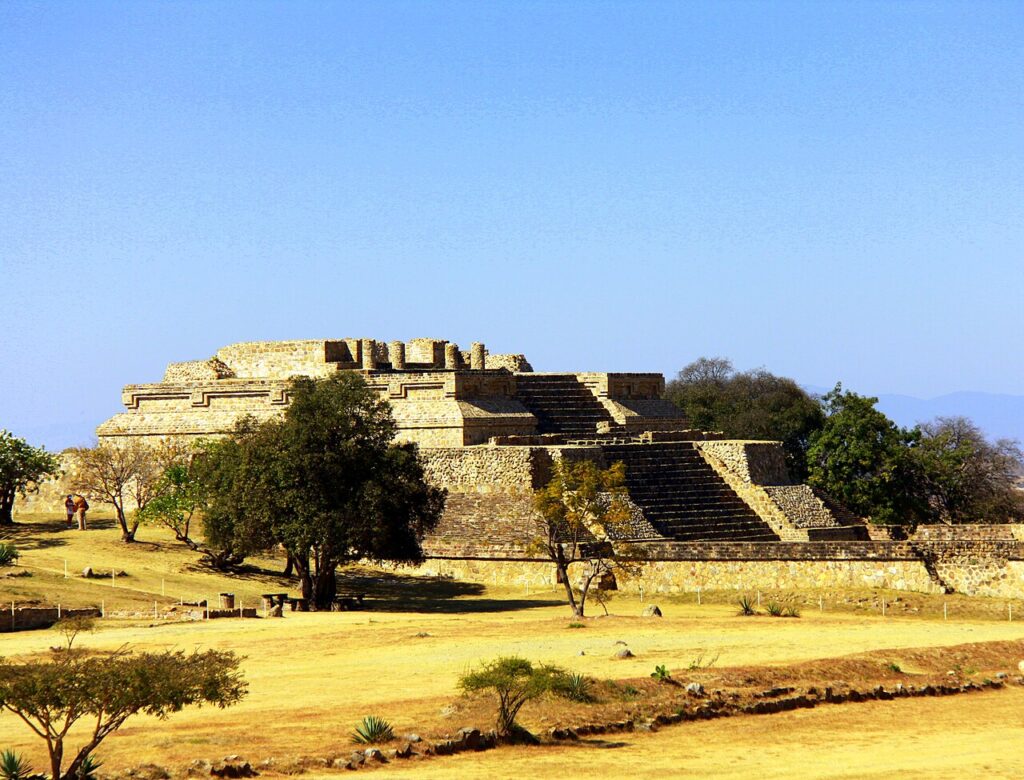
UNESCO World Heritage Sites Near Monte Albán: Mesoamerica’s Oldest City, the Zapotec Capital 400 Metres Above the Oaxaca Valley and 300 Carved Stone Captives (500 BCE)

UNESCO World Heritage Sites Near Monte Albán: Mesoamerica’s Oldest City, the Zapotec Capital 400 Metres Above the Oaxaca Valley and 300 Carved Stone Captives (500 BCE)

Monte Albán, perched on an artificially leveled mountaintop 400 metres above the Valley of Oaxaca, was the capital of the Zapotec civilisation from 500 BCE to 700 CE and one of the first cities in the Americas. Its Great Plaza, arrow-shaped Observatory, carved Danzante slabs and over 200 tomb chambers document a culture with writing, advanced astronomy and monumental architecture centuries before the better-known Aztec and Maya reached their peak.

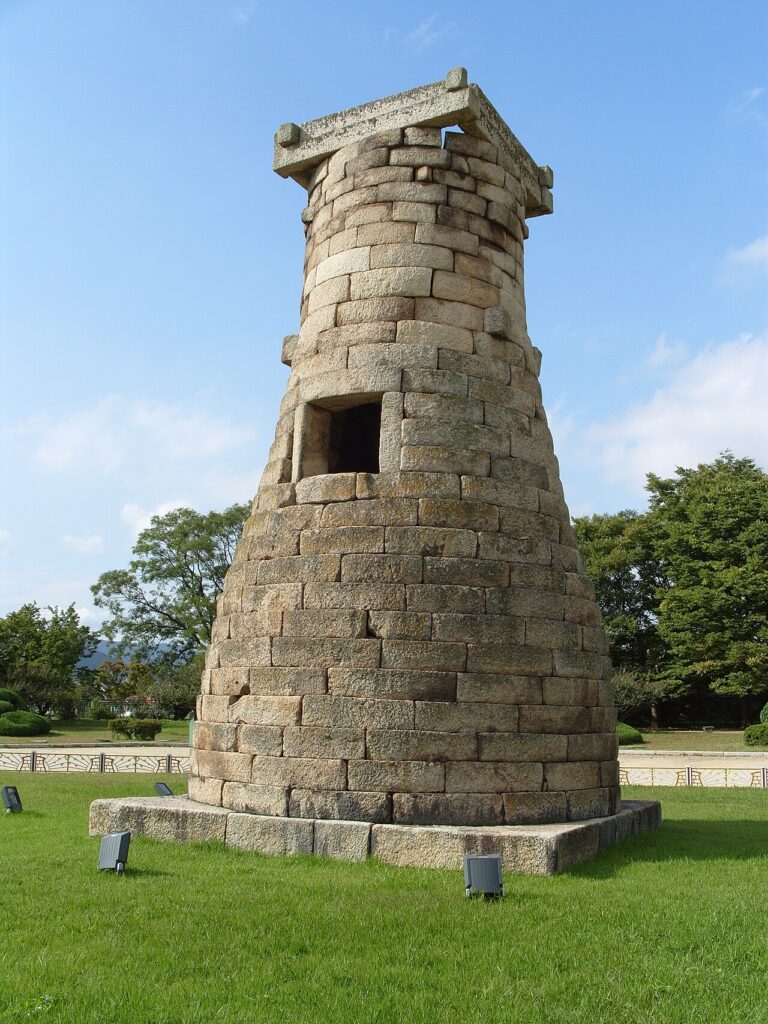
UNESCO World Heritage Sites Near Gyeongju: A Thousand-Year Silla Capital, East Asia’s Oldest Observatory (632 CE) and Korea’s Golden Age of Buddhist Art

UNESCO World Heritage Sites Near Gyeongju: A Thousand-Year Silla Capital, East Asia’s Oldest Observatory (632 CE) and Korea’s Golden Age of Buddhist Art

The Gyeongju Historic Areas preserve the capital of the Silla Kingdom across five distinct urban districts including royal burial mounds, an intact astronomical observatory from 632 CE and two of Korea’s finest Buddhist monuments at Bulguksa Temple and Seokguram Grotto. Reachable in two hours from Seoul by high-speed train, Gyeongju offers one of the most concentrated and varied UNESCO heritage experiences in East Asia.

UNESCO World Heritage Sites Near Leptis Magna: Emperor Septimius Severus’s Marble Hometown, the Most Complete Roman Theatre in Africa and the Severan Forum (200 CE)

UNESCO World Heritage Sites Near Leptis Magna: Emperor Septimius Severus’s Marble Hometown, the Most Complete Roman Theatre in Africa and the Severan Forum (200 CE)

Leptis Magna, UNESCO-inscribed in 1982, is one of the Roman world’s best-preserved cities — the birthplace of Emperor Septimius Severus, who transformed it with the Severan Forum, the great Basilica, and a monumental triumphal arch. Buried under Saharan sand for centuries, its theatres, baths and colonnaded streets survive in extraordinary condition, though Libya’s political situation currently limits access.

UNESCO World Heritage Sites Near Robben Island: Nelson Mandela’s 18-Year Prison Cell, the Lime Quarry and Cape Town’s Symbol of Apartheid’s Fall

UNESCO World Heritage Sites Near Robben Island: Nelson Mandela’s 18-Year Prison Cell, the Lime Quarry and Cape Town’s Symbol of Apartheid’s Fall

Robben Island (UNESCO 1999), located seven kilometres from Cape Town in Table Bay, held Nelson Mandela for 18 of his 27 prison years and hundreds of other anti-apartheid activists in its maximum-security political prison from 1961 to 1991. The site’s guided tours are led by former political prisoners, and the island’s earlier history as a leper colony and colonial place of banishment extends its significance across four centuries. Ferries depart from the V&A Waterfront and advance booking is essential.

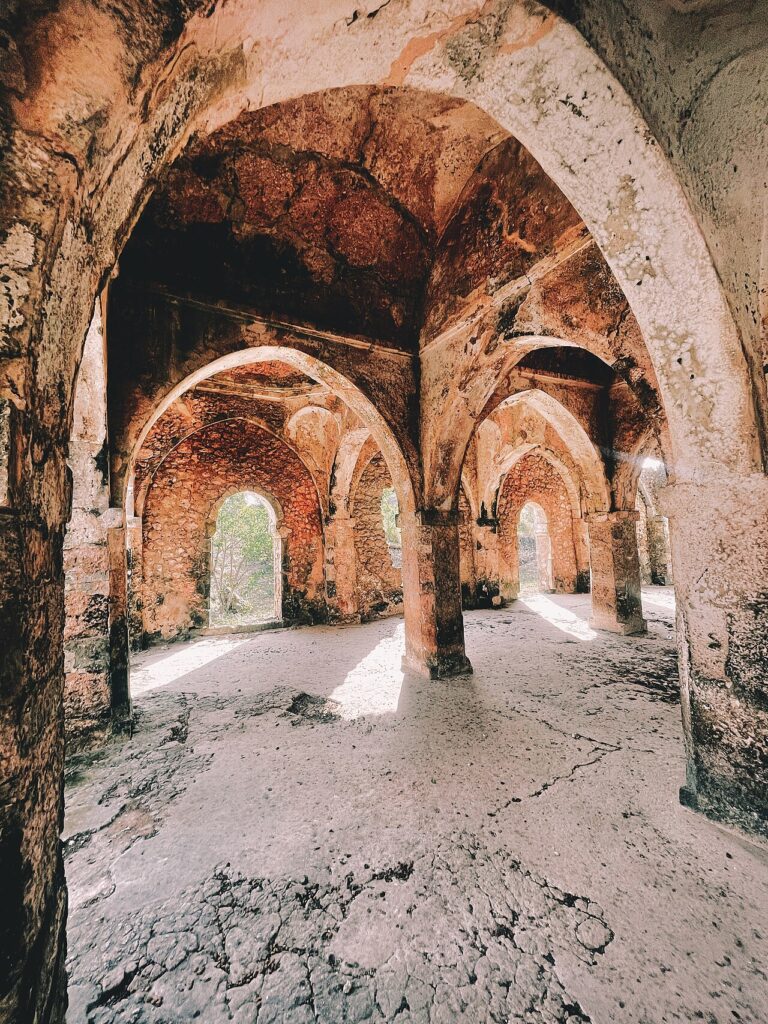
UNESCO World Heritage Sites Near Kilwa Kisiwani: Sub-Saharan Africa’s Oldest Standing Mosque, the Gold Trade to China and Ibn Battuta’s “Most Beautiful City” (1331 CE)

UNESCO World Heritage Sites Near Kilwa Kisiwani: Sub-Saharan Africa’s Oldest Standing Mosque, the Gold Trade to China and Ibn Battuta’s “Most Beautiful City” (1331 CE)

The Ruins of Kilwa Kisiwani (UNESCO 1981, on the Danger list since 2004) preserve the coral-stone remains of the most important medieval Swahili trading city in sub-Saharan Africa, including the oldest standing mosque south of the Sahara (founded c. 800-900 CE) and Husuni Kubwa Palace (c. 1320-1333 CE) — the largest pre-colonial building in the region. The island, reachable only by dhow from Kilwa Masoko in southern Tanzania, controlled the East African gold trade connecting the Zimbabwe Plateau to Arabia, India and China for six centuries.

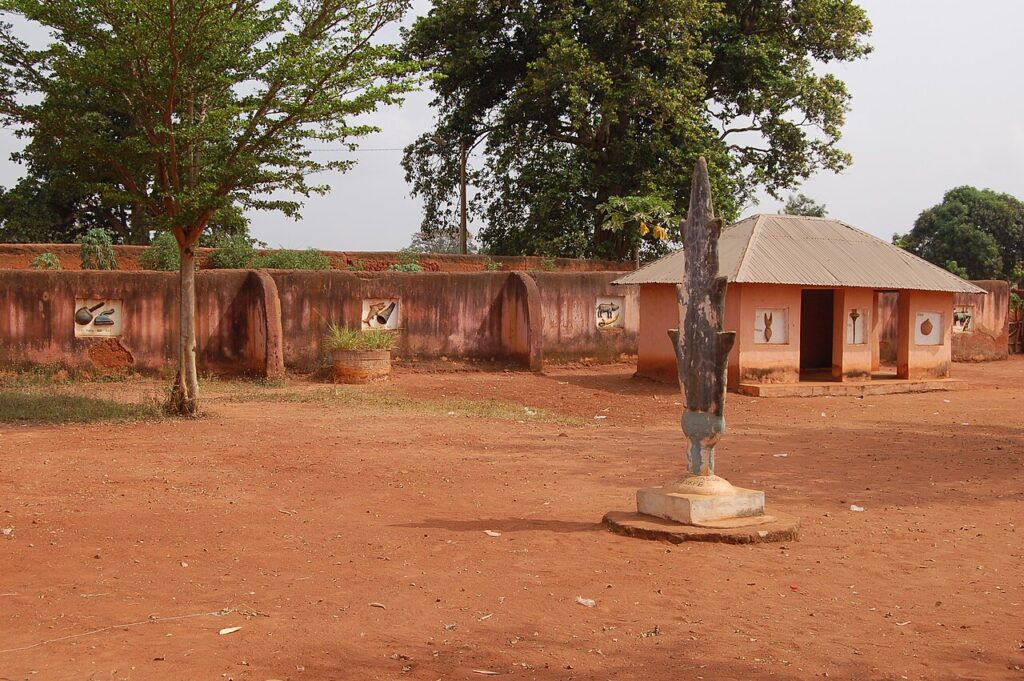
UNESCO World Heritage Sites Near Abomey: The Dahomey Royal Palaces, the Agojie Female Warrior Corps and 26 Treasures Repatriated From France in 2021

UNESCO World Heritage Sites Near Abomey: The Dahomey Royal Palaces, the Agojie Female Warrior Corps and 26 Treasures Repatriated From France in 2021

The Royal Palaces of Abomey (UNESCO 1985) preserve the 44-hectare earthen palace complex of the Kingdom of Dahomey in Benin, built by 12 successive kings from c. 1625 to 1900 CE. The site is notable for its bas-relief visual history panels, the legacy of the Agojie female military corps, and the 2021 return from France of 26 royal treasures looted during the French conquest of 1892. Abomey lies 145 kilometres north of Cotonou and is best reached by road.

Scroll to Top