Founded in 1923 as a village blacksmith shop in Conegliano, Zoppas transformed domestic heating across Italy with its cast-iron woodstoves before pioneering modern home appliances.
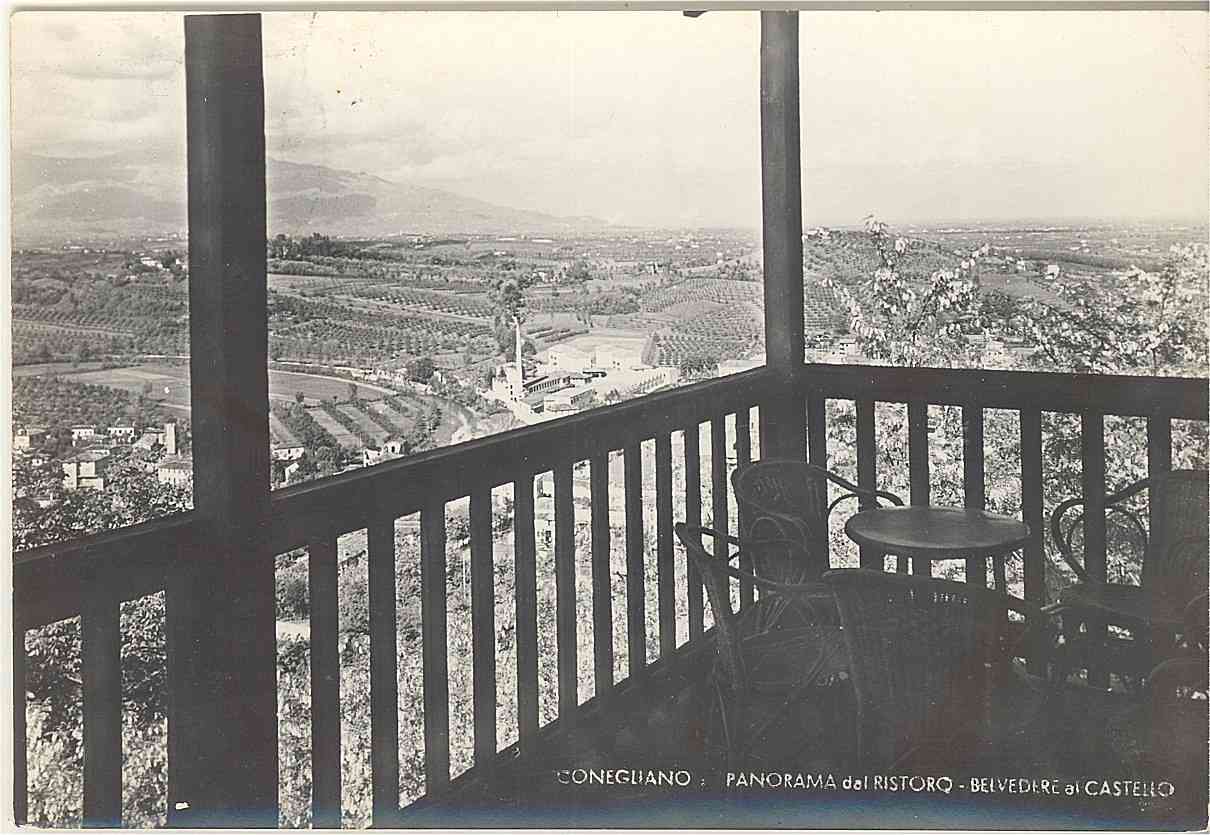
Conegliano in 1923 was a modest agricultural town nestled where the gentle Prosecco hills subside into the gravel plains of the Piave. The region had been devastated by the retreat from Caporetto during the First World War: railway bridges lay in twisted wreckage, rural farmsteads had been shelled, and peasant households struggled through damp Venetian winters huddled around open hearths (*focolari*) that filled low-ceilinged kitchens with soot and wasted firewood.
That year, master blacksmith Ferdinando Zoppas (1870–1924) opened a modest mechanical repair and ironmongery workshop in Conegliano. When Ferdinando died suddenly in 1924, his three sons—Augusto, Gino, and Angelo—inherited the forge. Rather than continuing as village farriers, the brothers perceived a fundamental domestic transformation taking shape across northern Italy: the emergence of the cucina economica (economic stove).
The engineering of the economic hearth
The traditional open hearth consumed huge bundles of timber while warming only the stones immediately before it. The Zoppas brothers engineered enclosed cast-iron fireboxes with internal refractory brick baffles, integrated baking ovens, and coiled copper boilers that provided hot running water from the same fire that baked polenta and boiled broth. Finished in resilient porcelain enamel, the Zoppas woodstove was hygienic, fire-safe, and fuel-efficient.
By the late 1920s, orders were flooding in from across the Veneto and Friuli. To meet demand, the brothers erected modern foundry cupolas along Viale Venezia, tapping into the Venice-Udine railway line to receive Silesian coal and pig iron. What began as a four-man forge grew into an industrial foundry city. Between 1930 and 1950, “Zoppas” became the household synonym for warmth across millions of Italian homes.
The industrial miracle and the electromechanical crest
In the postwar reconstruction, under the leadership of Gino and Luigi Zoppas, the company pivoted from wood to gas, electricity, and refrigeration. Conegliano became the epicentre of Europe’s white-goods manufacturing miracle, churning out enamelled washing machines, gas ranges, and refrigerators. At its peak in the late 1960s, the Conegliano plant employed over six thousand workers, operating its own medical clinics, technical apprenticeships, and housing cooperatives.
Yet rapid over-expansion and the international economic shocks of 1970 forced the family firm into a rescue merger with its Venetian rival, Zanussi of Pordenone (later acquired by Sweden’s Electrolux). Although the autonomous company ceased to exist, the Zoppas brand remained alive in international heating element engineering and kitchen appliances.
What remains today
The industrial footprint of Zoppas indelibly altered the geography of the Marca Trevigiana. The vast industrial precinct along Viale Venezia and Viale Gorizia stands as a protected landmark of interwar and mid-century industrial archaeology. In Conegliano, the municipal sports and concert hall is officially named the Zoppas Arena, honouring the dynasty that lifted the valley from post-Caporetto poverty into the front rank of European mechanical engineering. The company’s technical archives and historic stove prototypes, conserved in local industrial heritage collections, remind visitors that Italy’s domestic design revolution began around a cast-iron woodstove forged on the banks of the Monticano.
Historic Views & Archives
From the Archives: Historical Newsreels
Fiera campionaria a Milano: rassegna dell’industria metallurgica ed elettrodomestici
Archival footage capturing the rapid modernization of the Italian kitchen during the interwar and early postwar periods: modern enamelled stoves, cast-iron burners, and domestic appliances displayed at national trade fairs.
Visiting the Site: Street View & Modern Geography
The historic manufacturing district of Zoppas lies along Viale Venezia in Conegliano. Spanning thousands of square metres along the railway spine, the foundry sheds and assembly workshops transformed the rural plain of Treviso into an electro-mechanical engine.
Historic Address: Viale Venezia & Viale Gorizia, 31015 Conegliano (TV), Italy
Sources
- S1 — Zoppas, Ferdinando. Le cucine di Conegliano: L'epopea industriale dei Zoppas. Treviso, 2001. ISBN 978-88-87760-48-4.
- S2 — Fontana, Giovanni Luigi. Il miracolo economico nel Nord-Est. Marsilio, 2005. ISBN 978-88-317-8712-3.
Spotted an error? Write to editorial@culturalheritageonline.com and we correct it the same day.