A guide to the Hungarian Secession on foot: the Museum of Applied Arts, the Postal Savings Bank and the Gresham Palace, and the two districts where a hotel puts you inside the style.
Where should you stay in Budapest for the Secession?
Stay on the Pest side, in District V or District VIII, within walking distance of the Museum of Applied Arts and the Postal Savings Bank. The Hungarian Secession is concentrated along Üllői út, Hold utca and the Danube bank, and a hotel inside one of those buildings puts you inside the style rather than a taxi ride away from it.
What is the Secession doing in Budapest?
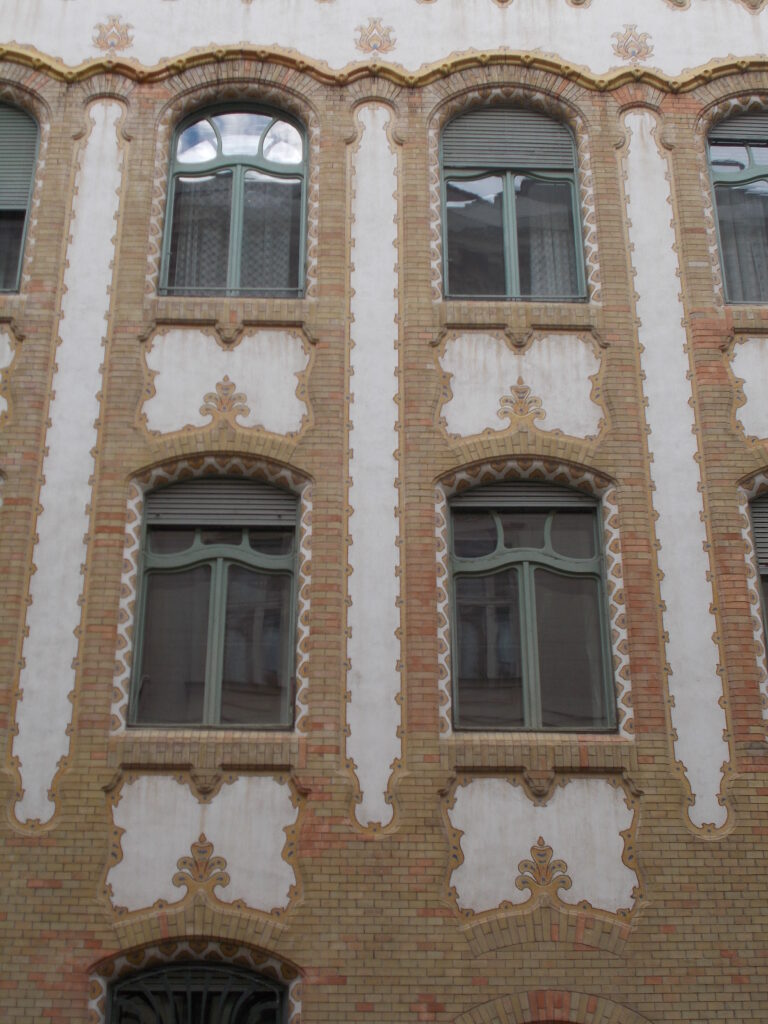
Between 1893 and 1906 a group of Hungarian architects tried to build a national style that did not borrow from Vienna or from Paris. They took the curves of Art Nouveau, the ceramics of the Hungarian countryside and the ornament of the East, and put them on banks, museums and apartment palaces. The result is a style that is easy to recognise once you have seen one roof: green and gold tiles, flowers and bees, iron gates that look like peacock tails.
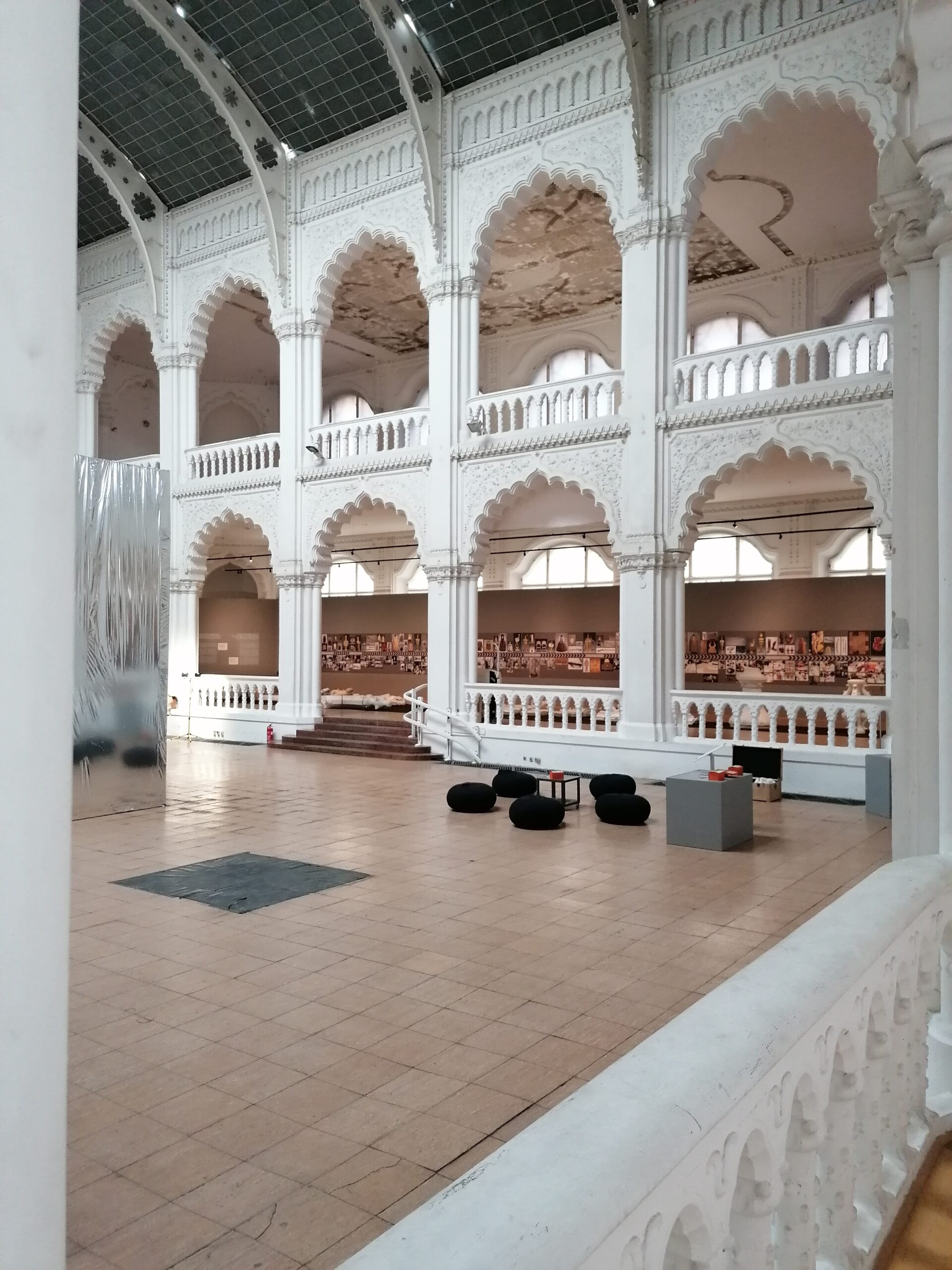
Ödön Lechner was the centre of it. The Museum of Applied Arts is his manifesto: founded by Parliament in 1872, the building raised between 1893 and 1896 to designs by Lechner and Gyula Pártos, with a Zsolnay roof over a white hall where Indian and Islamic forms meet the Hungarian folk tradition. For the city’s Secession beyond these three buildings, the archive has a longer walk: The City That Built Its Own Art Nouveau.
Which buildings should you see?
The Royal Postal Savings Bank, on Hold utca 4, is Lechner’s most personal building: built between 1899 and 1901, crowned with a golden ceramic roof of bees climbing toward their hives, an ornament placed where almost nobody on the street can see it. The place card explains what to look for from the pavement.
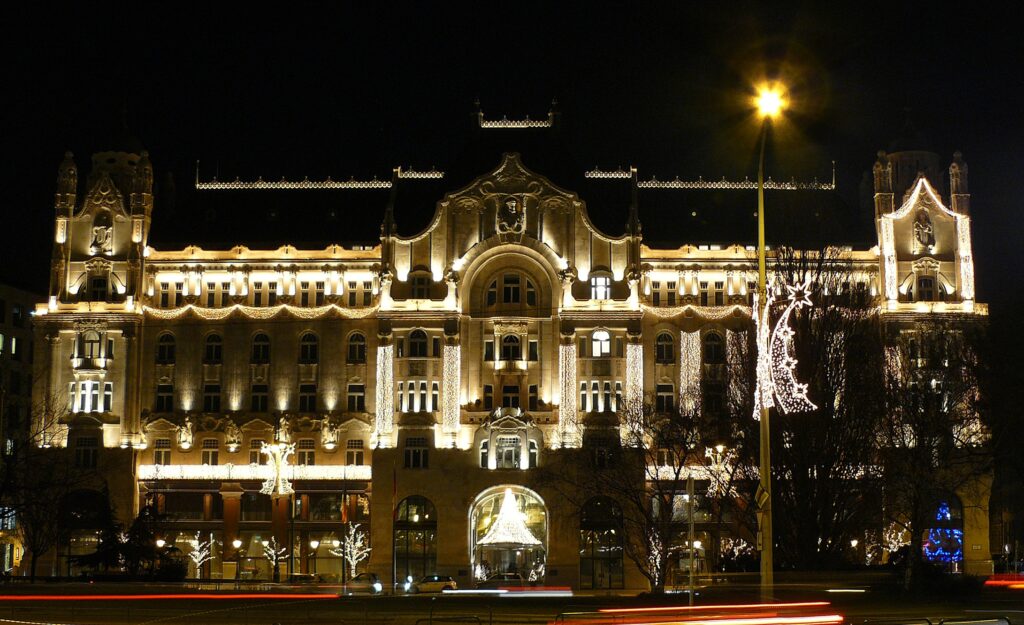
The Gresham Palace, on Széchenyi Square at the Pest end of the Chain Bridge, was completed in 1906 for the Gresham Life Assurance Company of London. Zsigmond Quittner designed it with wrought-iron peacock gates, Zsolnay tile and a glass-roofed arcade facing the Danube. It is the Secession as a commercial palace, and it is impossible to miss on the walk from the river. The place card has the details.

Andrássy út, the avenue that runs from the city centre to the City Park, is the other half of the story: palaces and apartment buildings from the same decades, including the Haggenmacher Palace and the Schossberger Palace, side by side with the Opera House.
How do you see it on foot?
Start at the Museum of Applied Arts on Üllői út, walk north to Hold utca for the Postal Savings Bank, turn toward the Danube for the Gresham Palace and Széchenyi Square, and cross the Chain Bridge if the light is good. It is about three kilometres, a morning with one coffee, and it puts the three buildings of the Secession in the order in which they were built.
Where should you stay?
District V, around Hold utca, Széchenyi Square and the Parliament, is the centre of the walk: a hotel there is ten minutes from the Postal Savings Bank and fifteen from the Museum of Applied Arts. District VIII, around the museum and the National Museum, is quieter and cheaper, and it has the same Secession on the doorstep. A hotel in a historic building has an advantage that no new build can copy: the room, the staircase and the facade are the reason the guest came.
That is the point of a verified page: the hotel’s own text, its booking button and its seasonal offers, on the page where the traveller is already reading about the building.
Frequently asked questions
What is the best area to stay in Budapest for architecture?
District V and District VIII, on the Pest side. The first is the Danube bank and the government quarter, the second is the museum quarter. Both are walkable, and the Secession buildings are between them.
What is the difference between Art Nouveau and Secession?
Secession is the Central European name for the movement that in France and Belgium is called Art Nouveau. In Hungary it took a national turn: Lechner and his generation mixed the international curve with Hungarian folk ornament and Zsolnay ceramics.
Where is the Gresham Palace?
On Széchenyi Square, at the Pest end of the Széchenyi Chain Bridge, facing the Danube. It is a short walk from the Parliament and from the start of Andrássy út.
Do you need a car to see the Secession in Budapest?
No. The three buildings in this guide are within three kilometres of each other, and the centre is easier on foot than by car.
Sources
- Museum of Applied Arts · https://culturalheritageonline.com/places/museum-of-applied-arts/
- Royal Postal Savings Bank (Lechner) · https://culturalheritageonline.com/places/royal-postal-savings-bank-lechner/
- Gresham Palace · https://culturalheritageonline.com/places/gresham-palace/
- Budapest — Ödön Lechner and the Hungarian Szecesszió · https://culturalheritageonline.com/places/budapest-hungarian-art-nouveau-szecesszio/
- Cultural Heritage Online, Founding Partner · https://culturalheritageonline.com/founding-partner/
Spotted an error? Write to editorial@culturalheritageonline.com and we correct it the same day.