Northern Portugal packs an extraordinary density of UNESCO-listed heritage into a compact geography. Four World Heritage Sites lie within roughly two hours of Porto — one is the city itself, two more are reachable by train, and the fourth requires a car but rewards the effort with a landscape unchanged since the Palaeolithic. From Cultural Heritage Online.
Historic Centre of Porto City centre
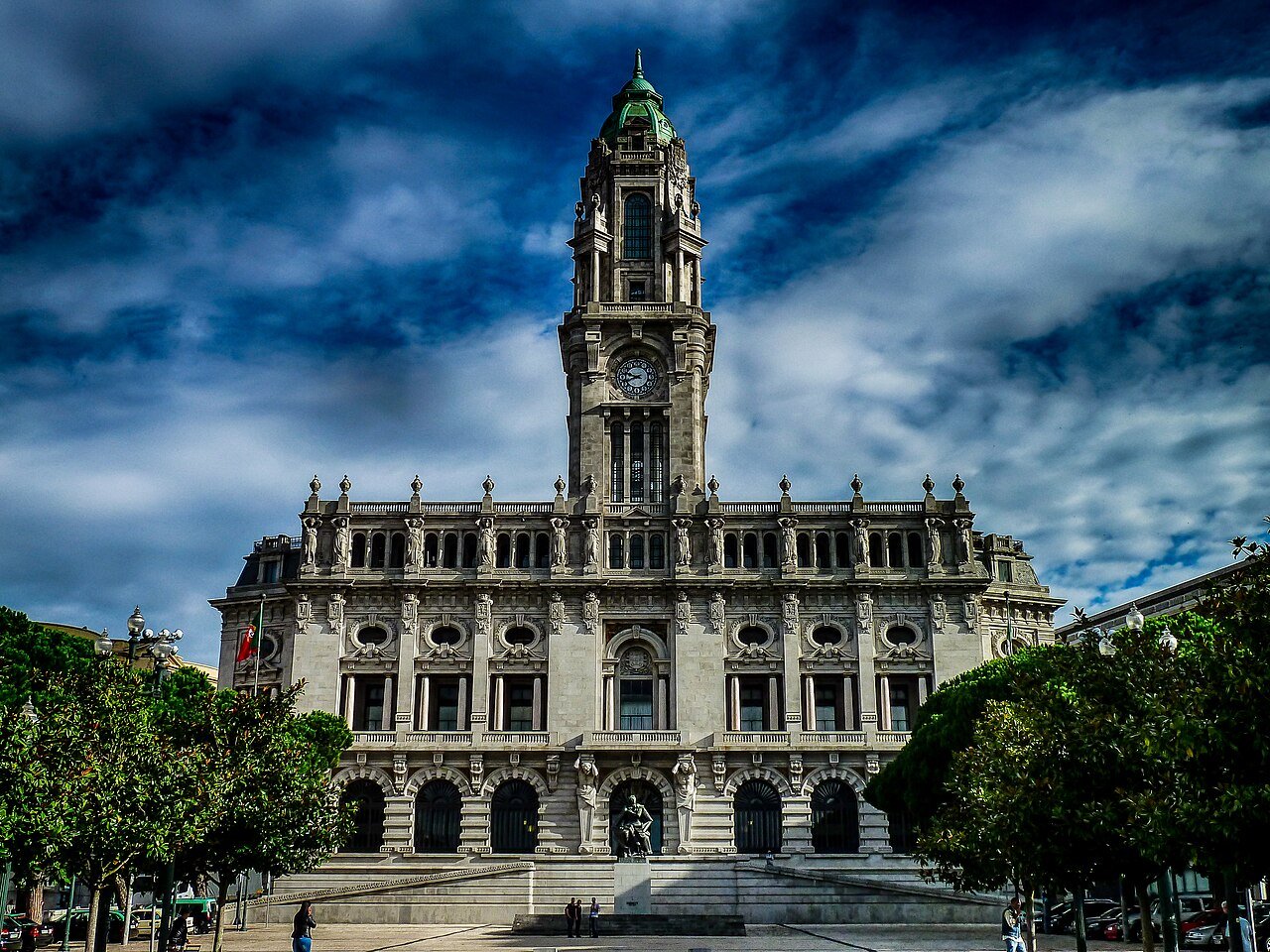
Porto’s historic centre was inscribed on the UNESCO World Heritage List in 1996, recognised alongside the Dom Luís I Bridge and the Monastery of Serra do Pilar across the Douro. The site preserves more than two millennia of layered occupation: the Romans established an outpost here in the 2nd century BC, naming it Portus Cale — the root from which “Portugal” itself derives. The Ribeira waterfront, compressed between cliff-top churches and the river, stacks ochre-and-terracotta townhouses so tightly that laundry lines and baroque stonework share the same sightlines. The 14th-century Church of São Francisco conceals one of the most exuberant Baroque interiors on the peninsula, its walls and columns coated in gilded carved wood. Walking the steep lanes from the cathedral — the Sé, whose cloister dates from the 12th century — down to the river requires time and comfortable footwear. The designation covers the core of a living city, not a preserved enclave.
Getting there: Metro Line D (São Bento or Aliados stop) from central Porto; the UNESCO core is walkable from both. Allow: A full day to do the site justice. Best for: Visitors who want layered urban history combining Roman foundations, medieval churches, Baroque interiors, and 19th-century iron architecture in a single walk.
Alto Douro Wine Region ~1 hr 45 min by train
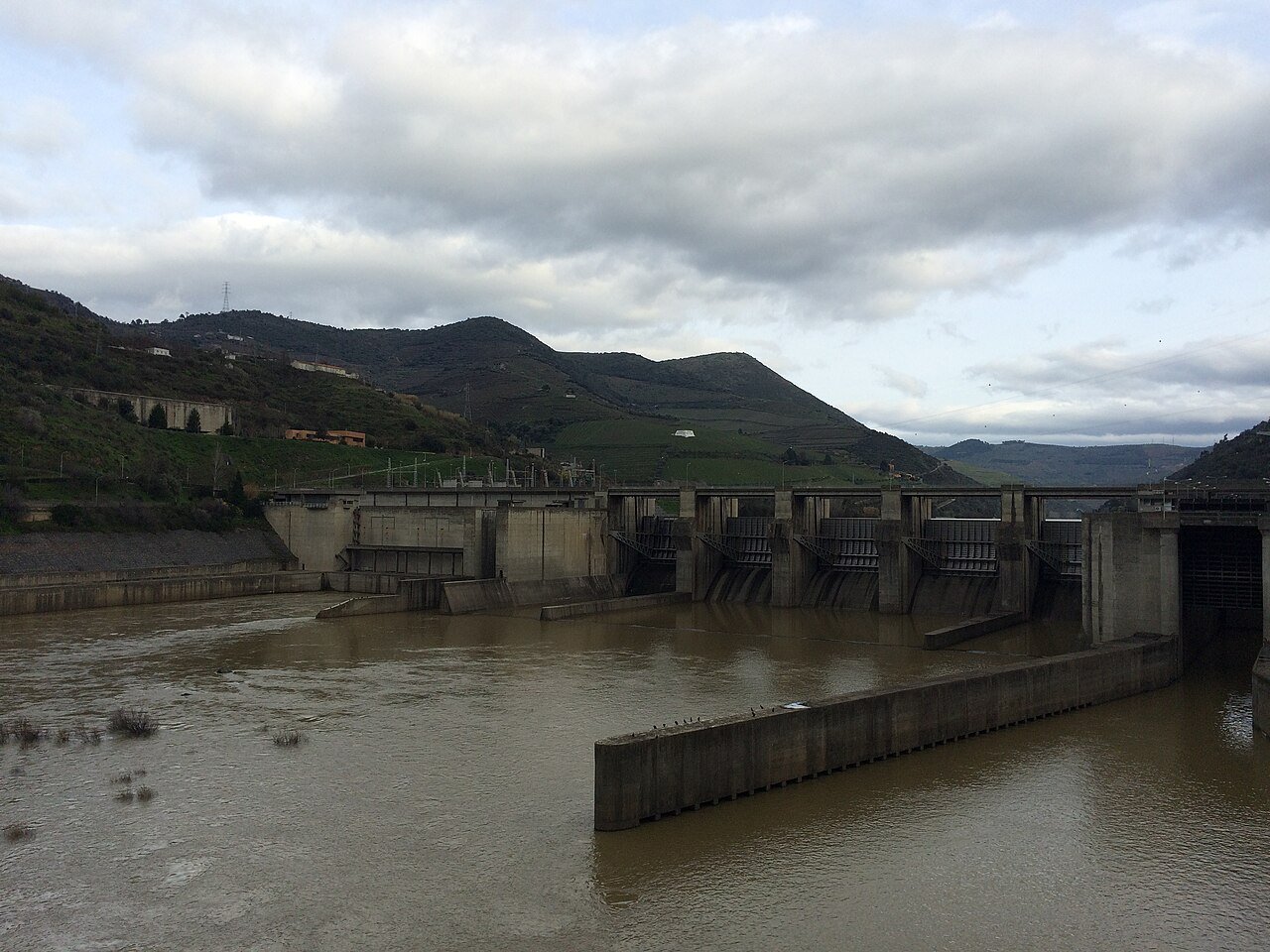
Inscribed in 2001, the Alto Douro Wine Region covers 24,600 hectares of terraced schist slopes along the upper Douro corridor — the oldest demarcated wine region in the world. The Marquis of Pombal drew its legal boundaries in 1756, creating a framework that predates similar designations in Burgundy or Bordeaux by more than a century. UNESCO recognises the landscape as a living cultural product: vines planted on narrow terraces, hand-dug into rock for 2,000 years, produce both the fortified Port that made the region famous and increasingly celebrated unfortified Douro reds and whites. Arriving at Peso da Régua station, the air carries the particular dry-earth scent of schist baking in summer heat. The valley walls rise sharply on both sides of the river, vineyard rows running along contours with a geometric precision that is best read from a boat or the opposite bank. This is a working agricultural landscape, not a museum, and harvest season in September and October fills the quintas with activity.
Getting there: CP Alfa Pendular from Porto Campanha to Peso da Régua takes approximately 1 hr 45 min. The scenic Douro Line regional train takes around 3 hours but follows the river closely. Allow: A half day minimum; a full day or overnight stay at a quinta allows a more complete experience. Best for: Travellers interested in agricultural landscapes, wine culture, and the engineering of terraced viticulture carved into schist over two millennia.
Cultural Landscape of Guimarães ~45 min by train
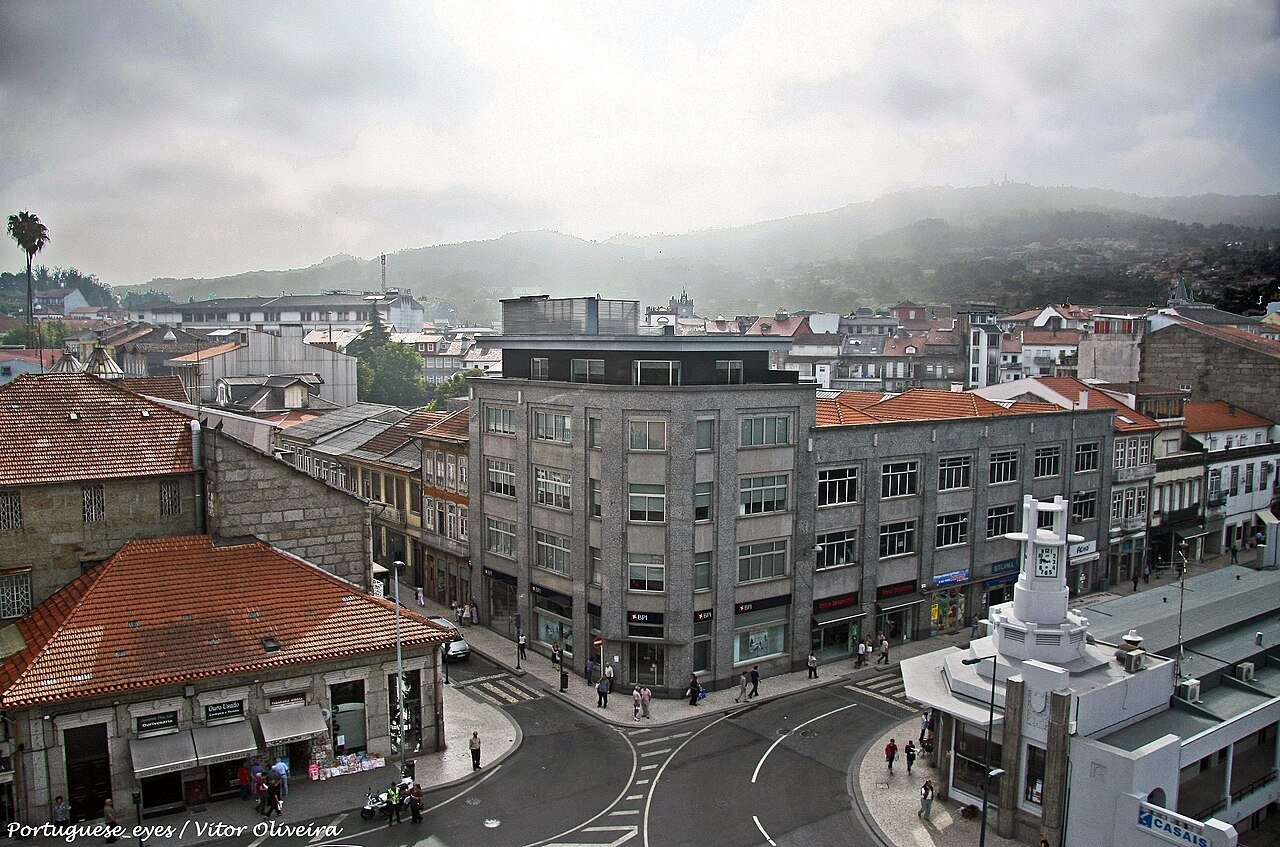
Guimarães was inscribed in 2001 as an exceptionally well-preserved example of the transition from a medieval settlement to an early modern town. The city traces its origins to the 9th century, when it was established as Vimaranes under the warrior Vímara Peres. King Afonso Henriques — considered the founder of the Kingdom of Portugal — was born here in the 12th century, giving Guimarães its enduring designation as the “birthplace of Portugal.” The UNESCO core comprises the castle, the Romanesque Palace of the Dukes of Braganza rebuilt in the 15th century, and the tightly packed medieval streets below the hill. Stone arcades shade the ground-floor shops of the old quarter; the smell of pastelaria drifts through narrow lanes between granite facades that have changed little since the 15th century. Guimarães served as European Capital of Culture in 2012, which added contemporary cultural infrastructure at the edges of the historic core without disturbing its character. Three to four hours covers the main sites comfortably.
Getting there: CP train from Porto Campanha to Guimarães, approximately 45 minutes. Allow: 3–4 hours; the historic core is compact and walkable. Best for: Visitors seeking medieval Portuguese urban history, Romanesque architecture, and the founding narrative of the Portuguese nation.
Prehistoric Rock Art Sites in the Côa Valley ~2 hrs by car
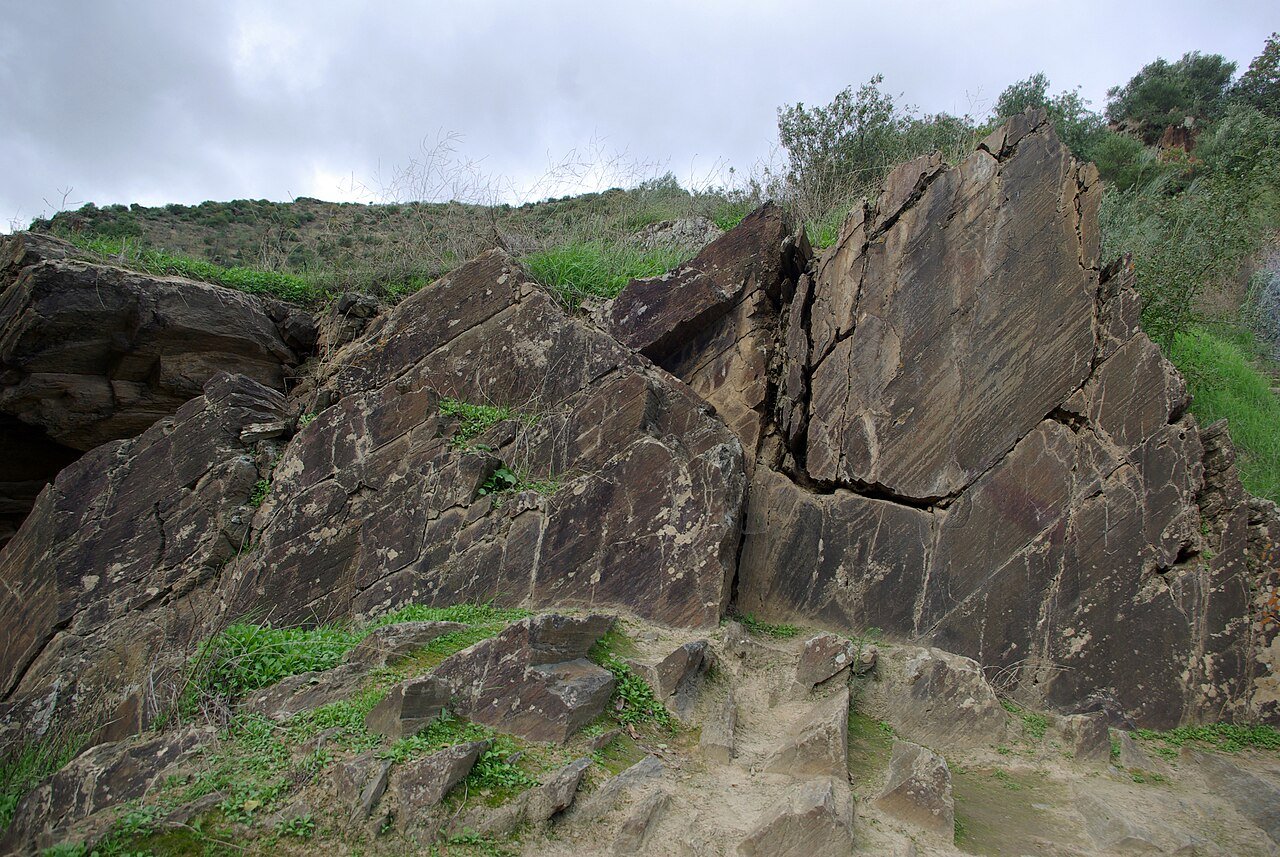
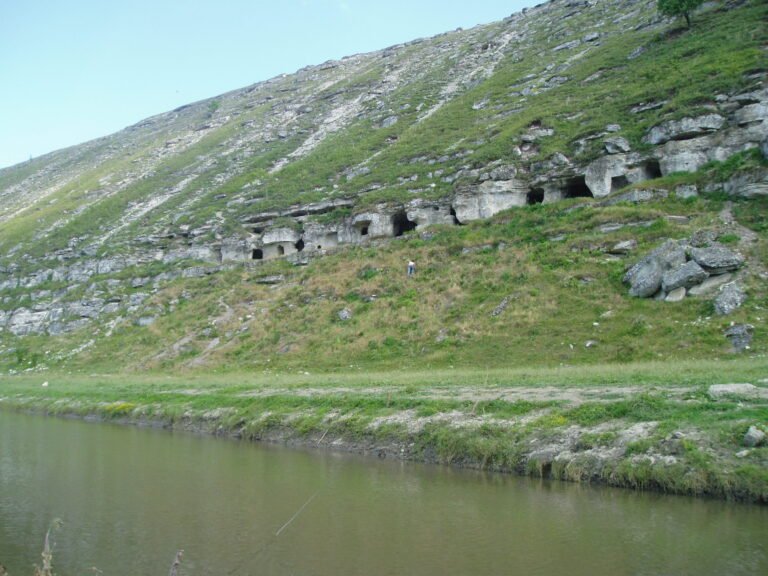
Inscribed in 1998, the Prehistoric Rock Art Sites in the Côa Valley hold approximately 1,000 engravings across 137 rocks at 23 sites distributed along the final 17 kilometres of the River Côa. The images date between 22,000 and 10,000 BC — aurochs, horses, ibex, and occasional human figures incised into open-air schist panels by hunters who returned to these cliffs repeatedly across millennia. UNESCO has described this as the largest open-air Palaeolithic art site in Europe, and possibly the world. The site’s modern history is inseparable from a near-catastrophe: the engravings were discovered in November 1991 during the construction of a dam that would have flooded the entire valley. International protest and UNESCO pressure led Prime Minister António Guterres to cancel the dam project in November 1995, just four days after taking office. The Museu do Côa in Vila Nova de Foz Côa, designed by Camilo Rebelo and Tiago Pimentel and opened in 2010, provides essential archaeological context before guided visits to the panels. No public transport serves the site; a car is essential. The drive from Porto via Peso da Régua takes around two hours. Plan for a half day at minimum, and book guided panel visits in advance through the museum, as access is restricted to protect the engravings.
Getting there: Car essential; approximately 2 hours from Porto via the A4 motorway and Peso da Régua. No rail or bus connection to the park itself. Allow: Half a day; book guided visits to the rock panels in advance through the Museu do Côa. Best for: Visitors with a strong interest in Palaeolithic archaeology and prehistoric art who are willing to commit to the drive; the site rewards the journey with something genuinely without parallel in Europe.
Frequently Asked Questions
How many UNESCO World Heritage Sites are near Porto?
Four UNESCO World Heritage Sites lie within approximately two hours of Porto: the Historic Centre of Porto itself (inscribed 1996), the Alto Douro Wine Region (2001), the Cultural Landscape of Guimarães (2001), and the Prehistoric Rock Art Sites in the Côa Valley (1998). Together they span more than 20,000 years of human history in northern Portugal.
What is the closest UNESCO World Heritage Site to Porto?
The Historic Centre of Porto is the closest — it is the city itself. The UNESCO designation covers the Ribeira waterfront district, the Dom Luís I Bridge, and the Monastery of Serra do Pilar on the opposite bank of the Douro. No travel is required beyond arriving in Porto’s centre.
Can I visit all four UNESCO sites near Porto in a single day?
No. Combining all four sites in a single day is not realistic. Guimarães (45 min by train) and Porto itself can be paired in one long day. The Alto Douro and Côa Valley each require separate excursions: the Douro works best as a full day or overnight trip, and the Côa Valley — two hours by car with no public transport — warrants a dedicated half-day minimum, with guided visits booked in advance.
Do I need to book visits to the Côa Valley rock art in advance?
Yes. Access to the engraved panels at the Côa Valley Archaeological Park is restricted and guided visits must be booked through the Museu do Côa in Vila Nova de Foz Côa. Walk-in access to the panels is not available. The museum itself — which provides essential context on the Palaeolithic engravings — can be visited without a reservation.
Sources used in this article
- UNESCO World Heritage Centre — World Heritage List.
- Wikipedia — Porto (historic centre, Roman origins, 1996 inscription).
- Wikipedia — Prehistoric Rock Art Sites in the Côa Valley and Siega Verde (engravings, discovery 1991, dam cancellation 1995).
- Wikipedia — Guimarães (2001 inscription, medieval history, Afonso Henriques).
- Wikipedia — Douro DOC (24,600 ha, 1756 Pombal demarcation, 2001 UNESCO inscription).
- CHO — Interactive heritage map.
Sources
- S1 — Smith, Robert C. The Art of Portugal 1500–1800. Weidenfeld & Nicolson, 1968. ISBN 978-0-297-76343-7.
- S2 — Birmingham, David. A Concise History of Portugal. Cambridge University Press, 2003. ISBN 978-0-521-53686-8.
Spotted an error? Write to editorial@culturalheritageonline.com and we correct it the same day.