Portugal holds 17 UNESCO World Heritage Sites. Most visitors see one — the Monastery of the Hieronymites, a quick taxi ride from central Lisbon. The country’s other inscribed places require genuine travel: a two-hour train ride north, a flight to an archipelago, or a half-day drive into the granite interior. Each rewards the effort with a landscape or monument that Lisbon cannot offer. From Cultural Heritage Online.
University of Coimbra — Alta and Sofia 2 hrs by train
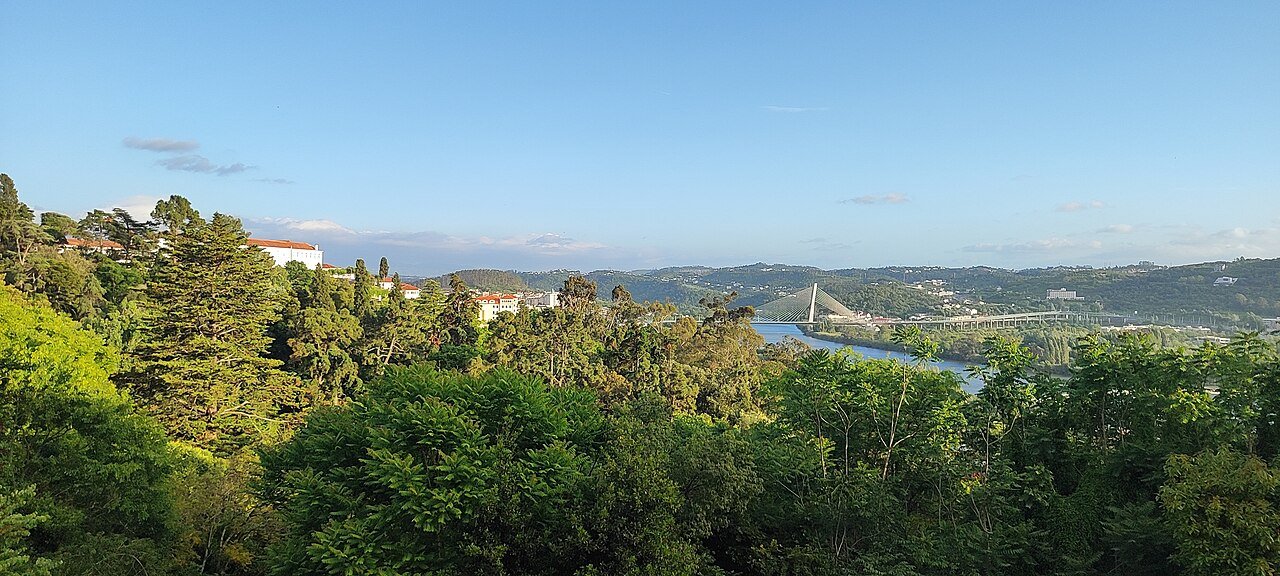
King Denis of Portugal granted the University of Coimbra its royal charter on 1 March 1290 — making it not only the oldest university in Portugal but one of the oldest in continuous operation anywhere in the world. The institution moved between Lisbon and Coimbra several times before settling permanently on the Alta hill in 1537, under King João III, who established the campus in former royal palace buildings. UNESCO inscribed the Alta and Sofia district in 2013, recognising the ensemble of colleges, churches, aqueducts and gardens as an urban complex that shaped scholarship across the Portuguese-speaking world for seven centuries. The centrepiece is the Paço das Escolas courtyard, where the Baroque Biblioteca Joanina — completed in 1728 and famous for its gilded shelving, frescoed ceilings and resident colony of bats that protect manuscripts from insects — can be visited on a timed ticket. The bell tower built in the 18th century still marks the hour for the entire city.
Getting there: Alfa Pendular or Intercidades train from Lisboa-Oriente to Coimbra-B, approximately 2 hours; the Alta is a steep uphill walk or a short taxi from the station. Allow: 3–4 hours for the campus, Biblioteca Joanina (book timed entry in advance), and the Botanic Garden. Best for: Travellers who want a complete day in a historic university city with good onward rail connections to Porto.
Garrison Border Town of Elvas and its Fortifications 2 hrs 30 min by train
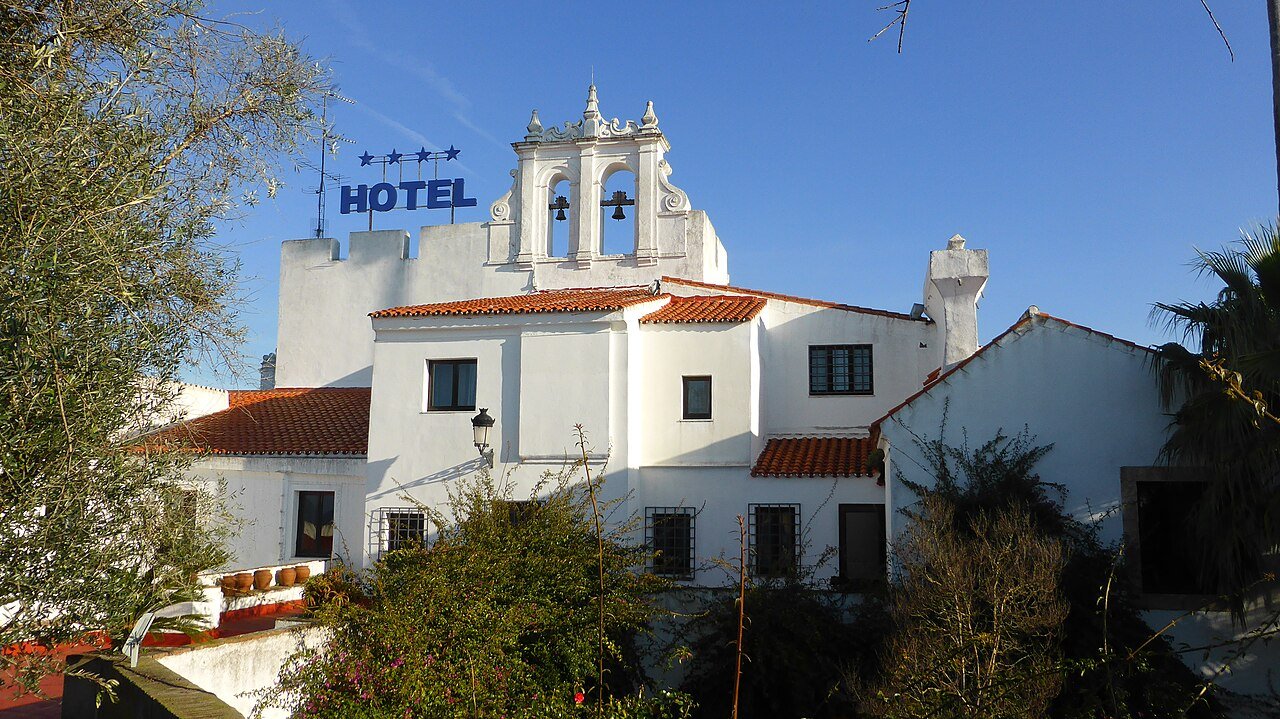
Elvas sits eight kilometres inside Portugal from the Spanish border, and its entire existence was shaped by that proximity. From the 17th century onward, the town was continuously reinforced to block the main land route between Madrid and Lisbon, producing what UNESCO calls the largest dry-ditch bulwark system in the world — a designation that earned inscription in 2012. The fortifications follow the principles of the Dutch school of military engineering: seven projecting bastions, two major outer forts (Santa Luzia, completed around 1648, and Nossa Senhora da Graça, built in the 18th century), plus a network of ravelins and hornworks that turned the entire hilltop into an interlocking defensive machine. Inside the walls, the town is quiet: whitewashed houses line steep lanes, and the aqueduct of Amoreira — begun in 1498 and completed only in 1622 — still stands at the northern approach, its 843 arches crossing the plain in four tiers. The Battle of the Lines of Elvas in 1659, in which Portuguese and Allied forces defeated a Spanish army here, sealed the country’s independence after sixty years of Iberian Union.
Getting there: Alfa Pendular train from Lisboa-Oriente to Elvas station (approximately 2 hours 30 min), then a short bus or taxi into the historic centre. By car from Lisbon via the A6 motorway takes around 2 hours. Allow: 2–3 hours to walk the walls, visit Forts Santa Luzia and Nossa Senhora da Graça, and see the aqueduct. Best for: Military history and those crossing into Spain via Badajoz; a natural stop on a Lisbon–Seville road trip.
Prehistoric Rock Art Sites in the Côa Valley and Siega Verde 4 hrs by car from Porto
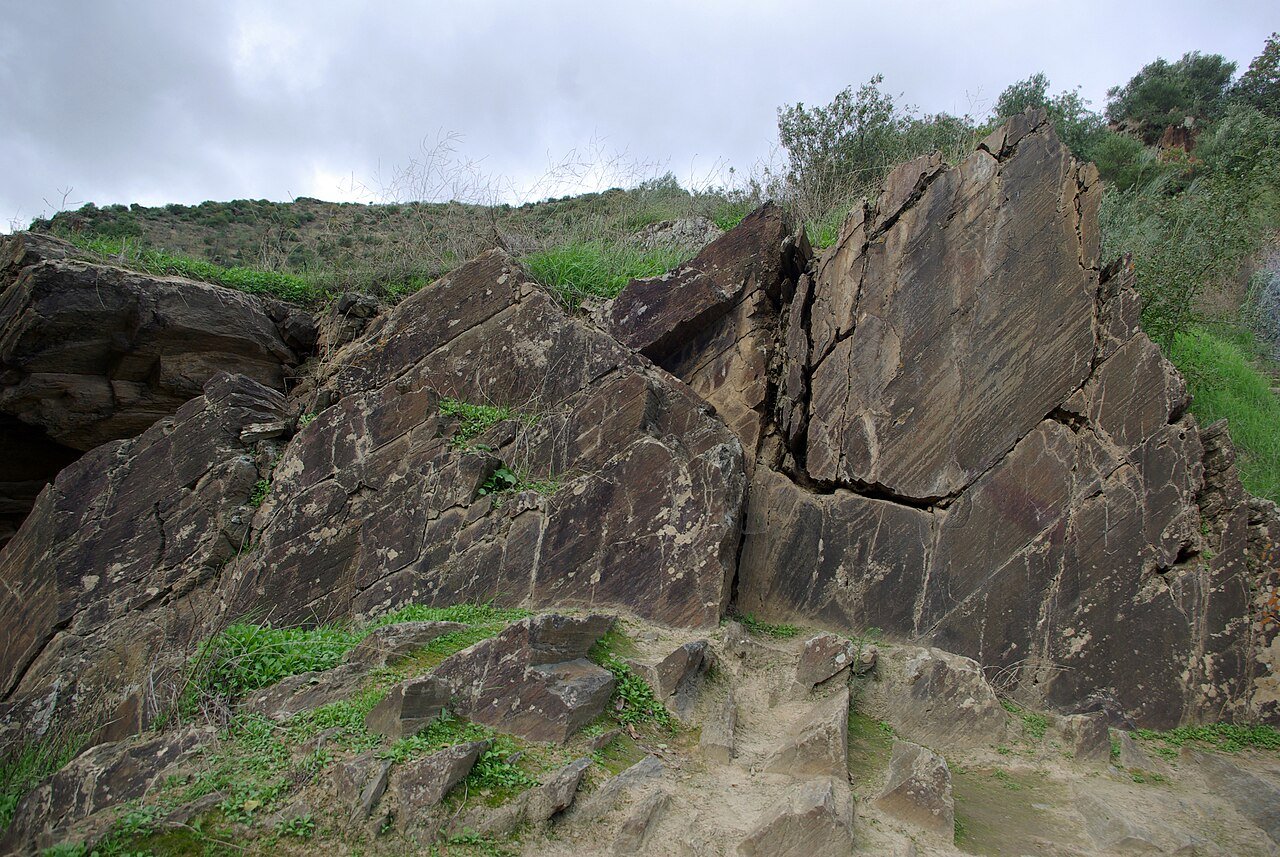
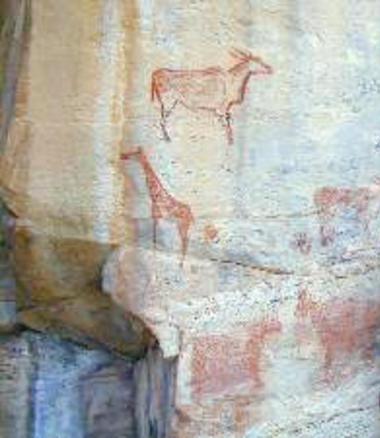
The Côa Valley engravings were discovered only in 1992, when engineers surveying a proposed dam noticed aurochs, horses, and ibex etched into the schist canyon walls. The discovery prompted one of the most consequential heritage decisions in Portuguese history: the dam project was cancelled in 1995, and the valley became a protected archaeological park. UNESCO inscribed the site in 1998, later extending inscription to include the Spanish site of Siega Verde in 2010. The Côa Valley alone contains at least 137 engraved rocks with more than 1,000 individual carvings, made between roughly 22,000 and 10,000 years ago — making it the largest open-air Palaeolithic art site in Europe, and possibly the world. Guided visits from the Côa Museum at Vila Nova de Foz Côa take visitors by jeep to rock panels at Canada do Inferno, Penascosa, and Ribeira de Piscos. The engravings are not painted; they are incised lines in stone, and reading them requires both the guide’s torch and a willingness to let the eye adjust. The canyon air carries the smell of wild rosemary.
Getting there: A car is essential — the valley is approximately 4 hours from Lisbon via the A25 motorway, or 2 hours 30 min from Porto. Public transport connections to Vila Nova de Foz Côa are extremely limited and do not serve the rock art sites. Plan an overnight stay in Foz Côa or nearby Pinhel to visit properly and book guided tours in advance through the Côa Museum website. Allow: Half a day minimum, including the museum and one guided rock art excursion. Best for: Those with a serious interest in prehistory, prepared to treat this as a dedicated overnight trip rather than a day excursion.
Laurisilva of Madeira 2 hrs 30 min by flight from Lisbon
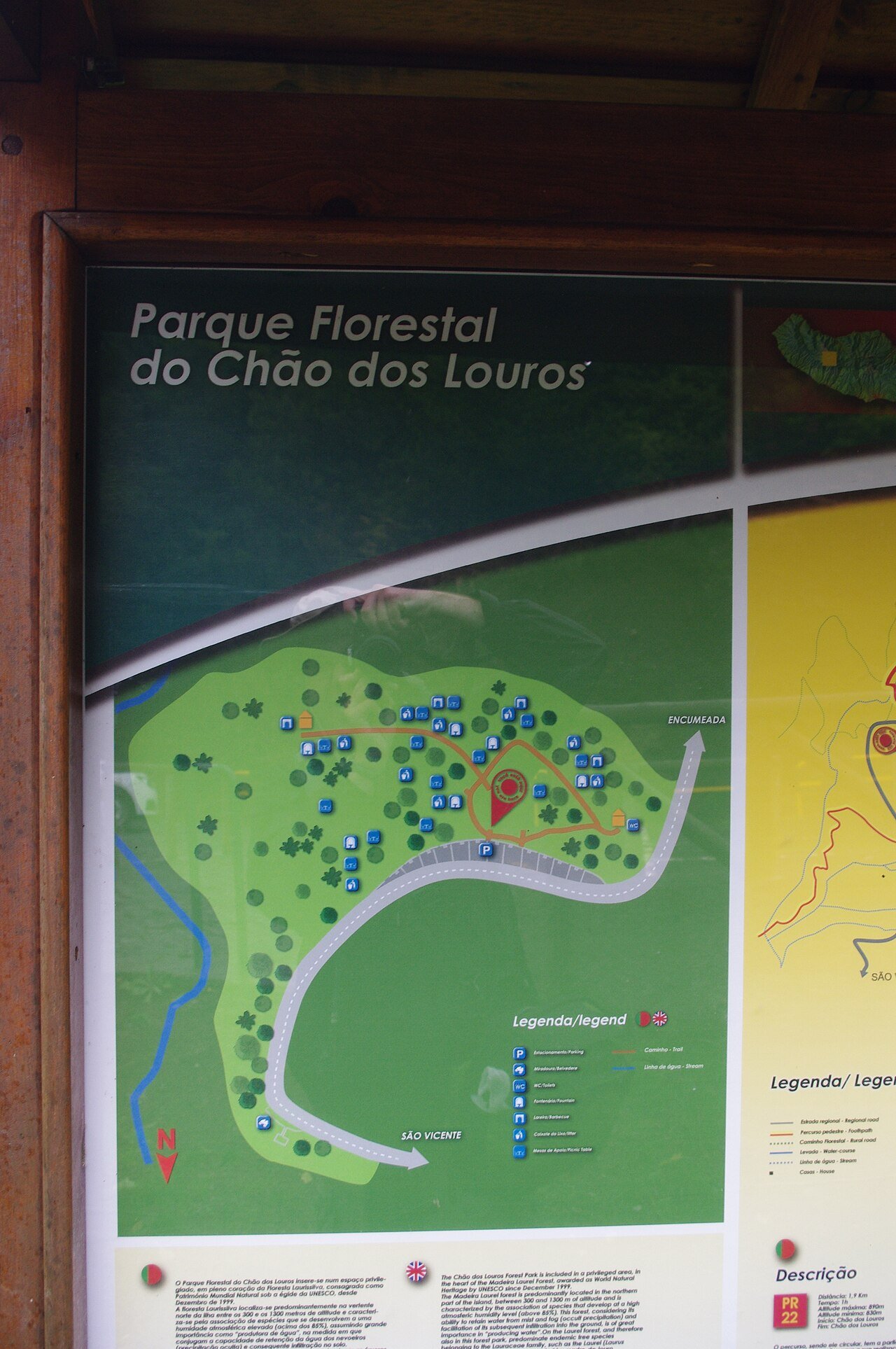
Laurisilva is a type of subtropical laurel forest that once covered much of southern Europe and North Africa before the Pleistocene ice ages contracted its range to a few Atlantic island refugia. Madeira preserves the largest surviving tract: around 15,000 hectares, covering approximately 16 per cent of the island and rising from 300 to 1,600 metres in elevation. UNESCO inscribed the Laurisilva of Madeira in 1999, at the 23rd General Assembly, recognising it as the world’s best example of this ancient forest type. The canopy is dominated by species in the Lauraceae family — Canarian laurel, Madeira laurel, til, and vinhático — some of them individual trees up to 800 years old. Among 1,226 native vascular plant species recorded, 66 are endemic to Madeira. The fog that rolls in from the north gives the forest its characteristic permanence of moisture; levada irrigation channels, cut by hand into the hillsides from the 15th century onward, thread through the trees, providing flat walking paths in otherwise steep terrain. The smell of damp moss and decaying laurel leaves is pervasive and distinctive.
Getting there: TAP Air Portugal and Ryanair operate flights from Lisbon to Madeira (Funchal) in approximately 1 hour 45 minutes to 2 hours 30 minutes. This is an island, not a day trip — a minimum of two nights in Madeira is needed to visit the laurisilva properly. Access the forest via the Fanal plateau (northwest) or the Rabacal valley; hire a car on the island for flexibility. Allow: Half a day to a full day for forest walks, longer if doing levada routes. Best for: Nature and hiking travellers; combine with birdwatching (42 breeding species) and the island’s food and wine culture.
Landscape of the Pico Island Vineyard Culture 2 hrs 30 min by flight from Lisbon
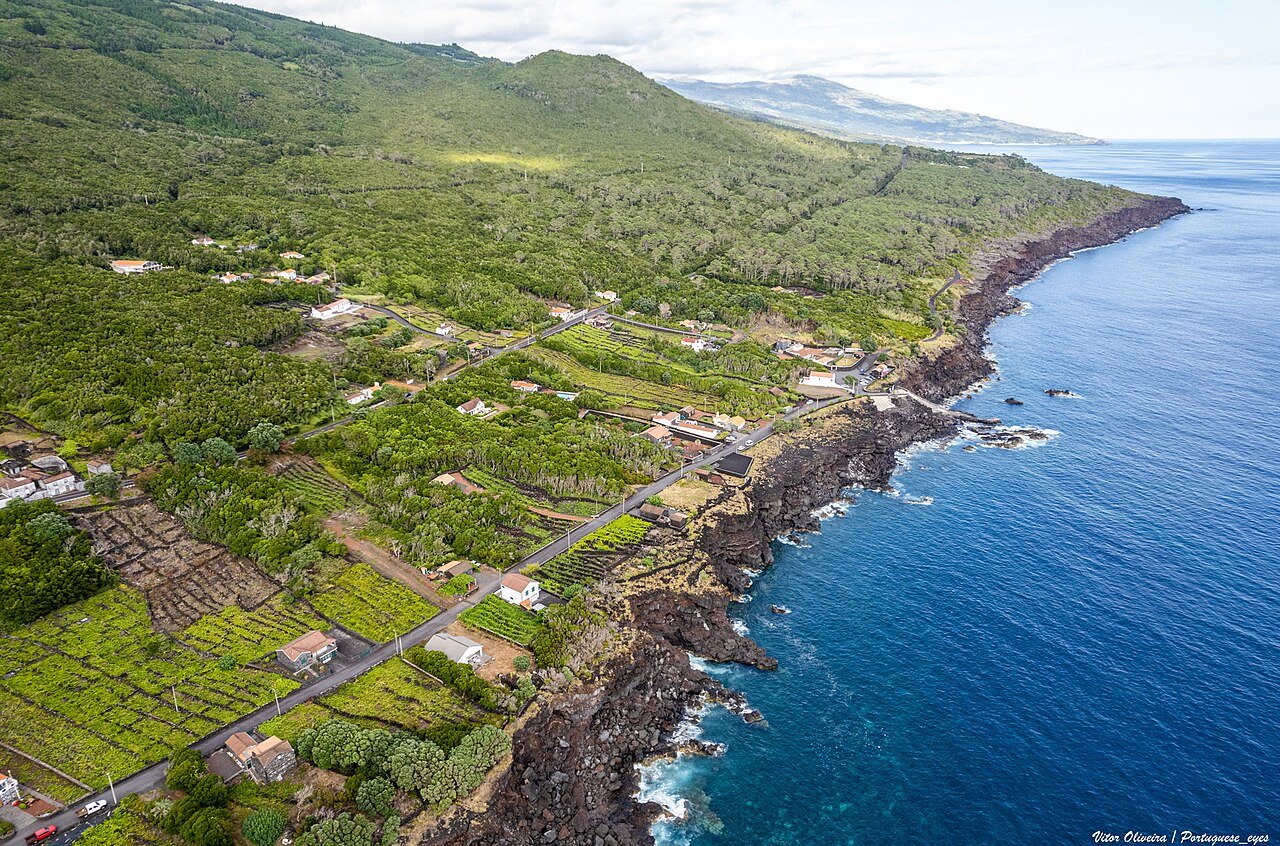
From the air, the western coast of Pico Island looks as if someone has drawn a grid on black lava. Those lines are the currais: low-walled enclosures of dark basalt stone, built by Franciscan and Carmelite settlers beginning in the late 15th century to protect individual grape vines from Atlantic wind and salt spray. UNESCO inscribed the Landscape of the Pico Island Vineyard Culture in 2004, covering 987 hectares of this extraordinary agricultural pattern across the municipalities of Madalena and São Roque do Pico. The wine produced here — chiefly Verdelho — gained international prestige in the 19th century, reaching the courts of Russia and the United States. Traditional techniques have persisted for five centuries without significant interruption, making the living landscape as continuous as the inscription. The Interpretation Centre in Lajido de Santa Luzia village explains the history and allows visitors to walk among the currais; on still days the Atlantic and the summit of Pico volcano are both visible from the same low wall.
Getting there: SATA Air Açores and Azores Airlines fly from Lisbon to Pico Island (Madalena Airport) in approximately 2 hours 30 minutes. Pico is one of the Azores islands, not reachable by day trip — allow a minimum of two nights. Ferries connect Pico to neighbouring Faial (Horta) in about 30 minutes. Hire a car on the island. Allow: Half a day for the vineyard landscape and interpretation centre; a full day if combining with a climb toward Pico volcano (Portugal’s highest point at 2,351 m). Best for: Wine culture enthusiasts and travellers seeking a genuinely remote Atlantic landscape with active volcanic scenery.
Frequently Asked Questions
How many UNESCO World Heritage Sites are there in Portugal beyond the Lisbon day-trip radius?
Portugal has 17 UNESCO World Heritage Sites in total. Of those, five require significant travel beyond Lisbon’s immediate reach: the University of Coimbra Alta (2 hours by train), the Garrison Border Town of Elvas (2 hours 30 minutes by train), the Côa Valley Palaeolithic rock art (4 hours by car from Porto, best as an overnight), the Laurisilva of Madeira (a flight to the island), and the Pico Island Vineyard Culture in the Azores (a flight, requiring an overnight stay).
What is the closest UNESCO World Heritage Site to Lisbon that is outside the standard day-trip radius?
The University of Coimbra — Alta and Sofia is the most accessible, at approximately 2 hours from Lisboa-Oriente on the Alfa Pendular train. It is feasible as a long day trip from Lisbon, though a night in Coimbra allows time for both the university campus and the wider historic centre. Elvas, at 2 hours 30 minutes, is also reachable in a day but benefits from an early start.
Do I need a car to visit the Côa Valley rock art sites?
Yes. The Archaeological Park of the Côa Valley is in a remote part of Portugal’s Trás-os-Montes interior, and public transport connections to Vila Nova de Foz Côa are very limited. No regular service runs to the rock art panels themselves. Driving from Lisbon takes approximately 4 hours; from Porto, around 2 hours 30 minutes. Guided tours must be booked in advance through the Côa Museum.
Can I visit both the Laurisilva of Madeira and the Pico Island vineyards on the same trip?
Not easily, as they are in different archipelagos — Madeira and the Azores — separated by roughly 1,400 kilometres of open Atlantic. Each requires a separate flight from Lisbon. Combining them would mean a multi-destination itinerary of at least five to six days. Travellers focusing on the Azores can pair Pico Island with the nearby islands of Faial and São Jorge in a single trip; Madeira is best visited independently.
Sources used in this article
- UNESCO World Heritage Centre — World Heritage List.
- Wikipedia — University of Coimbra.
- Wikipedia — Garrison Border Town of Elvas and its Fortifications.
- Wikipedia — Côa Valley Palaeolithic Art.
- Wikipedia — Laurisilva of Madeira.
- Wikipedia — Landscape of the Pico Island Vineyard Culture.
- CHO — Interactive heritage map.
Sources
- S1 — Kubler, George. Portuguese Plain Architecture: Between Spices and Diamonds, 1521–1706. Wesleyan University Press, 1972. ISBN 978-0-8195-4045-4.
- S2 — Disney, A. R. A History of Portugal and the Portuguese Empire. Cambridge University Press, 2009. ISBN 978-0-521-60127-6.
Spotted an error? Write to editorial@culturalheritageonline.com and we correct it the same day.