The nearest World Heritage property to the Mountain Railways of India is Khangchendzonga National Park in Sikkim, 81 km away in a straight line. Sagarmatha National Park in Nepal is 168 km away, and the Ruins of the Buddhist Vihara at Paharpur in Bangladesh lie 235 km from the property. The Mountain Railways of India is a serial cultural site made up of three operational hill passenger railways: the Darjeeling Himalayan Railway, the Nilgiri Mountain Railway, and the Kalka Shimla Railway.
The World Heritage sites within reach of the mountain railways
The distances below are straight lines between the reference points that UNESCO publishes for each property, measured to the nearest component of a serial site. They tell you what is close. They do not tell you how long the road takes, which depends on the season and the route.
| Site | Country | Distance | Inscribed | Type |
|---|---|---|---|---|
| Khangchendzonga National Park | India | 81 km | 2016 | Mixed |
| Sagarmatha National Park | Nepal | 168 km | 1979 | Natural |
| Ruins of the Buddhist Vihara at Paharpur | Bangladesh | 235 km | 1985 | Cultural |
| Manas Wildlife Sanctuary | India | 277 km | 1985 | Natural |
| Kathmandu Valley | Nepal | 289 km | 1979 | Cultural |
| Archaeological Site of Nalanda Mahavihara at Nalanda, Bihar | India | 352 km | 2016 | Cultural |
The cluster of sites around the mountain railways brings together the high-altitude landscapes of the eastern Himalayas with two major centres of Buddhist learning in the plains. Khangchendzonga and Sagarmatha protect sacred mountains and their ecosystems, while Paharpur and Nalanda preserve monastic and scholastic institutions that flourished from the early centuries BCE to the medieval period. The railways are transport infrastructure; these four places show the cultural and natural landscapes that infrastructure made accessible.
Three railways, one inscription
The Mountain Railways of India property combines three lines built in different parts of the country. The Darjeeling Himalayan Railway opened in 1881, the Nilgiri Mountain Railway was completed in 1908, and the Kalka Shimla Railway in the mid-19th century provided a service to the highland town of Shimla. UNESCO describes the group as outstanding examples of hill railways that applied bold engineering to a mountainous terrain of great beauty. Each line remains fully operational.
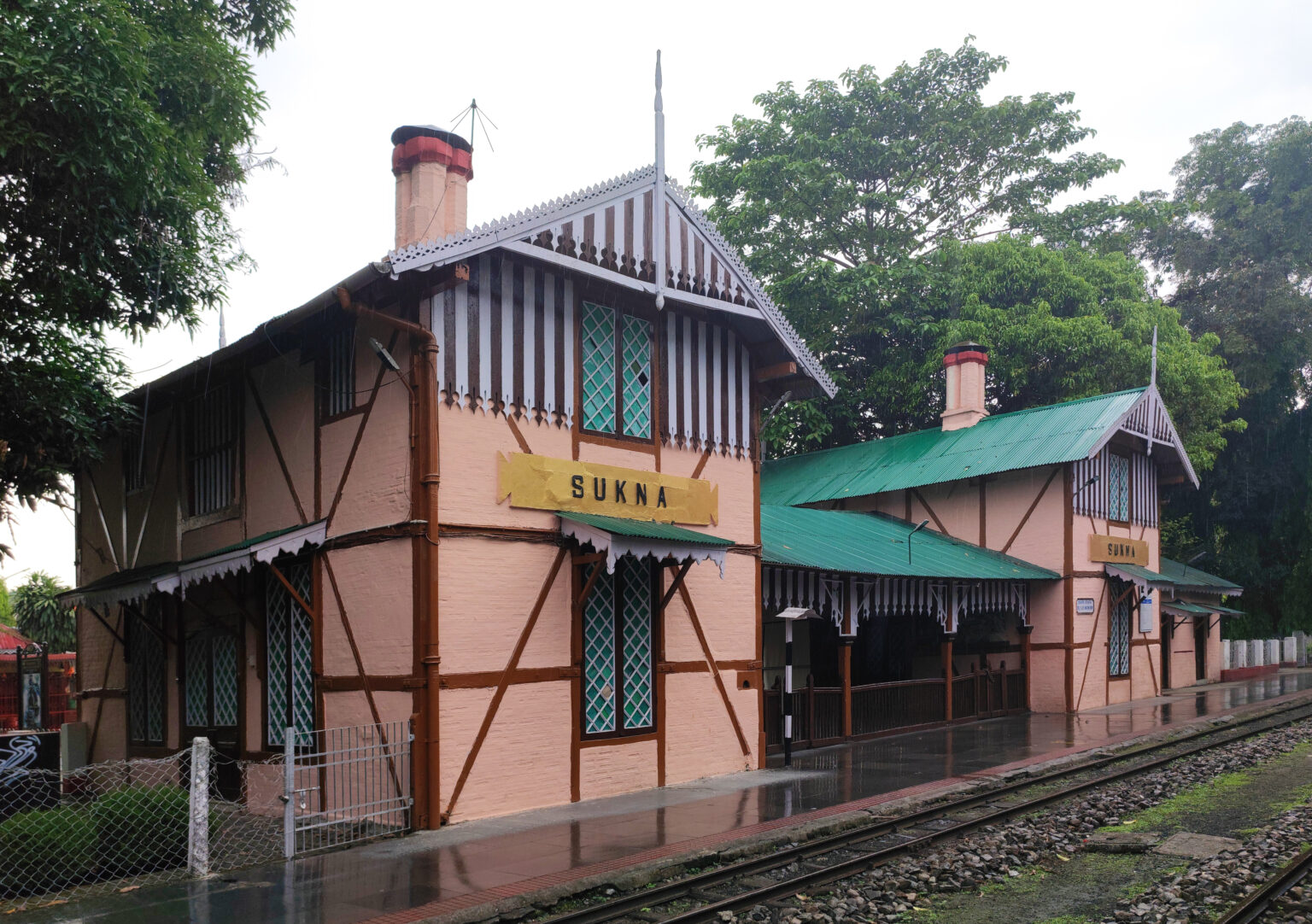
The technical approaches are not the same. The Darjeeling line has a gauge of 2 feet (0.610 metre) and runs for 88.48 kilometres from New Jalpaiguri to Darjeeling, passing through Ghoom at 2258 metres. The Nilgiri line uses a metre gauge, scaling an elevation of 326 metres to 2,203 metres, and represents the latest technology of its time. The Kalka Shimla line is 96.6 kilometres long and, at the time of construction, contained the world’s longest tunnel and highest multi-arc gallery bridge.
Why the inscription rests on two criteria
UNESCO inscribed the property under criteria (ii) and (iv). Criterion (ii) is about the interchange of technology and its impact on the social and economic development of a multicultural region. The railways show how a new transportation system imported during the colonial period became a model for similar developments elsewhere. In the case of Kalka Shimla, the terminus station at Shimla had an eminently political function, and the line has remained the main vector for human settlement up to the present day.
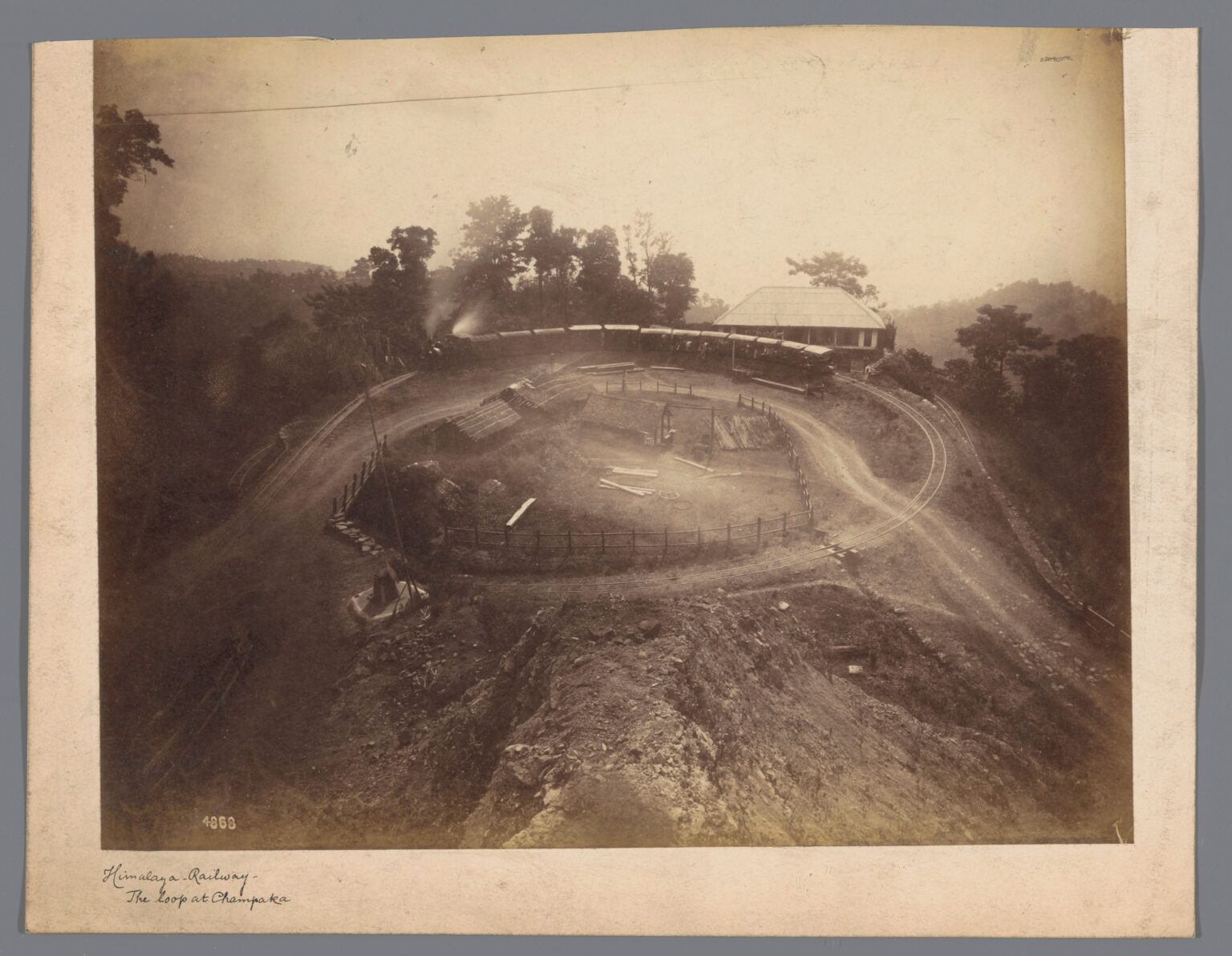
Criterion (iv) concerns the type of technological ensemble these railways represent. They cover different phases of development in high mountain areas and are emblematic of the technical and material efforts made to disenclave mountain populations through rail. The lines are maintained and used in the same spirit as at their inception. Their structural, functional and use integrity have all been preserved through systematic repair and maintenance.
Operating as they did at the start
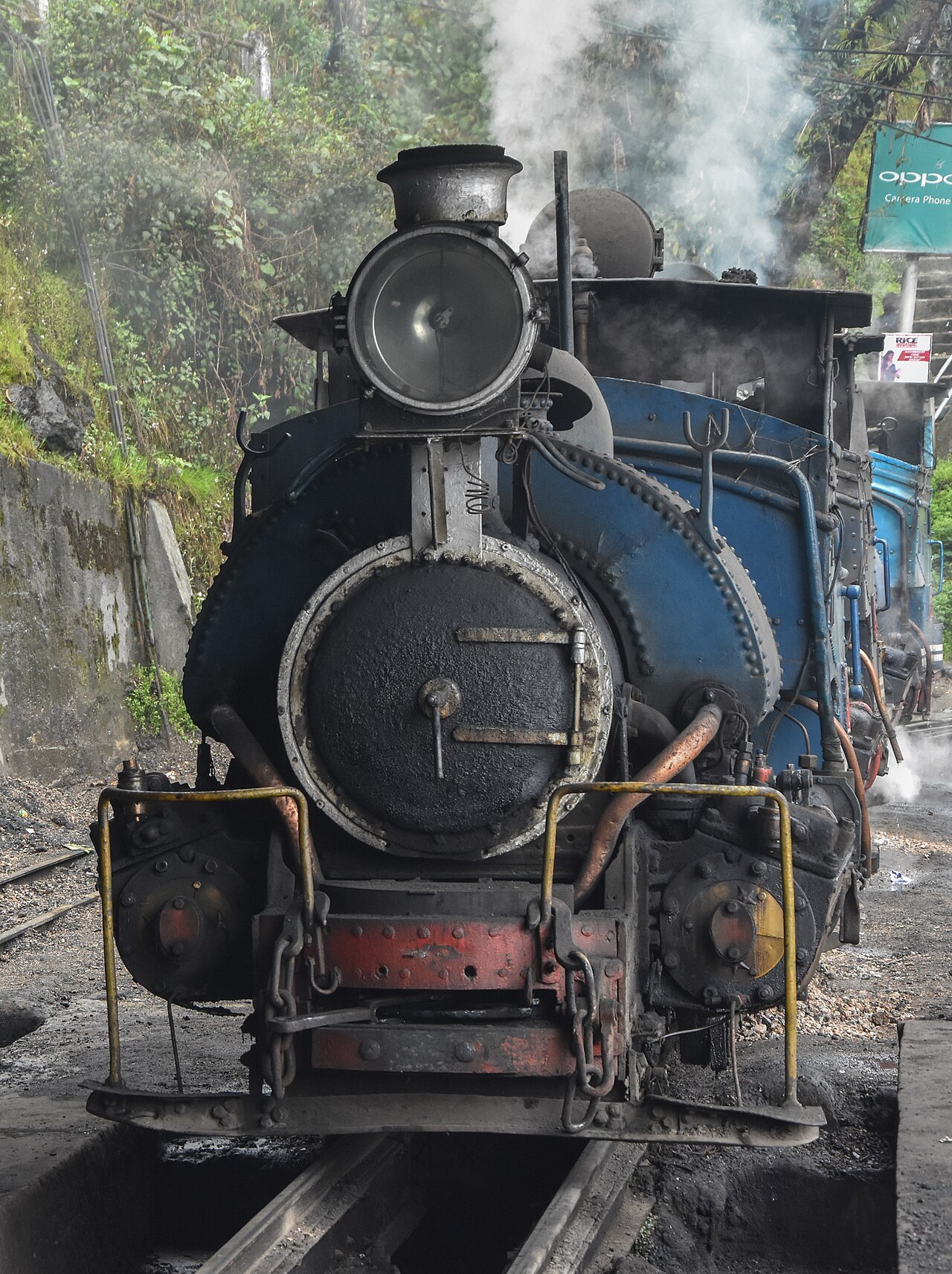
All three railways are still fully functional and operational, used for large-scale and permanent transport. The original intentions have not changed: they continue to carry passengers, and the services include special tourist trains. The famous B-class steam engines of the Darjeeling Himalayan Railway remain in operation, alongside original 4-wheeled carriages and bogie-type carriages that are still in use. The Ministry of Railways of the Indian Government owns the three properties.
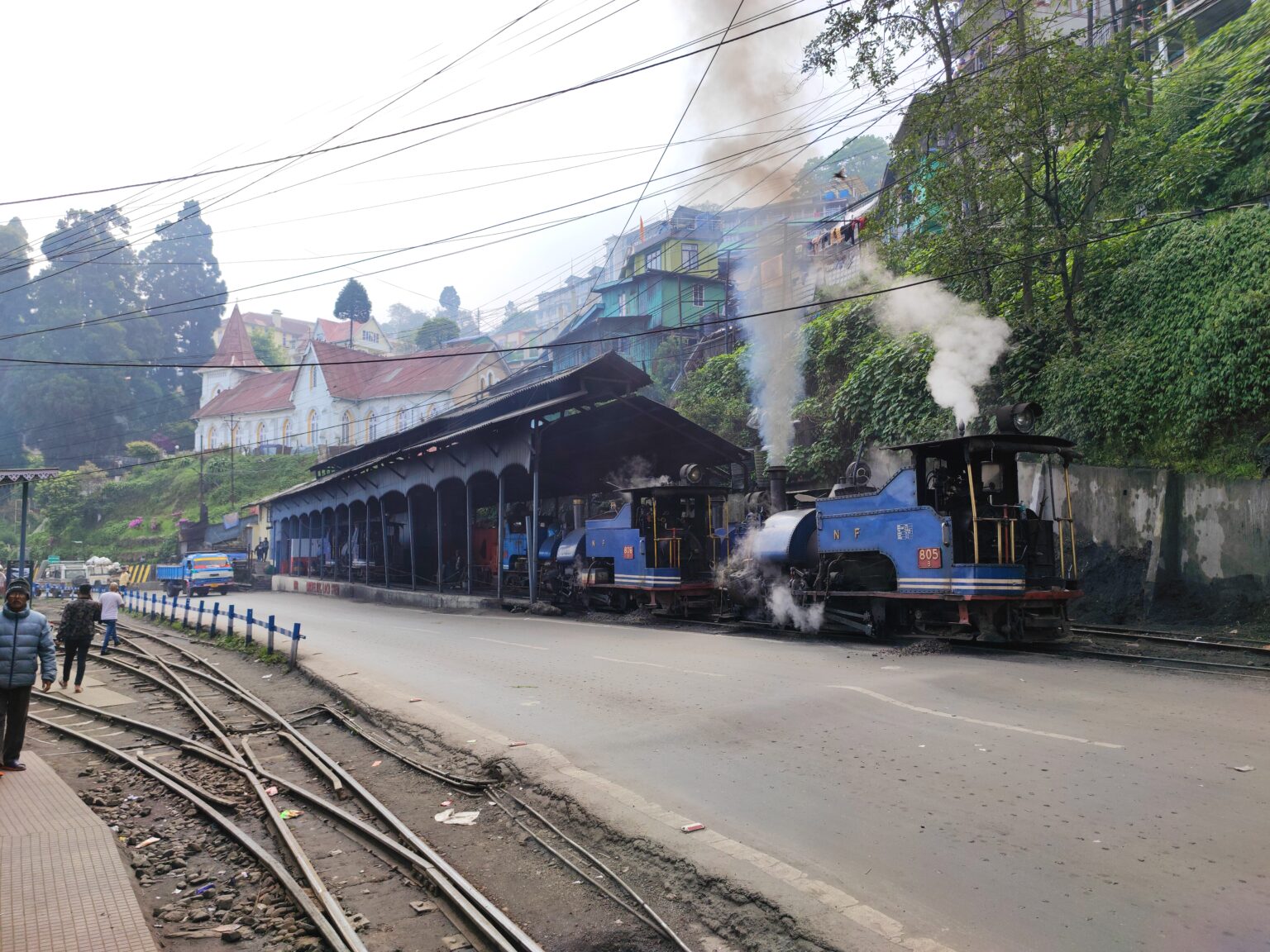
The main threats are climatic and geological risks, which have always been part of everyday operation. All three areas might be considered areas for potential earthquakes. The management has dealt with monsoon rain, landslides and rock-falls throughout the railways’ history. Tracks have been re-laid, retaining walls rebuilt, and station buildings reconstructed after earthquake or fire. The resource base is provided by the Indian Ministry of Railways, which operates the professional personnel and technical assistance departments of the three lines.
Frequently Asked Questions
Which UNESCO World Heritage sites are near the Mountain Railways of India?
Khangchendzonga National Park in Sikkim is 81 km away in a straight line, Sagarmatha National Park in Nepal is 168 km away and the Ruins of the Buddhist Vihara at Paharpur in Bangladesh are 235 km away. Manas Wildlife Sanctuary (277 km) and Kathmandu Valley (289 km) come after that.
When were the Mountain Railways of India inscribed?
The Darjeeling Himalayan Railway was inscribed in 1999, and the Nilgiri Mountain Railway and Kalka Shimla Railway were added to the same property through extensions. The three railways now form a single serial World Heritage listing under the collective name Mountain Railways of India.
Which railways form the Mountain Railways of India?
The Darjeeling Himalayan Railway in West Bengal, the Nilgiri Mountain Railway in Tamil Nadu, and the Kalka Shimla Railway in Himachal Pradesh. They are all still fully operational, and each uses a different engineering solution for steep mountain terrain.
What are the inscription criteria for the Mountain Railways of India?
The property was inscribed under criteria (ii) and (iv). Criterion (ii) covers the interchange of technology and its social and economic impact; criterion (iv) covers the railways as a technological ensemble representing different phases of development in high mountain areas.
Sources
- UNESCO World Heritage Centre — Mountain Railways of India (inscribed 1999). https://whc.unesco.org/en/list/944/
- UNESCO World Heritage Centre — Khangchendzonga National Park (inscribed 2016). https://whc.unesco.org/en/list/1513/
- UNESCO World Heritage Centre — Sagarmatha National Park (inscribed 1979). https://whc.unesco.org/en/list/120/
- UNESCO World Heritage Centre — Ruins of the Buddhist Vihara at Paharpur (inscribed 1985). https://whc.unesco.org/en/list/322/
- UNESCO World Heritage Centre — Manas Wildlife Sanctuary (inscribed 1985). https://whc.unesco.org/en/list/338/
- UNESCO World Heritage Centre — Archaeological Site of Nalanda Mahavihara at Nalanda, Bihar (inscribed 2016). https://whc.unesco.org/en/list/1502/
Spotted an error? Write to editorial@culturalheritageonline.com and we correct it the same day.