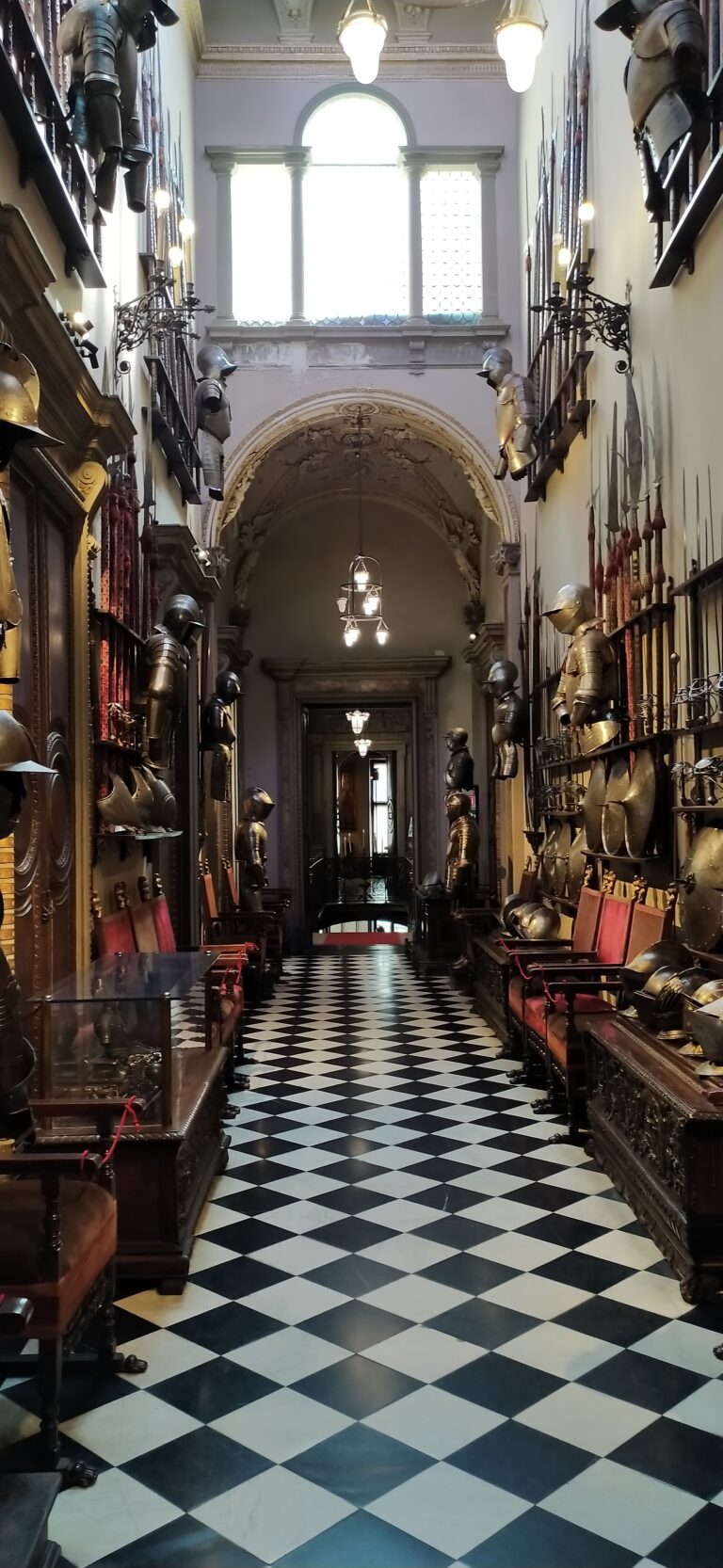
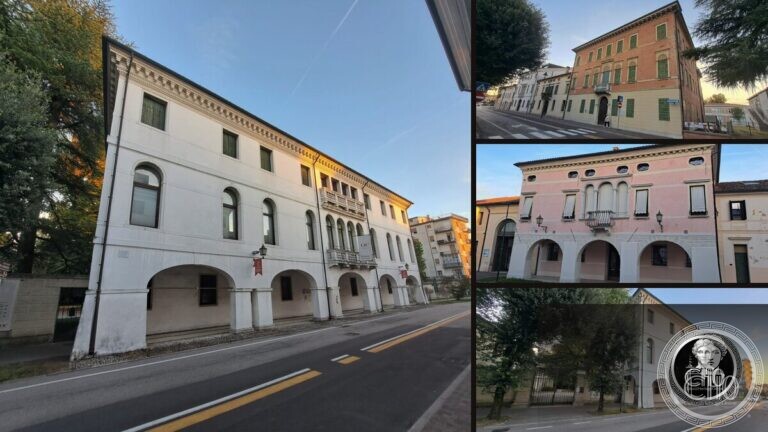
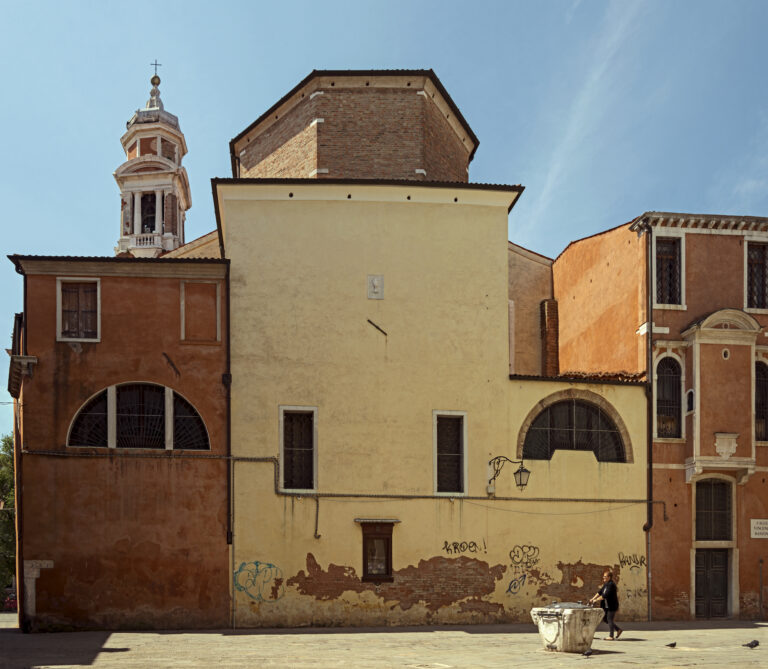
A measured survey, a pathology report, a site analysis: the work is already done. CHO Academic gives it a public, dated page under your name.
Every architecture degree trains you to read existing buildings. Almost none of that reading leaves the studio.
A measured survey of a façade. A pathology report on a wall. A site analysis that took three weeks before a line of the project was drawn. Graded, then filed.
That is the competence the profession is short of. Most architectural work in Europe and North America is no longer new construction but intervention on what exists: adaptive reuse, retrofit, restoration, change of use.
What you can publish
A building reading. A place page on CHO can carry the phases of construction, the structural system, the materials, the alterations and what a visitor should look for. Write it as you would explain the building to a client, not to an examiner.
Your drawings and photographs. Sections, plans, details, the same wall photographed in four seasons. They are documentation, and they are credited to you.
An itinerary. Eight or ten buildings across a district, joined by a walking route on the map, each with a short reading. It shows you can think at the scale of the city, not only of the object.
Two schools already documented this way
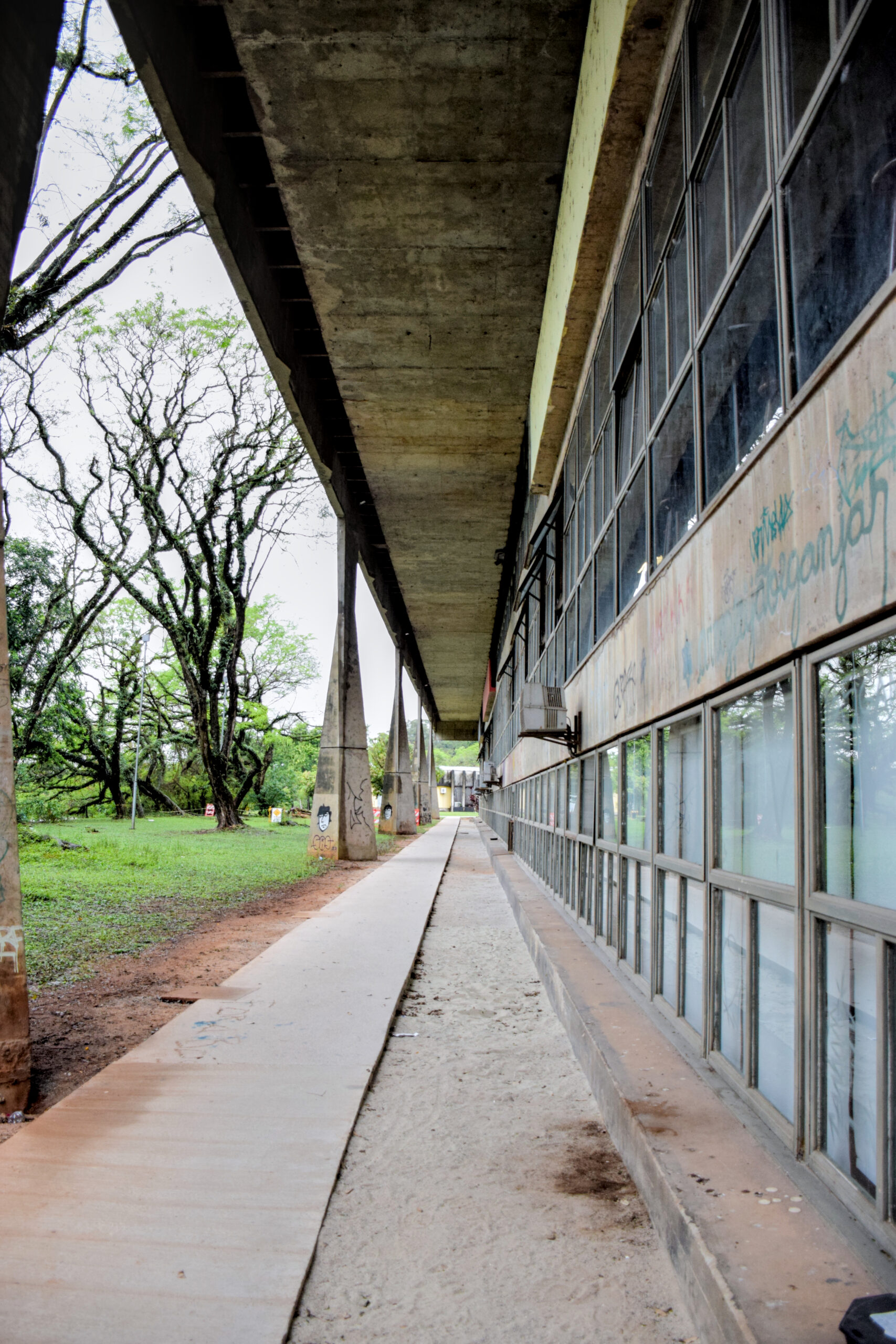
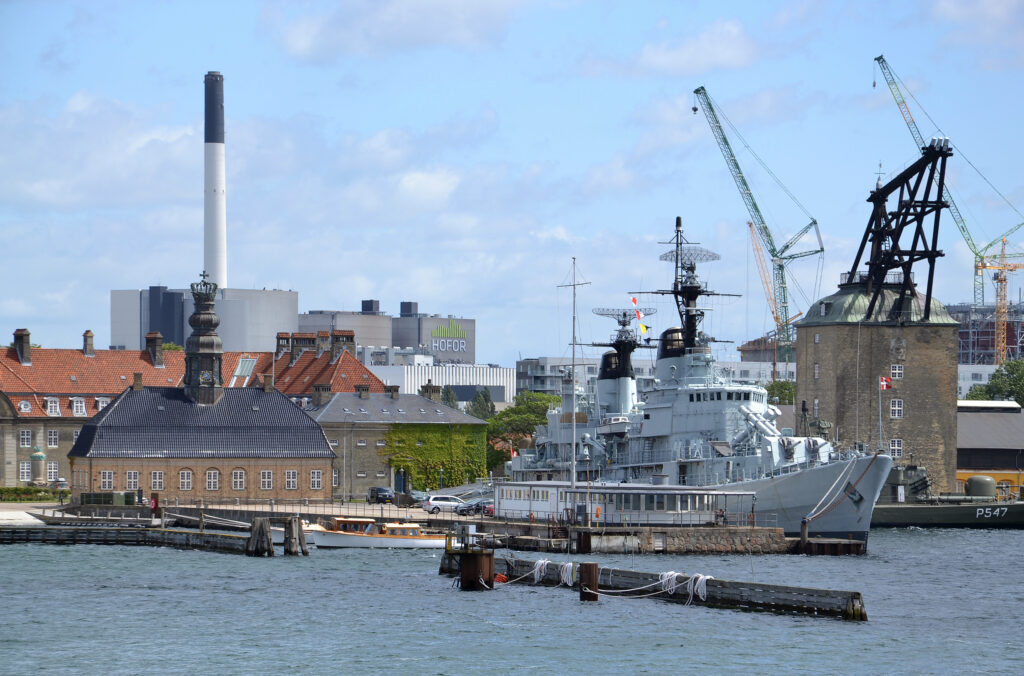
The Vilanova Artigas building is the Faculty of Architecture and Urbanism of the University of São Paulo. The former naval base of Holmen is a school of architecture in Copenhagen.
Both are schools in buildings that were something else first. That is the kind of reading a page can hold, and a rendering cannot.
Where to start
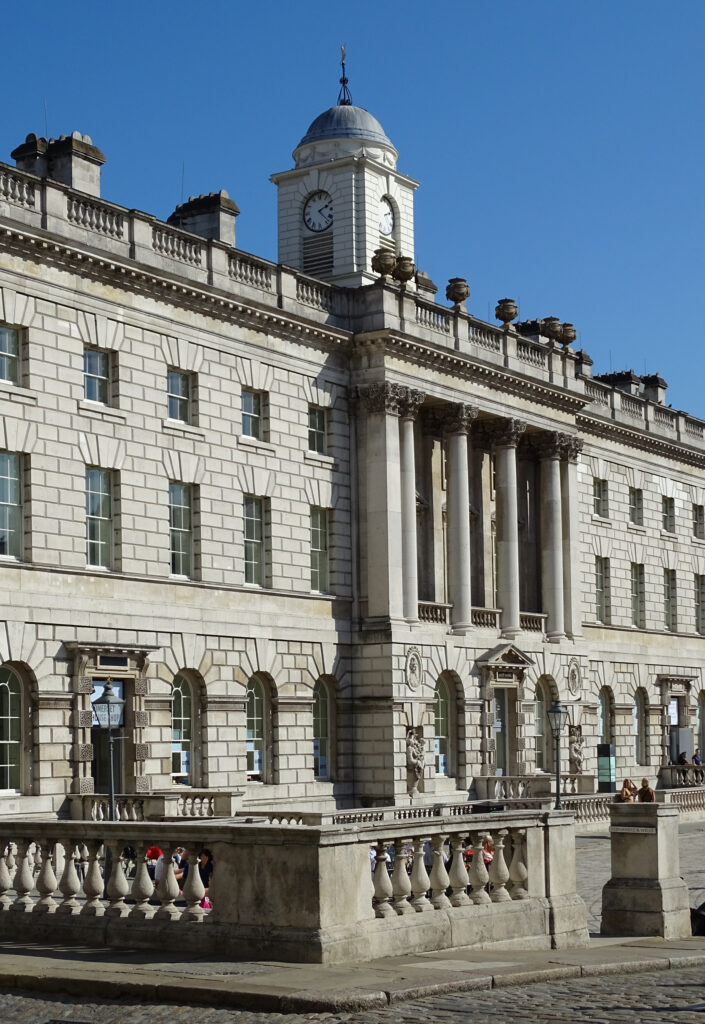
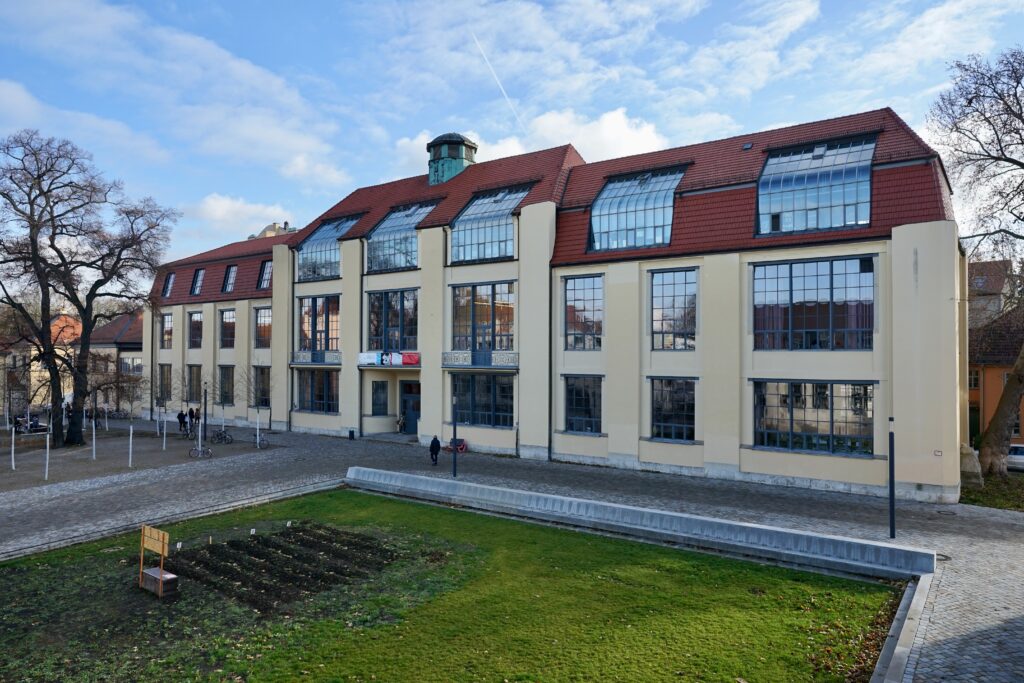
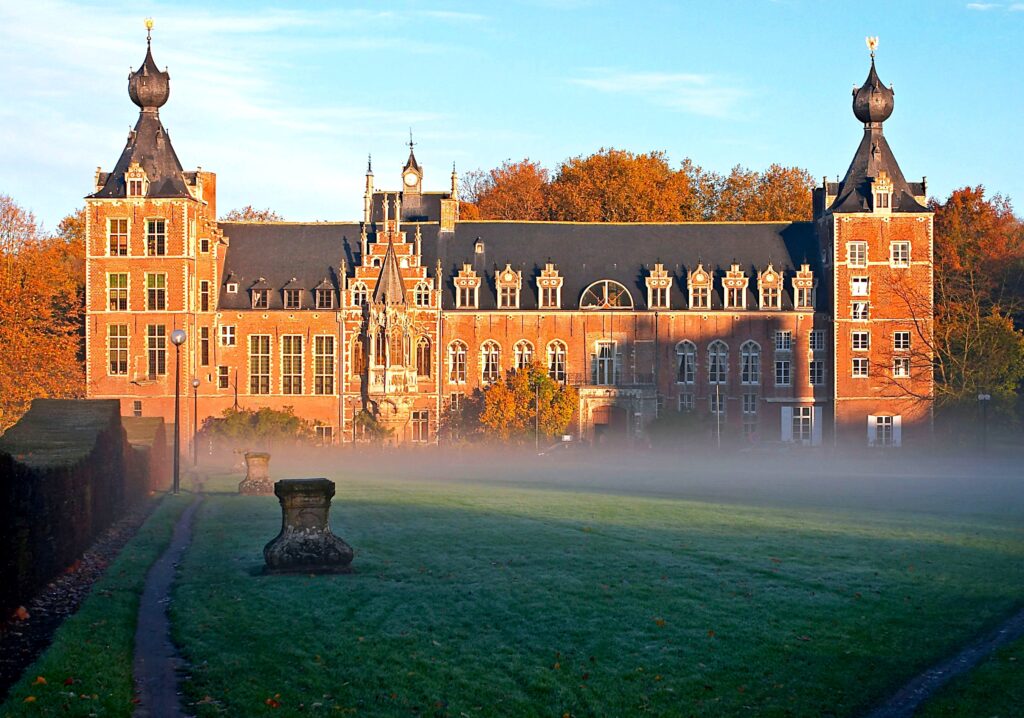
Start with the building you study in. Many architecture schools work in historic seats: the rooms the Royal Academy left at Somerset House, the Bauhaus in Weimar, the Arenberg Castle at KU Leuven.
If yours is not in the archive, it is the easiest first piece you will ever write: you have access, you have the drawings room, you can ask the staff.
What it does for your record
A portfolio shows what you designed. A published list of building readings shows how you look at what others designed: dated, signed, checkable in one click.
It will not get you a job on its own. It gives the person reading your application something a graduate rarely shows: evidence of fieldwork on real buildings.
Two things to know
The byline. If you write the piece yourself, it runs as By your name, edited but not rewritten. If the desk writes it up from your material, the credit says Reported by your name · Written with the CHO editorial desk. Nothing goes online with your name until you have approved it.
Panorama and cultural property. Several European countries limit freedom of panorama for recent architecture and public art, and in Italy pictures of state-owned cultural property in a commercial publication can require authorisation and a fee. Tell us where and when a photograph was taken, and the editors check first.
Frequently asked questions
Is CHO Academic free?
Yes. A free account is open to anyone and needs no institution. Students and faculty at a partner institution get Operator PRO, the professional account, at no cost: a department code or a recognised institutional address switches it on.
Does it count as a publication?
It is edited, fact-checked and carries the ISSN, so it can be cited. It is not a peer-reviewed article in an indexed journal, and it does not count as one towards a doctorate or a national qualification.
Who owns the copyright?
You keep the copyright of your text and your photographs. The licence you grant to CHO is described on the CHO Academic page.
Can I publish my own text exactly as I wrote it?
Yes, if you ask. The page then says that no AI tool was used on the text.
Sources
- Cultural Heritage Online, CHO Academic · https://culturalheritageonline.com/collaborate/academic/
- CHO, The Vilanova Artigas Building · https://culturalheritageonline.com/places/vilanova-artigas-building-fau-usp-sao-paulo/
- CHO, Holmen — Three Centuries of the Danish Navy, then a School of Architecture · https://culturalheritageonline.com/places/holmen-naval-base-architecture-school-copenhagen/
- CHO, Somerset House, Strand Block · https://culturalheritageonline.com/places/courtauld-somerset-house-strand-london/
- CHO, Bauhaus University, Weimar · https://culturalheritageonline.com/places/bauhaus-university-weimar/
- CHO, Arenberg Castle · https://culturalheritageonline.com/places/arenberg-castle-ku-leuven-heverlee/
Spotted an error? Write to editorial@culturalheritageonline.com and we correct it the same day.