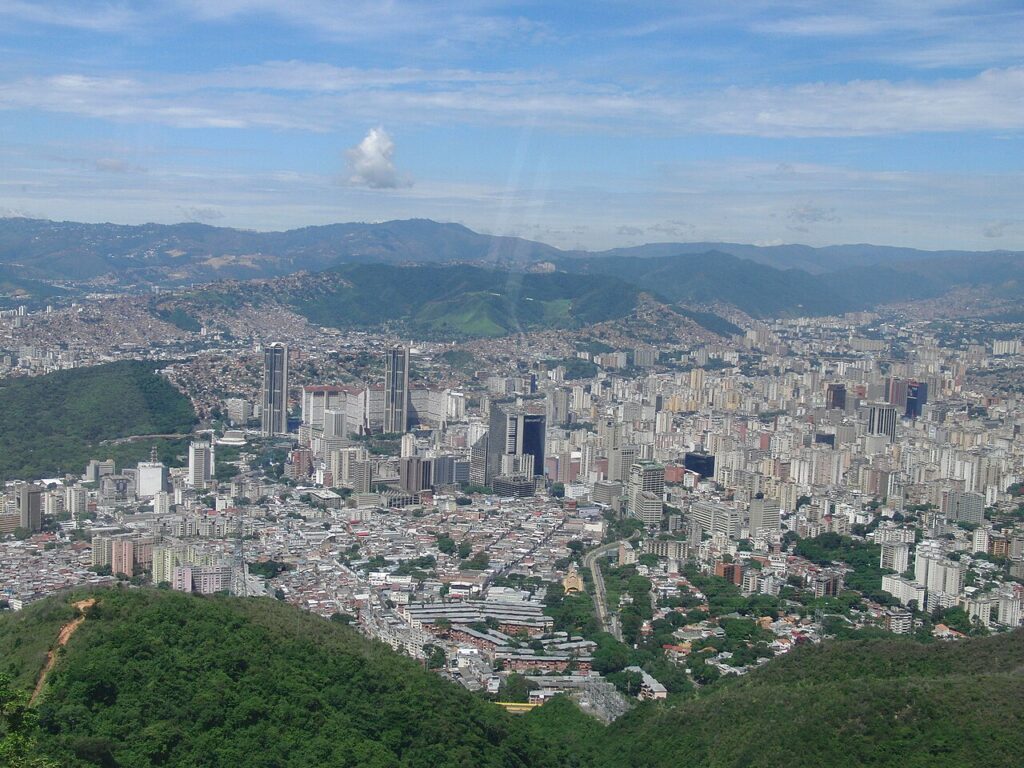
Caracas, Venezuela · UNESCO World Heritage Site 2000 · Modern architecture and integrated arts
Ciudad Universitaria de Caracas: Where to Stay and What to See Nearby
The campus of the Universidad Central de Venezuela in Caracas, designed by architect Carlos Raúl Villanueva between 1940 and 1960, is one of the most significant examples of the integration of modern architecture, urban planning, and visual art in the 20th century — a 162-hectare campus where works by Alexander Calder, Fernand Léger, Jean Arp, and Wifredo Lam are embedded in the architecture as constituent elements, not decoration, making it the largest open-air museum of modern art in Latin America.
Sources
- S1 — UNESCO World Heritage Centre — Ciudad Universitaria de Caracas (Ref. 986) — https://whc.unesco.org/en/list/986/
- S2 — Consejo de Preservación y Desarrollo (COPRED) — Universidad Central de Venezuela — https://www.ucv.ve/copred
Frequently Asked Questions about the Ciudad Universitaria de Caracas
- Why is a university campus a UNESCO World Heritage Site?
- The Ciudad Universitaria de Caracas was inscribed because it represents one of the most complete and coherent examples of the integration of modern architecture, urban planning, and fine art in the 20th century — a concept that Le Corbusier called “synthesis of the major arts.” Villanueva’s achievement was to make the integration of artworks into architecture not cosmetic but structural: the Calder clouds are acoustic panels that control the sound in the Aula Magna; the Léger murals are site-specific elements that define the spatial experience of the covered plazas. The campus as a whole is an unprecedented commission of art at the scale of a city, by artists at the peak of international modernism, in a context where the buildings and artworks were designed simultaneously as a unified aesthetic experience.
- What is Alexander Calder’s “Nubes” in the Aula Magna?
- Alexander Calder (1898–1976), the American sculptor known for inventing the mobile, created “Nubes” (Clouds) for the Aula Magna ceiling between 1952 and 1953. The installation consists of 85 suspended floating panels of painted aluminium in red, blue, yellow, black, and white — organic cloud-like forms arranged at varying heights and angles across the 2,660-seat concert hall’s ceiling. The panels were designed in collaboration with acoustician Robert Newman to optimise the hall’s sound diffusion; they are simultaneously acoustic baffles and kinetic sculpture. Calder visited Caracas to oversee the installation personally. “Nubes” is considered one of Calder’s most important site-specific works and the most important integrated ceiling artwork in a concert hall anywhere.
- Is the Ciudad Universitaria safe to visit in current-day Caracas?
- The campus itself is generally considered one of the safer environments in a city that otherwise requires constant security awareness. The Metro (Line 1, Ciudad Universitaria station) provides safe direct access from central Caracas and the eastern hotel districts. The campus is active during the day with thousands of students, faculty, and staff present — the density of people and the presence of university security make it significantly safer than most of Caracas. The main risks are the same as anywhere in Caracas: pickpocketing, phone snatching, and opportunistic theft. Do not carry unnecessary valuables; use the metro rather than taxis for the campus visit itself. Check your government’s current Venezuela travel advisory before planning any visit to the country.
Spotted an error? Write to the editors and we correct it the same day.