Sources
- S1 — Viniegra, Juan. Iberia: Crónica de 75 años de aviación comercial española. Madrid, 2002. ISBN 978-84-607-4952-3.
- S2 — Salas Larrazábal, Jesús. Historia de las líneas aéreas españolas. Instituto de Historia y Cultura Aeronáuticas, 1988. ISBN 978-84-505-7890-4.
On June 28, 1927, Basque industrialist Horacio Echevarrieta and German aviation partners incorporated Iberia, Compañía Aérea de Transportes in Madrid. Inaugurating commercial postal and passenger air service between Madrid and Barcelona on December 14, 1927, attended by King Alfonso XIII, Iberia pioneered Spain’s civil aeronautical era, establishing an aerial corridor connecting the Iberian Peninsula with Europe and Latin America.
The Inaugural Flight: Connecting Madrid and Barcelona
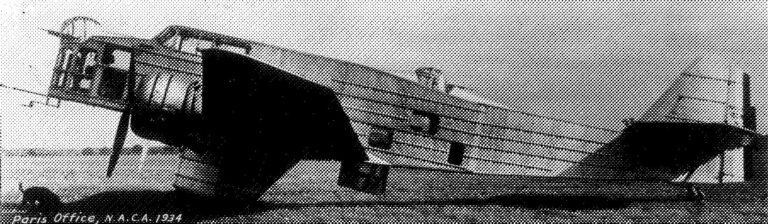
In the late 1920s, ground transportation across the rugged terrain of the Iberian Peninsula was slow and fragmented. Financed by Bilbao industrialist and financier Horacio Echevarrieta (1870–1963) with technical and aircraft investment from Deutsche Luft Hansa, Iberia was established with a fleet of three Rohrbach Ro VIII Roland trimotor passenger planes. Accommodating ten passengers in wicker seats alongside mail freight, the aircraft cruised at approximately 200 km/h.
On December 14, 1927, the inaugural flight departed Cuatro Vientos aerodrome in Madrid bound for Barcelona. King Alfonso XIII attended the ceremony, officially inaugurating a scheduled service that reduced a twelve-hour train journey to a three-and-a-half-hour aerial flight.
The Transatlantic Bridge: From Cuatro Vientos to Barajas
Following the Spanish Civil War and World War II, Iberia resumed international expansion. In 1946, operating a four-engine Douglas DC-4, Iberia became the first European commercial carrier after the war to inaugurate scheduled passenger services across the South Atlantic to South America (flying from Madrid to Buenos Aires with technical stops in Villa Cisneros, Natal, and Rio de Janeiro).
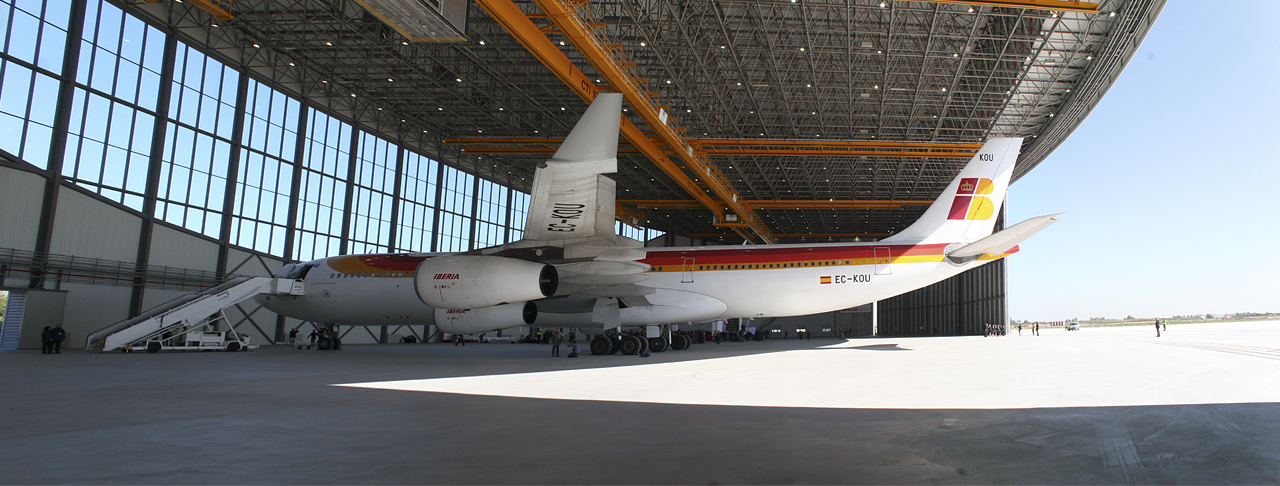
Today, operating from its hub at Terminal 4 in Madrid-Barajas as part of International Airlines Group (IAG), Iberia approaches its 1927–2027 centenary as one of the world’s continuously operating commercial airlines.
Pioneers of the Sky: Interwar Commercial Passenger Flight and Trimotor Airliners
Original historical newsreel from the Istituto Luce Cinecittà Archive capturing interwar commercial passenger boarding and trimotor transport aircraft; this is period footage illustrating early civil aviation and does not show Iberia. (Source: Historical Archive Istituto Luce Cinecittà / Period Newsreels)
Interactive 360° Heritage View: Iberia Historic Aviation Headquarters & Barajas Campus
Historical Location: Calle Martínez Villergas 49, 28027 Madrid, Spain (Coordinates: 40.4468, -3.6535)