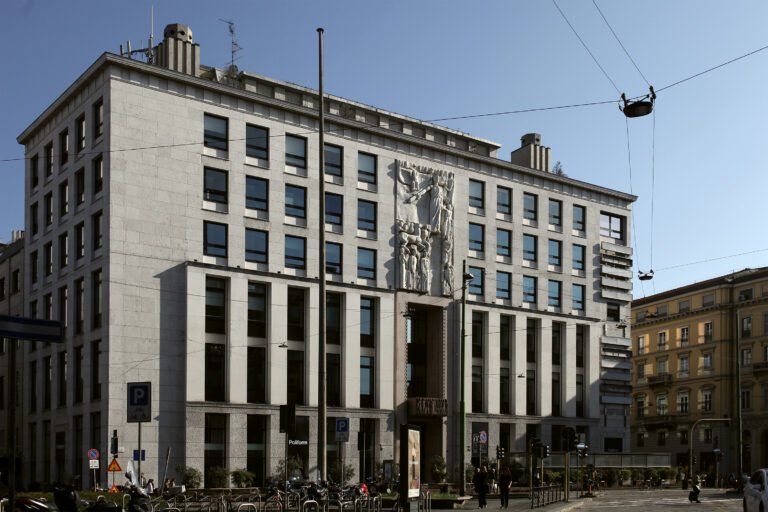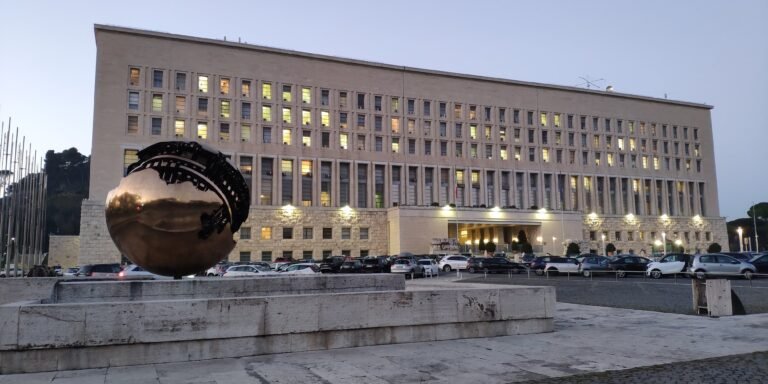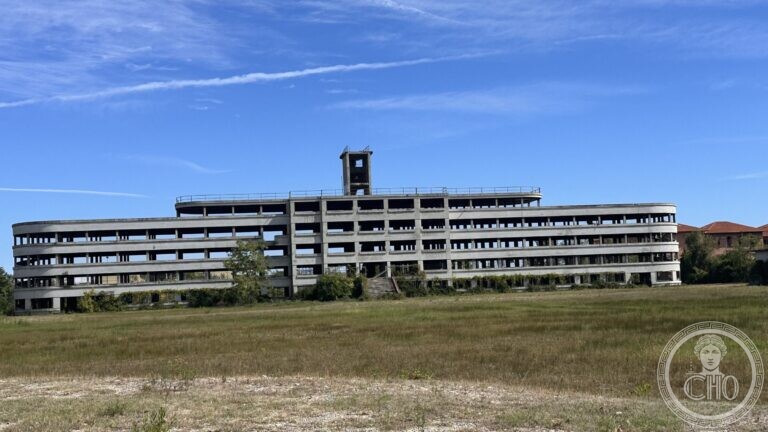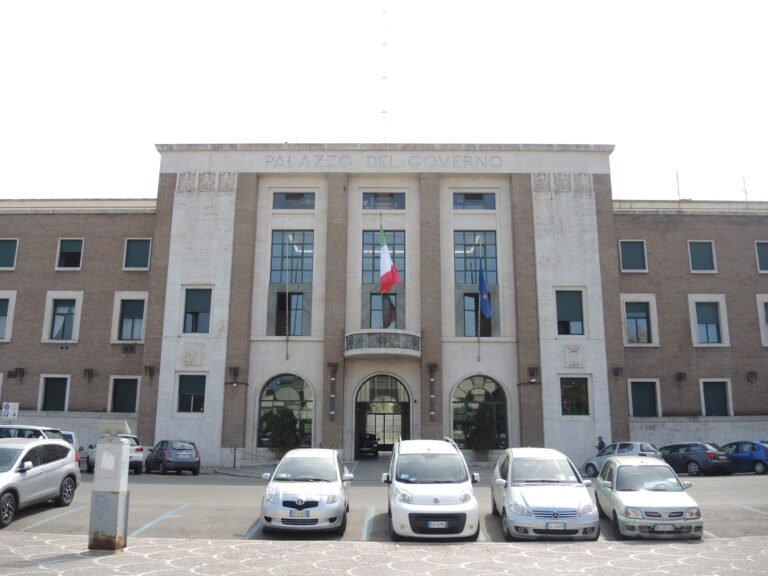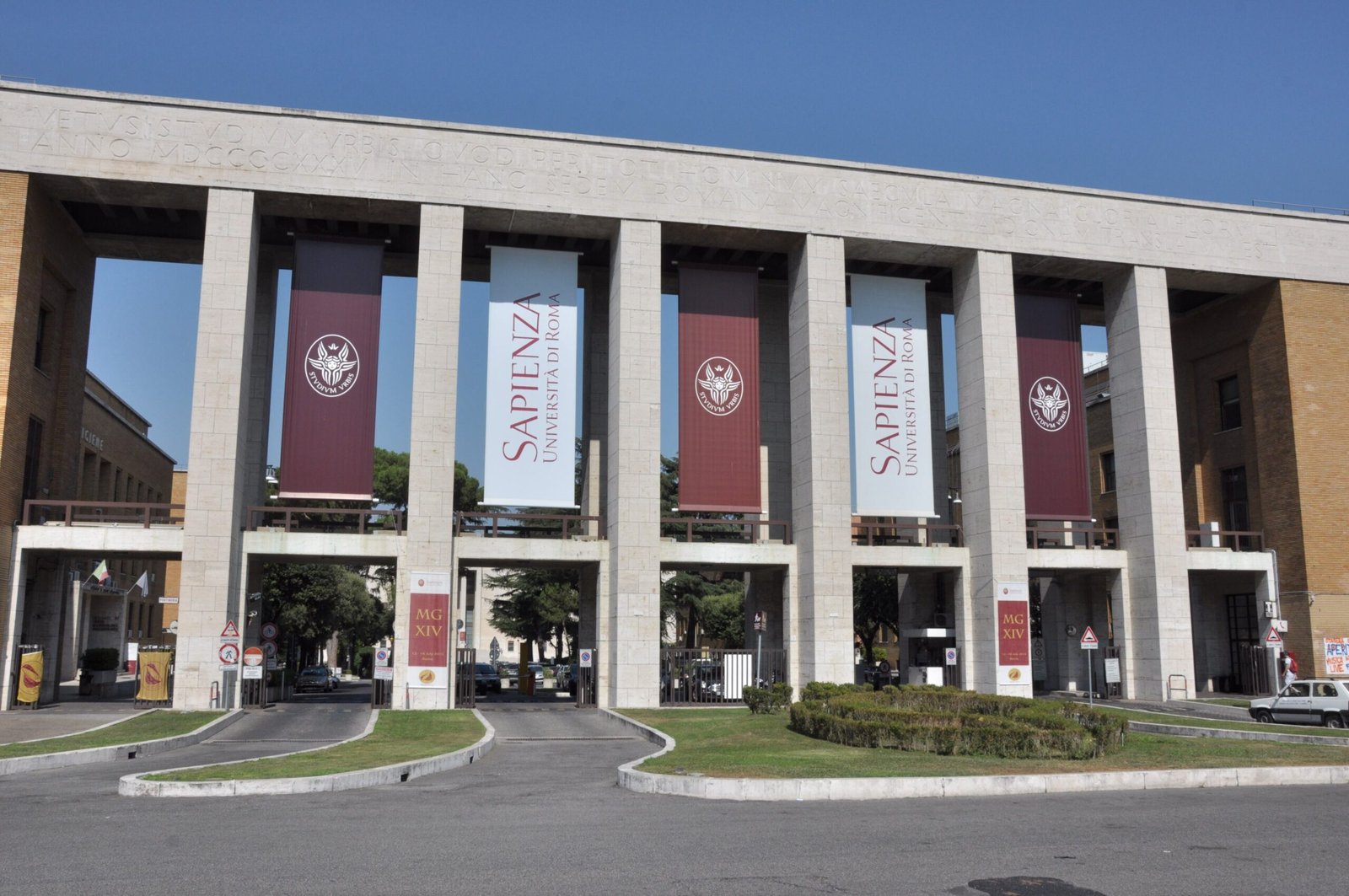
The Institute of Hygiene and Bacteriology, designed by architect Arnaldo Foschini in 1935, forms part of the Città Universitaria campus of Rome’s La Sapienza University. Today known as the Institute of Hygiene G. Sanarelli, the building exemplifies the architectural developments of interwar Italian institutional design.
Foschini (1884–1968), a Rome-born architect trained at the city’s Institute of Fine Arts under Gaetano Koch and Guglielmo Calderini, maintained a dual career in teaching and professional practice. His work during this period aligned with contemporary currents in Italian architecture, contributing significantly to the built environment of the fascist era. The Institute of Hygiene represents one of several important commissions Foschini undertook for Rome’s institutional infrastructure, following earlier projects including the 1913 Caserma Piave and the 1917 dome of Santa Rosa church in Viterbo.
About Arnaldo Foschini
Foschini’s architectural training encompassed both neoclassical and modern principles. He held the rank of full professor at Rome’s Institute of Fine Arts and enjoyed the professional esteem of Marcello Piacentini, a relationship that enabled his prominence within institutional and state commissions of the interwar decades.
Details
- Architect: Arnaldo Foschini
- Year completed: 1935
- Location: Città Universitaria, La Sapienza University, Rome
- Current name: Institute of Hygiene G. Sanarelli
- Architectural context: Rationalist institutional design
Frequently asked questions
Who designed the Institute of Hygiene?
Arnaldo Foschini, a Rome-born architect (1884–1968), designed the building. Foschini was trained at Rome’s Institute of Fine Arts and maintained a significant career in both teaching and architectural practice.
When was the Institute of Hygiene built?
The Institute was completed in 1935 as part of Rome’s Città Universitaria expansion within La Sapienza University, which was founded in 1303 and remains Europe’s largest university.
What is the building called today?
The Institute of Hygiene and Bacteriology is now known as the Institute of Hygiene G. Sanarelli and continues to operate as part of La Sapienza University.
Sources
- S1 — Nicoloso, Paolo. Gli architetti di Mussolini: scuole e propaganda. Einaudi, 2008. ISBN 978-88-06-19086-6.
- S2 — Ciucci, Giorgio. Gli architetti e il fascismo: architettura e città 1922-1944. Einaudi, 1989. ISBN 978-88-06-11656-9.
Spotted an error? Write to editorial@culturalheritageonline.com and we correct it the same day.