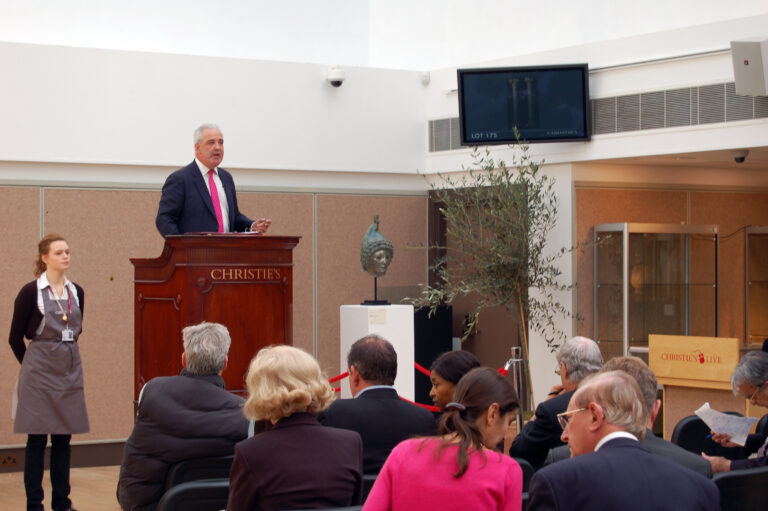
The Art Basel and UBS Global Art Market Report 2026 found a market that grew 4% to $59.6 billion, with dealer sales at $34.8 billion and art fairs back to 35% of dealer sales. The same report found online art sales down to $9.2 billion. The conclusion the trade drew is that higher-value transactions are returning to the room. The room, however, is rarely the thing a collector can find online.
Online sales fell, visits came back
The numbers are not ambiguous. Dealer sales rose 2% to $34.8 billion, public auction sales rose 9% to $20.7 billion, and art fairs reached 35% of dealer sales, the highest share since 2022. Online art sales declined to $9.2 billion. After years of contraction the market grew, and the growth is in person.
For a gallery this is good news and a problem. The collector is willing to come. The question is whether anything online tells them that the room is worth the trip.

What a gallery sells when it sells a visit
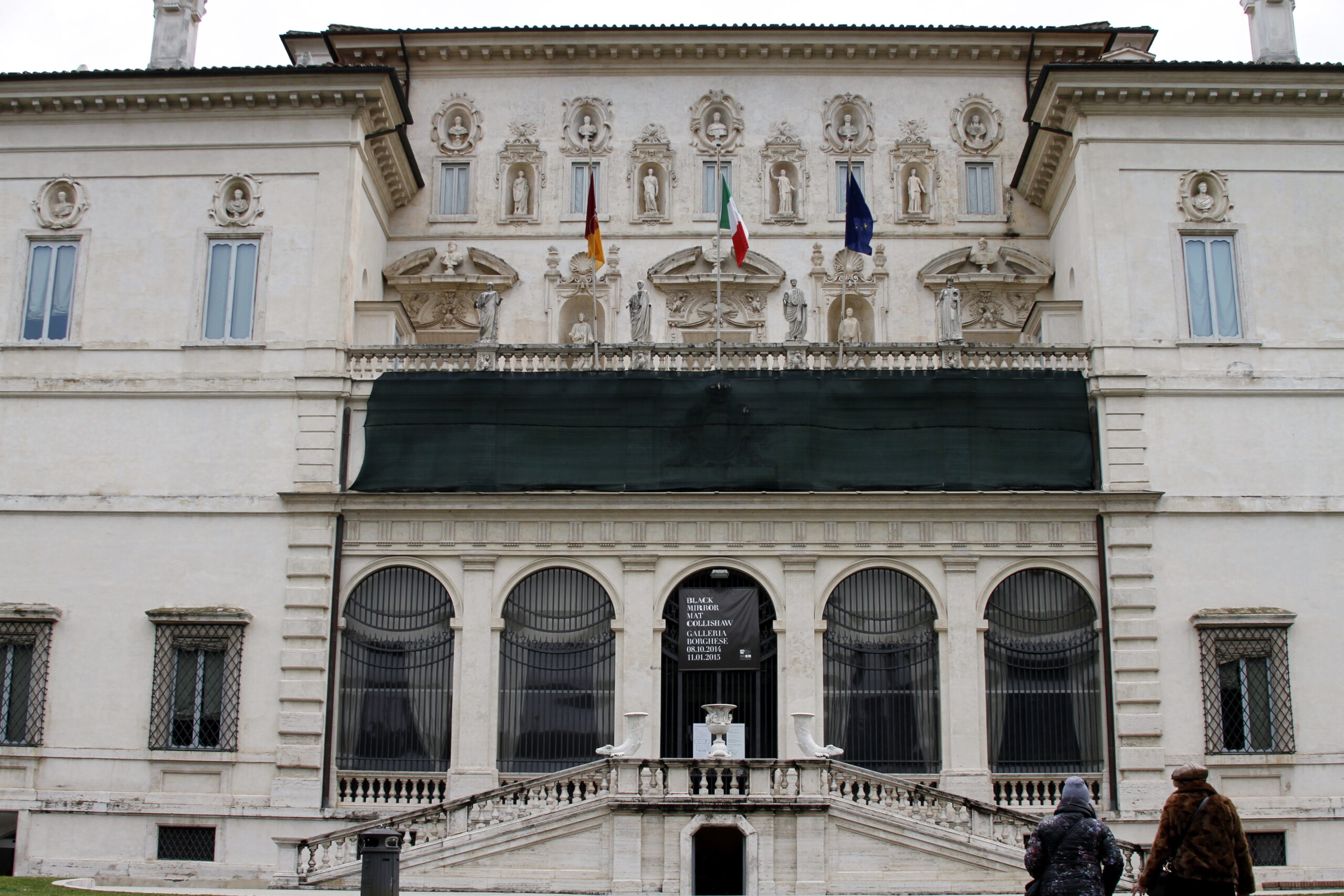
A gallery sells two things at once: the works and the room. The works have a market, a fair, a social account, a marketplace page. The room usually has nothing: a line in the contacts page, maybe a photograph of the entrance. The building’s date, the architect, the previous life of the rooms, the quarter around it, the other collections within a walk, none of that is on the page a collector reads before deciding to come.
That is the gap the art market’s own numbers describe. If the visit is where the sale happens, the visit has to be discoverable, and a collector who searches the building finds the building’s history before finding the gallery.

The page the building doesn't have
A documented place page gives the room a page: the building’s story with its sources, the architect, the date, the map, the photographs with credits, the quarter. A guest post in the archive can do the same for a single work, a single room or a single restoration.
The archive behind it has been documenting heritage since 1998. A gallery that publishes its building in that archive is not advertising; it is putting the room into the same record as the works, where a reader and a model can find it.

What it does not do
It does not sell the works and it does not promise collectors. Prices, availability and the relationship with the buyer stay with the gallery. It does not replace the fair or the visit. It makes the visit findable, and it keeps the building’s page alive after the exhibition closes.
The first step is a page that says what the building is, with a source for each fact.
Sources
- Mark Westall, Global Art Market Report 2026: Art Sales Reach $59.6 Billion, FAD Magazine, 12 March 2026 (sul rapporto Art Basel & UBS 2026 di Clare McAndrew): · https://fadmagazine.com/2026/03/12/global-art-market-report-2026-art-sales-reach-59-6-billion/
- Cultural Heritage Online, Founding Partner: · https://culturalheritageonline.com/founding-partner/
- Cultural Heritage Online, Guest Post: · https://culturalheritageonline.com/guest-post/
Curated by Stefano Vigolo for Cultural Heritage Online.
Spotted an error? Write to editorial@culturalheritageonline.com and we correct it the same day.