
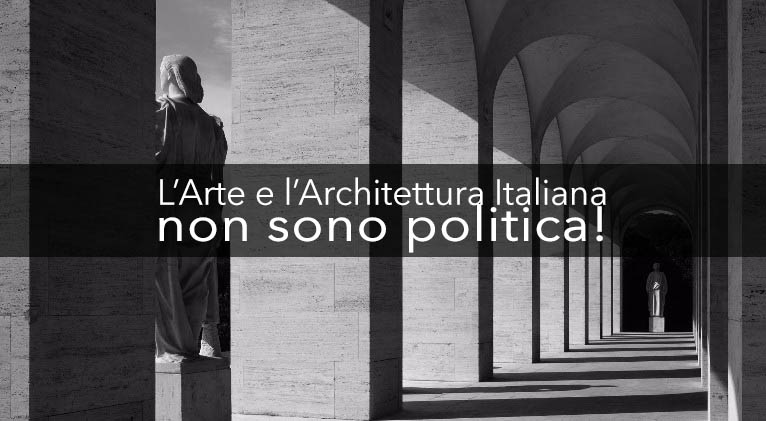
In May 2019, a New Yorker article by Ruth Ben-Ghiat, professor of history and Italian studies at New York University, posed a provocative question: why do so many fascist monuments still stand in Italy? Paraphrasing architect Vittorio Gregotti’s response to Ben-Ghiat’s challenge, a historical perspective reveals that evaluating fascist-era architecture requires objective analysis of artistic processes, transcending political ideology.
Rational Architecture and Its Principles
Italian rational architecture of the 1920s pursued harmony, rhythm, and symmetry through new construction methods, material properties, and precise functional design. Adalberto Libera, writing in the catalogue of the First Italian Exhibition of Rational Architecture in Rome in 1928, articulated this philosophy: “Rational architecture—as we understand it—rediscovers harmonies, rhythms, and symmetries in new constructive schemes, in the character of materials, and in perfect correspondence to the needs the building is destined to serve.”
The EUR Quarter as Cultural Landmark
The EUR district in Rome, exemplifying this rational design movement, became a favoured location for Italian cinema. The Palazzo dei Congressi and its expansive marble colonnades attracted major directors. Roberto Rossellini filmed “Rome, Open City” there; Mario Monicelli shot scenes from “Risate di gioia” with Anna Magnani in the quarter. Dino Risi’s “Il sorpasso” and Vittorio De Sica’s “Il boom” also used the area as a setting. Federico Fellini’s “La dolce Vita” made particular use of the district’s wide spaces and white marble columns. In a letter to actor Peppino De Filippo dated 7 August 1961, Fellini expressed affection for the neighbourhood: “I care for you greatly, dear Peppino, and I too miss those ramshackle nights on the EUR meadow.”
Explore more: 509 heritage places in Roma
Frequently asked questions
What was rational architecture in Italy?
Rational architecture, exemplified in the First Italian Exhibition of 1928, sought harmony through new construction methods, material properties, and functional design that precisely matched a building’s intended purpose.
Why did Italian filmmakers use EUR as a filming location?
The EUR quarter’s expansive spaces, white marble colonnades, and rational architectural design made it an attractive setting for major Italian directors including Rossellini, Monicelli, Risi, De Sica, and Fellini.
Sources
- S1 — Nicoloso, Paolo. Architetture per un'identità italiana. Einaudi, 2012. ISBN 978-88-06-19086-6.
- S2 — Ciucci, Giorgio. Gli architetti e il fascismo: architettura e città 1922-1944. Einaudi, 2002. ISBN 978-88-06-16310-5.
Spotted an error? Write to editorial@culturalheritageonline.com and we correct it the same day.


