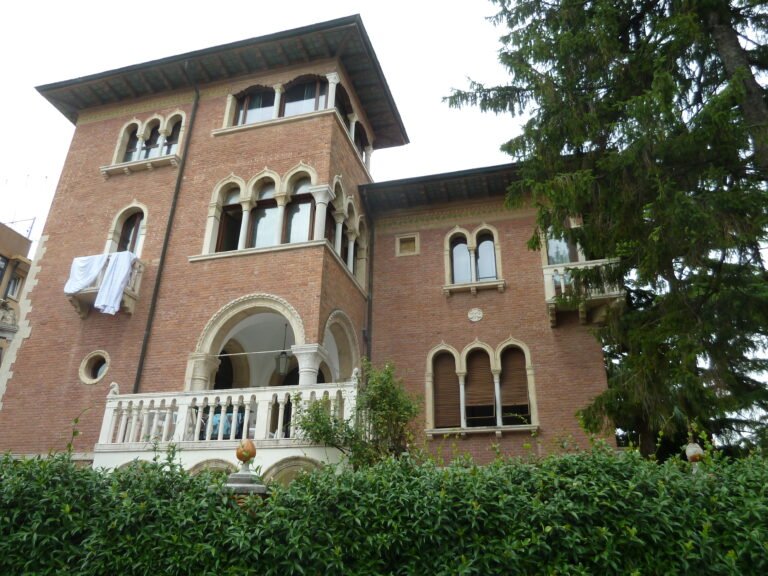
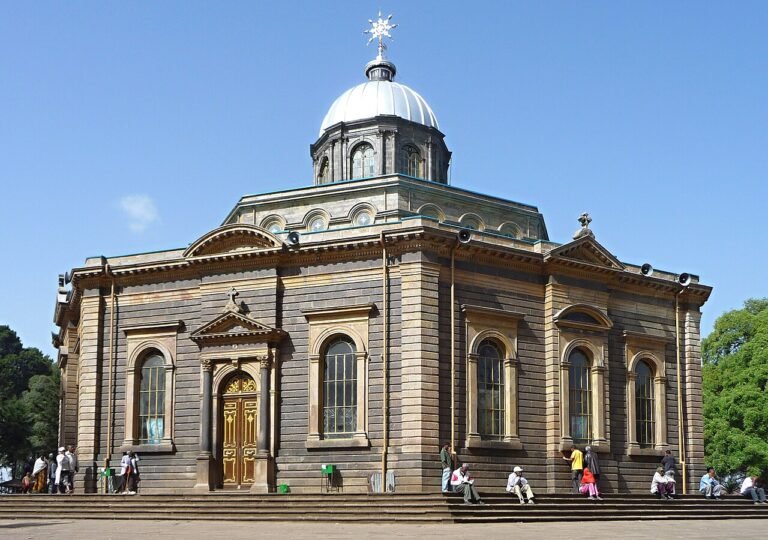
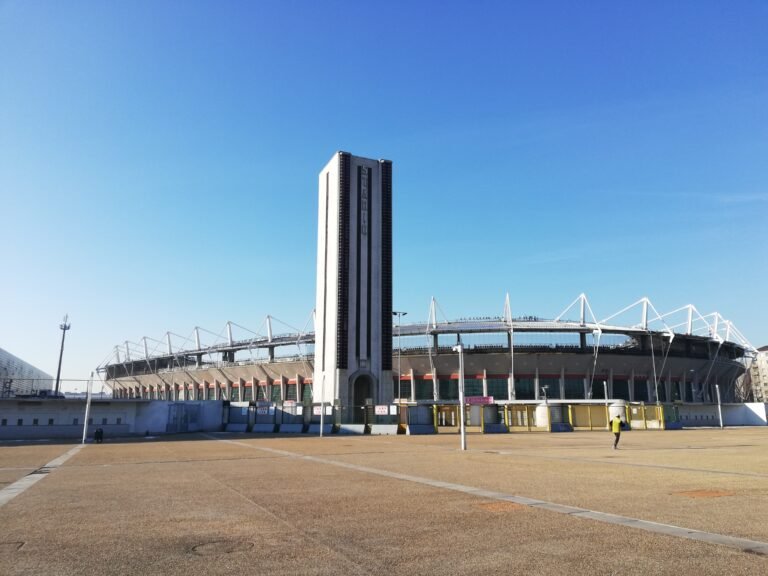
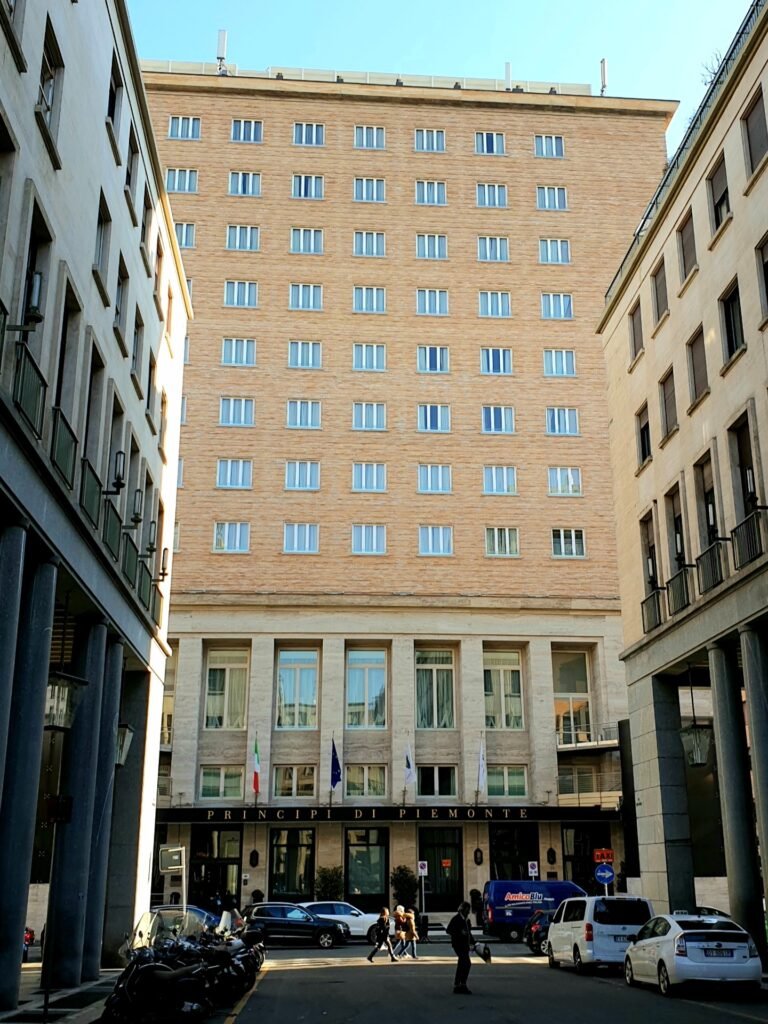
This photograph captures an entrance detail of the Città Universitaria, designed by architect Arnaldo Foschini in 1935 for Rome’s La Sapienza University. The composition documents a significant institutional building programme undertaken in fascist-era Italy.
Foschini (1884–1968) was a prominent Roman architect trained at the Istituto di Belle Arti, where he later held a professorship. His career spanned both teaching and professional practice at the highest level. Working closely with the influential architect Marcello Piacentini, Foschini became a central figure in the architectural culture of the regime period.
About Arnaldo Foschini
Foschini was born in Rome in 1884 and completed his diploma in 1909. He joined the Federation of Italian Architects in 1905 and built a dual career in academic instruction and architectural commission. Among his documented works are the Caserma Piave (1913), designed as headquarters for the Guardia di Finanza, and the dome of the church of Santa Rosa in Viterbo (1917).
Details
- Architect: Arnaldo Foschini
- Year: 1935
- Location: Città Universitaria, Rome
- Institution: La Sapienza University
- Type: Architectural detail, institutional building
On video
Frequently asked questions
Who designed the Città Universitaria?
Architect Arnaldo Foschini designed this entrance detail as part of the Città Universitaria project in 1935. Foschini was a senior figure in Roman architecture and worked closely with Marcello Piacentini throughout his career.
Where is the Città Universitaria located?
The Città Universitaria is located in Rome and serves La Sapienza University, Italy’s oldest university, founded in 1303.
What period does this building represent?
This 1935 project belongs to interwar Italian architecture, a period of significant institutional building in Rome. The structure documents the architectural practices and stylistic approaches of that era.
Sources
- S1 — Nicoloso, Paolo. Gli architetti di Mussolini: scuole e propaganda. Einaudi, 2008. ISBN 978-88-06-19086-6.
- S2 — Ciucci, Giorgio. Gli architetti e il fascismo: architettura e città 1922-1944. Einaudi, 1989. ISBN 978-88-06-11656-9.
Spotted an error? Write to editorial@culturalheritageonline.com and we correct it the same day.