

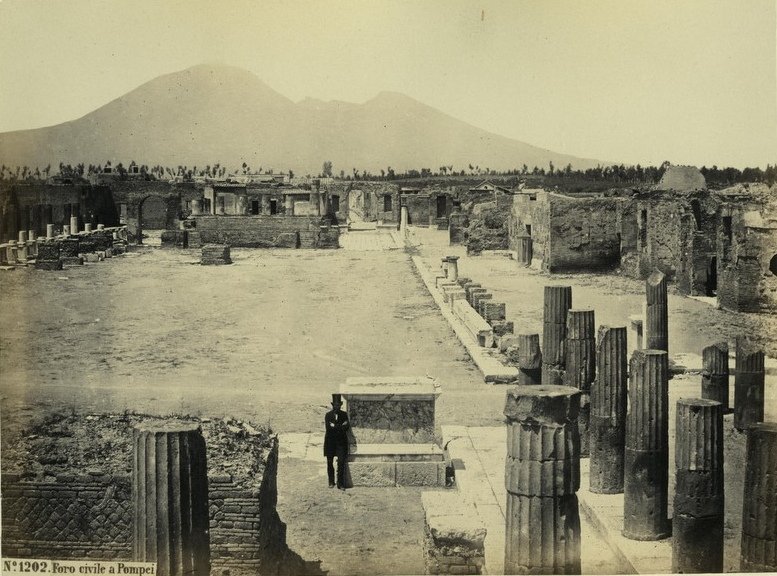
Archaeological Heritage: Definition and Protection
Archaeological heritage comprises the material remains of past human activity—sites, structures, artefacts, and landscapes that reveal how people lived…

Archaeological heritage comprises the material remains of past human activity—sites, structures, artefacts, and landscapes that reveal how people lived…
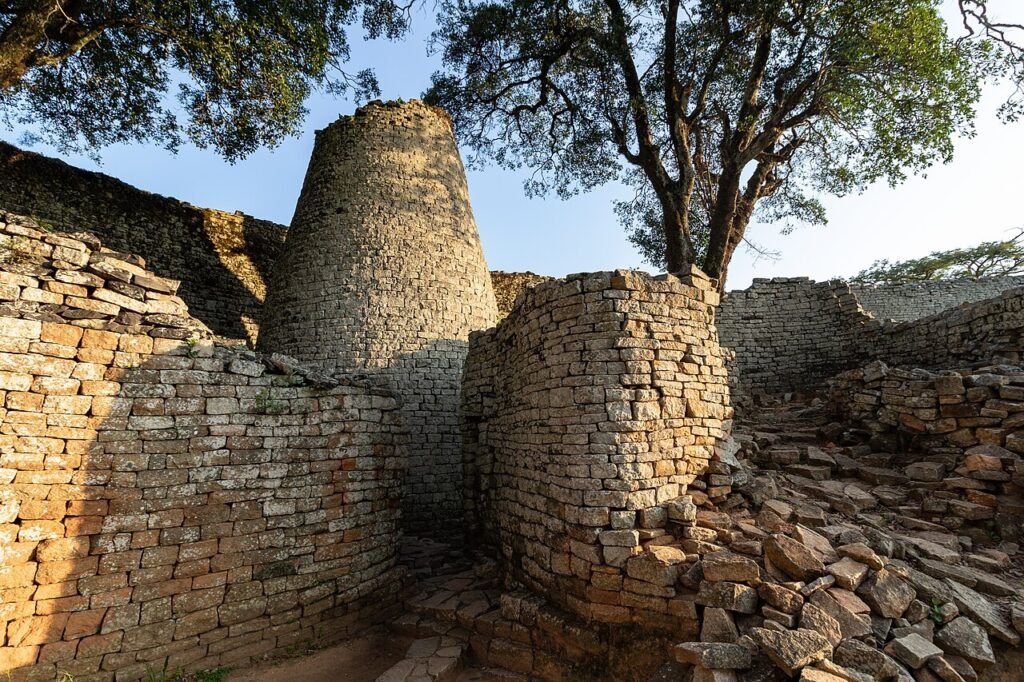
Sub-Saharan Africa is home to 108 UNESCO World Heritage Sites across 47 countries, a list that spans ancient stone cities, equatorial rainforests…
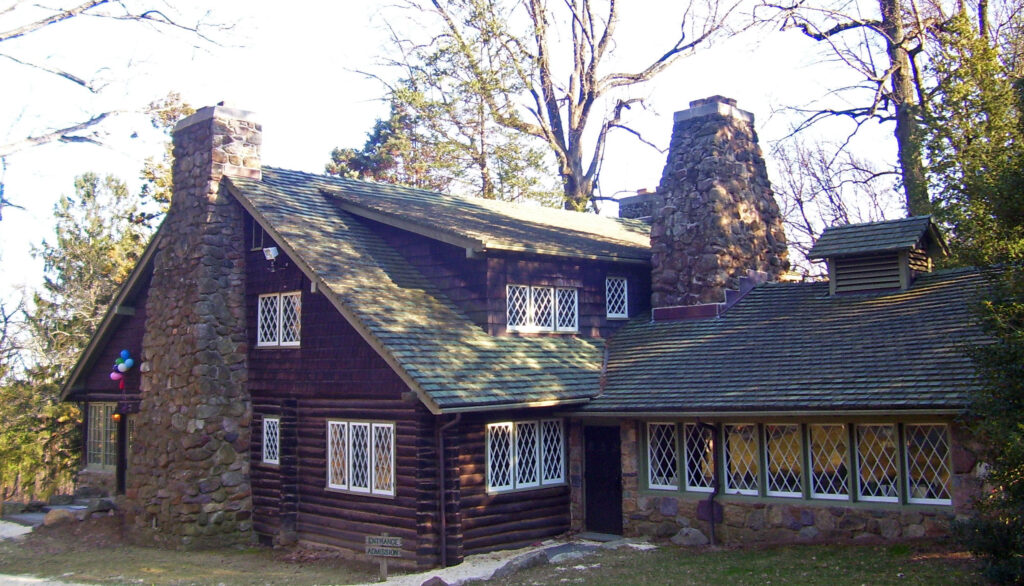
Intangible cultural heritage encompasses the living practices, knowledge, and expressions that communities pass from one generation to the next. From…

Solomon Islands has 1 UNESCO World Heritage Site, a single natural inscription that carries more ecological weight than many countries manage across a dozen…
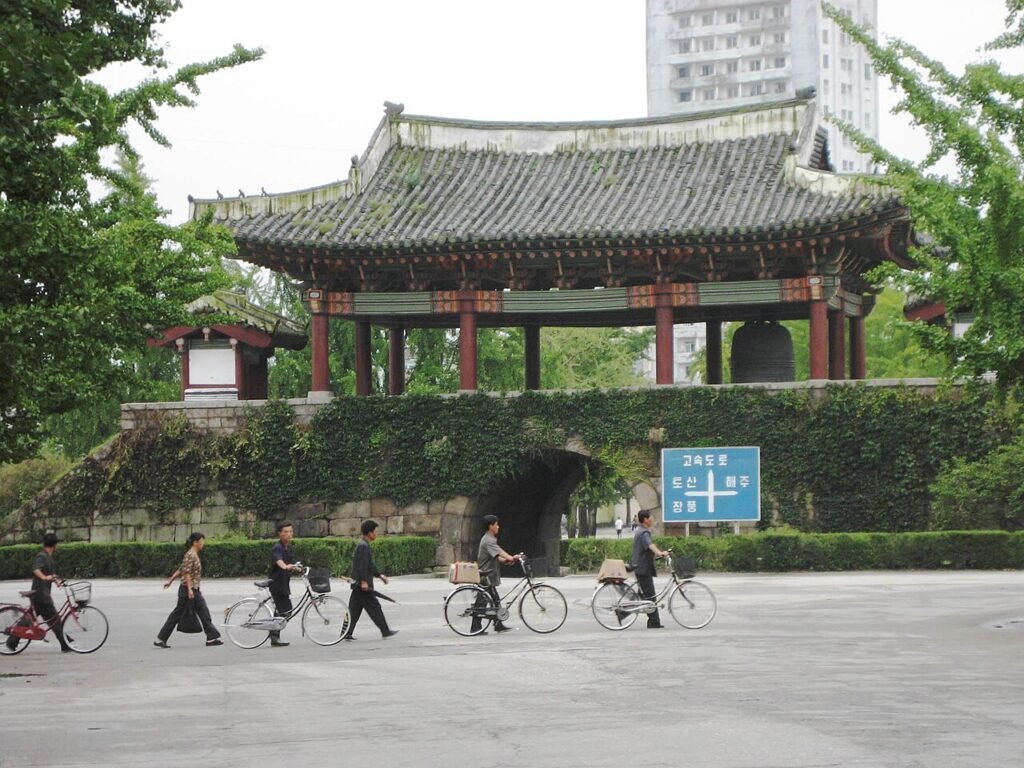
North Korea has 3 UNESCO World Heritage Sites, a compact but striking list that spans ancient dynastic burial grounds, a medieval capital built in stone and…
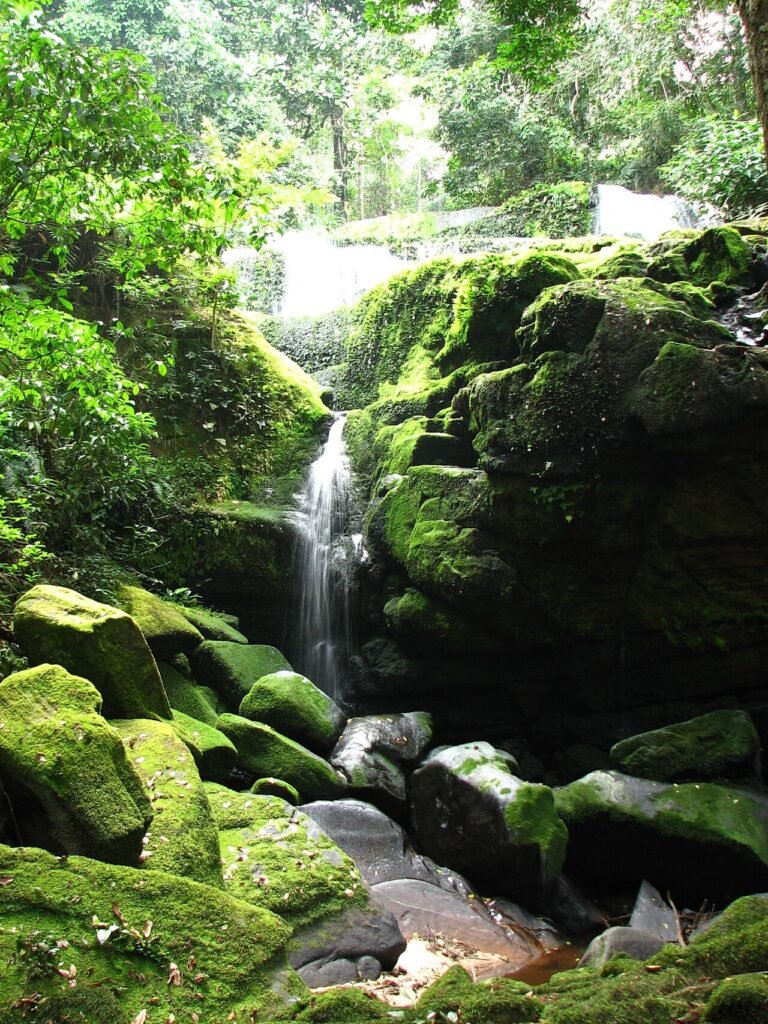
Gabon has 2 UNESCO World Heritage Sites, both located in the country’s vast equatorial interior and both recognised for the exceptional ecological integrity…
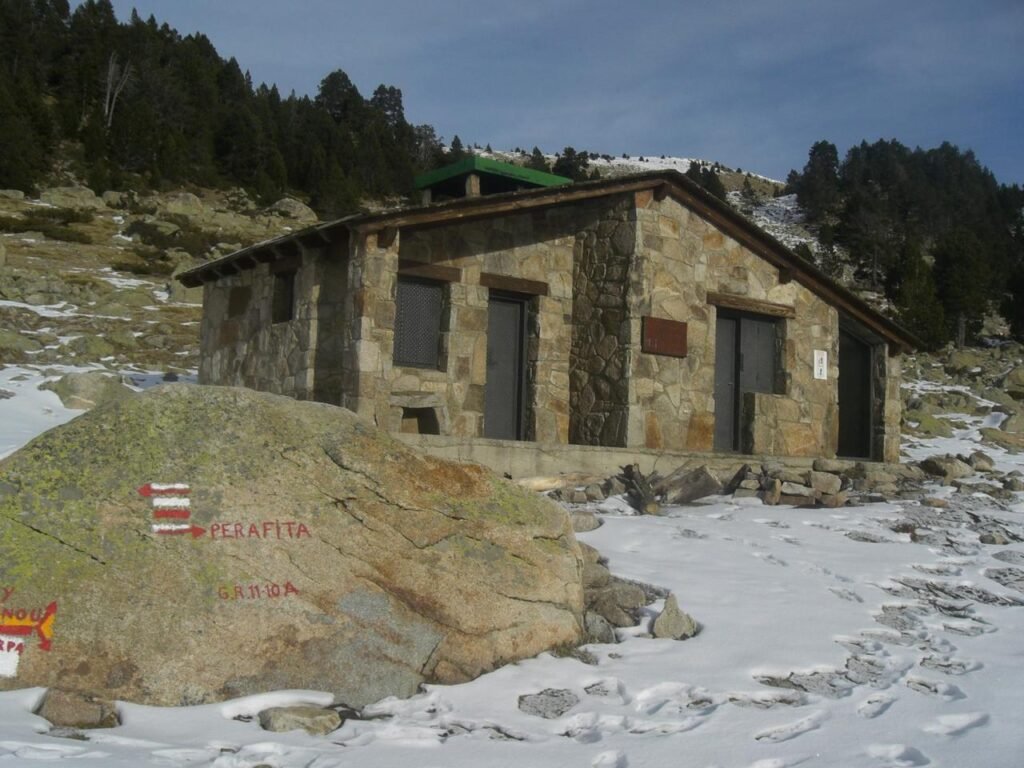
Andorra has 1 UNESCO World Heritage Site, a cultural landscape inscribed in 2004 that accounts for roughly 9 percent of the country’s entire territory. For a…

San Marino has 1 UNESCO World Heritage Site: the Historic Centre and Mount Titano, inscribed in 2008. Small in number, enormous in symbolic weight — this…
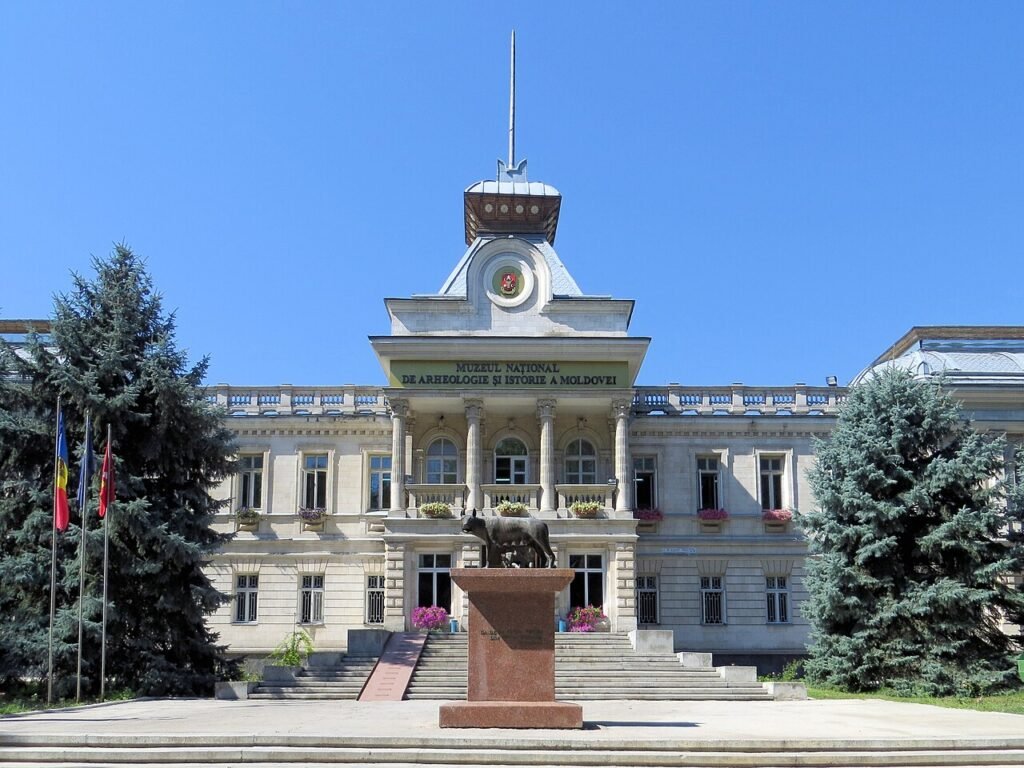
Moldova has one UNESCO World Heritage Site — a single inscription that stretches from the Black Sea coast to the Norwegian Arctic and places a landlocked…
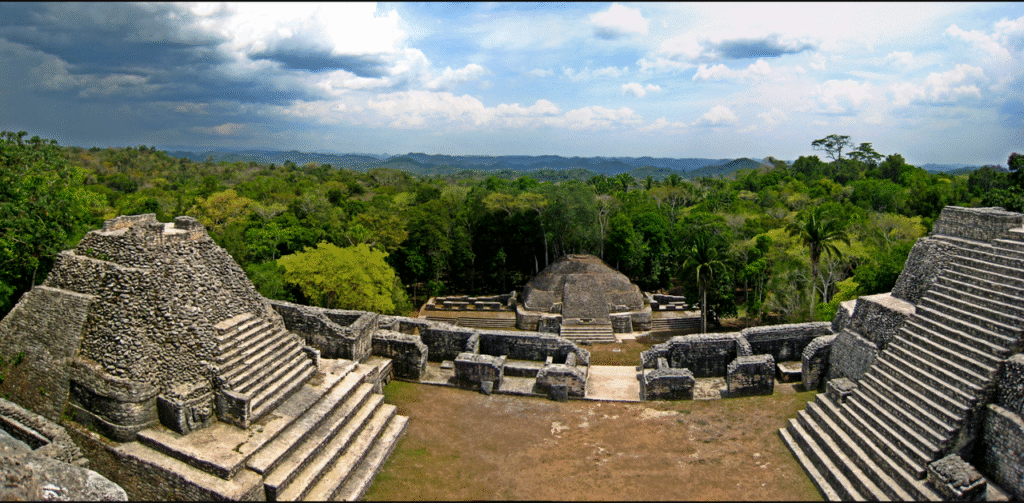
Belize has 1 UNESCO World Heritage Site — a sprawling marine system that protects the second-longest barrier reef on earth, three mid-ocean atolls, hundreds…