Paola Bonometti
Content Editor

Paola Bonometti

Contributions: 1.027 articles

Nome dell'autore: Paola Bonometti

UNESCO Heritage Sites Near Sighișoara, Romania

UNESCO Heritage Sites Near Sighișoara, Romania

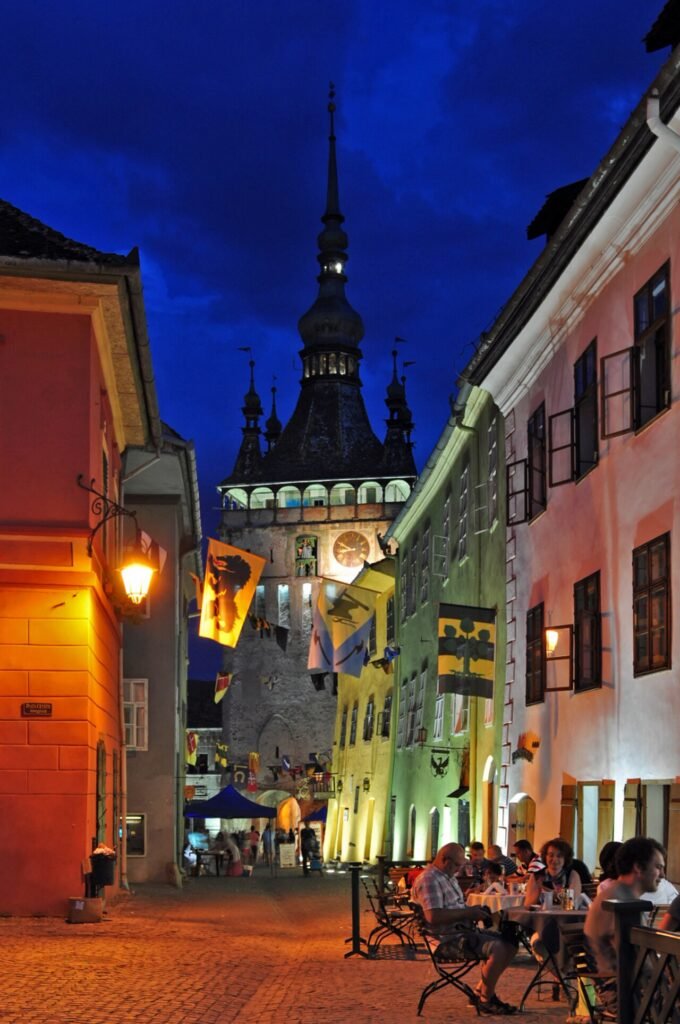
Sighișoara’s medieval Saxon citadel in Transylvania — the only continuously inhabited medieval hilltop citadel in Europe — was inscribed on the UNESCO World Heritage List in 1999. The city is linked by train to Brașov and Cluj-Napoca, and is within 40 km of the UNESCO-listed Fortified Saxon Churches at Biertan, Saschiz, and Valea Viilor.
UNESCO Heritage Sites Near Telč, Czechia

UNESCO Heritage Sites Near Telč, Czechia

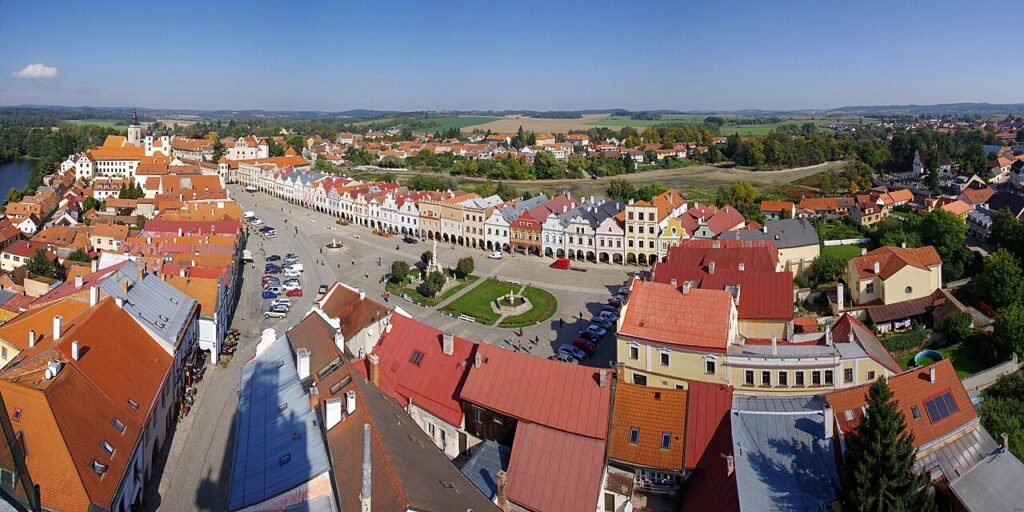
Telč’s perfectly preserved Renaissance square — rebuilt after a 1530 fire by Zacharias of Hradec with Italian architects — was inscribed on the UNESCO World Heritage List in 1992. The arcaded ensemble in the Bohemian-Moravian Highlands is within 90 km of two further UNESCO sites: the Basilica and Jewish Quarter of Třebíč, and the Archbishop’s Chateau of Kroměříž.

UNESCO Heritage Sites Near Toruń, Poland

UNESCO Heritage Sites Near Toruń, Poland

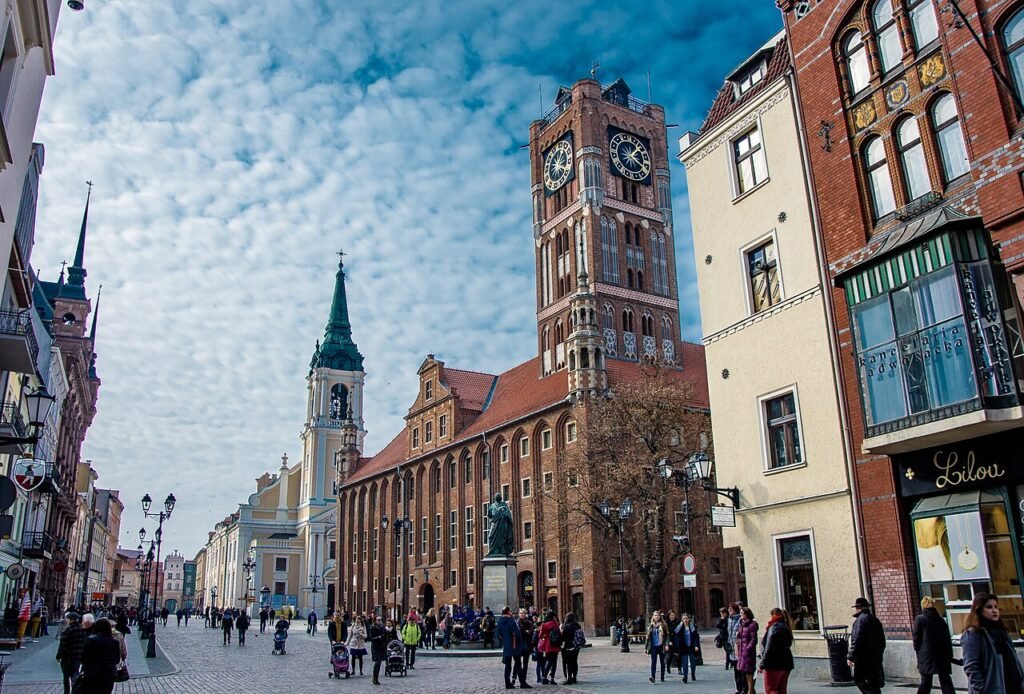
Toruń’s Gothic brick Old Town, birthplace of Copernicus in 1473 and site of the Peace of Toruń (1466), was inscribed on the UNESCO World Heritage List in 1997. The city is 2.5 hours by train from Warsaw and within 100 km of Malbork Castle, a second UNESCO site on the same Vistula corridor.

UNESCO Heritage Sites Near Cuenca, Ecuador

UNESCO Heritage Sites Near Cuenca, Ecuador

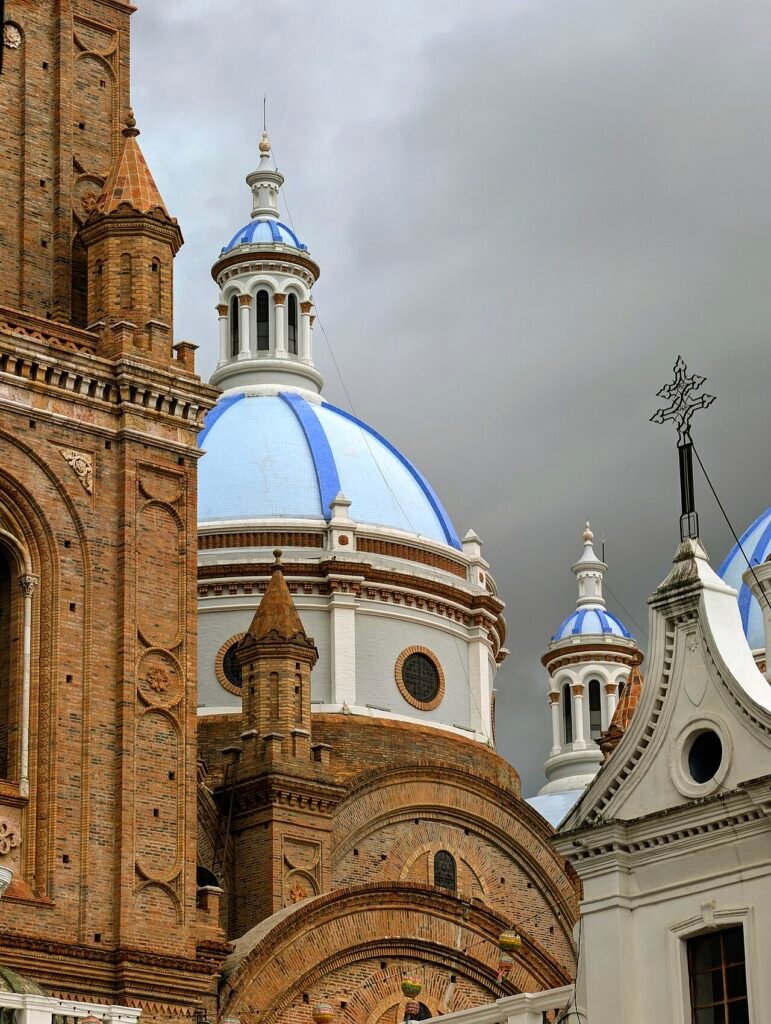
Cuenca Ecuador (inscribed 1999) was built in 1557 on the ruins of Tomebamba — the “Second Cuzco,” the Inca Empire’s northern capital (2,560m altitude). The blue-domed New Cathedral (begun 1880, still unfinished) is Ecuador’s largest. The “Panama hat” (actually woven here in Cuenca/Montecristi, not Panama) is UNESCO intangible heritage.

UNESCO Heritage Sites Near Meroë, Sudan

UNESCO Heritage Sites Near Meroë, Sudan

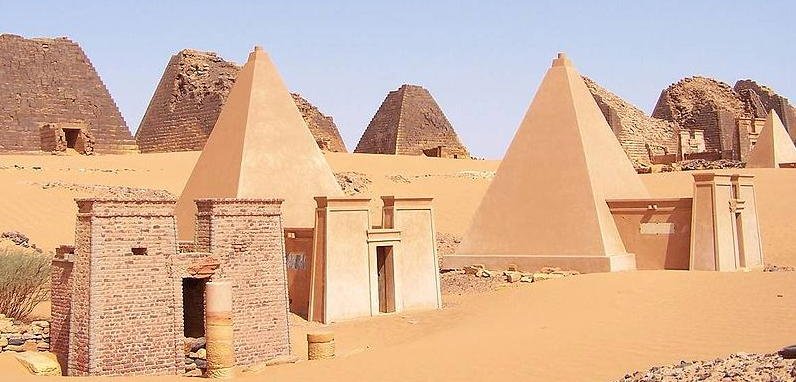
Meroë / Island of Meroe (inscribed 2011) has more pyramids than Egypt: 200+ narrow, steep Nubian pyramids (65-70° slope vs Egypt’s 51°) built 300 BCE–350 CE by the Meroitic Kingdom. The “Black Pharaohs” (25th Dynasty) ruled Egypt from c. 747–664 BCE before being expelled by Assyria. Sudan is in central Sudan, 200 km north of Khartoum.

UNESCO Heritage Sites Near Évora, Portugal

UNESCO Heritage Sites Near Évora, Portugal

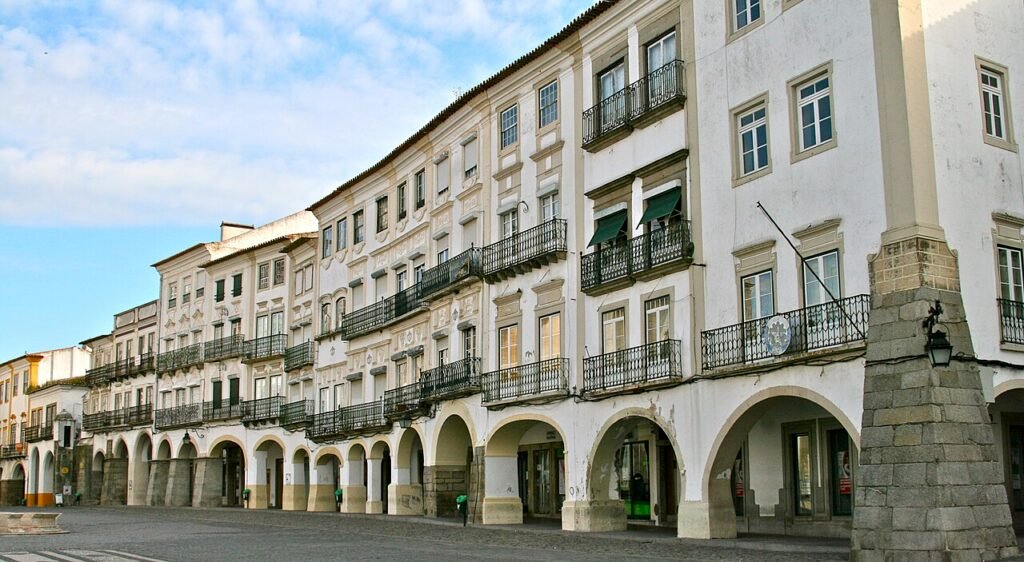
Évora (inscribed 1986) has 2,000 years of stratified history in 1 km²: Roman Temple (1st-2nd c. CE, 14 Corinthian columns intact), Gothic cathedral, Jesuit university (1559), and the Chapel of Bones — 5,000 skulls line the walls of a 17th-c. Franciscan ossuary whose inscription reads “We bones that are here await yours.” The Almendres Cromlech (7,000 BCE) is 7 km away.

UNESCO Heritage Sites Near Guimarães, Portugal

UNESCO Heritage Sites Near Guimarães, Portugal

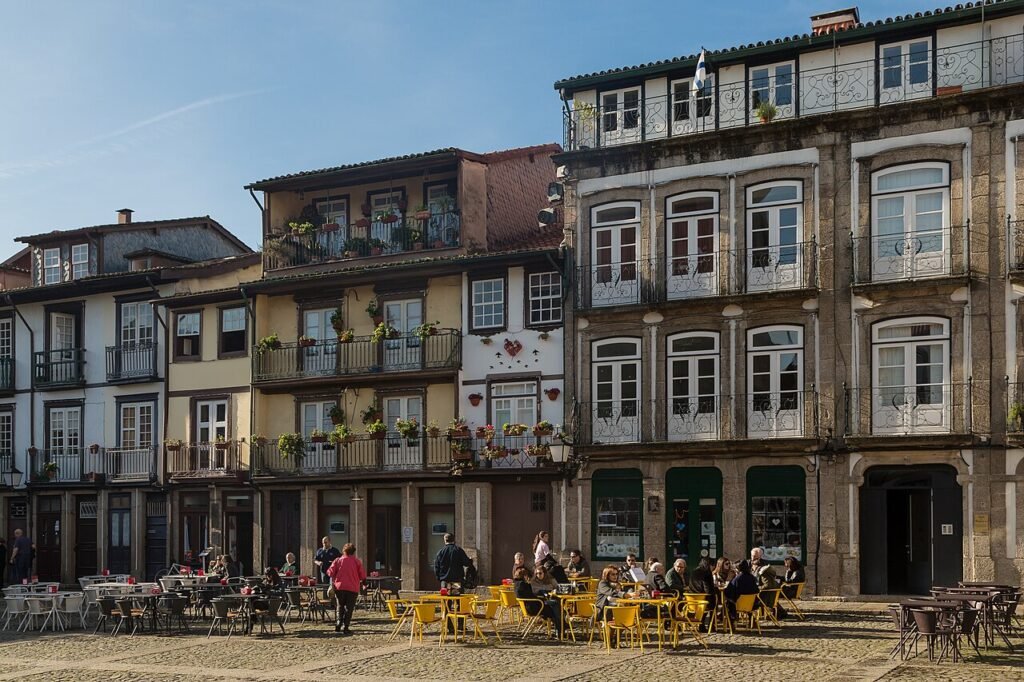
Guimarães (inscribed 2001) is the “Berço de Portugal” (Cradle of Portugal) — Afonso Henriques (first King of Portugal, c. 1109–1185) was born here; his castle bears the inscription “Aqui nasceu Portugal.” The Palace of the Dukes of Braganza (1420s) has 30 tall chimneys and Flemish tapestries. Every Portuguese schoolchild learns this city.

UNESCO Heritage Sites Near El Jadida, Morocco

UNESCO Heritage Sites Near El Jadida, Morocco

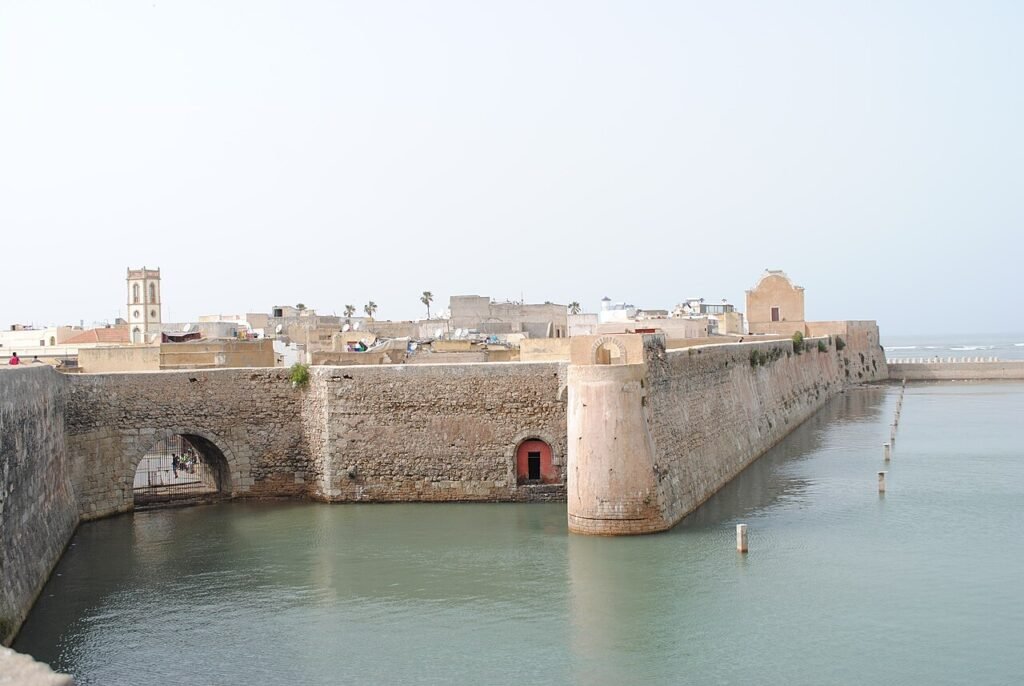
El Jadida/Mazagan (inscribed 2004) is the oldest Portuguese fortress in Africa, built 1502 CE. The Portuguese Cistern (1514) — a Manueline-vaulted underground hall reflected in a mirror of water, single skylight, 34×34m — is one of the world’s most beautiful interior spaces. When Portugal evacuated in 1769, the entire garrison founded Nova Mazagão in the Brazilian Amazon.

UNESCO Heritage Sites Near Essaouira, Morocco

UNESCO Heritage Sites Near Essaouira, Morocco

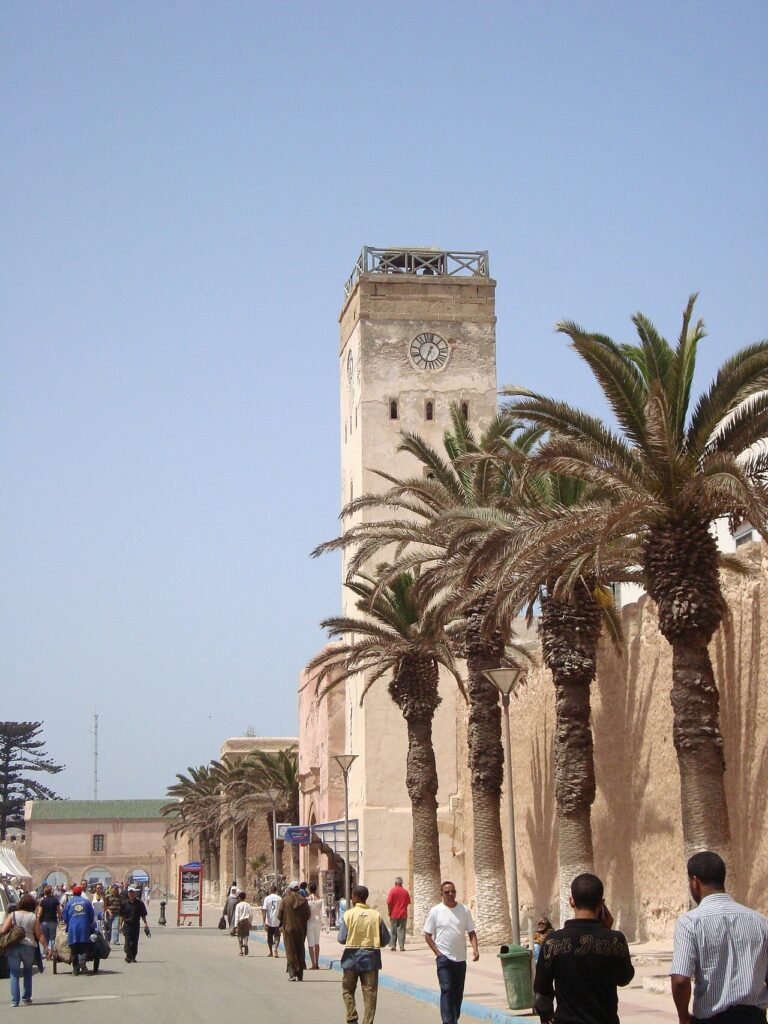
Essaouira (inscribed 2001) is the only Moroccan medina built on a European rectangular street grid — designed in 1765 by a French architect for Sultan Mohammed III as an Atlantic trading port. The blue-and-white Skala sea rampart (where Orson Welles filmed Othello in 1952) and the Gnawa World Music Festival (500,000 visitors, June) define the city internationally.

UNESCO Heritage Sites Near George Town, Penang

UNESCO Heritage Sites Near George Town, Penang

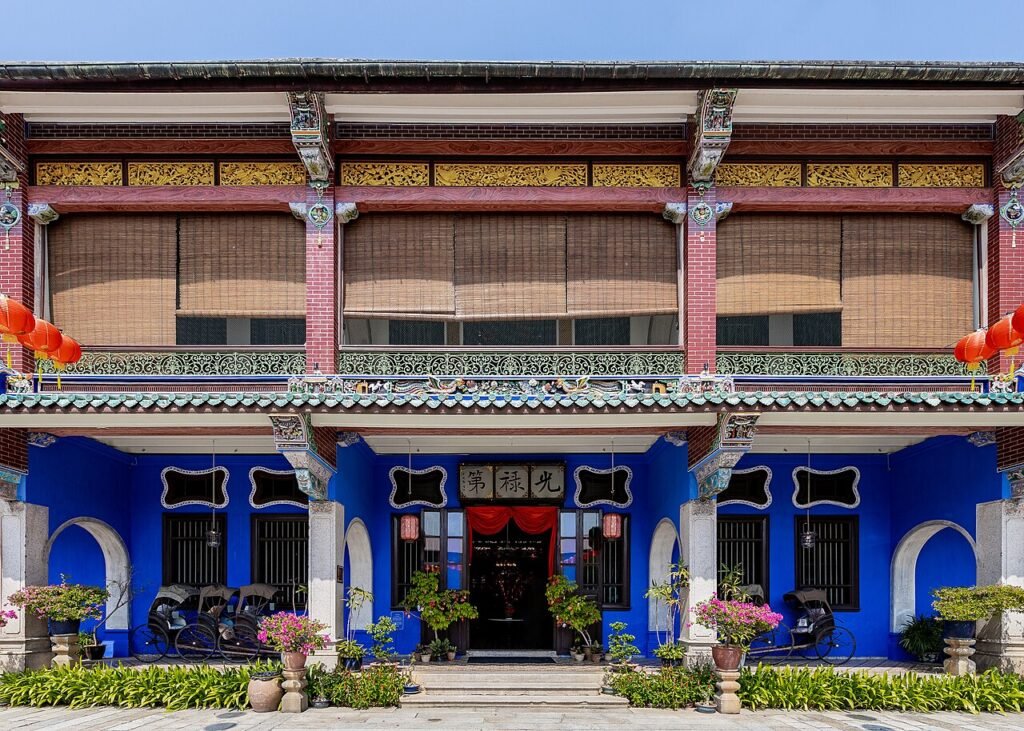
George Town, Penang (inscribed 2008) is Southeast Asia’s most multicultural heritage city: Malay, Chinese Hokkien, Indian Tamil, Peranakan, and British colonial buildings within the same city blocks. The Cheong Fatt Tze Blue Mansion (1880s, indigo paint, Glasgow cast-iron columns) is the finest Chinese Straits Eclectic mansion in Asia. George Town’s hawker street food — Char Koay Teow, Assam Laksa — is regularly ranked the world’s best.

Torna in alto