


Writing Cultural Event Listings: Promotion and Copy
A cultural event listing gets noticed when the first two lines state what, when, where, and why — clearly and without jargon. The five essentials and how to write them.
A cultural event listing gets noticed when the first two lines state what, when, where, and why — clearly and without jargon. The five essentials and how to write them.
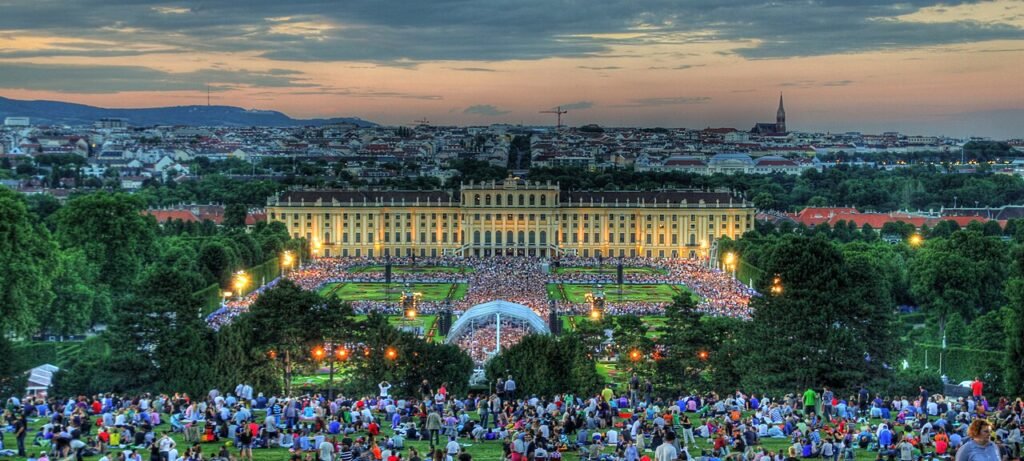
Austria’s 12 UNESCO World Heritage Sites span Habsburg palaces, a pioneering mountain railway, a Bronze Age salt-mining lake district, Roman Danube frontier fortifications, and primeval beech forests shared across seventeen European countries.
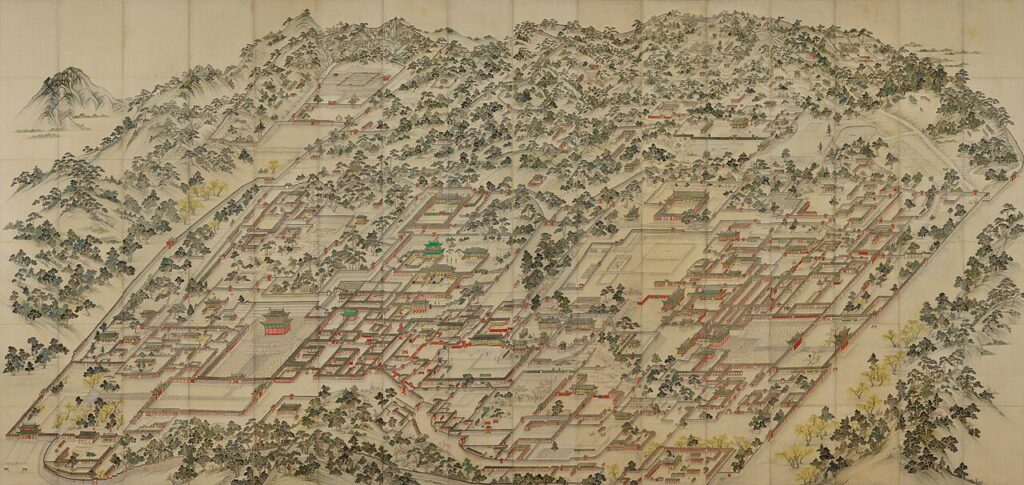
South Korea’s 17 UNESCO World Heritage Sites span 8th-century Buddhist grottoes, living Confucian shrines, a fortress-capital, two natural sites, and a 2025 prehistoric petroglyph inscription along the Bangucheon Stream.
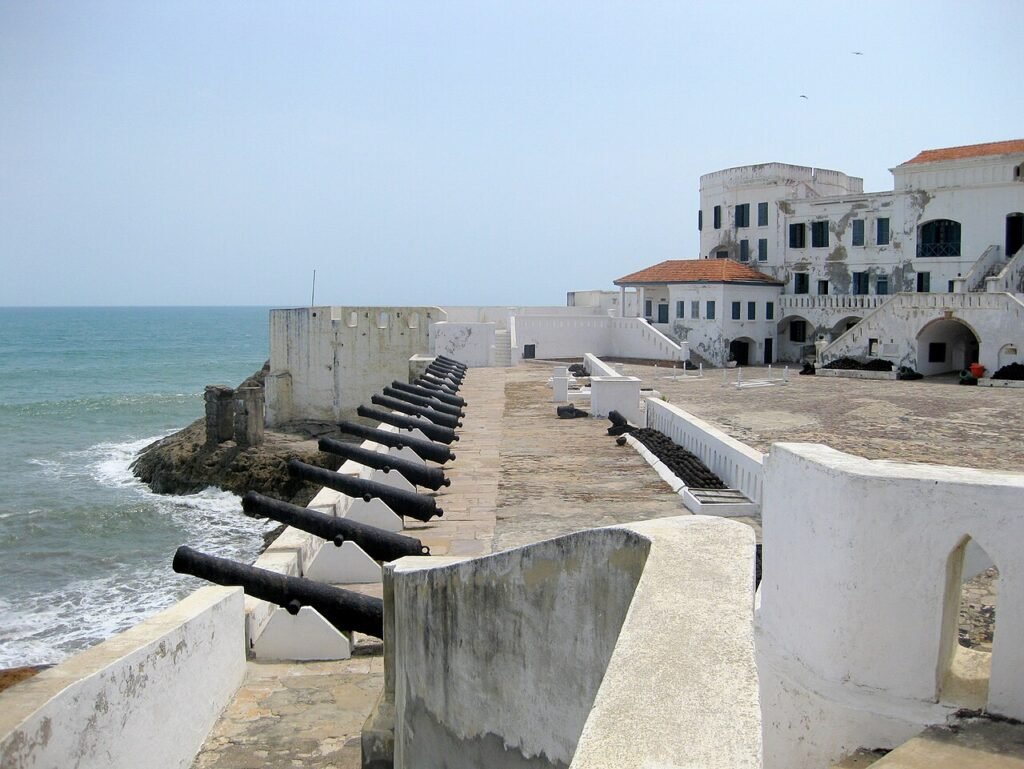
Ghana has two UNESCO World Heritage Sites, both cultural, both inscribed within a year of each other in the late 1970s and early 1980s. Together they tell a…
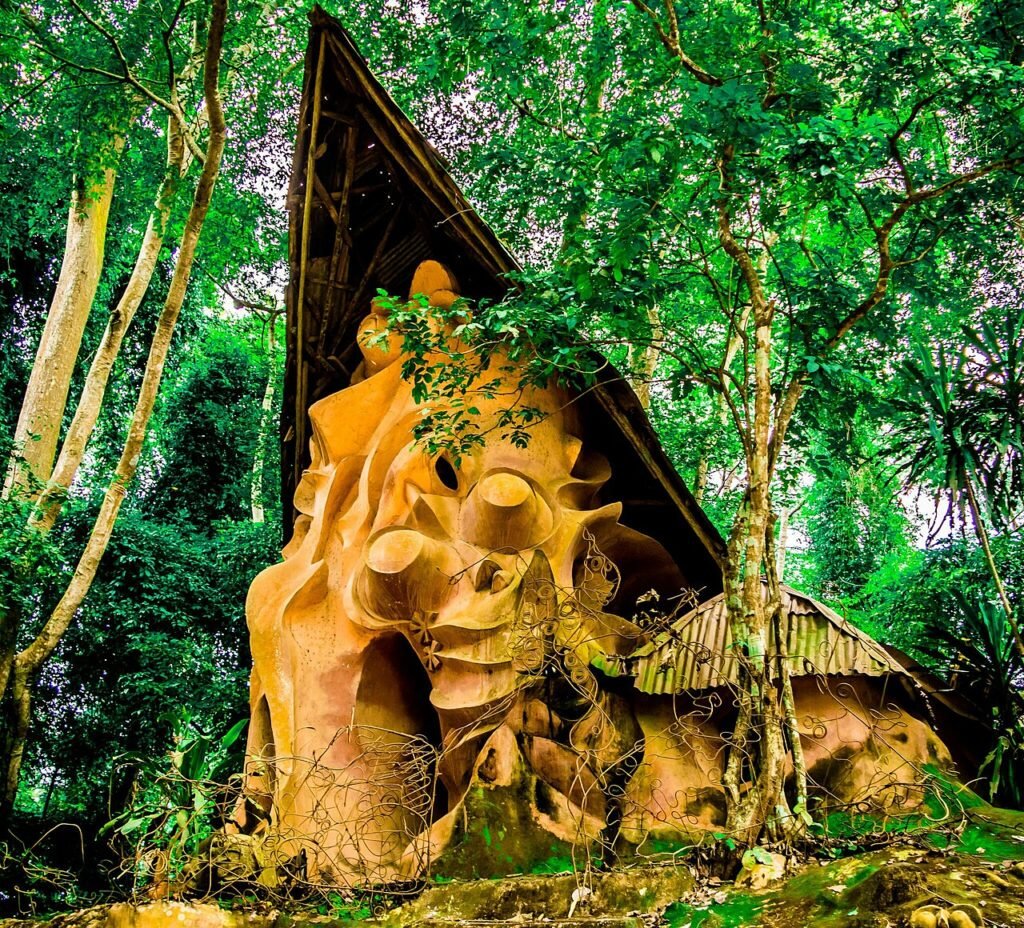
Nigeria has 2 UNESCO World Heritage Sites, each safeguarding a layer of the country’s long cultural history — one a mountain-top landscape shaped by…
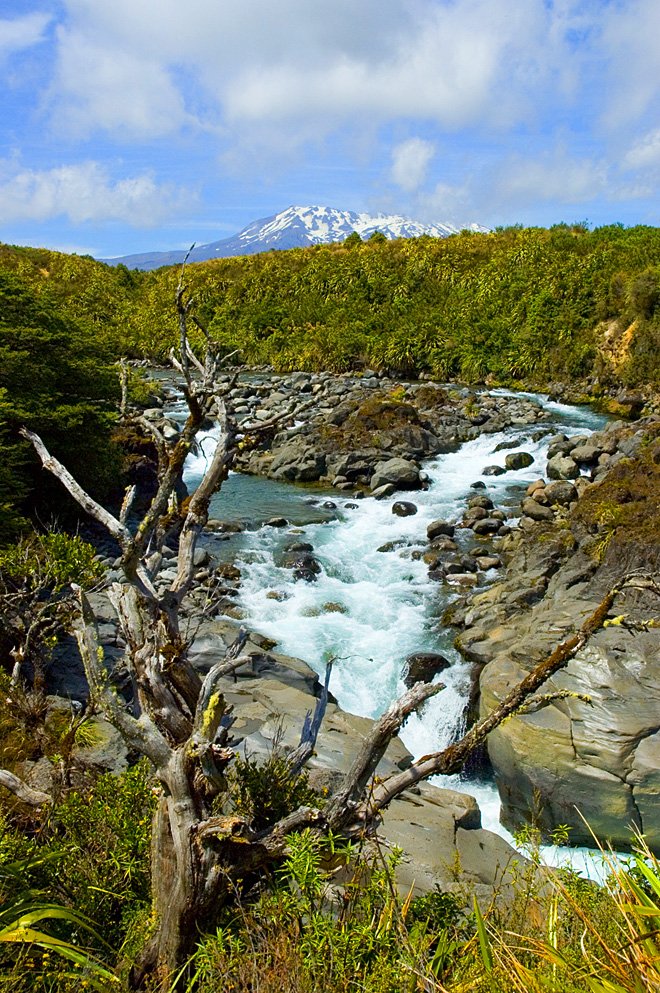
New Zealand has three UNESCO World Heritage Sites — a small number for a country of such extraordinary ecological and cultural range, but each inscription…
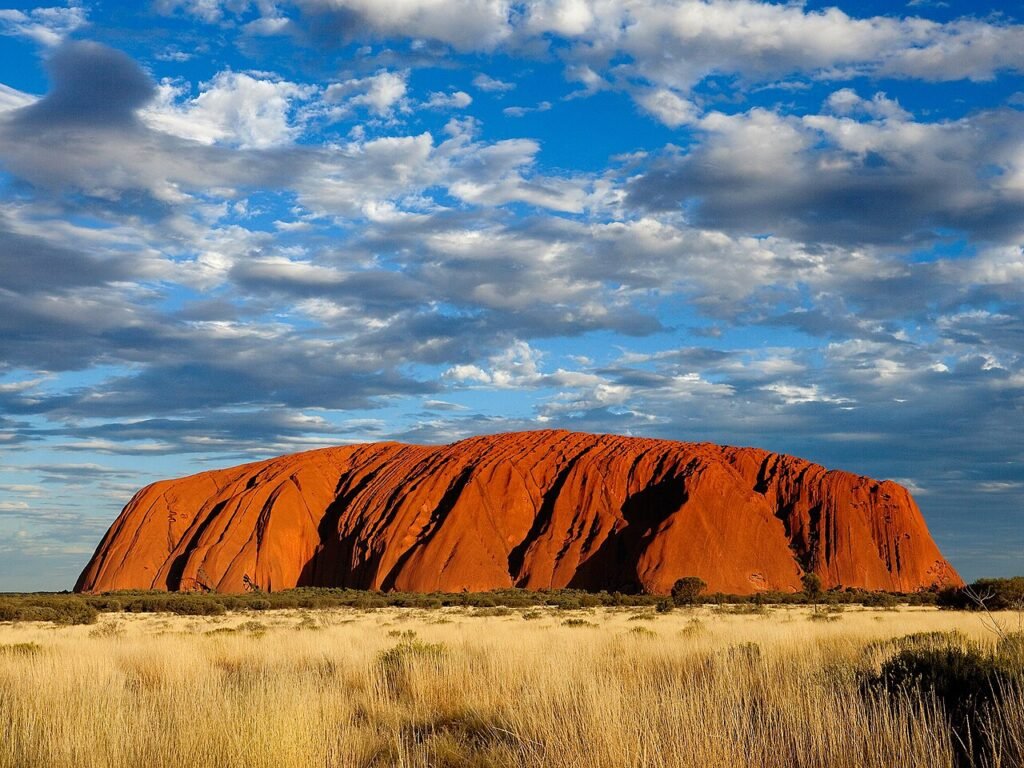
Australia has 21 UNESCO World Heritage Sites, a roster that stretches from tropical reef systems and ancient rainforests to sacred Aboriginal landscapes and…
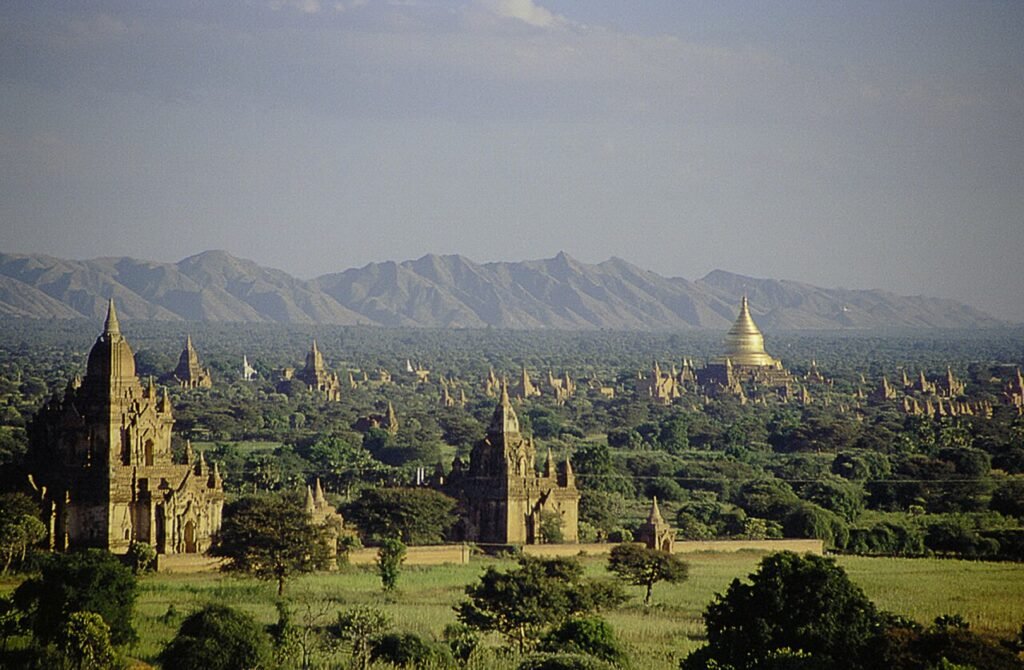
Myanmar has two UNESCO World Heritage Sites as of 2022 — a figure that seems modest for a country whose landscape is layered with ancient cities, sacred…
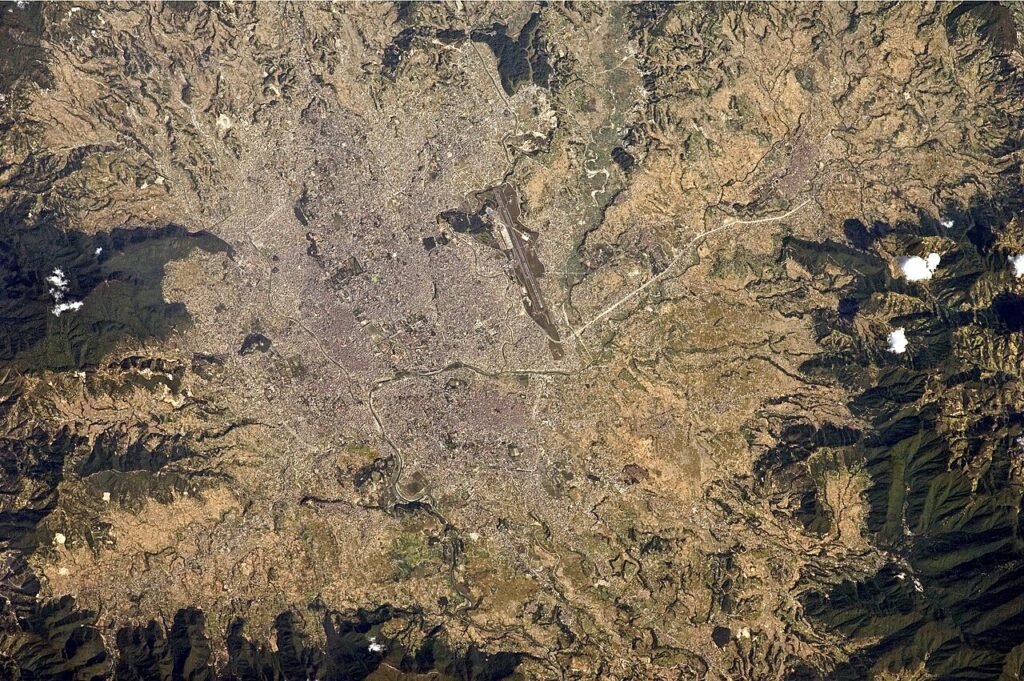
Nepal has 4 UNESCO World Heritage Sites — a count that belies the country’s extraordinary concentration of civilisational significance, from the snows of the…
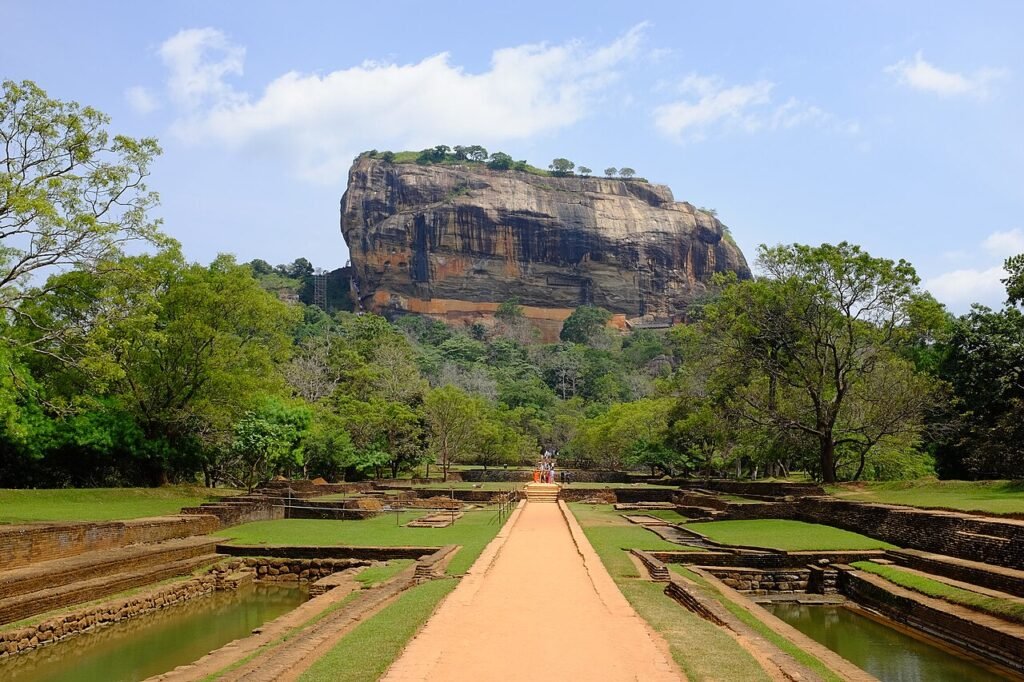
Sri Lanka has 8 UNESCO World Heritage Sites — six cultural and two natural — spanning ancient hydraulic capitals, a Portuguese-Dutch fortified harbour…