

St Andrew’s Kirk, Launceston
A Presbyterian kirk on St John Street, Launceston’s second such house of worship and a testament to Scotland’s influence on colonial Tasmania.

A Presbyterian kirk on St John Street, Launceston’s second such house of worship and a testament to Scotland’s influence on colonial Tasmania.
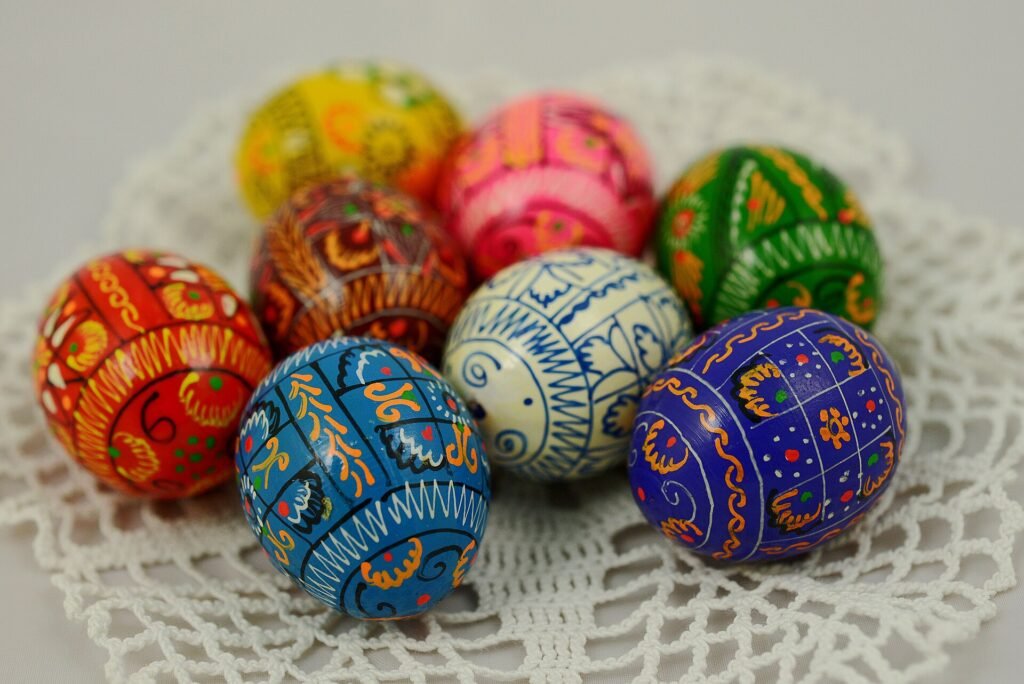
Pysanka is the Ukrainian wax-resist egg decoration tradition, blending pagan symbols with Christian meaning through intricate batik patterns applied with a traditional kistka stylus.
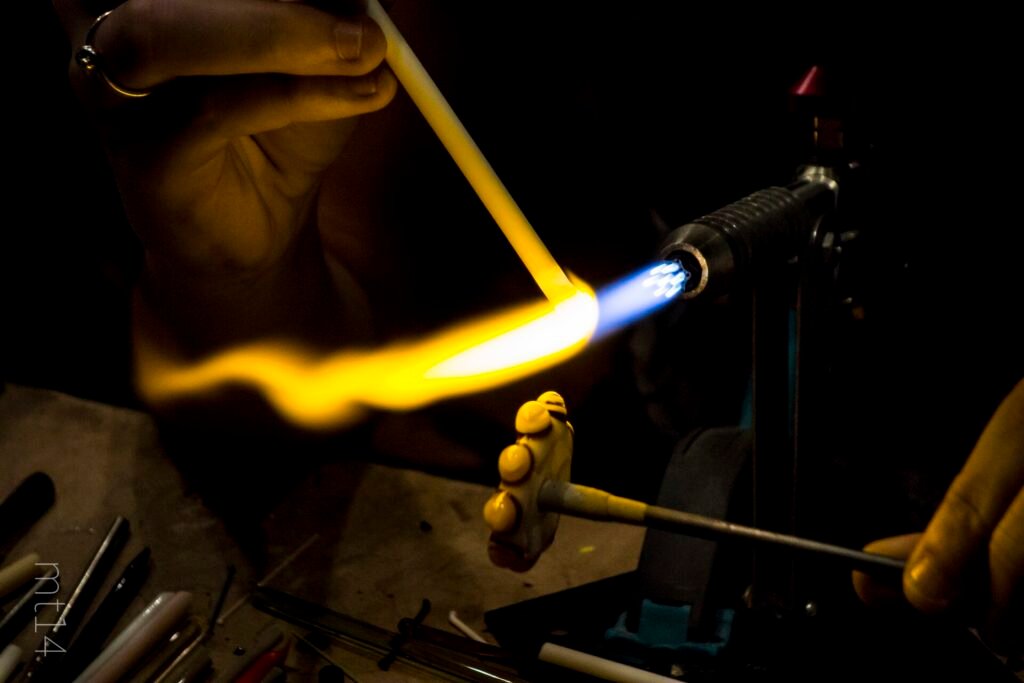
An ancient craft spanning 3,000 years, glass bead making shapes molten glass into luminous beads through skilled hand techniques, embodying trade, artistry, and human connection across civilizations.

A Grade II listed Anglican parish church serving the village of Feniscowles near Blackburn, Lancashire, with active worship and heritage designation.

A Grade II listed Victorian parish church in North Oxford, built 1883–1893, with an adjoining First World War memorial calvary dedicated in 1920.

A Baptist church founded in 1818 in Toronto’s Garden District. The present structure, built in 1875, stands as one of the city’s oldest faith institutions.

A neo-Gothic Roman Catholic parish church in central Bayonne dedicated to Saint Andrew the Apostle, exemplifying nineteenth-century ecclesiastical design.

Victorian Roman Catholic church designed by E. W. Pugin in Birkdale, Southport. Built 1865–67 with an aisle added in 1875; Grade II listed.

Manchester’s first Gothic Revival church (1769–1931), founded by banker Edward Byrom. Its pioneering Sunday school and graveyard of 22,000 burials left an enduring mark on the city’s social life.

A Presbyterian parish church in Milngavie, Scotland, serving its community with Sunday worship, monthly evening services, and active social and outreach programs.