

Advertising Poster by Marcello Dudovich, 1925
An advertising poster designed by Marcello Dudovich in 1925. Dudovich was a pioneering figure in Italian poster design alongside Cappiello and Hohenstein.

Stefano Vigolo photographs and documents Italian architecture of the interwar decades — the years known in Italy as the Ventennio — from Rationalism and Art Déco to the buildings that fall between the guidebooks. He is a researcher of the period.
Contributions: 516 articles · 106 heritage places · 7 events · 12 itineraries · 89 photographs
Published on beniculturalionline.it, the Italian archive of this publication, online since 1998. They are being brought into Cultural Heritage Online.
An advertising poster designed by Marcello Dudovich in 1925. Dudovich was a pioneering figure in Italian poster design alongside Cappiello and Hohenstein.
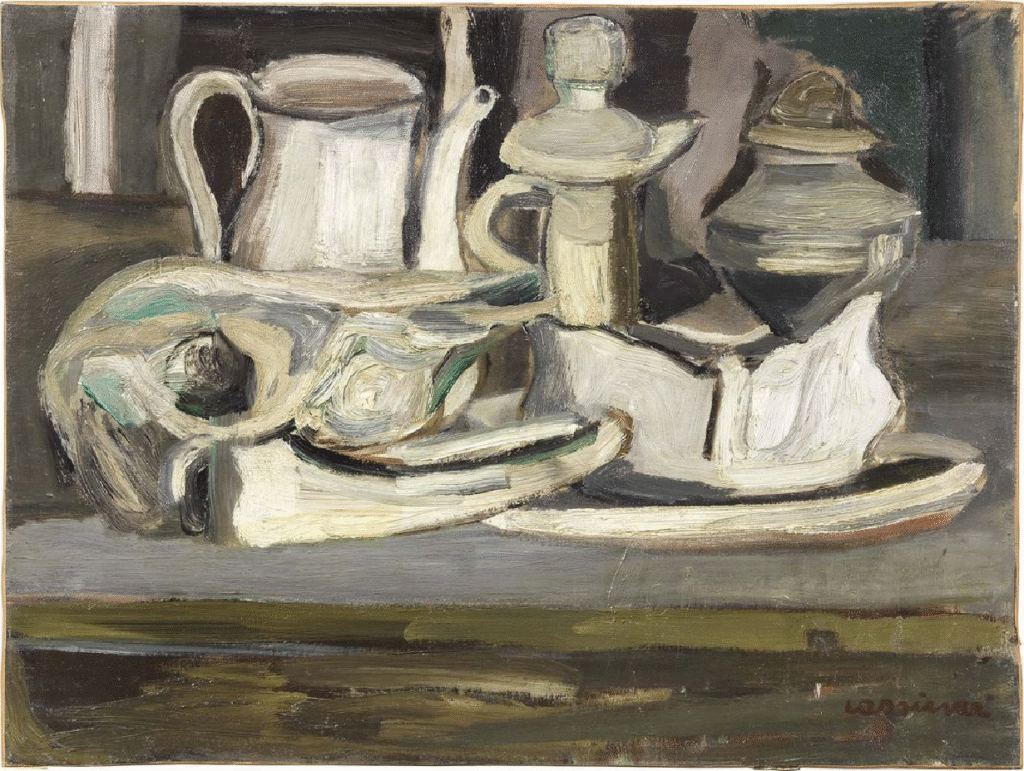
A still life painting by Italian artist Bruno Cassinari, executed in 1942. The work combines cubist and expressionist elements characteristic of the artist’s approach.
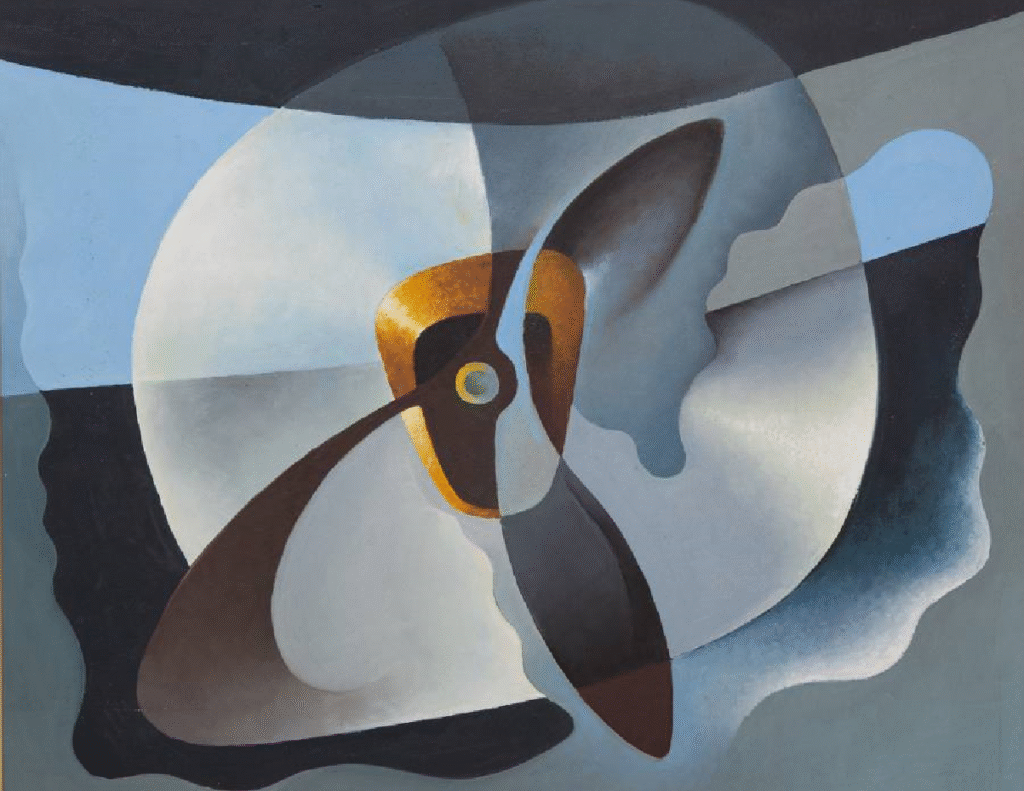
Motori in panne is a 1931 painting by Tullio Crali, a Futurist artist known for works combining speed, aerial mechanisation and the mechanics of aerial warfare.

An advertising poster designed by Leonetto Cappiello in 1923. Cappiello, a pioneer of modern poster design, revolutionized advertising art through bold figural composition and striking chromatic contrasts.
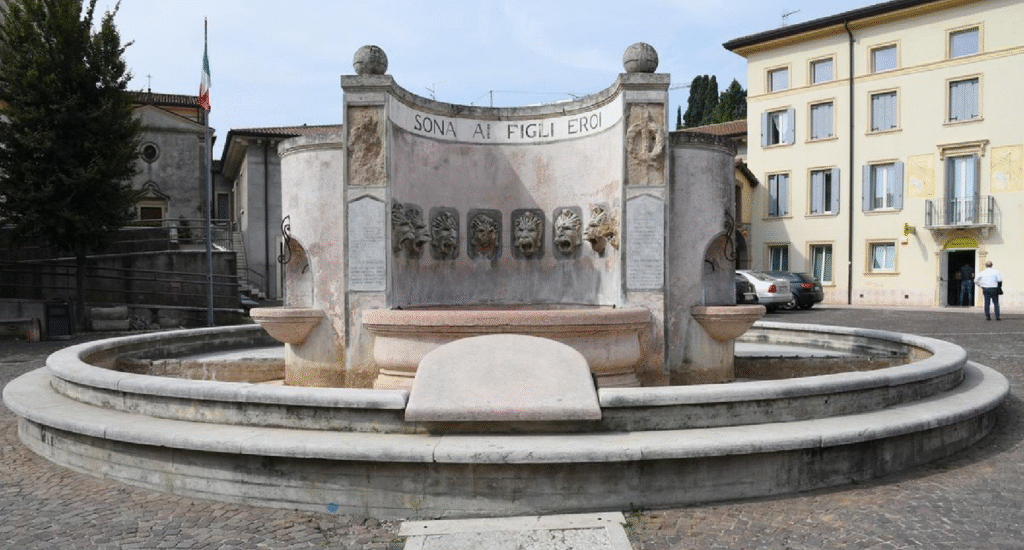
A war memorial designed by architect Francesco Banterle and completed in 1927 in Sona, Veneto. The monument commemorates fallen soldiers of the First World War.
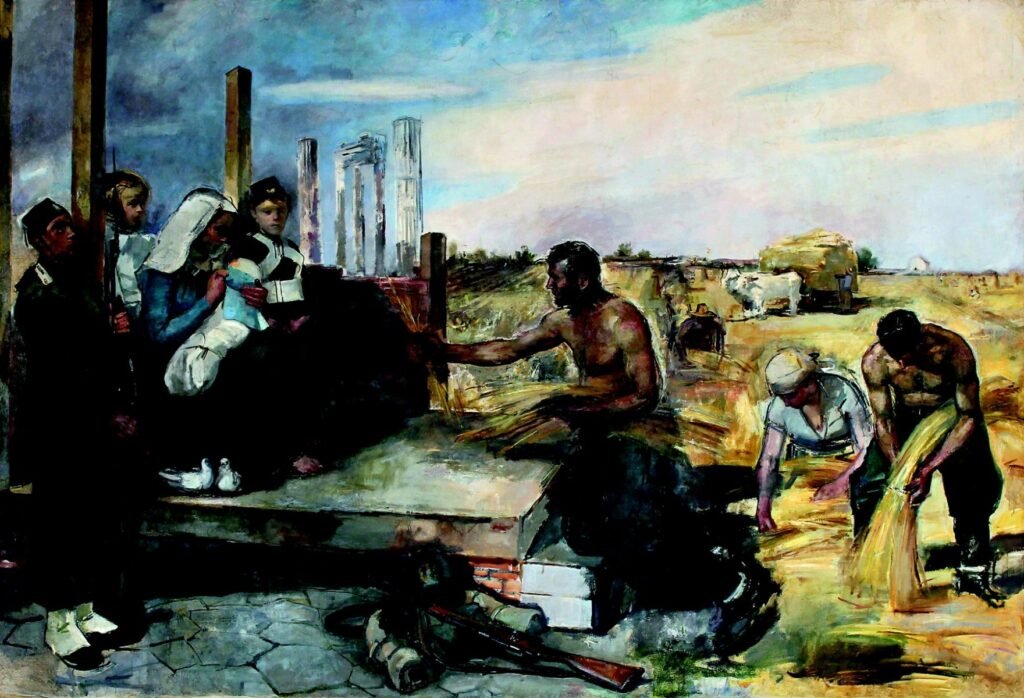
La battaglia del grano is a 1940 work by Venetian painter Neno Mori. The painting reflects the artist’s mastery of landscape and figurative composition during the interwar period.

An advertising poster designed by Marcello Dudovich in 1930. Dudovich was one of the leading figures in Italian poster design of the early twentieth century.
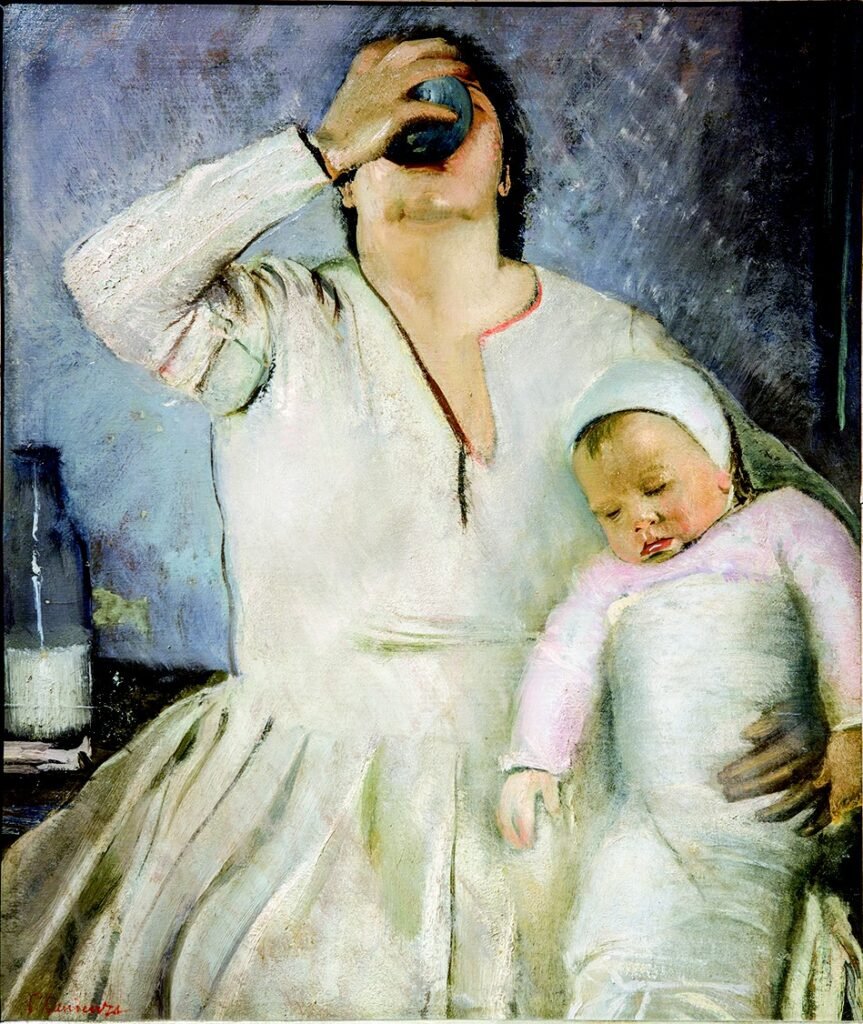
A painting by Italian artist Pietro Gaudenzi completed in 1932, continuing his lifelong engagement with maternal and genre subjects.

An advertising poster designed by Marcello Dudovich in 1923. Dudovich was one of the leading figures in Italian poster design of the early twentieth century.
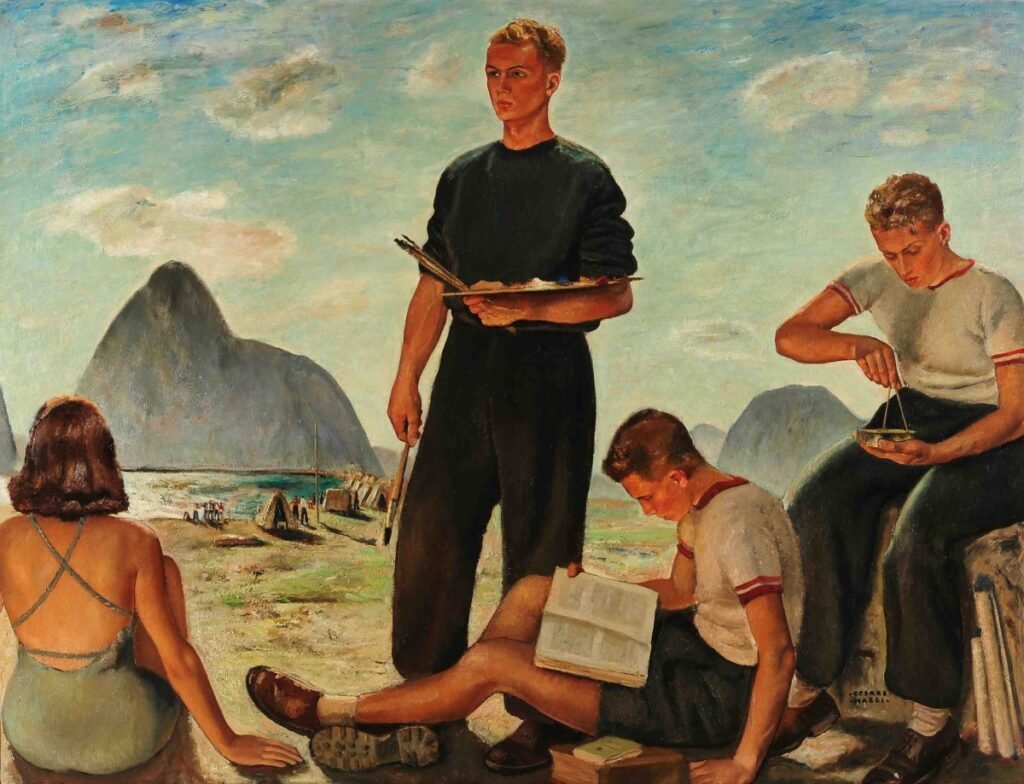
Le arti is a painting by Italian Divisionist artist Cesare Maggi. The work reflects Maggi’s career-long engagement with light and visual perception.