
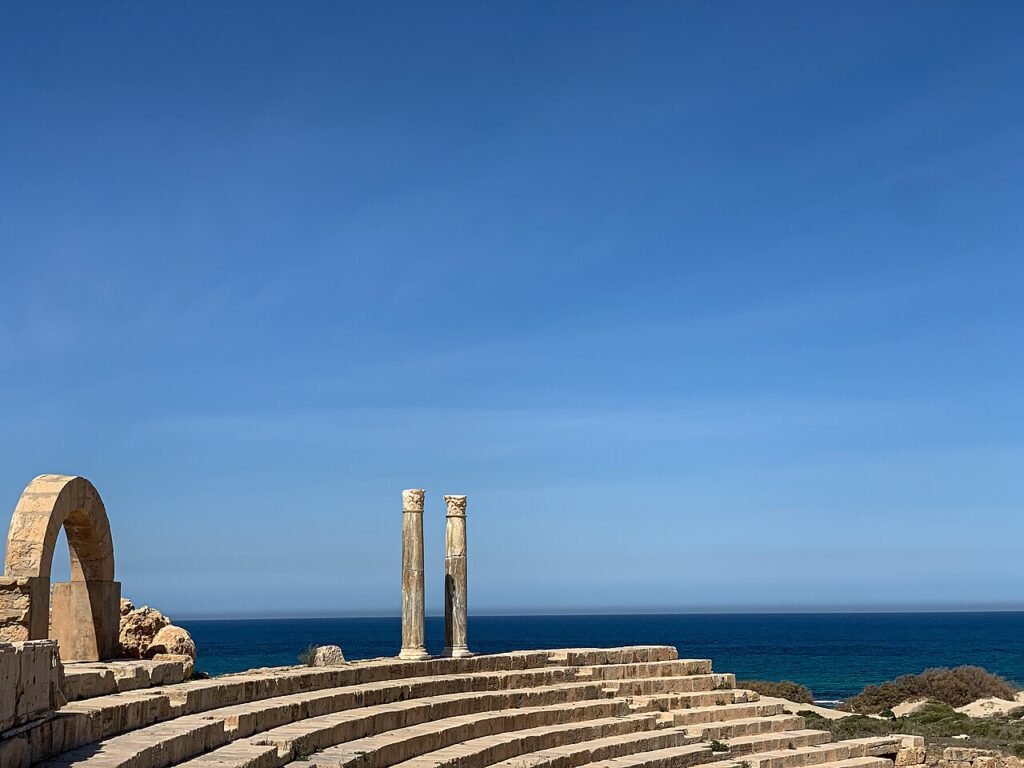
UNESCO Heritage Sites Near Tripoli, Libya
Libya has 5 UNESCO sites near Tripoli — all on the Danger List since 2016: Leptis Magna (130 km east, best-preserved Roman city in North Africa), Sabratha (70 km west), and Ghadamès oasis (600 km SW).

Libya has 5 UNESCO sites near Tripoli — all on the Danger List since 2016: Leptis Magna (130 km east, best-preserved Roman city in North Africa), Sabratha (70 km west), and Ghadamès oasis (600 km SW).
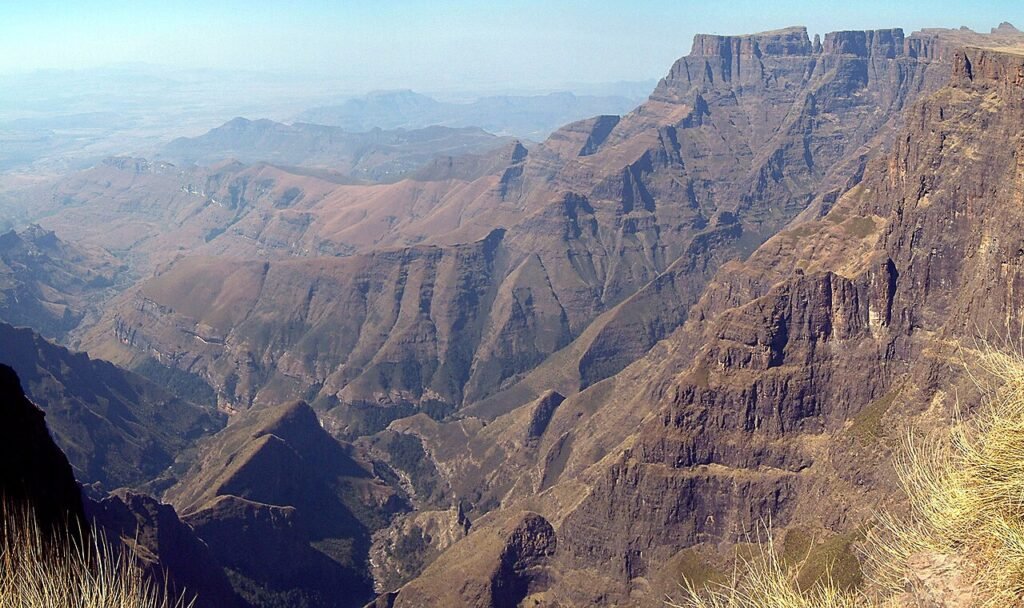
Lesotho has no standalone UNESCO sites but is part of the transboundary Maloti-Drakensberg inscription (2013 extension of uKhahlamba). San rock art sites and the Sani Pass are 150 km from Maseru.
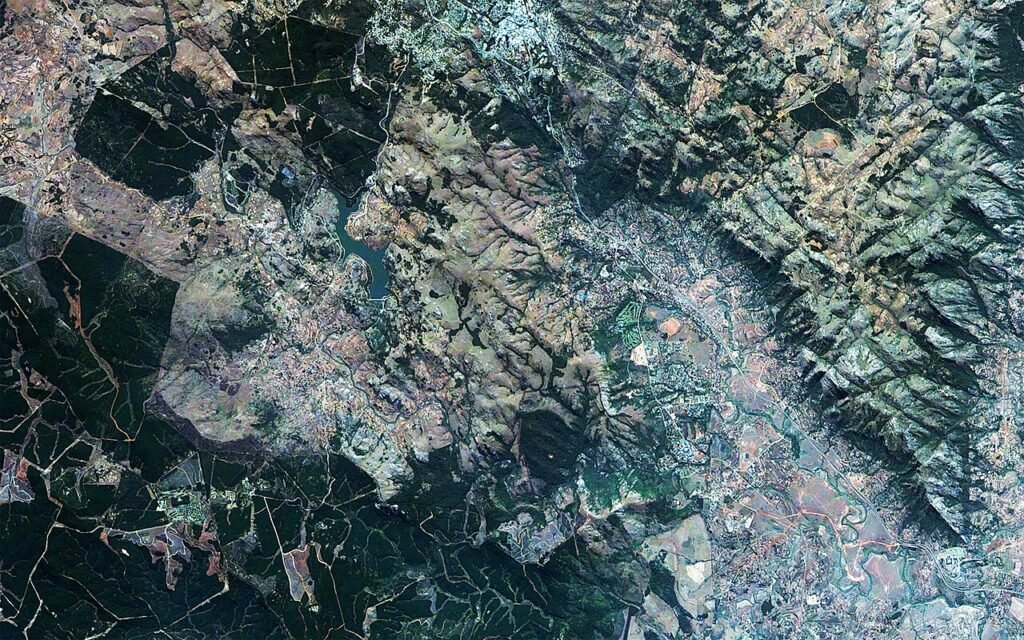
Eswatini has no UNESCO sites. Nearest: uKhahlamba/Drakensberg Park in South Africa (35,000 San rock paintings, 200 km south) and iSimangaliso Wetland Park (200 km east).
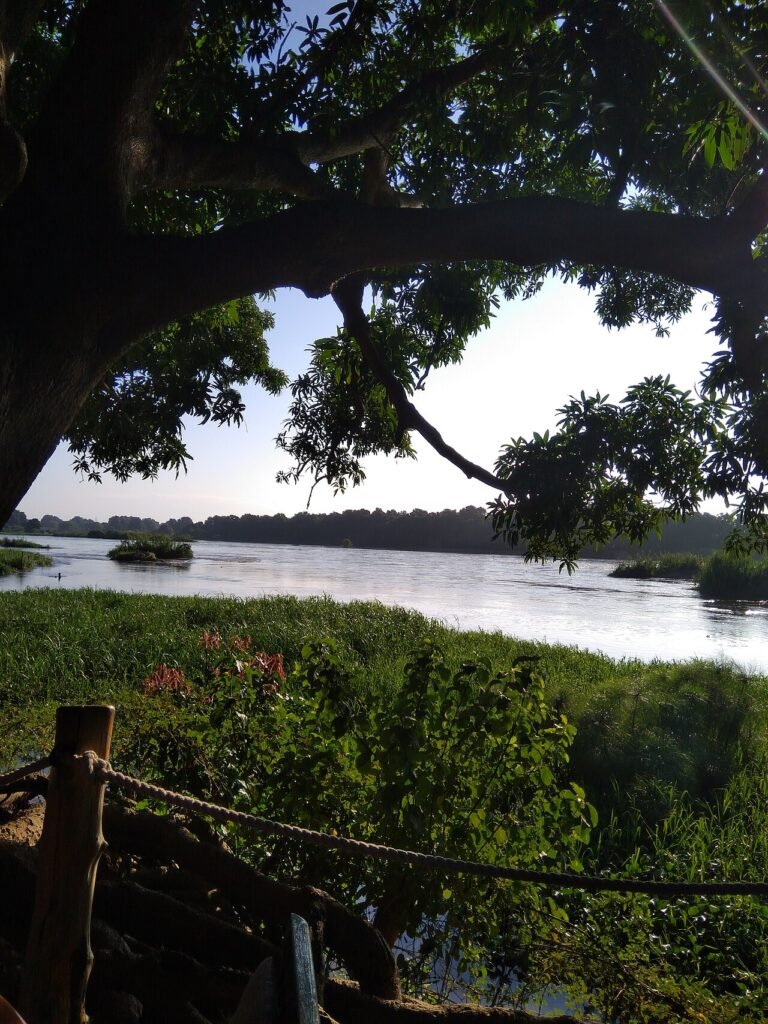
South Sudan has no UNESCO sites. Near Juba: the Sudd (one of the world’s largest freshwater wetlands, home to the shoebill stork) and Boma NP (up to 1 million White-eared kob migration).
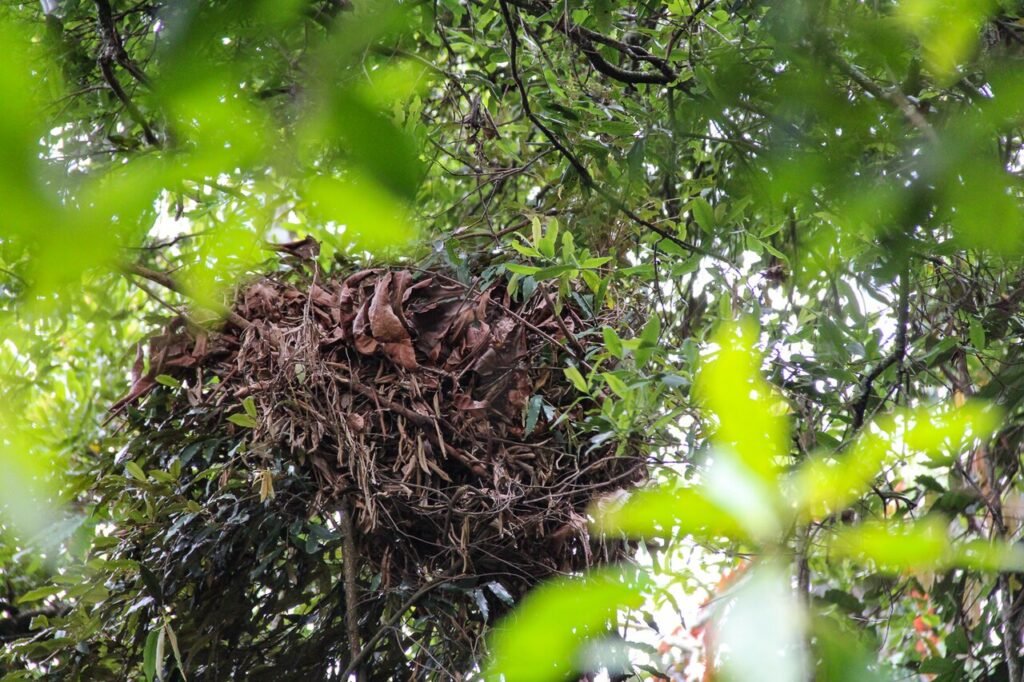
Rwanda has no inscribed UNESCO sites; nearest heritage is Virunga NP in DRC (mountain gorillas, 100 km northwest) and Nyungwe Forest (13 primate species, 220 km southwest).
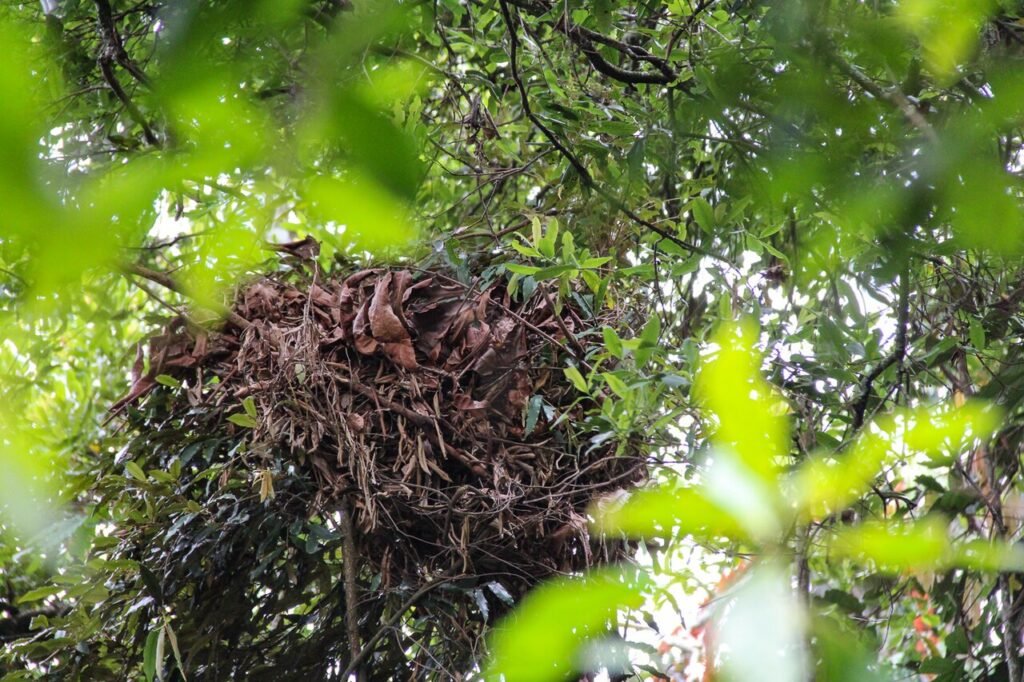
Burundi has no UNESCO sites. Nearest: Kahuzi-Biega NP in DRC (200 km northwest, 1980, eastern lowland gorillas) and Nyungwe Forest in Rwanda (200 km northeast, 13 primate species).

Public domain ends where the twentieth century begins. The independent photographers who built the visual record of post-war Europe, and why those archives are fragile.
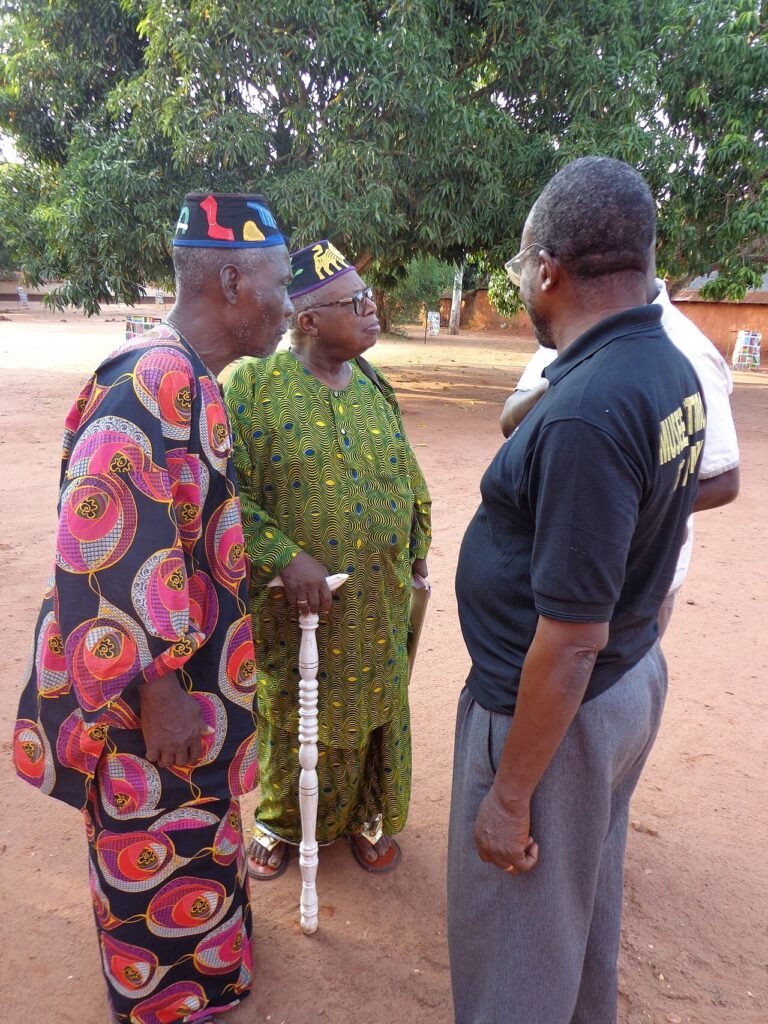
Benin has 2 UNESCO sites near Porto-Novo: Royal Palaces of Abomey (140 km northwest, inscribed 1985) — archive of the Kingdom of Dahomey — and Koutammakou earthen tower-houses (2004).
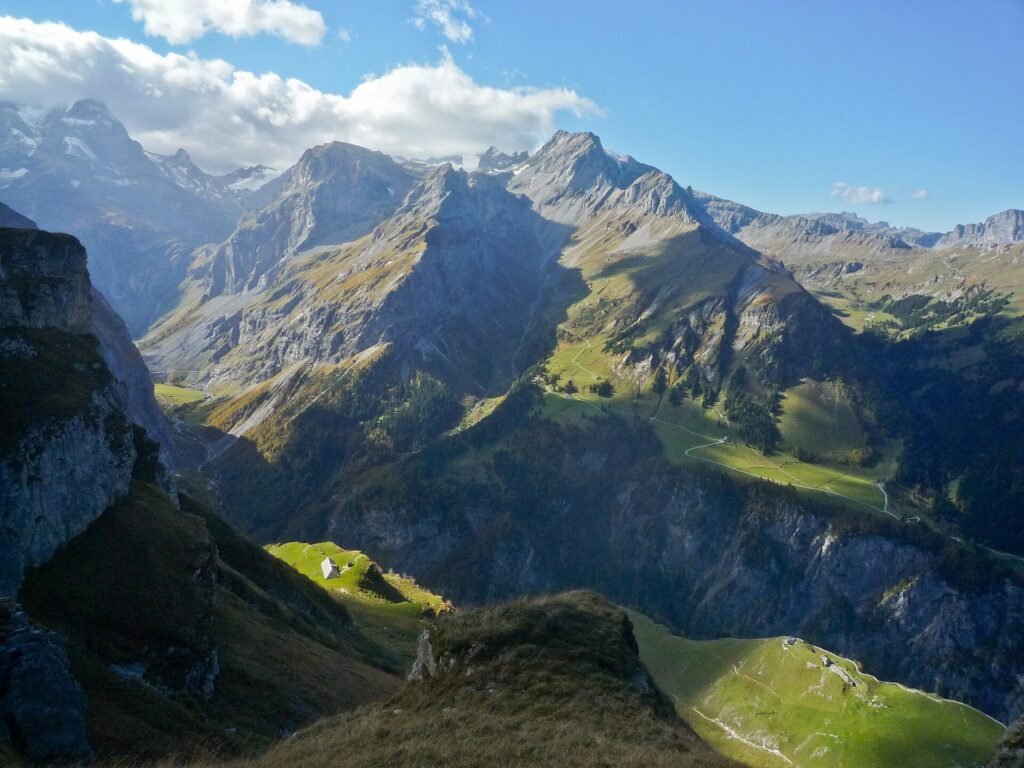
Alpine pasture season is the seasonal migration of cattle herds from mountain valleys to high pastures each summer, a practice shaping Alpine landscapes and communities across six European nations for centuries.
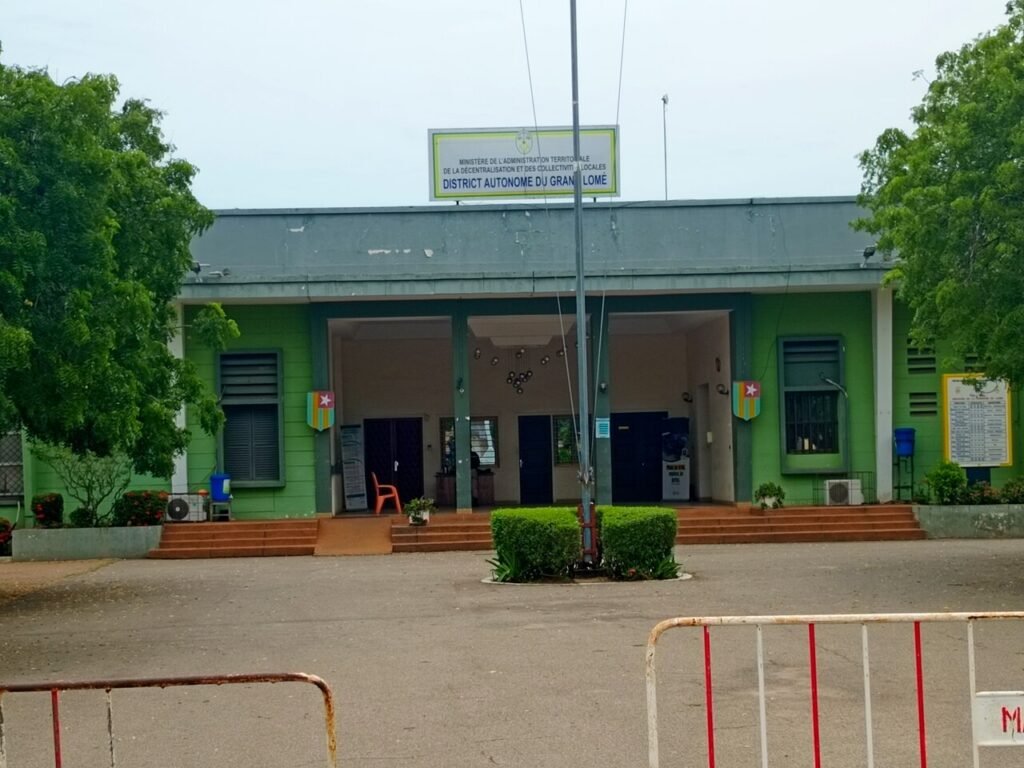
Togo has no UNESCO sites. Nearest: Royal Palaces of Abomey in Benin (140 km east, inscribed 1985) — seat of the Kingdom of Dahomey for 2+ centuries; and the W-Arly-Pendjari wildlife complex (2019).