Paola Bonometti
Content Editor

Paola Bonometti

Paola Bonometti is a volunteer with the ABCO association and still contributes to it today.

Contributions: 1,022 articles

Author name: Paola Bonometti

Paola Bonometti is a volunteer with the ABCO association and still contributes to it today.

UNESCO Heritage Sites Near Évora, Portugal

UNESCO Heritage Sites Near Évora, Portugal

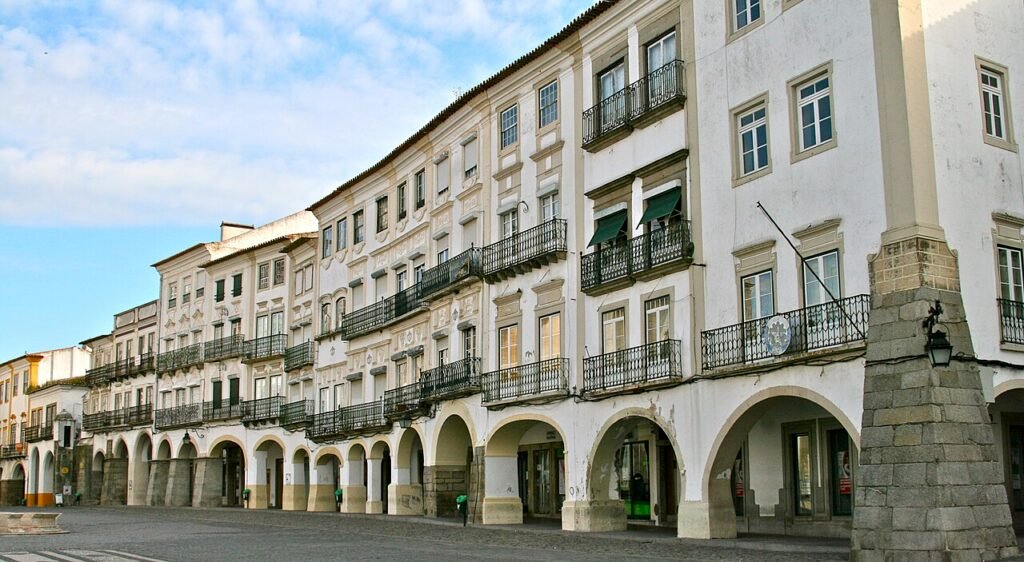
Évora (inscribed 1986) has 2,000 years of stratified history in 1 km²: Roman Temple (1st-2nd c. CE, 14 Corinthian columns intact), Gothic cathedral, Jesuit university (1559), and the Chapel of Bones — 5,000 skulls line the walls of a 17th-c. Franciscan ossuary whose inscription reads “We bones that are here await yours.” The Almendres Cromlech (7,000 BCE) is 7 km away.
UNESCO Heritage Sites Near Guimarães, Portugal

UNESCO Heritage Sites Near Guimarães, Portugal

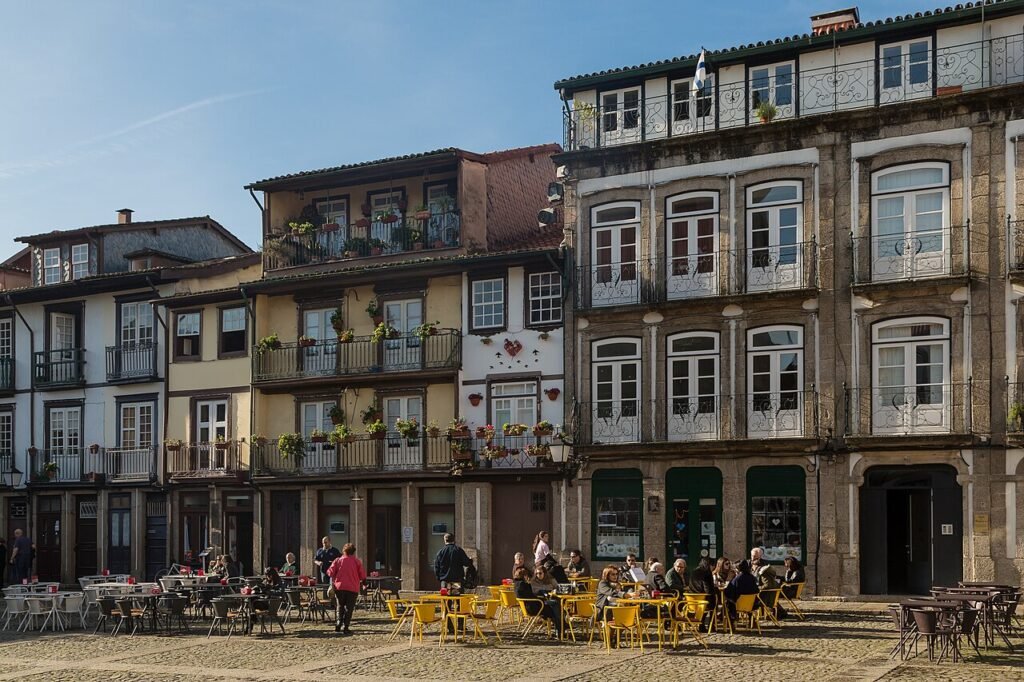
Guimarães (inscribed 2001) is the “Berço de Portugal” (Cradle of Portugal) — Afonso Henriques (first King of Portugal, c. 1109–1185) was born here; his castle bears the inscription “Aqui nasceu Portugal.” The Palace of the Dukes of Braganza (1420s) has 30 tall chimneys and Flemish tapestries. Every Portuguese schoolchild learns this city.

UNESCO Heritage Sites Near El Jadida, Morocco

UNESCO Heritage Sites Near El Jadida, Morocco

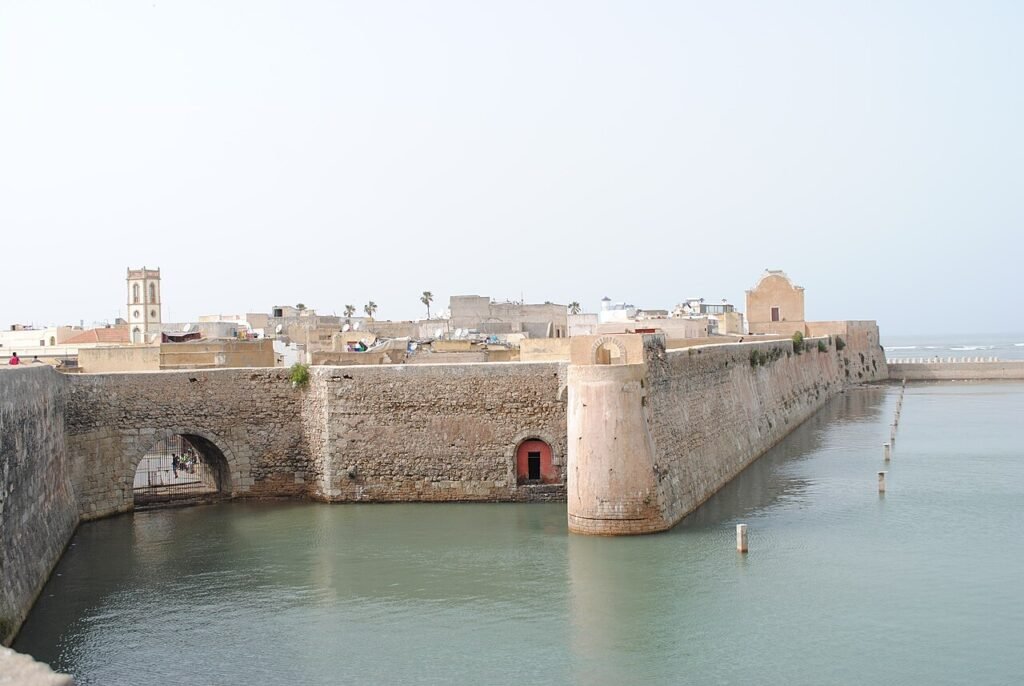
El Jadida/Mazagan (inscribed 2004) is the oldest Portuguese fortress in Africa, built 1502 CE. The Portuguese Cistern (1514) — a Manueline-vaulted underground hall reflected in a mirror of water, single skylight, 34×34m — is one of the world’s most beautiful interior spaces. When Portugal evacuated in 1769, the entire garrison founded Nova Mazagão in the Brazilian Amazon.

UNESCO Heritage Sites Near Essaouira, Morocco

UNESCO Heritage Sites Near Essaouira, Morocco

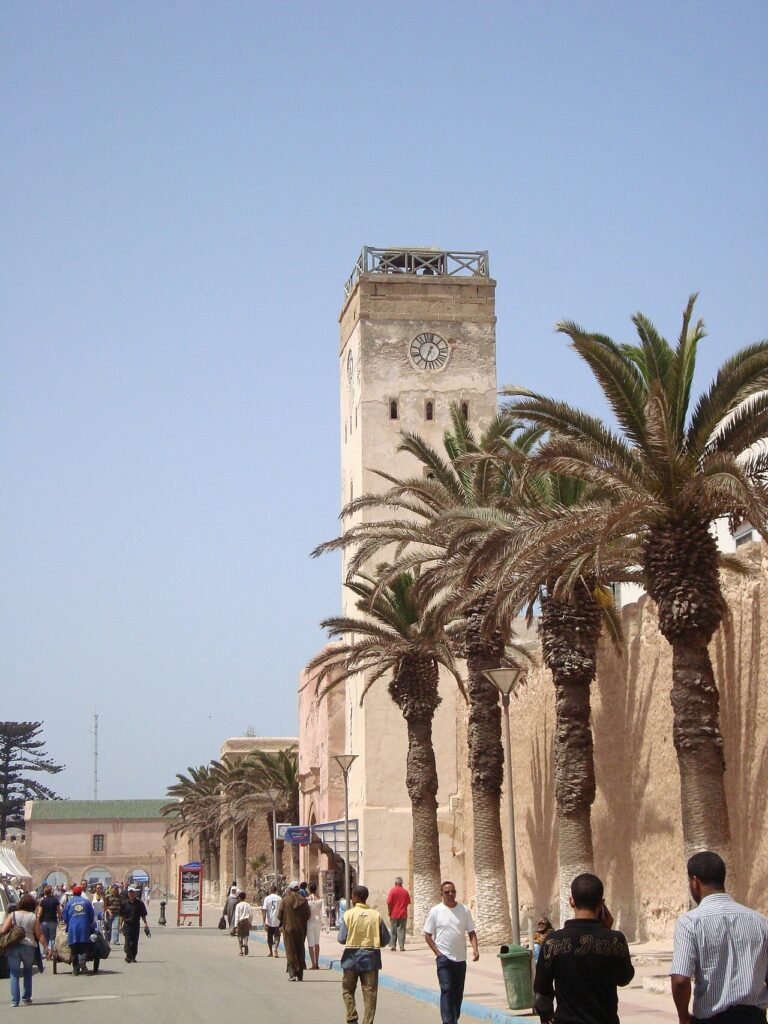
Essaouira (inscribed 2001) is the only Moroccan medina built on a European rectangular street grid — designed in 1765 by a French architect for Sultan Mohammed III as an Atlantic trading port. The blue-and-white Skala sea rampart (where Orson Welles filmed Othello in 1952) and the Gnawa World Music Festival (500,000 visitors, June) define the city internationally.

UNESCO Heritage Sites Near George Town, Penang

UNESCO Heritage Sites Near George Town, Penang

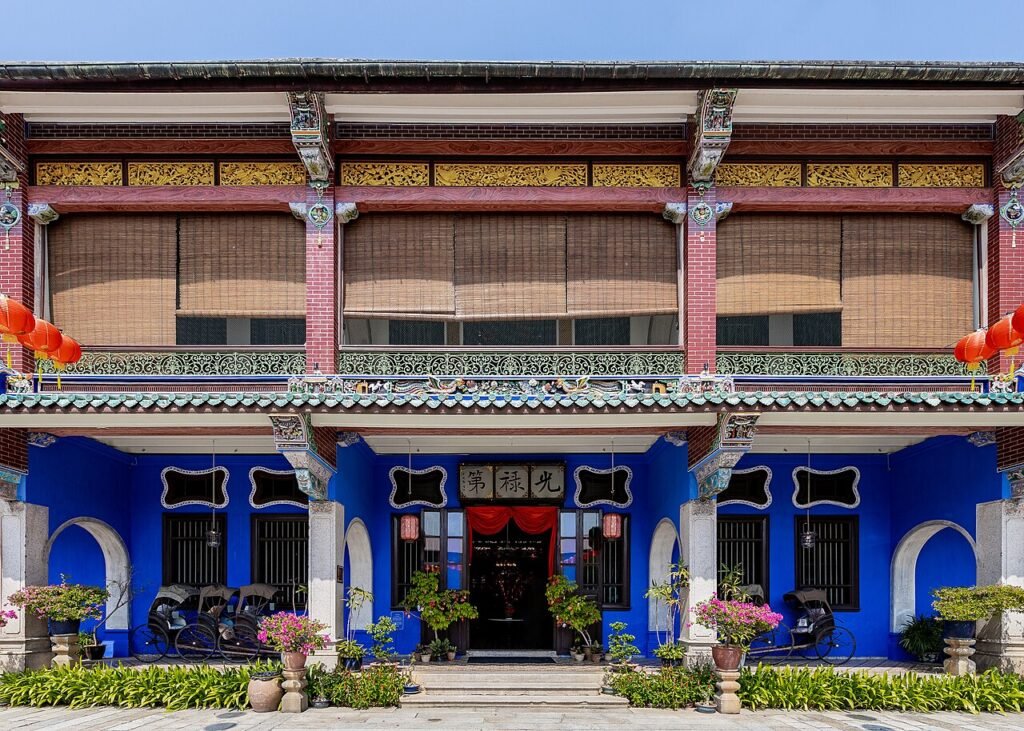
George Town, Penang (inscribed 2008) is Southeast Asia’s most multicultural heritage city: Malay, Chinese Hokkien, Indian Tamil, Peranakan, and British colonial buildings within the same city blocks. The Cheong Fatt Tze Blue Mansion (1880s, indigo paint, Glasgow cast-iron columns) is the finest Chinese Straits Eclectic mansion in Asia. George Town’s hawker street food — Char Koay Teow, Assam Laksa — is regularly ranked the world’s best.

UNESCO Heritage Sites Near Sukhothai, Thailand

UNESCO Heritage Sites Near Sukhothai, Thailand

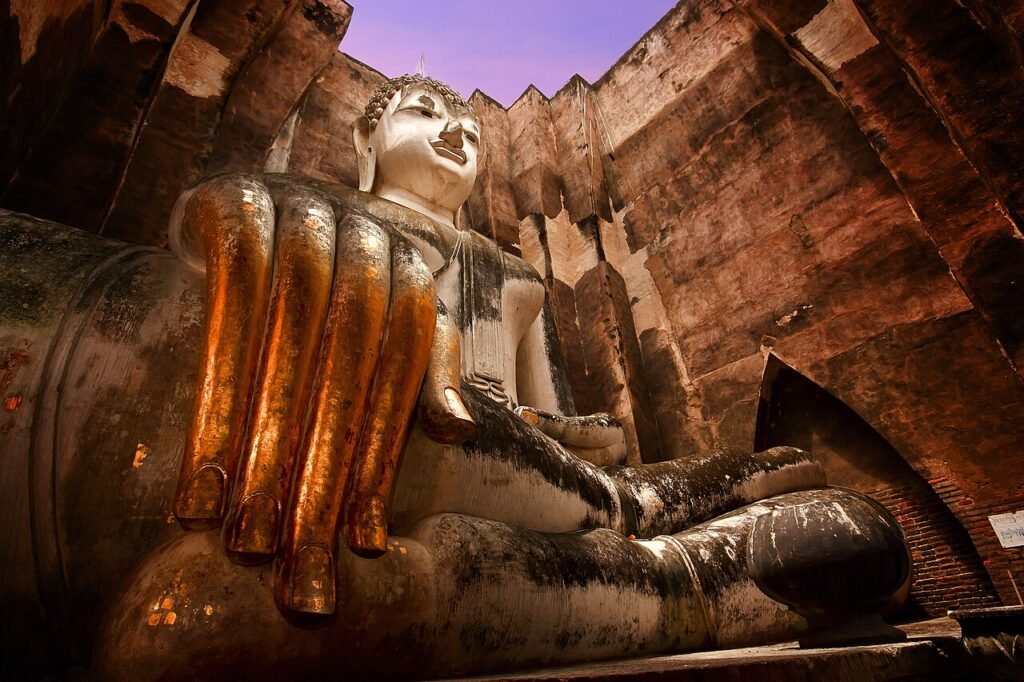
Sukhothai (inscribed 1991) was the first Thai kingdom (1238–1438 CE): King Ramkhamhaeng created (or codified) the Thai alphabet in 1283 CE. The park has 193 ruins including Wat Mahathat’s lotus-bud chedis and the Phra Achana at Wat Si Chum (14.7m seated Buddha framed in a narrow doorway). The Sukhothai walking Buddha is the most original Thai contribution to world Buddhist art.

UNESCO Heritage Sites Near Prambanan, Indonesia

UNESCO Heritage Sites Near Prambanan, Indonesia

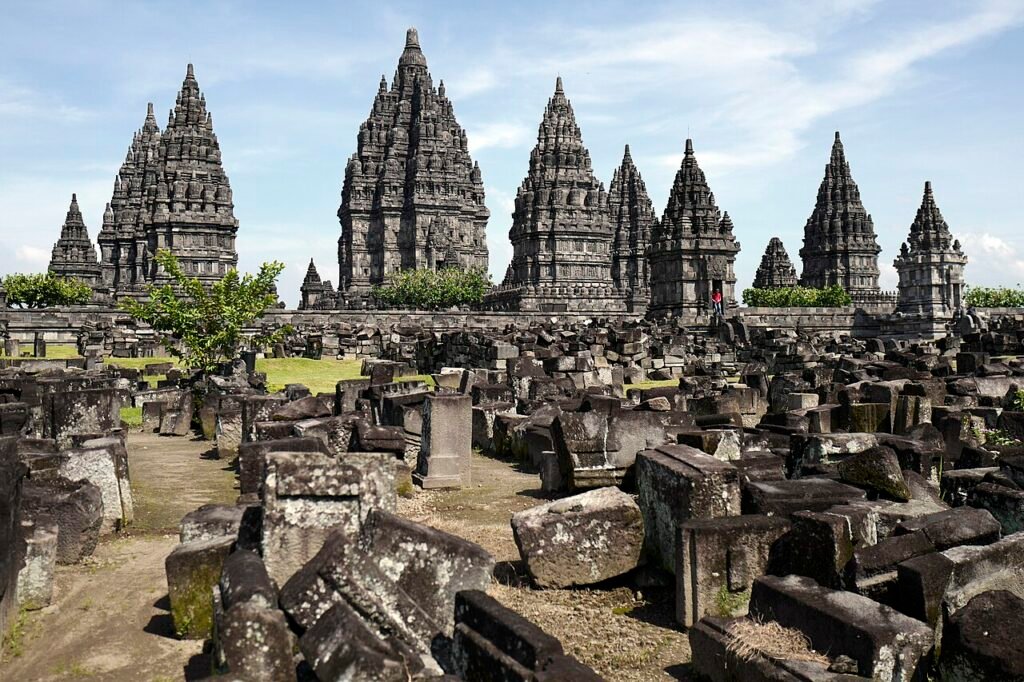
Prambanan (inscribed 1991) is the largest Hindu temple complex in Indonesia: 47m Shiva shikhara tower with 432 Ramayana relief panels carved in sequence around the balustrade — the longest stone Ramayana in Southeast Asia. Built c. 850 CE by the Sanjaya dynasty; destroyed by a 16th-century earthquake. Full-moon Ramayana Ballet performed outdoors against the illuminated temples May–October.

UNESCO Heritage Sites Near Anuradhapura, Sri Lanka

UNESCO Heritage Sites Near Anuradhapura, Sri Lanka

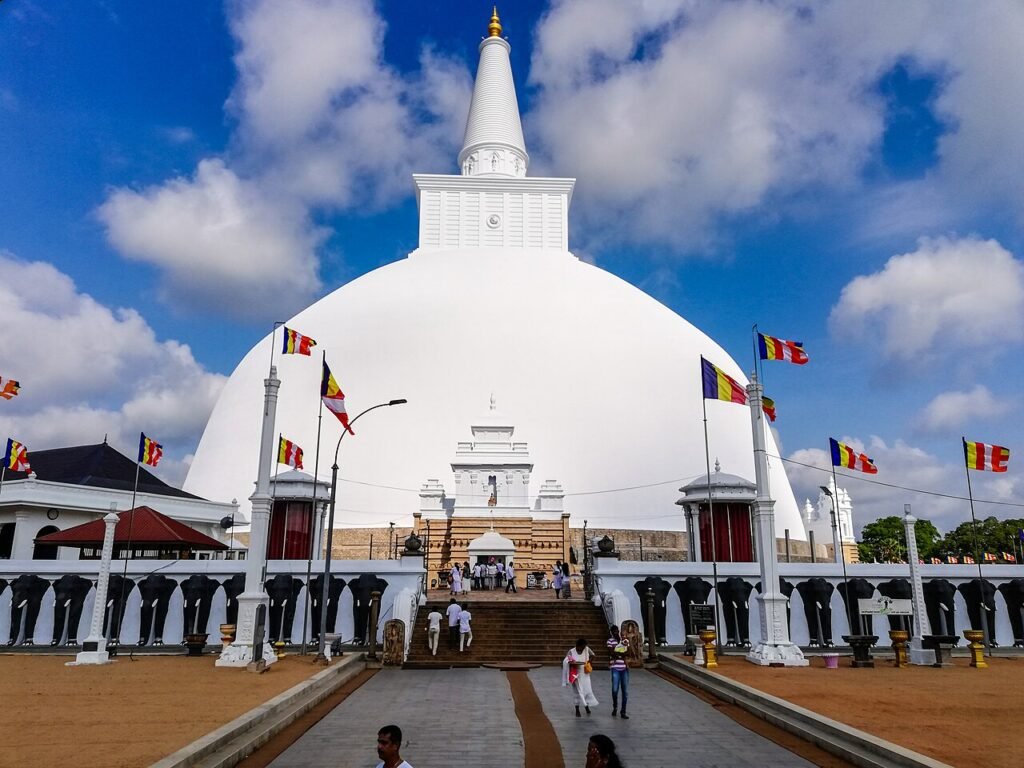
Anuradhapura (inscribed 1982) was the Sinhalese capital for 1,300 years (380 BCE–993 CE) and contains the oldest documented living tree in the world: the Jaya Sri Maha Bodhi, a fig tree grown from a cutting of the Buddha’s Bodhi Tree, planted 288 BCE. The Jetavanarama Dagoba (c. 300 CE, originally 122m high) was the third-tallest ancient structure in the world after the two largest Egyptian pyramids.

The Market Square (Markt) of Quedlinburg, Saxony-Anhalt, Germany — the timber-framed half-timbered houses (Fachwerk) of the medieval market centre of the UNESCO-inscribed Collegiate Church, Castle and Old Town of Quedlinburg, the cradle of the German nation and the court of the Ottonian dynasty where Henry I and Otto I ruled, with 1,300 surviving Fachwerk buildings from the 13th to the 18th century

UNESCO Heritage Sites Near Quedlinburg, Germany

Quedlinburg (inscribed 1994) is where the German nation began: the crypt of St. Servatius Collegiate Church (1021–1129 CE) holds the tombs of Henry I (919 CE, the first elected German king) and Queen Mathilde who founded the Abbey in 936 CE. The old town has 1,300 half-timbered (Fachwerk) buildings spanning 600 years, including the oldest Fachwerk house in Germany (c. 1270 CE).

UNESCO Heritage Sites Near Colonia del Sacramento

UNESCO Heritage Sites Near Colonia del Sacramento

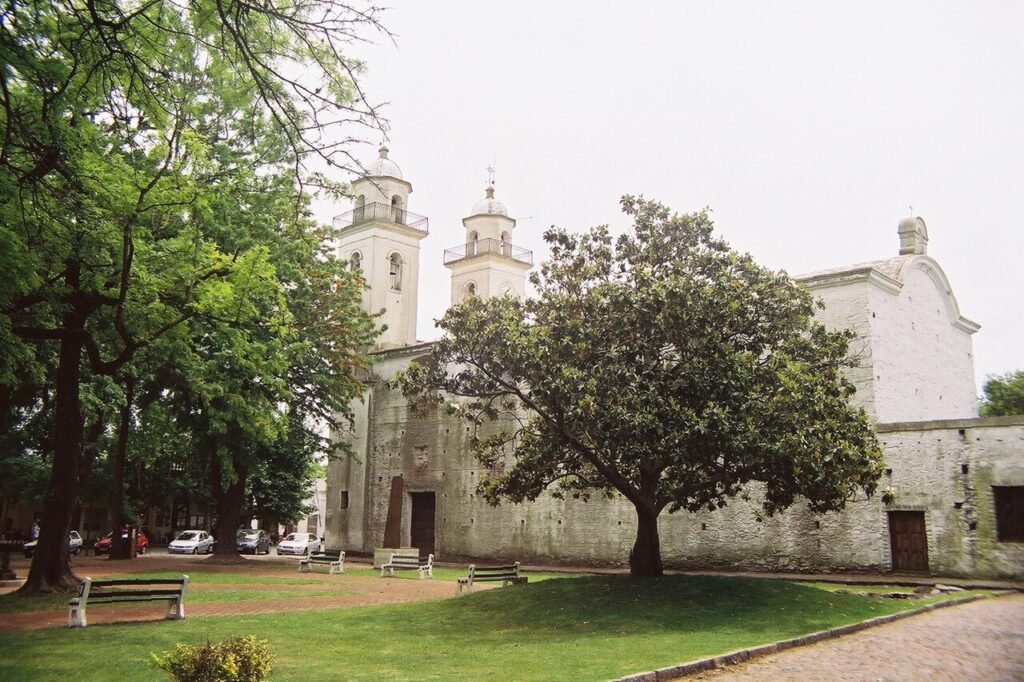
Colonia del Sacramento (inscribed 1995) is a tiny Portuguese colonial town (0.2 km²) on the Río de la Plata, 45 minutes by ferry from Buenos Aires — founded 1680 by Portugal as a challenge to Spanish Buenos Aires and conquered and reconquered 8 times. The calçada portuguesa cobblestone streets, the convent ruins converted into a lighthouse, and the unique Portuguese-Spanish architectural blend survive intact.

Scroll to Top