Cultural Heritage Online
The editorial desk

Cultural Heritage Online

Contributions: 845 articles · 15,408 heritage places · 167 events · 50 itineraries · 4 road-books · 16,140 photographs

Author name: Cultural Heritage Online

UNESCO World Heritage Sites Near Trujillo: Chan Chan, the World’s Largest Adobe City, and the Moche Huacas del Sol y de la Luna

UNESCO World Heritage Sites Near Trujillo: Chan Chan, the World’s Largest Adobe City, and the Moche Huacas del Sol y de la Luna

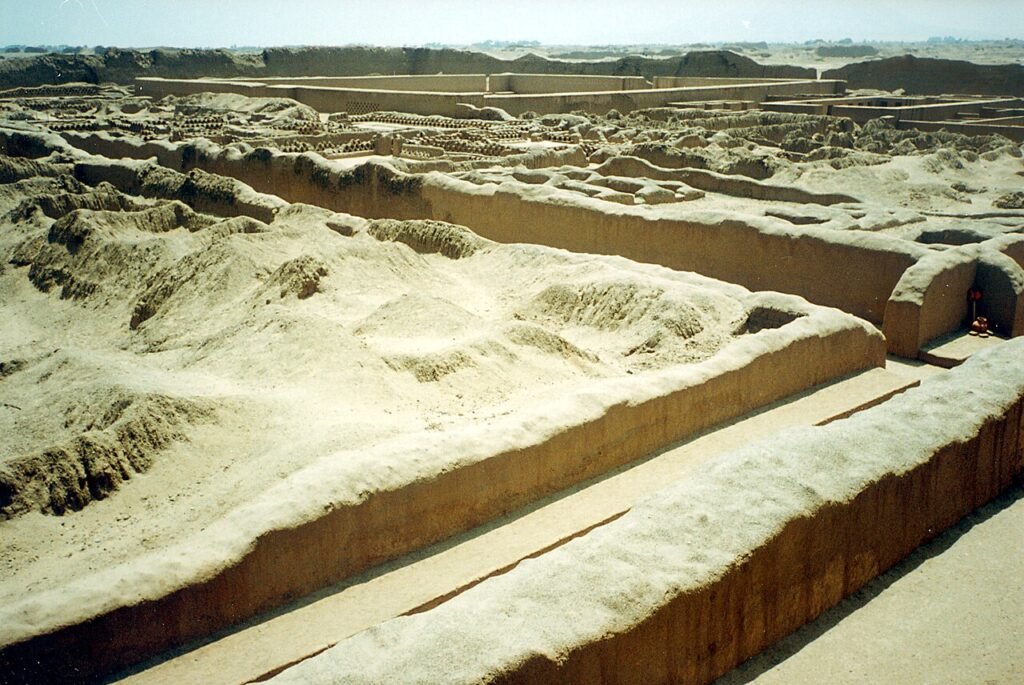
Chan Chan (inscribed 1986, In Danger 1986) is the largest pre-Columbian city in South America: 10 royal Chimu adobe ciudadela compounds covering 20 km² in the Moche Valley, each a palace-mausoleum for a successive king (c. 900–1470 CE), with geometric fish and bird friezes. The Huacas del Sol y de la Luna (Moche culture, 100–800 CE) are 8 km south with polychrome murals of the Decapitator deity.
UNESCO World Heritage Sites Near Djenné: The Great Mosque, the Crépissage Festival and the Oldest City in Sub-Saharan Africa

UNESCO World Heritage Sites Near Djenné: The Great Mosque, the Crépissage Festival and the Oldest City in Sub-Saharan Africa

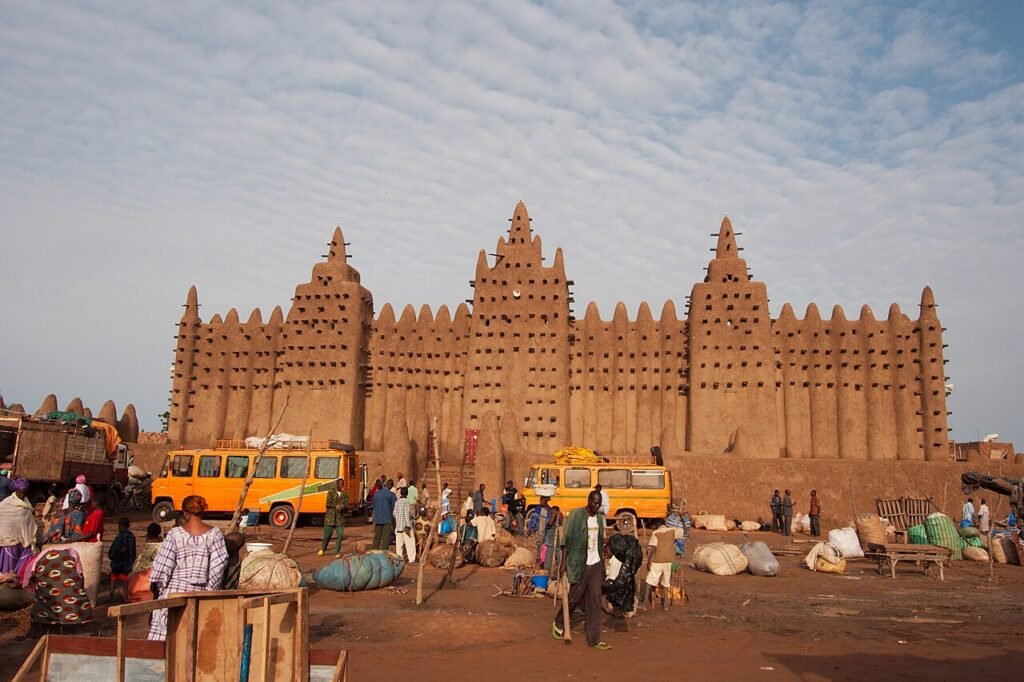
Djenné (inscribed 1988, In Danger 2016) contains the world’s largest mud-brick building — the Great Mosque (1907, rebuilt on a 13th-century foundation, 75×70m with three towers) — and the oldest known city in sub-Saharan Africa: Djenné-Djenno (250 BCE), 3 km south. The annual crépissage (April–May), when the entire male community replasters the mosque in one day, is one of the world’s most spectacular living heritage events.

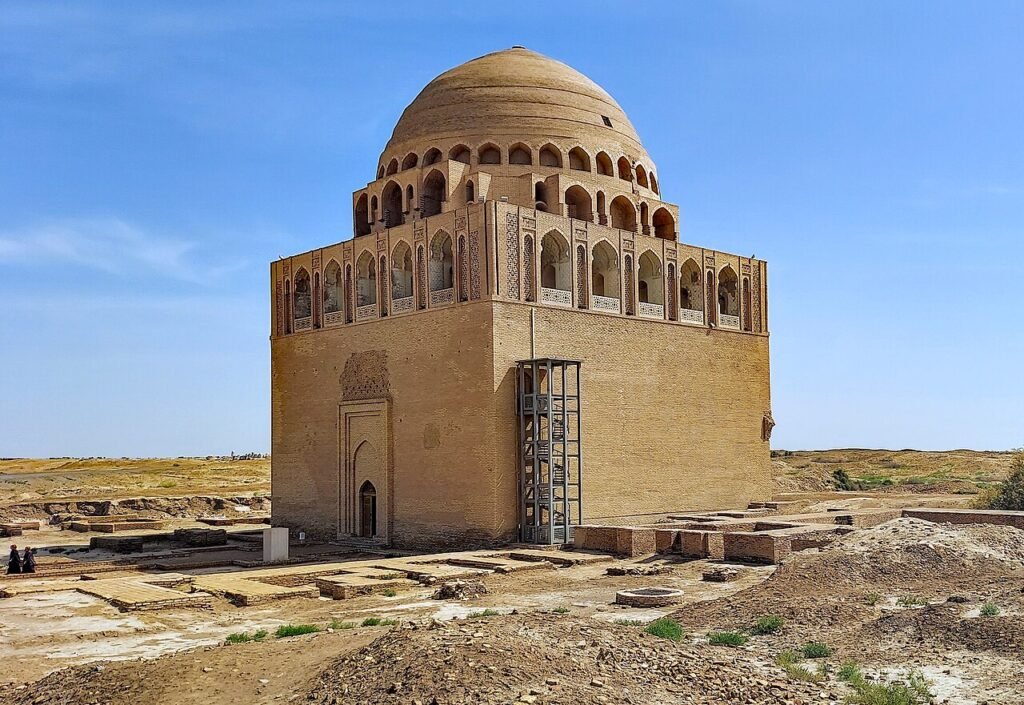
UNESCO World Heritage Sites Near Merv: The Seljuk Capital, Sultan Sanjar’s Mausoleum and Four Thousand Years of Silk Road Civilization

UNESCO World Heritage Sites Near Merv: The Seljuk Capital, Sultan Sanjar’s Mausoleum and Four Thousand Years of Silk Road Civilization

Ancient Merv (inscribed 1999) is Central Asia’s greatest Silk Road site: 4,000 years of superimposed cities (Bronze Age to Mongol) on the Murghab oasis of Turkmenistan — the Seljuk Sultan Sanjar Mausoleum (1157 CE, double-shell dome, 38m) stands alone on what was once the largest city in the medieval world (pop. 200,000–500,000), destroyed by the Mongols in 1221 CE.

UNESCO World Heritage Sites Near Şanlıurfa: Göbekli Tepe, the World’s Oldest Ritual Complex, and the Harran Ancient University

UNESCO World Heritage Sites Near Şanlıurfa: Göbekli Tepe, the World’s Oldest Ritual Complex, and the Harran Ancient University

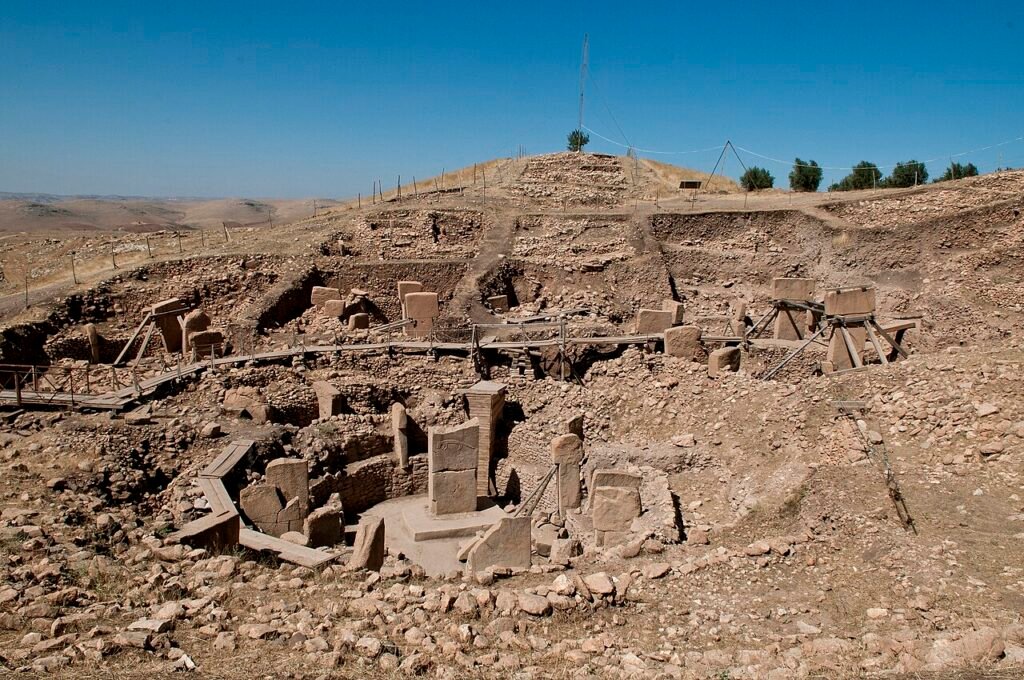
Göbekli Tepe (inscribed 2018) is the world’s oldest ritual complex: T-shaped limestone megaliths (9,500 BCE) with carved foxes, boars, and vultures in circular enclosures on a hilltop in southeastern Turkey — built by hunter-gatherers 7,000 years before Stonehenge. The Şanlıurfa Museum displays the Urfa Man (9,000 BCE), the world’s oldest life-sized human sculpture, found here. Harran’s ancient university is 44 km south.

Pitagora by Giorgio Taverniti on Piazza del Palio, Stilo

Pitagora — Stilo (Giorgio Taverniti, 2016)

Two open steel triangles on a square in Stilo, and between them the multiplication table — ten by ten, up to a hundred, cut out in coloured metal and open to the sky. In Italian the table is called the tavola pitagorica. Giorgio Taverniti, born in the town, gave it to Stilo in 2016.

Nan Madol UNESCO World Heritage Site: The Venice of the Pacific, 92 Basalt Islets and the Saudeleur Royal Tombs of Micronesia

Nan Madol UNESCO World Heritage Site: The Venice of the Pacific, 92 Basalt Islets and the Saudeleur Royal Tombs of Micronesia

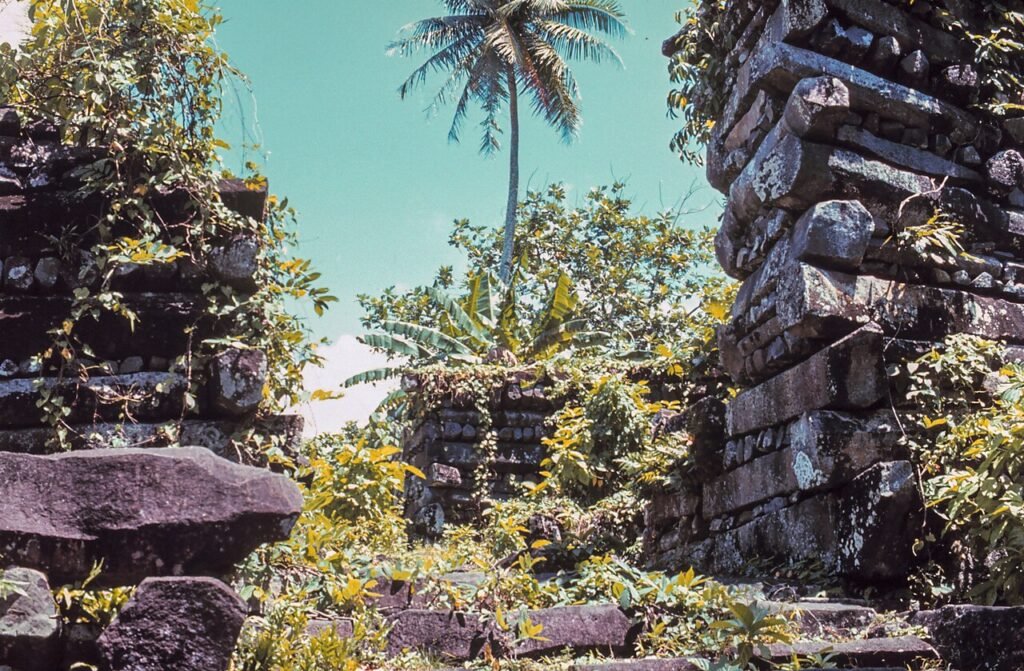
Nan Madol (inscribed 2016, In Danger) is the only ancient city built on a coral reef: 92 artificial islets of interlocking basalt prisms (950,000 tonnes total) in the tidal flat of Pohnpei, Micronesia — the ceremonial capital of the Saudeleur dynasty (c. 1100–1628 CE). Nandauwas royal tomb has 20m walls of basalt logs, no mortar. One of the wettest and most remote UNESCO sites on Earth.

UNESCO World Heritage Sites Near Caral: The Oldest City in the Americas and the Chimu Capital of Chan Chan

UNESCO World Heritage Sites Near Caral: The Oldest City in the Americas and the Chimu Capital of Chan Chan

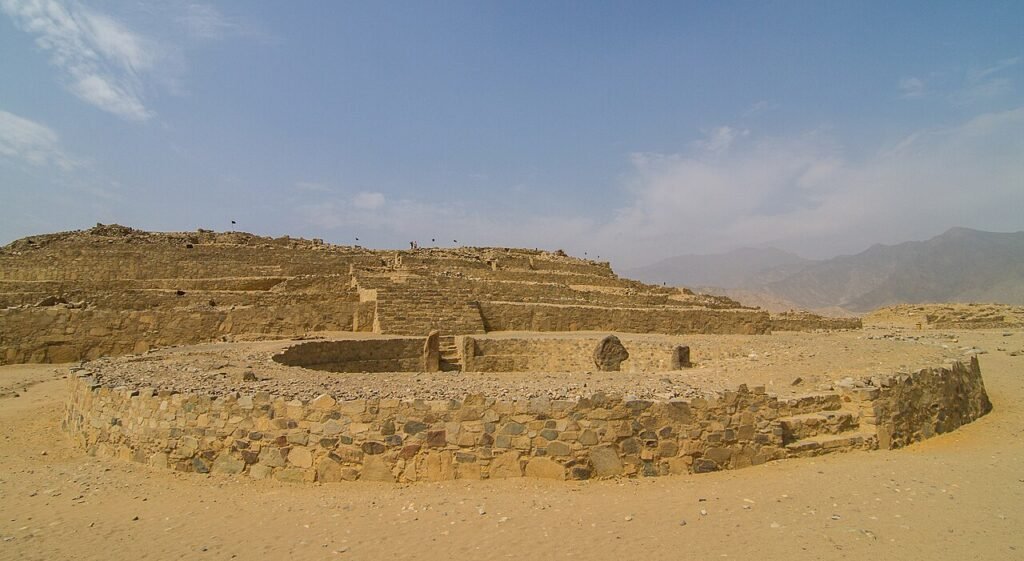
Caral-Supe (inscribed 2009) is the oldest city in the Americas: the capital of the Norte Chico civilization (c. 2600 BCE), contemporaneous with the pyramids of Giza, with 6 platform mounds (the Pirámide Mayor: 154×138×18m), sunken circular plazas, and no pottery or weapons. Chan Chan (Chimu adobe city, inscribed 1986, In Danger), the largest pre-Columbian city, is 380 km north.

UNESCO World Heritage Sites Near Kars: Ani, the Ruined Medieval Armenian Capital and Its Cathedral of 1001 CE

UNESCO World Heritage Sites Near Kars: Ani, the Ruined Medieval Armenian Capital and Its Cathedral of 1001 CE

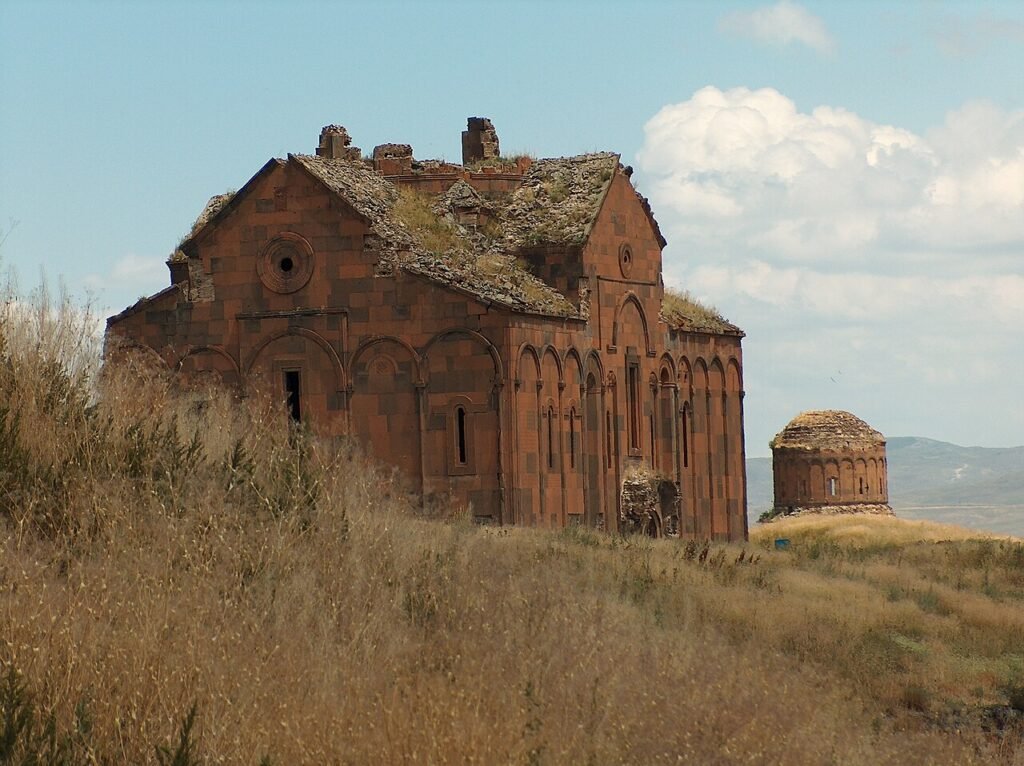
Ani (inscribed 2016) is the ruined medieval capital of the Bagratid Armenian Kingdom (961–1064 CE) on Turkey’s Armenian border: the Cathedral of Ani (1001 CE, architect Tiridates — who also repaired Hagia Sophia’s dome), the Church of the Redeemer split by lightning, and the Church of St. Gregory with the finest surviving medieval Armenian frescoes. Kars, the Russian tsarist garrison town, is the base.

UNESCO World Heritage Sites Near Ohrid: the Byzantine Lake City, Birthplace of the Cyrillic Alphabet and Ancient Lake Ohrid

UNESCO World Heritage Sites Near Ohrid: the Byzantine Lake City, Birthplace of the Cyrillic Alphabet and Ancient Lake Ohrid

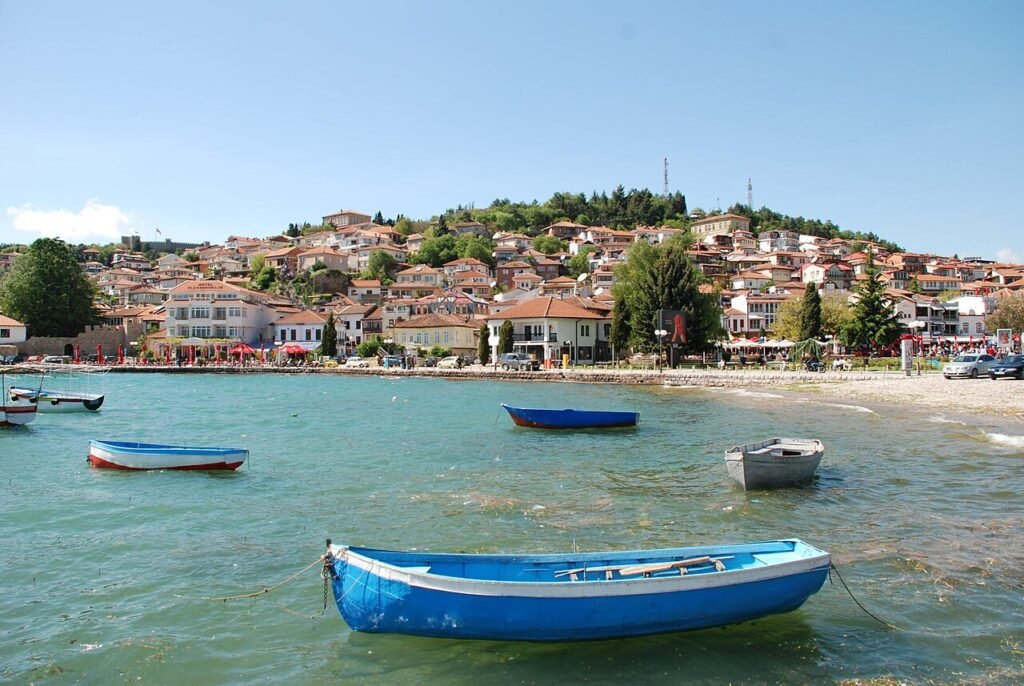
Ohrid (inscribed 1979/1980) is the most important Byzantine city in North Macedonia: 365 churches tradition, the birthplace of the Cyrillic alphabet (Clement of Ohrid’s Literary School, 886 CE), and Tsar Samuel’s 10th-century fortress above ancient Lake Ohrid — one of the world’s oldest lakes (1–3 million years, 200+ endemic species), shared with Albania and extended in 2019.

Scroll to Top