
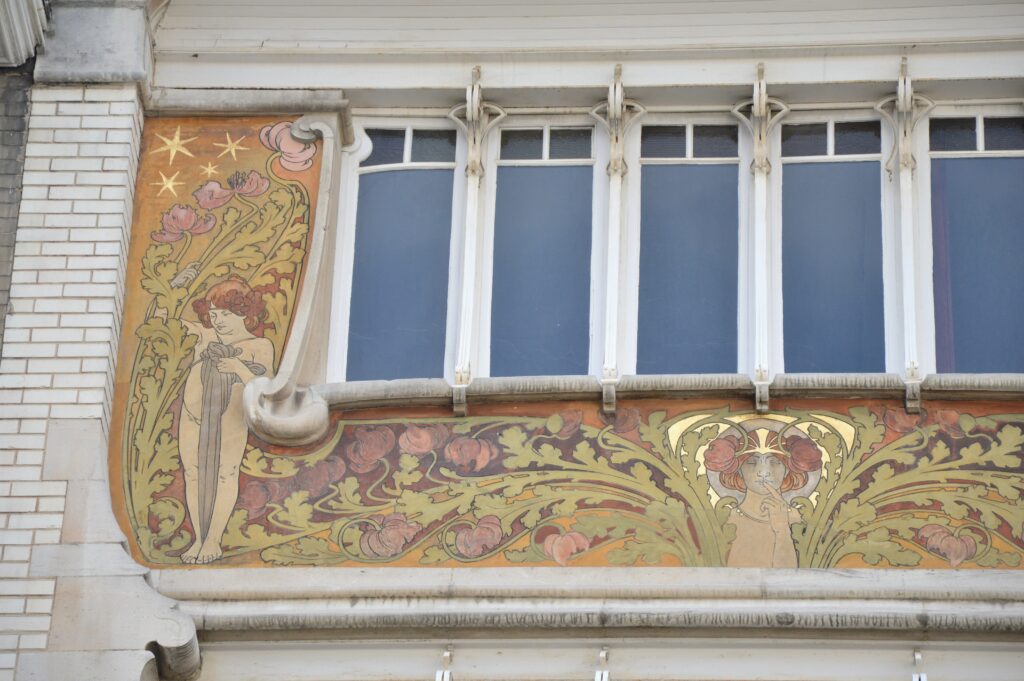
Maison Roosenboom, Brussels
Maison Roosenboom, rue Faider 83, Ixelles: the sgraffito by Henri Privat-Livemont. Photo: Busoni, CC BY-SA 3.0, via Wikimedia Commons. IXELLES, […]

Maison Roosenboom, rue Faider 83, Ixelles: the sgraffito by Henri Privat-Livemont. Photo: Busoni, CC BY-SA 3.0, via Wikimedia Commons. IXELLES, […]
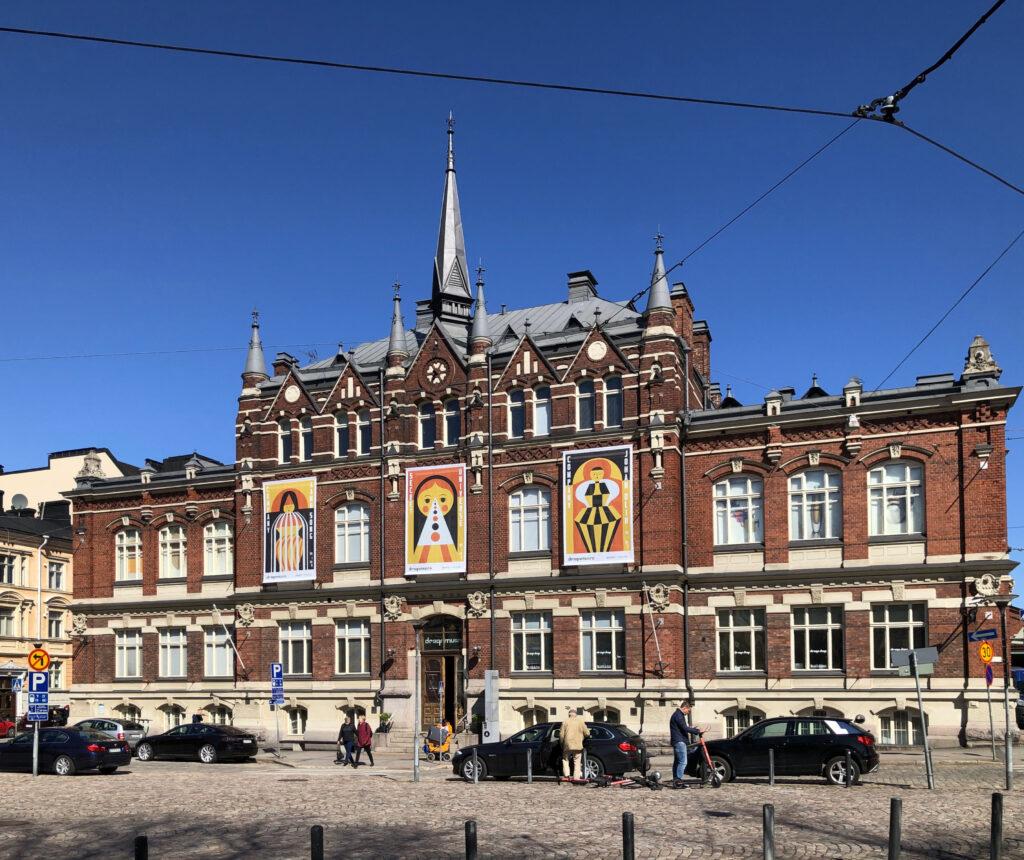
Architecture & Design Museum, Korkeavuorenkatu 23, Helsinki. Photo: Vadelmavene, CC BY-SA 4.0, via Wikimedia Commons. HELSINKI, FINLAND · FOUNDED 1873
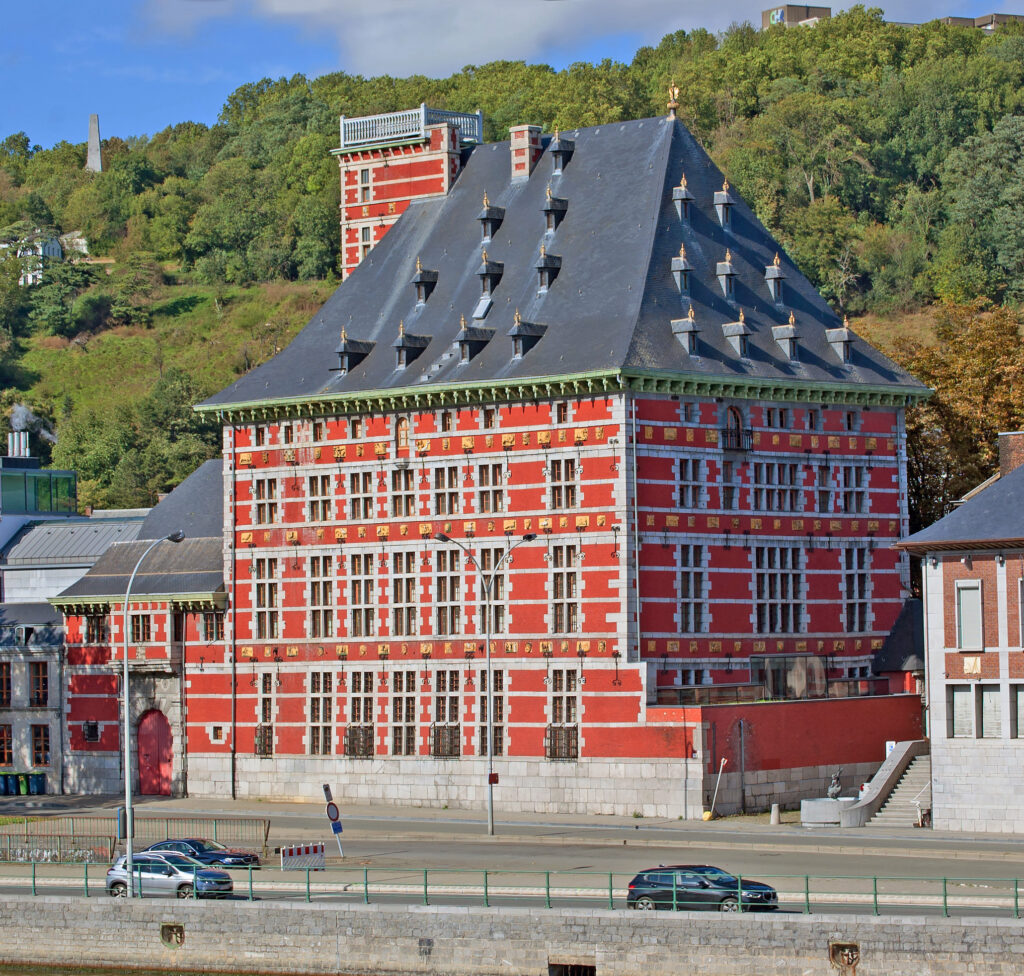
Palais Curtius, Liège, from the pont Saint-Léonard. Photo: Quentin Lowagie (Klow), CC BY 4.0, via Wikimedia Commons. LIÈGE, BELGIUM ·
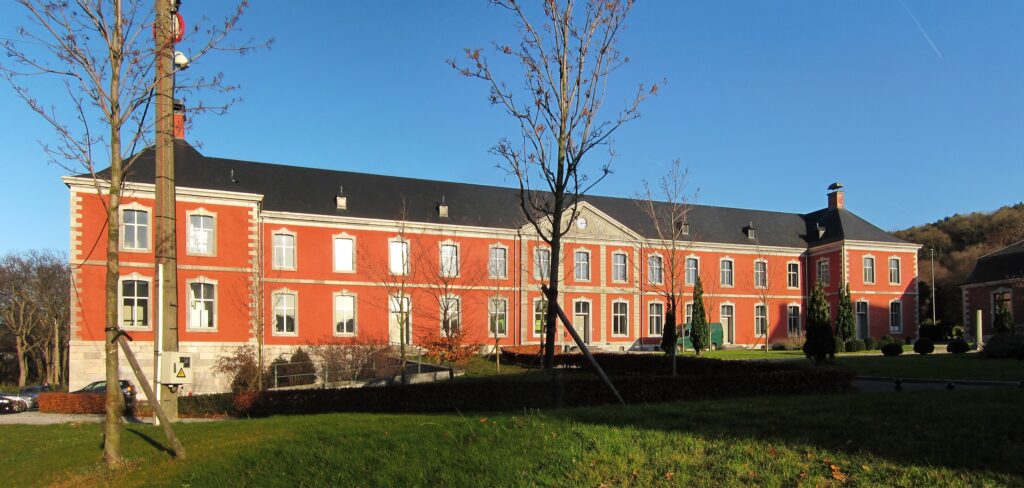
The château of Val Saint-Lambert, Seraing. Photo: Velvet, CC BY-SA 3.0, via Wikimedia Commons. SERAING, PROVINCE OF LIÈGE, BELGIUM ·
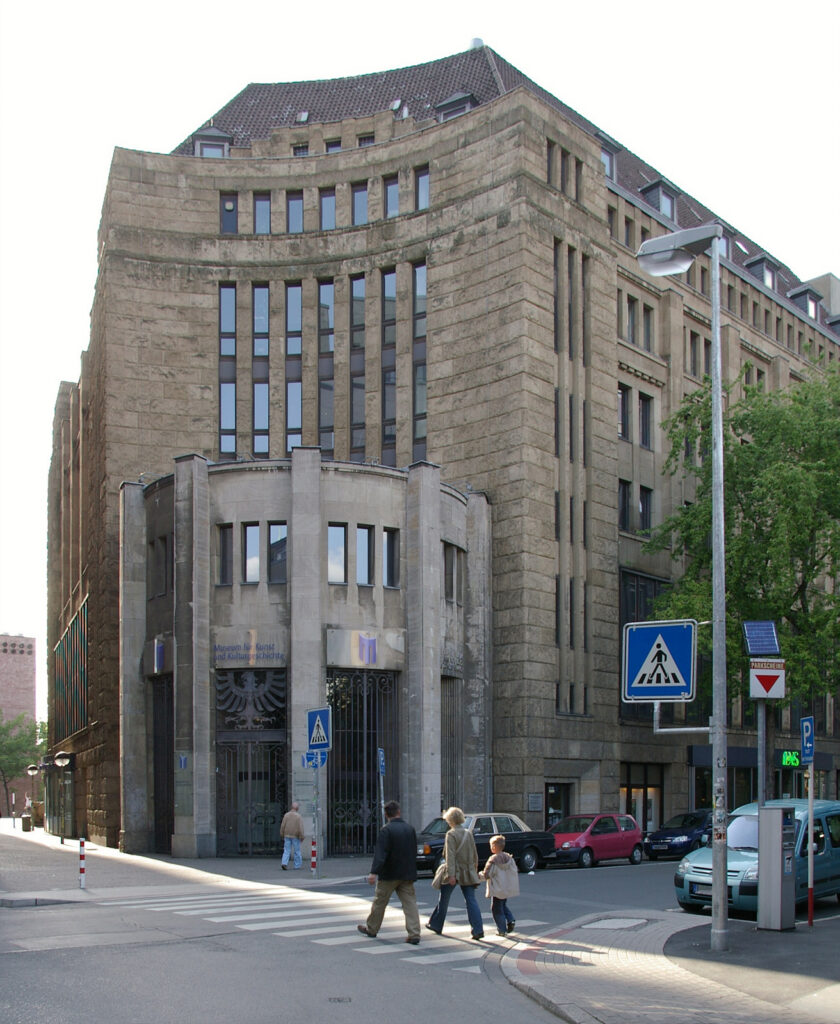
Museum für Kunst und Kulturgeschichte, Dortmund. Photo: Smial, CC BY-SA 2.0 DE, via Wikimedia Commons. DORTMUND, GERMANY · COLLECTION BEGUN
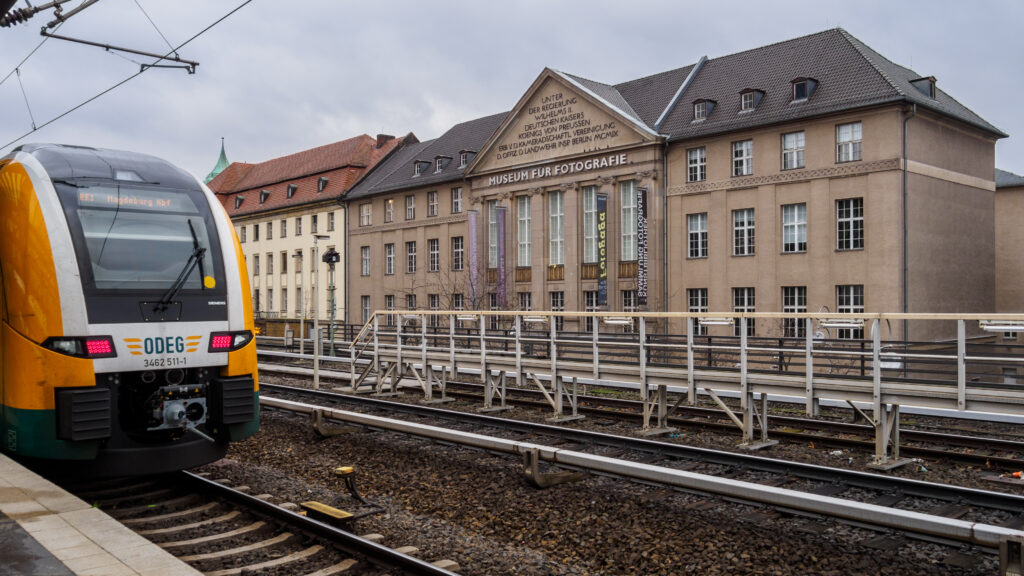
Museum für Fotografie, Berlin, from the platforms at Bahnhof Zoo. Photo: JoachimKohler-HB, CC BY-SA 4.0, via Wikimedia Commons. BERLIN, GERMANY
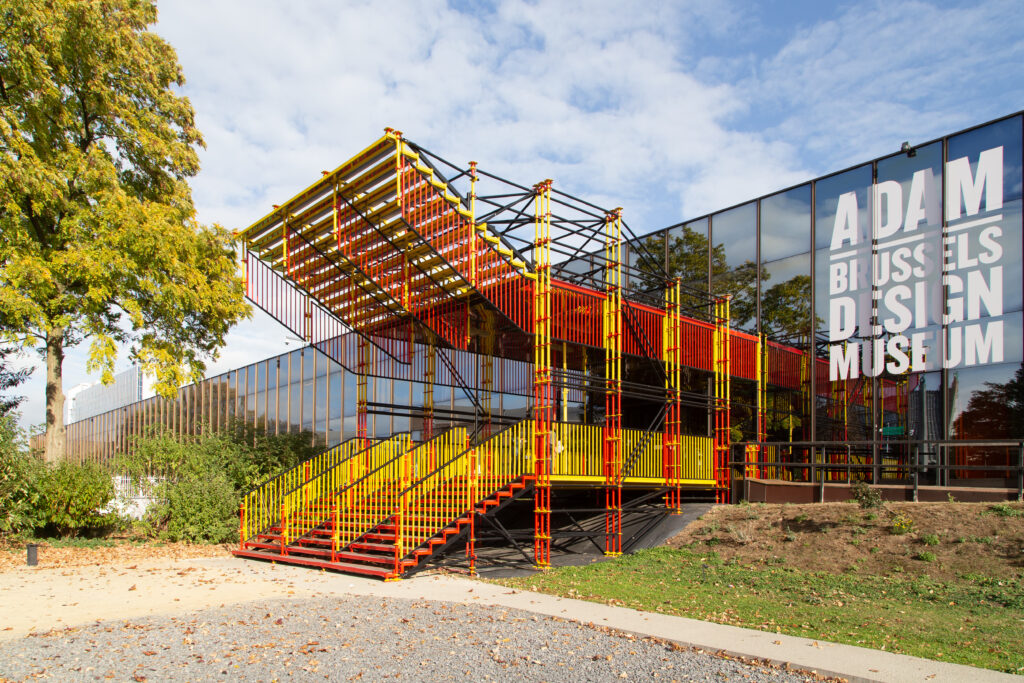
Design Museum Brussels, Heysel. The lettering reads ADAM, the museum’s name until October 2020. Photo: Tom P, CC BY-SA 2.0,
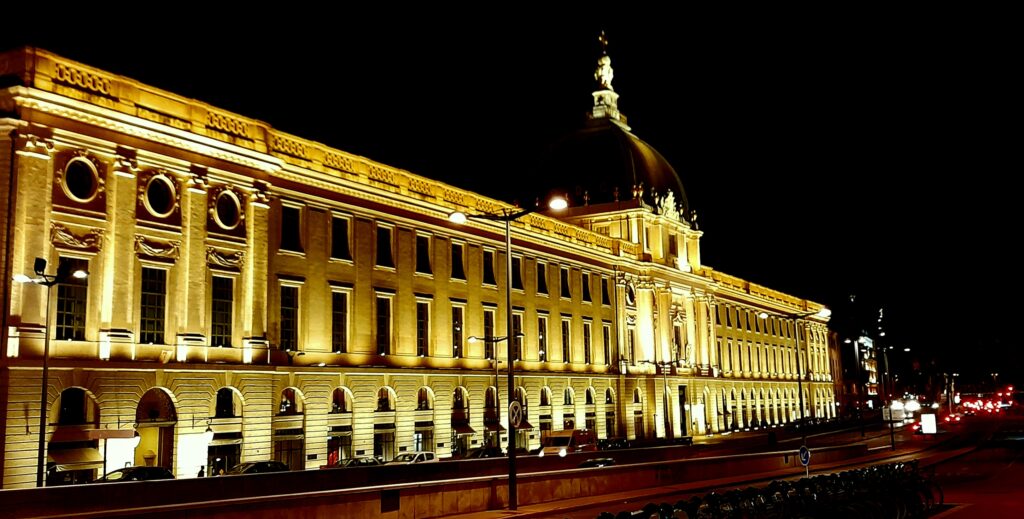
Grand Hôtel-Dieu, Lyon, the river front. Photo: Limfjord69, CC BY-SA 4.0, via Wikimedia Commons. LYON, FRANCE · HOSPITAL FROM THE
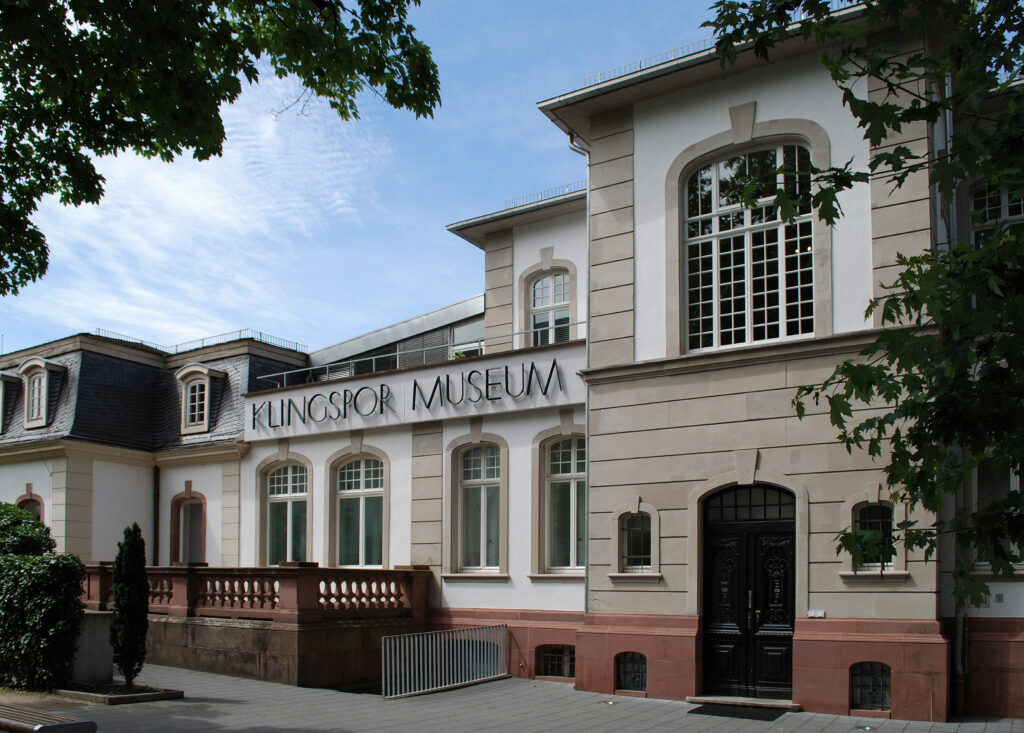
Klingspor Museum, Offenbach am Main. Photo: diba, CC BY-SA 2.0 DE, via Wikimedia Commons. OFFENBACH AM MAIN, GERMANY · FOUNDED
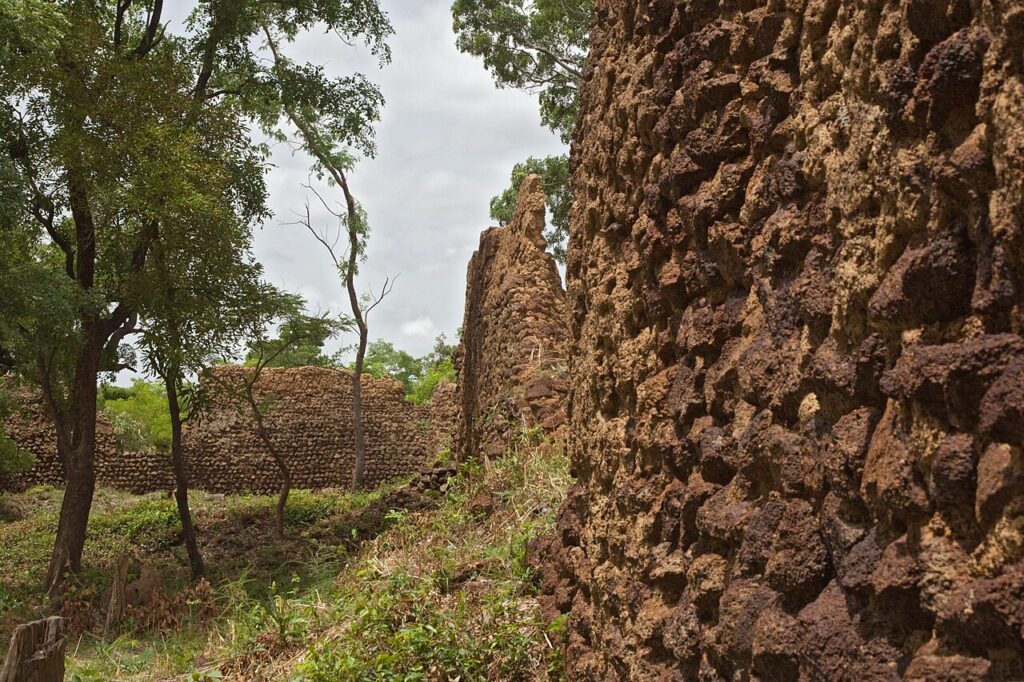
The Ruins of Loropéni in southwestern Burkina Faso are the country’s only UNESCO World Heritage Site and the best-preserved of some 100 laterite stone enclosures built across the Lobi region between 1000 and 1400 CE, likely by communities controlling the trans-Saharan gold trade. The site is currently difficult to access safely due to the ongoing Sahelian security crisis.