Cultural Heritage Online
The editorial desk

Cultural Heritage Online

Contributions: 832 articles · 15,400 heritage places · 167 events · 50 itineraries · 4 road-books · 16,126 photographs

Author name: Cultural Heritage Online

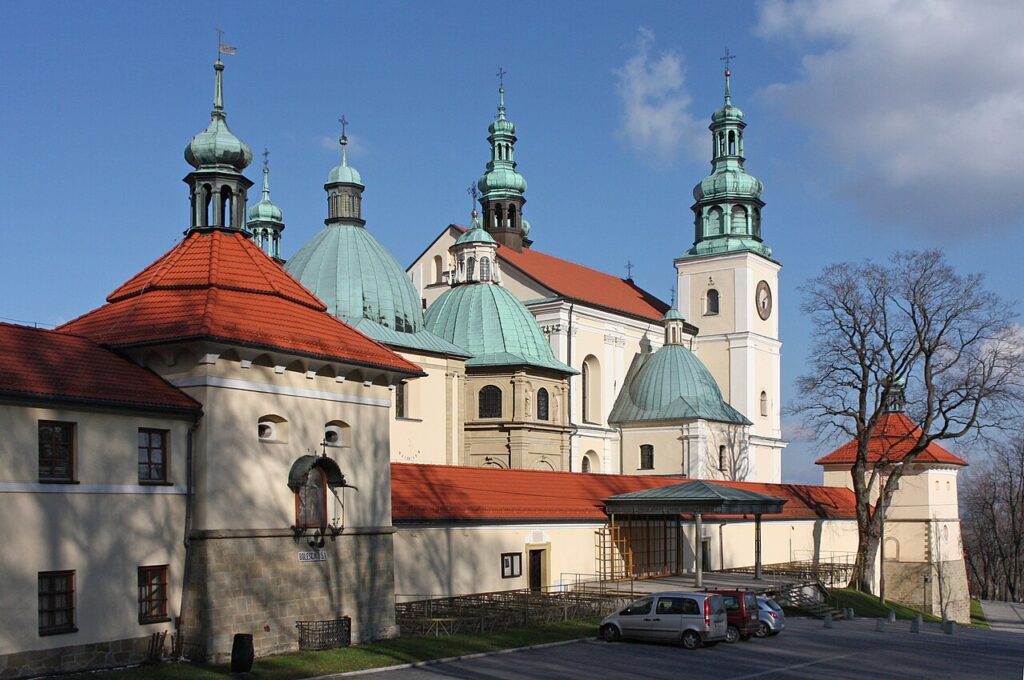
UNESCO World Heritage Sites Near Kalwaria Zebrzydowska: Poland’s Jerusalem on a Hillside, the 40 Mannerist Chapels Mapping the Via Crucis and the Shrine John Paul II Called Very Dear to Me

UNESCO World Heritage Sites Near Kalwaria Zebrzydowska: Poland’s Jerusalem on a Hillside, the 40 Mannerist Chapels Mapping the Via Crucis and the Shrine John Paul II Called Very Dear to Me

Kalwaria Zebrzydowska is a Mannerist pilgrimage complex in the Beskid Makowski hills, 35 km south of Kraków, where 40 chapels and churches map the topography of Jerusalem across the Polish landscape. Founded in 1600, UNESCO-inscribed in 1999, and visited repeatedly by John Paul II, it sits at the centre of Poland’s densest cluster of World Heritage Sites, with Wieliczka and Kraków 35 km north.
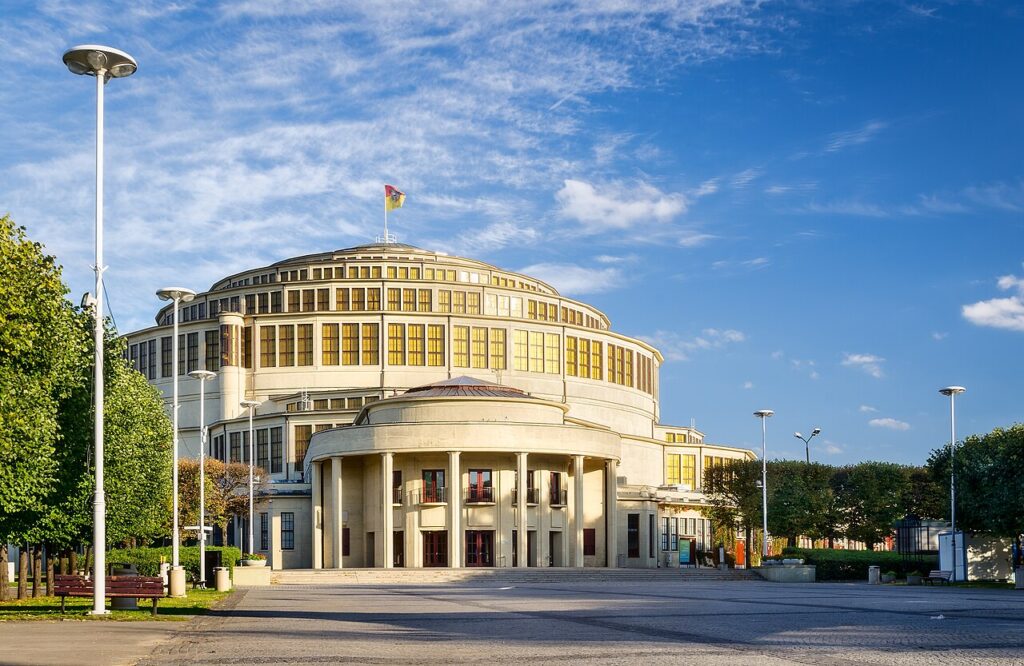
UNESCO World Heritage Sites Near the Centennial Hall in Wrocław: The 1913 Concrete Dome That Changed Architecture, the German Hall That Became Polish and a Venue Still Packed 110 Years On

UNESCO World Heritage Sites Near the Centennial Hall in Wrocław: The 1913 Concrete Dome That Changed Architecture, the German Hall That Became Polish and a Venue Still Packed 110 Years On

The Centennial Hall in Wrocław, completed in 1913 by city architect Max Berg, contained the world’s largest reinforced-concrete dome at the time of its construction — 65 metres in diameter, seating 10,000 — and is considered a founding document of modern structural architecture. UNESCO inscribed it in 2006; the building was constructed as a German monument in Breslau and became a Polish cultural venue after the city’s population was entirely displaced in 1945.

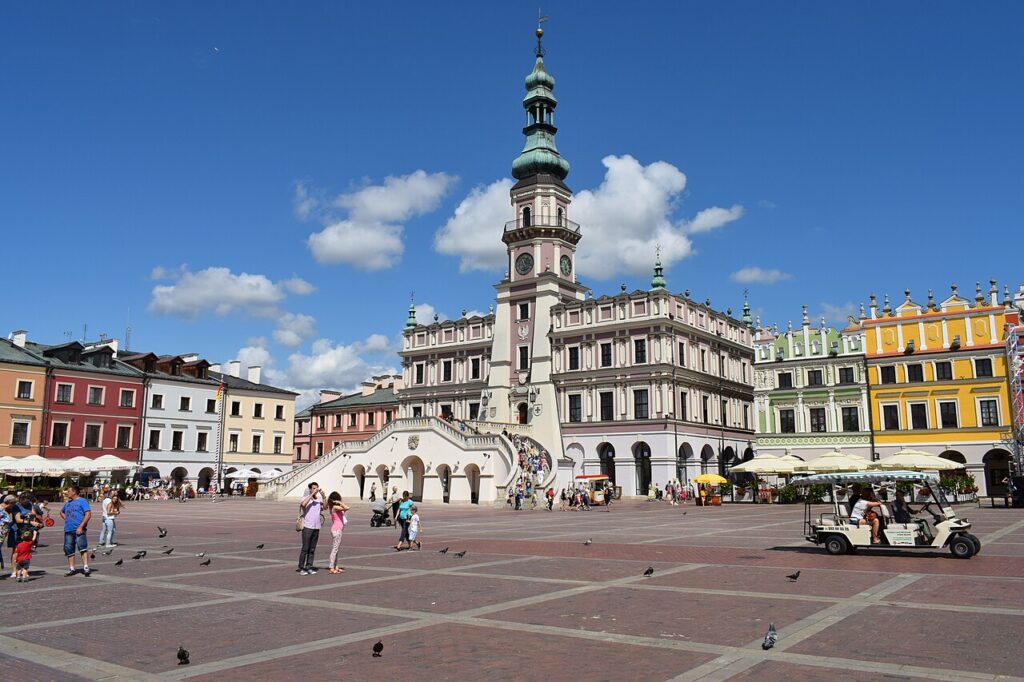
UNESCO World Heritage Sites Near the Old Town of Zamość: Poland’s Renaissance Ideal City, the Armenian Merchants Who Shaped Its Arcades and the Town Renamed Himmlerstadt in 1942

UNESCO World Heritage Sites Near the Old Town of Zamość: Poland’s Renaissance Ideal City, the Armenian Merchants Who Shaped Its Arcades and the Town Renamed Himmlerstadt in 1942

Zamość was founded in 1580 as a complete Renaissance ideal city — designed by Italian architect Bernardo Morando for Poland’s Grand Chancellor Jan Zamoyski, with a 100×100-metre market square, distinctive Armenian merchants’ arcades, and fortifications never successfully breached in four centuries of conflict. UNESCO inscribed it in 1992; the nearest comparable World Heritage sites are Kraków 270 km northwest and Lviv 170 km east.

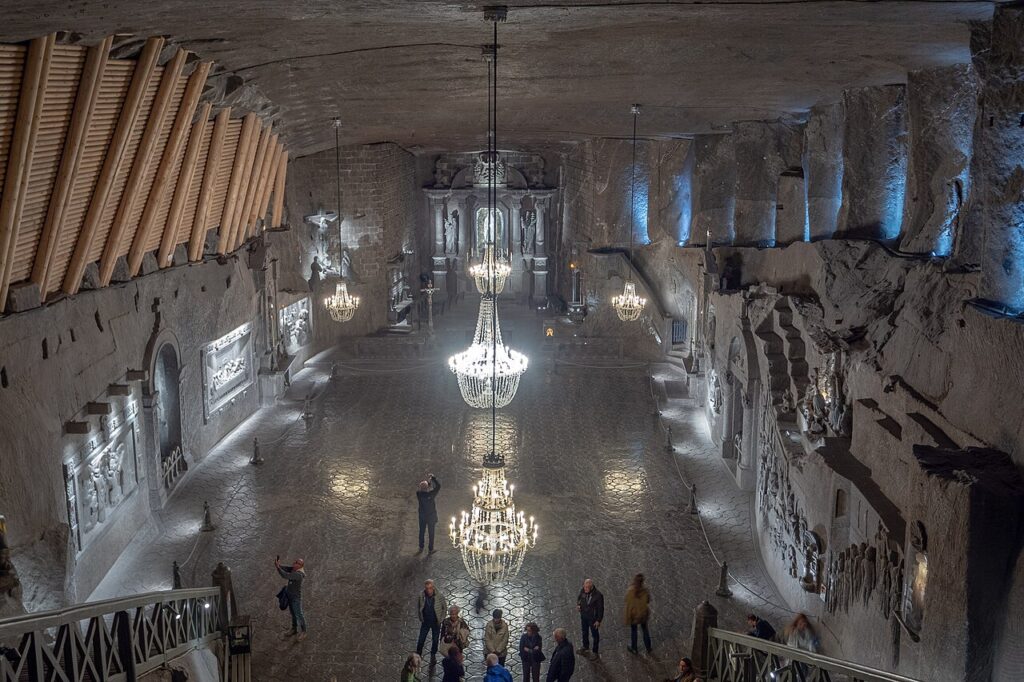
UNESCO World Heritage Sites Near the Wieliczka Salt Mine: The Underground Chapel Carved Over 67 Years, the Princess’s Ring Lost in Hungary and Found in Poland and 800 Years of Salt Beneath Kraków

UNESCO World Heritage Sites Near the Wieliczka Salt Mine: The Underground Chapel Carved Over 67 Years, the Princess’s Ring Lost in Hungary and Found in Poland and 800 Years of Salt Beneath Kraków

The Wieliczka Salt Mine, one of the first twelve UNESCO World Heritage Sites inscribed in 1978, contains 287 km of tunnels and a cathedral-scale chapel carved from salt over 67 years by miners working in their spare time. Located 14 km from Kraków, it sits at the centre of southern Poland’s densest concentration of World Heritage Sites, with Kalwaria Zebrzydowska 35 km south and Auschwitz-Birkenau 50 km west.

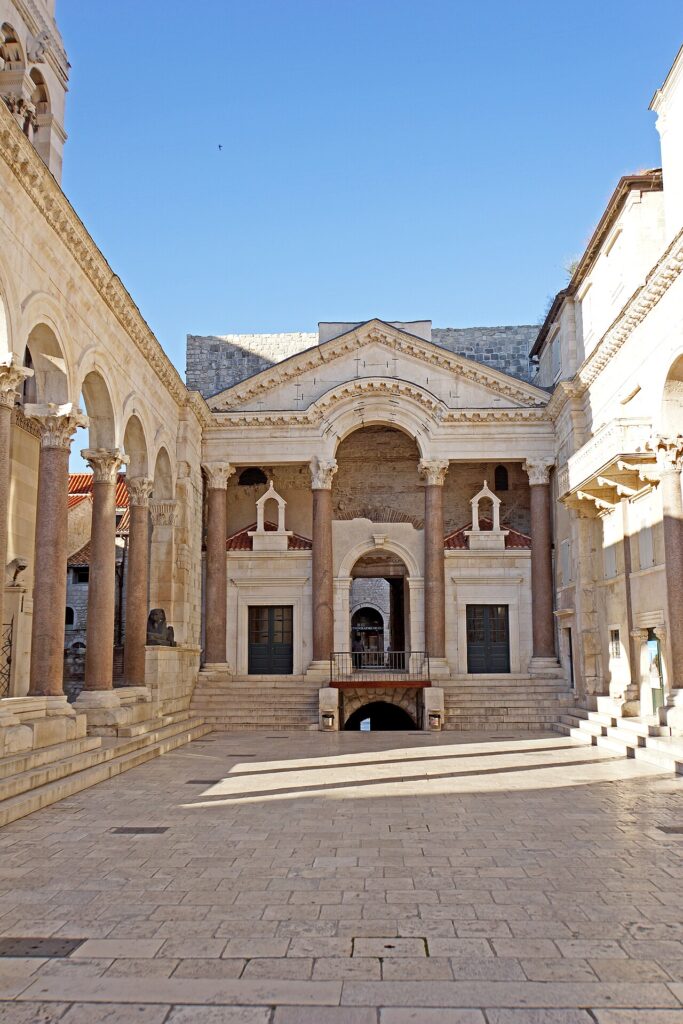
UNESCO World Heritage Sites Near Diocletian’s Palace in Split: The Emperor Who Retired to Grow Cabbages, 3,000 People Living Inside a Roman Palace and a Mausoleum Turned Cathedral

UNESCO World Heritage Sites Near Diocletian’s Palace in Split: The Emperor Who Retired to Grow Cabbages, 3,000 People Living Inside a Roman Palace and a Mausoleum Turned Cathedral

Diocletian’s Palace in Split — built between 295 and 305 CE as the retirement residence of the emperor who voluntarily abdicated — is today a living city of 3,000 inhabitants inside its Roman walls. The emperor’s mausoleum became the Cathedral of Saint Domnius, dedicated to one of his own persecution victims; Egyptian sphinxes from 3,500 years ago still stand on the Peristyle; and the intact basement halls were used as Game of Thrones’ Meereen set.

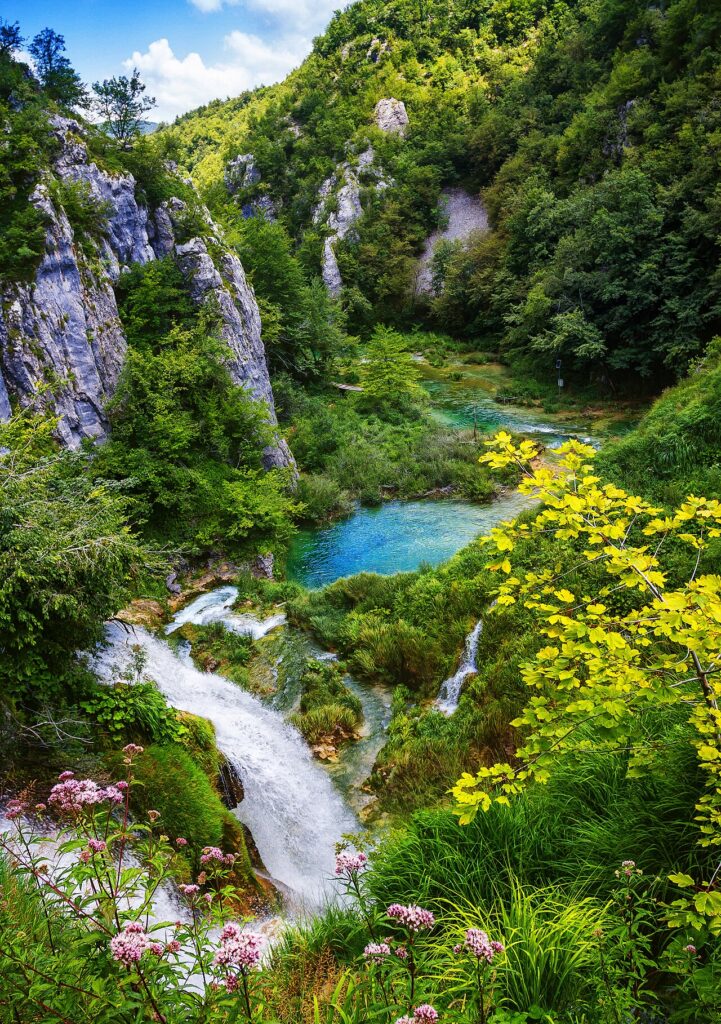
UNESCO World Heritage Sites Near Plitvice Lakes: Croatia’s 16 Travertine-Terraced Lakes, the 78-Metre Veliki Slap Waterfall and the National Park Where the Croatian War of Independence Began

UNESCO World Heritage Sites Near Plitvice Lakes: Croatia’s 16 Travertine-Terraced Lakes, the 78-Metre Veliki Slap Waterfall and the National Park Where the Croatian War of Independence Began

Plitvice Lakes National Park — sixteen travertine-terraced lakes covering 296 km² in central Croatia — has been UNESCO World Heritage since 1979. The lakes’ turquoise colour comes from dissolved minerals and shifts with light and season; the waterfalls are built by living microorganisms and grow millimetre by millimetre each year. Croatia’s highest waterfall, the 78-metre Veliki Slap, anchors the system; the park also witnessed the first armed clash of the 1991 Croatian War of Independence.

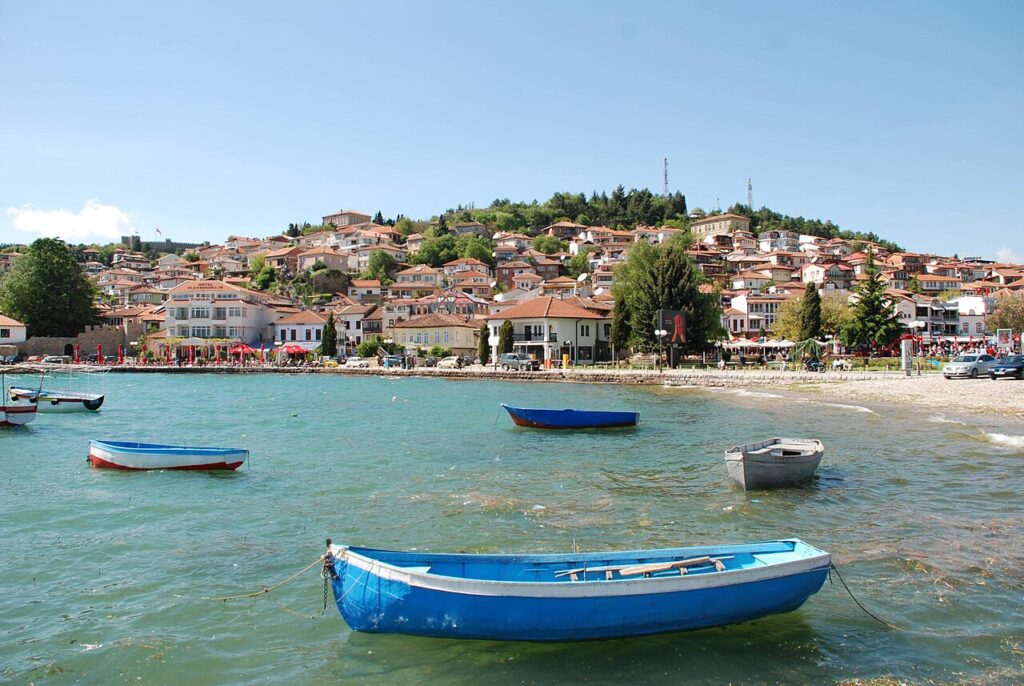
UNESCO World Heritage Sites Near the Ohrid Region: Europe’s Oldest Lake, the Birth of the Cyrillic Alphabet and the Cliff Church Where Tsar Samuel Ruled the First Bulgarian Empire

UNESCO World Heritage Sites Near the Ohrid Region: Europe’s Oldest Lake, the Birth of the Cyrillic Alphabet and the Cliff Church Where Tsar Samuel Ruled the First Bulgarian Empire

Lake Ohrid — two to three million years old, 288 metres deep, and home to more than 200 endemic species — is one of Europe’s very few UNESCO sites inscribed under both natural and cultural criteria. The town above its shores gave the world the Cyrillic alphabet in 886 CE, served as Tsar Samuel’s imperial capital, and preserves 365 medieval churches including the cliff-perched St. John at Kaneo above the lake.

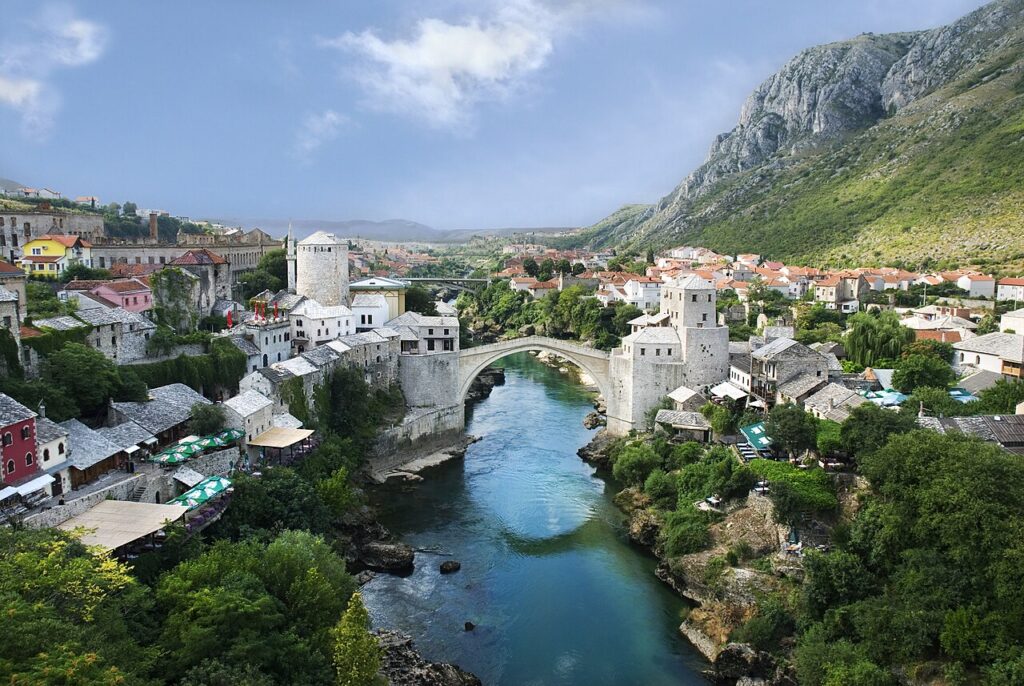
UNESCO World Heritage Sites Near the Old Bridge of Mostar: The 1566 Ottoman Arch That Spanned the World’s Widest Bridge, Its 1993 Destruction and the Limestone Rebuilt From the Same Quarry

UNESCO World Heritage Sites Near the Old Bridge of Mostar: The 1566 Ottoman Arch That Spanned the World’s Widest Bridge, Its 1993 Destruction and the Limestone Rebuilt From the Same Quarry

The Stari Most bridge in Mostar was built in 1566 by Ottoman architect Mimar Hayruddin using tenelija limestone — at the time the widest arch bridge in the world. Croatian forces destroyed it deliberately on 9 November 1993 during the Bosnian War; the rebuilt bridge, constructed from the same stone using Ottoman techniques, reopened in 2004 and earned UNESCO World Heritage status in 2005. The annual bridge-diving competition from the 21-metre parapet into 10°C water has been held since 1664.

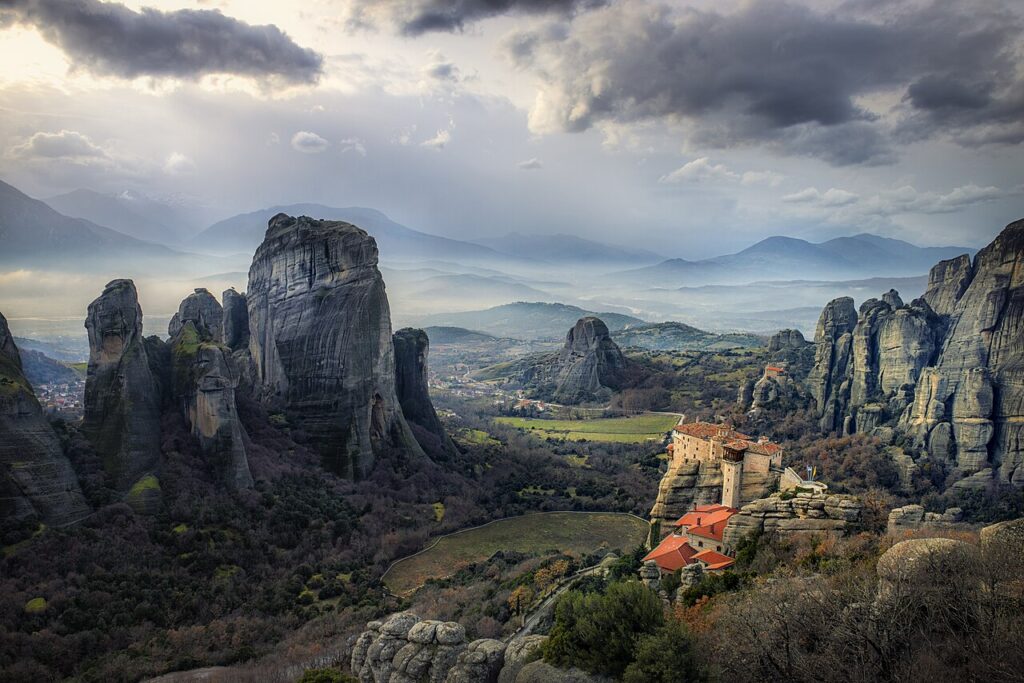
UNESCO World Heritage Sites Near Meteora: Six Greek Orthodox Monasteries Suspended in the Sky, the Net-Hoisted Monks of the 14th Century and the 60-Million-Year-Old Sandstone Pillars of Thessaly

UNESCO World Heritage Sites Near Meteora: Six Greek Orthodox Monasteries Suspended in the Sky, the Net-Hoisted Monks of the 14th Century and the 60-Million-Year-Old Sandstone Pillars of Thessaly

Meteora’s six surviving Orthodox monasteries stand on sandstone pillars up to 400 metres tall in Thessaly, central Greece — formed 60 million years ago and first inhabited by hermit monks in the 9th century. At the site’s 16th-century peak, 24 monasteries operated, their construction materials and inhabitants hoisted up cliff faces in nets; steps into the rock were not cut until the 1920s. UNESCO listed Meteora as a mixed natural and cultural World Heritage Site in 1988.

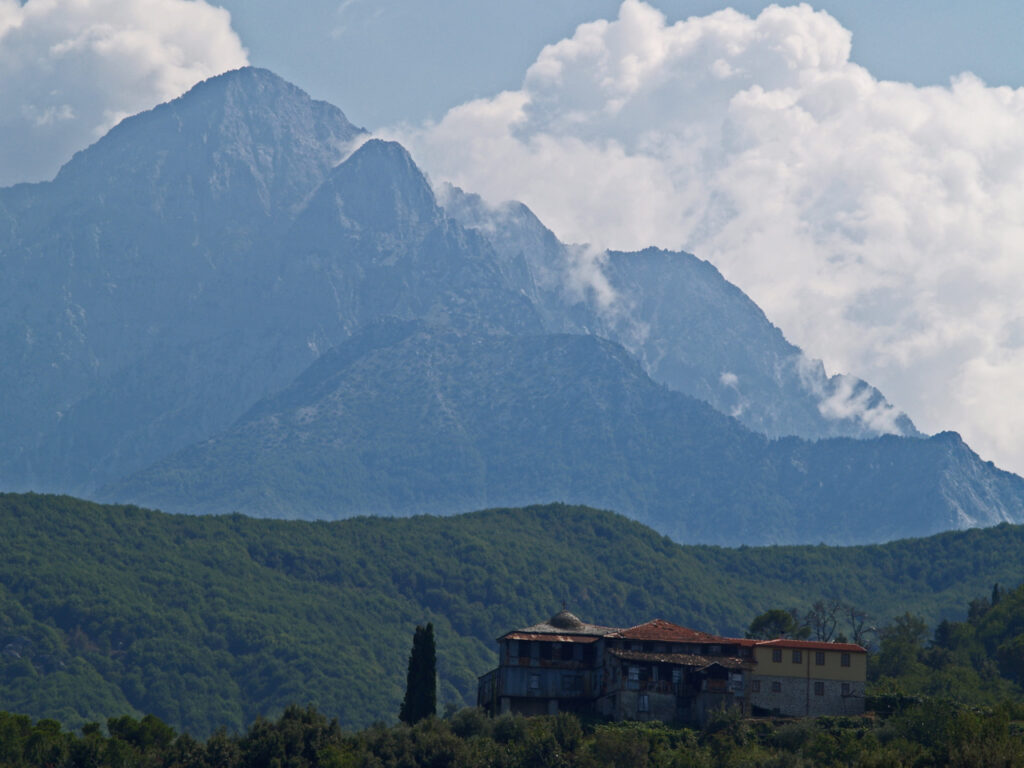
UNESCO World Heritage Sites Near Mount Athos: The All-Male Monastic Republic on the Aegean, 20 Monasteries Since 963 CE and a Peninsula Where Women Have Been Banned for a Millennium

UNESCO World Heritage Sites Near Mount Athos: The All-Male Monastic Republic on the Aegean, 20 Monasteries Since 963 CE and a Peninsula Where Women Have Been Banned for a Millennium

Mount Athos, a 50-km peninsula in northern Greece, has been governed by a self-ruling community of twenty Orthodox monasteries since 963 CE. Women have been excluded from the peninsula since 1046 under a ban now enshrined in EU law; male visitors require a special permit capped at 10 non-Orthodox per day. Its libraries, icons, and Byzantine embroideries — including the 14th-century Epitaphios of Thessaloniki at Vatopedi — make it one of the richest concentrations of Byzantine art outside Istanbul.

Scroll to Top