In 1925, Adele Casagrande and Edoardo Fendi opened a boutique and leather workshop in central Rome, bringing traditional Roman saddlery discipline into the avant-garde world of international fashion.
Rome in 1925 was an imperial capital recovering its monumental ambition. Around Piazza Venezia, ancient medieval quarters were being excavated, ministries were expanding, and foreign diplomats, aristocrats, and grand tourists crowded the cafes along Via del Corso. In this vibrant urban theatre, Roman luxury did not take the form of industrial factories; it was rooted in the ancient leather workshops of the *selleria* (equestrian saddlery) and the *pellicceria* (furrier crafts), where craftsmen stitched bridle leather and tanned pelts using techniques passed down since the Renaissance.
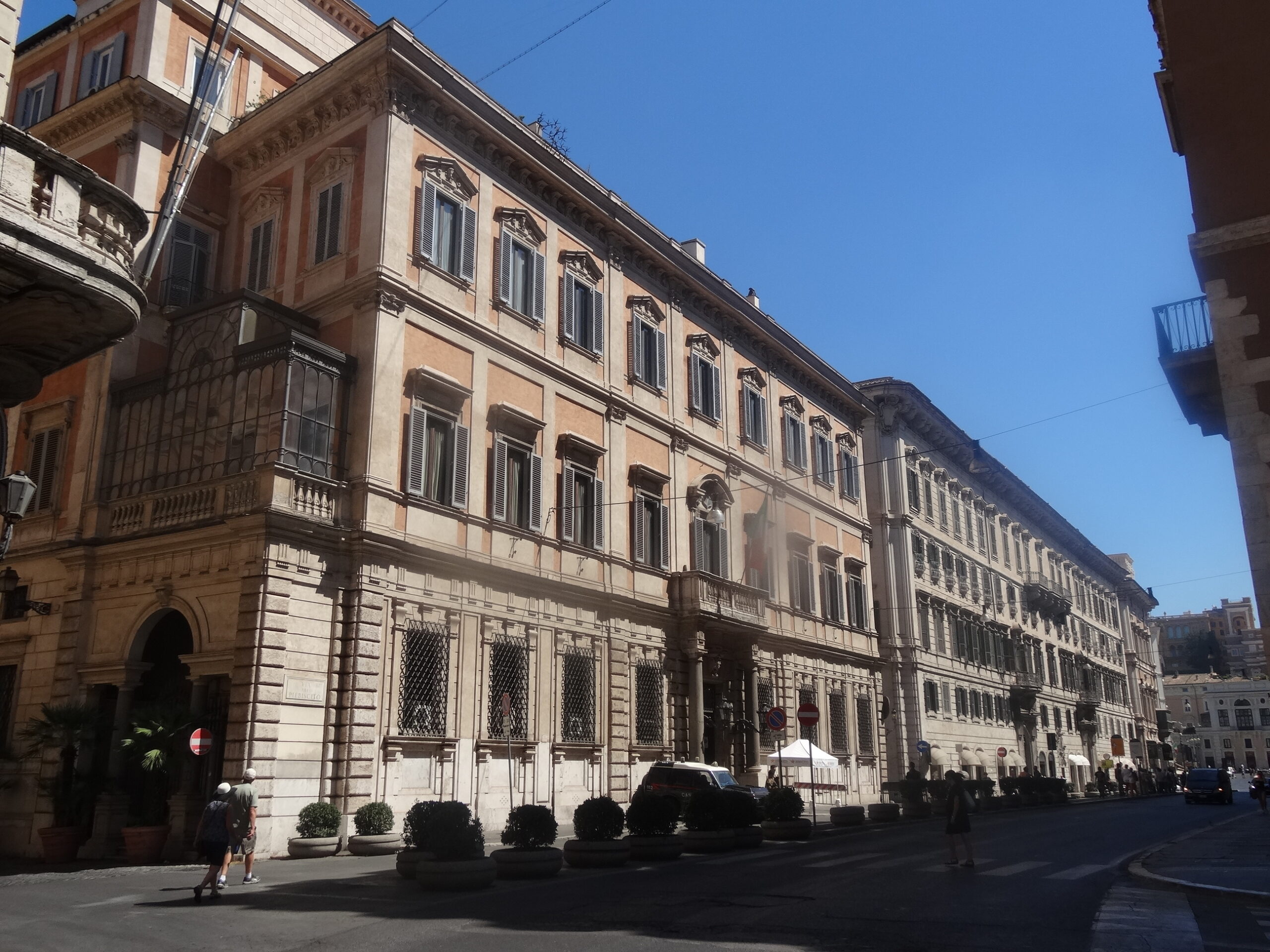
In 1918, young artisan Adele Casagrande had opened a small leathercraft shop on Via del Plebiscito near Piazza Venezia. In 1925, following her marriage to Edoardo Fendi, the couple formally incorporated their venture as Fendi. Behind the shopfront, a master leather workshop operated under Adele’s watchful eye, cutting and hand-stitching English saddle hides and crafting bespoke fur stoles for Roman high society.
The Roman saddle stitch: Selleria discipline
Adele Fendi’s defining technical signature was the punto selleria (saddle stitch). Employing thick, waxed linen threads and blunt awls, her artisans stitched soft Cuoio Romano leather entirely by hand without sewing machines. The stitch was slightly diagonal, incredibly strong, and visually distinctive. While mass-produced French and German bags used cardboard stiffeners and glued linings, Fendi bags were supple, unlined, and moulded themselves to the owner’s body over decades of use.
The shop was so successful that in 1932 the family opened a larger salon on Via Piave. When Edoardo died in 1954, Adele did something unprecedented in Italian family business: she handed management over to her five young daughters—Paola, Anna, Franca, Carla, and Alda. The “five fingers of a hand,” as Adele called them, divided design, production, public relations, and retail among themselves, forming one of the most formidable creative dynasties in fashion history.
The Lagerfeld revolution and the Palazzo della Civiltà
In 1965, the five Fendi sisters hired a young German designer named Karl Lagerfeld. The alliance transformed luxury: Lagerfeld and Fendi took fur—historically heavy, stiff, and bourgeois—and deconstructed it. They shaved it, unlined it, dyed it in shocking pop colours, and treated it like lightweight fabric. Lagerfeld designed the inverted double “FF” logo (*Fun Fur*), creating an instant global icon.
In 1997, Silvia Venturini Fendi designed the Baguette bag, carried under the arm like a loaf of French bread, igniting the modern “It-bag” phenomenon.
What remains today
In 2015, Fendi moved its global headquarters into one of the most monumental architectural landmarks in Europe: the Palazzo della Civiltà Italiana (the “Square Colosseum”) in Rome’s EUR district, restoring the travertine monument and opening its ground-floor exhibitions to the public. Meanwhile, at Palazzo Fendi on Largo Goldoni at the corner of Via Condotti, master artisans still sit at open wooden workbenches hand-stitching Cuoio Romano leather, preserving the century-old saddle craft that began in Adele’s modest shop on Via del Plebiscito.
Historic Views & Archives
From the Archives: Historical Newsreels
Le conquiste dell’industria e dell’artigianato della moda a Roma
Historical newsreel capturing fashion shows and leatherwork displays in interwar Rome, highlighting the craftsmanship of Roman saddlers, furriers, and boutique leather artisans.
Visiting the Site: Street View & Modern Geography
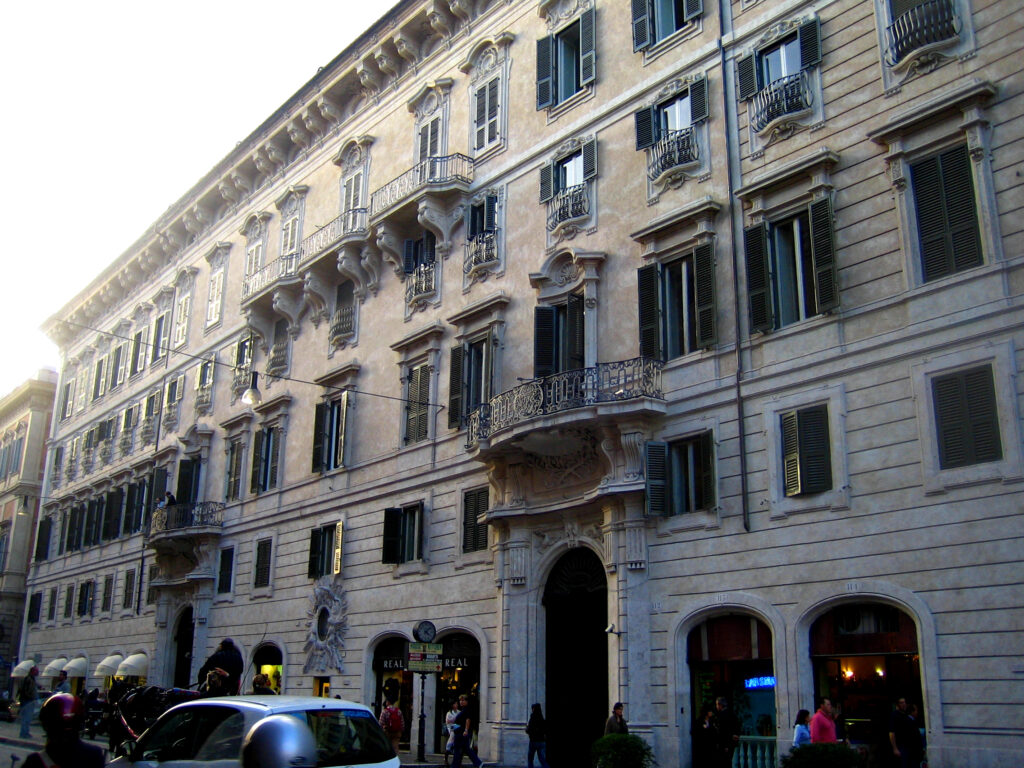
Via del Plebiscito connects Piazza Venezia to the church of the Gesù in the historic core of Rome. At number 9, Adele Casagrande and Edoardo Fendi opened their intimate boutique with a rear leather workshop, hand-stitching bags that caught the attention of Roman nobility.
Historic Address: Via del Plebiscito 9 & Largo Goldoni (Palazzo Fendi), 00186 Roma, Italy
Sources
- Archivio Storico della Camera di Commercio di Roma, Registro Ditte: Ditta Fendi Adele e Edoardo (1925)
- Dizionario Biografico degli Italiani (Treccani), entry on Adele Casagrande Fendi
- Silvia Venturini Fendi (ed.), Fendi: Roman Heritage and Innovation 1925–2025, Milan, Rizzoli, 2025
- Sofia Gnoli, Un secolo di moda italiana: 1900–2000, Rome, Meltemi Editore, 2005