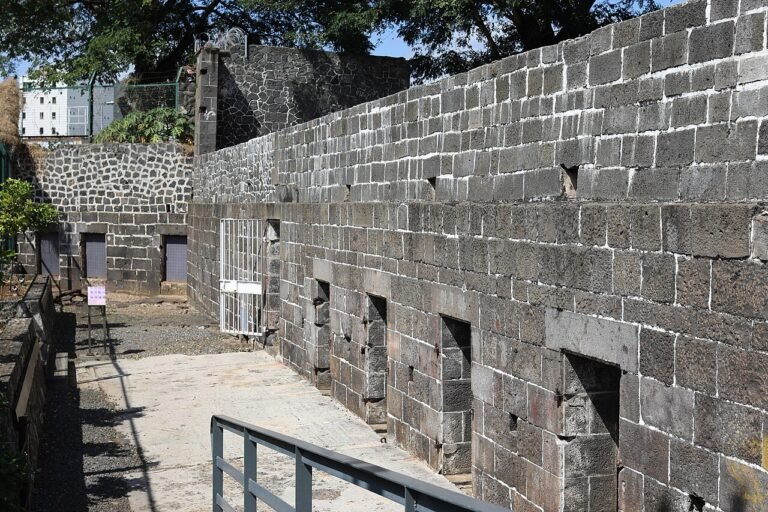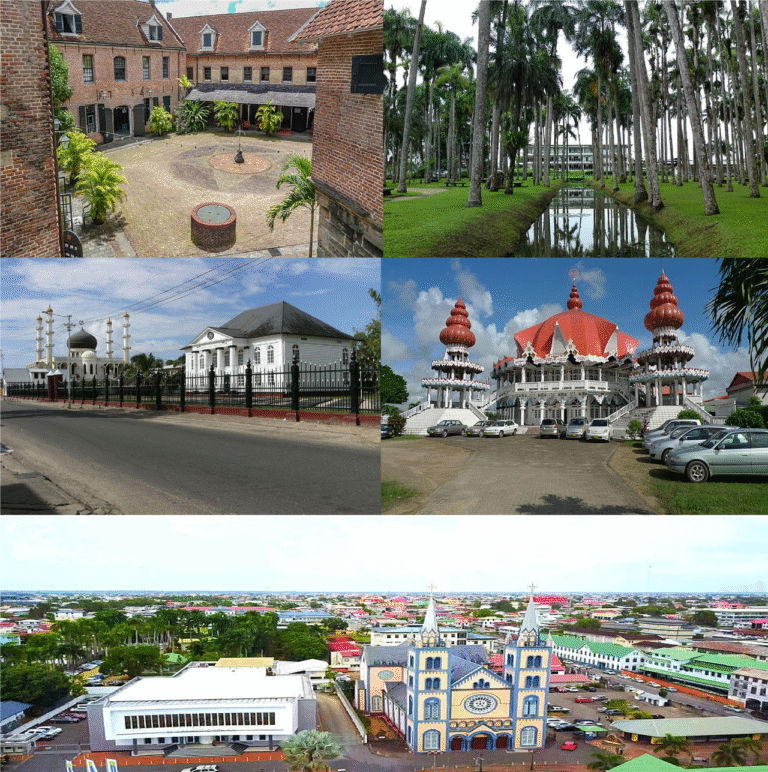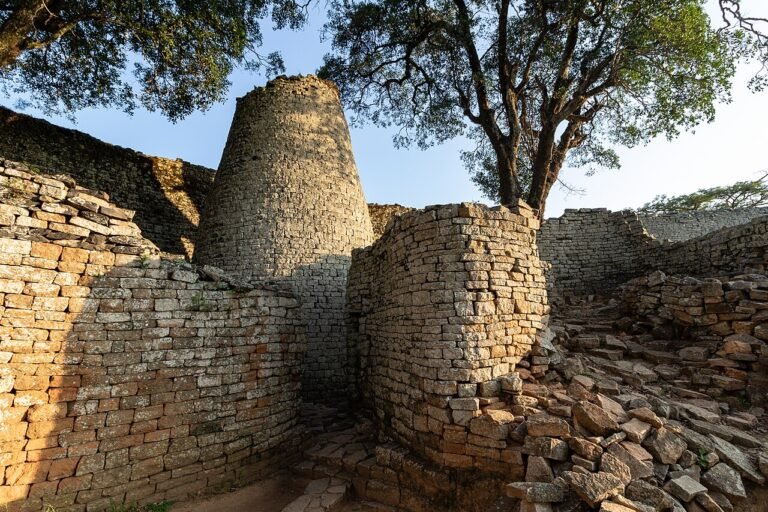
Twenty-two UNESCO World Heritage Sites across the Arab States region are currently inscribed on UNESCO’s List of World Heritage in Danger — more than any other region on Earth, and 41 percent of all 53 endangered properties worldwide. The list, established under Article 11.4 of the 1972 World Heritage Convention, is not a punishment but a mechanism for mobilising emergency funding and international political pressure. In the Arab world, that mechanism has been tested to its limits by a decade of armed conflict, institutional collapse, and deliberate destruction. From Cultural Heritage Online.
The Arab world’s extraordinary heritage density
The Arab States region, as defined by UNESCO, stretches from Morocco to Iraq and includes countries not always grouped together geographically — Niger and Afghanistan among them. Within that broad territory lies one of the world’s greatest concentrations of ancient urban civilisation: Mesopotamian cities, Nabataean trading routes, Phoenician ports, early Islamic capitals, Crusader fortresses, and pre-Islamic kingdoms whose monuments survive in desert conditions that would destroy them elsewhere. That same geographic arc, however, has experienced some of the most sustained armed conflict of the twenty-first century.
Of the 22 currently endangered Arab States properties, six are in Syria, four in Palestine, four in Yemen, four in Libya, two in Iraq, and one in Lebanon. Niger’s Air and Ténéré Natural Reserves and Afghanistan’s Minaret and Archaeological Remains of Jam round out the 22, both classified under UNESCO’s Arab States regional bureau. The breadth of the list reflects not any particular failing of these nations but the scale of the crises that have swept through them since 2011.
Syria and Libya: the hardest-hit countries
Syria carries the heaviest burden of any country on the danger list. All six of its UNESCO World Heritage Sites were inscribed in a single year — 2013 — as the Syrian Civil War engulfed the country’s historic urban centres. The sites span three thousand years of continuous occupation: the Ancient City of Damascus (inscribed 1979), the Ancient City of Bosra (1980), the Site of Palmyra (1980), the Ancient City of Aleppo (1986), Crac des Chevaliers and Qal’at Salah El-Din (2006), and the Ancient Villages of Northern Syria (2011, added to the danger list that same year). Palmyra suffered particularly high-profile destruction when ISIS demolished the Temple of Bel, the Temple of Baalshamin, and the Arch of Triumph in 2015.
Libya’s four endangered properties reflect a parallel story of state fragmentation. The Archaeological Site of Cyrene (1982), the Archaeological Site of Leptis Magna (1980), the Archaeological Site of Sabratha (1980), and the Rock-Art Sites of Tadrart Acacus (1985) were all added to the danger list in 2016 as rival governments competed for territorial control and heritage sites went unguarded. The Tadrart Acacus rock art, some of it twelve thousand years old, had already been suffering deliberate defacement before 2016. The Old Town of Ghadamès, also previously endangered, was removed from the list in 2025 — one of the few positive outcomes the region has seen in recent years.
Endangered sites in Syria and Libya:
- Ancient City of Damascus, Syria — inscribed 1979, endangered 2013
- Ancient City of Bosra, Syria — inscribed 1980, endangered 2013
- Site of Palmyra, Syria — inscribed 1980, endangered 2013
- Ancient City of Aleppo, Syria — inscribed 1986, endangered 2013
- Crac des Chevaliers and Qal’at Salah El-Din, Syria — inscribed 2006, endangered 2013
- Ancient Villages of Northern Syria — inscribed 2011, endangered 2011
- Archaeological Site of Leptis Magna, Libya — inscribed 1980, endangered 2016
- Archaeological Site of Sabratha, Libya — inscribed 1980, endangered 2016
- Archaeological Site of Cyrene, Libya — inscribed 1982, endangered 2016
- Rock-Art Sites of Tadrart Acacus, Libya — inscribed 1985, endangered 2016
Yemen, Iraq, and Palestine: three more crises
Yemen’s four endangered sites span the country’s history from pre-Islamic antiquity to the medieval Islamic city. The Old City of Sana’a (1986) and the Old Walled City of Shibam (1982) were both added to the danger list in 2015 as the civil war between the Houthi movement and the internationally recognised government, with Saudi-led coalition airstrikes, struck infrastructure across the country. The Historic Town of Zabid — a city that was once a centre of Islamic scholarship — has been endangered since 2000, long before the current conflict, due to neglect and the replacement of historic mud-brick buildings with concrete. Most recently, the Landmarks of the Ancient Kingdom of Saba were added in 2023, as Marib’s ancient temples and palace complexes faced the front lines of the war.
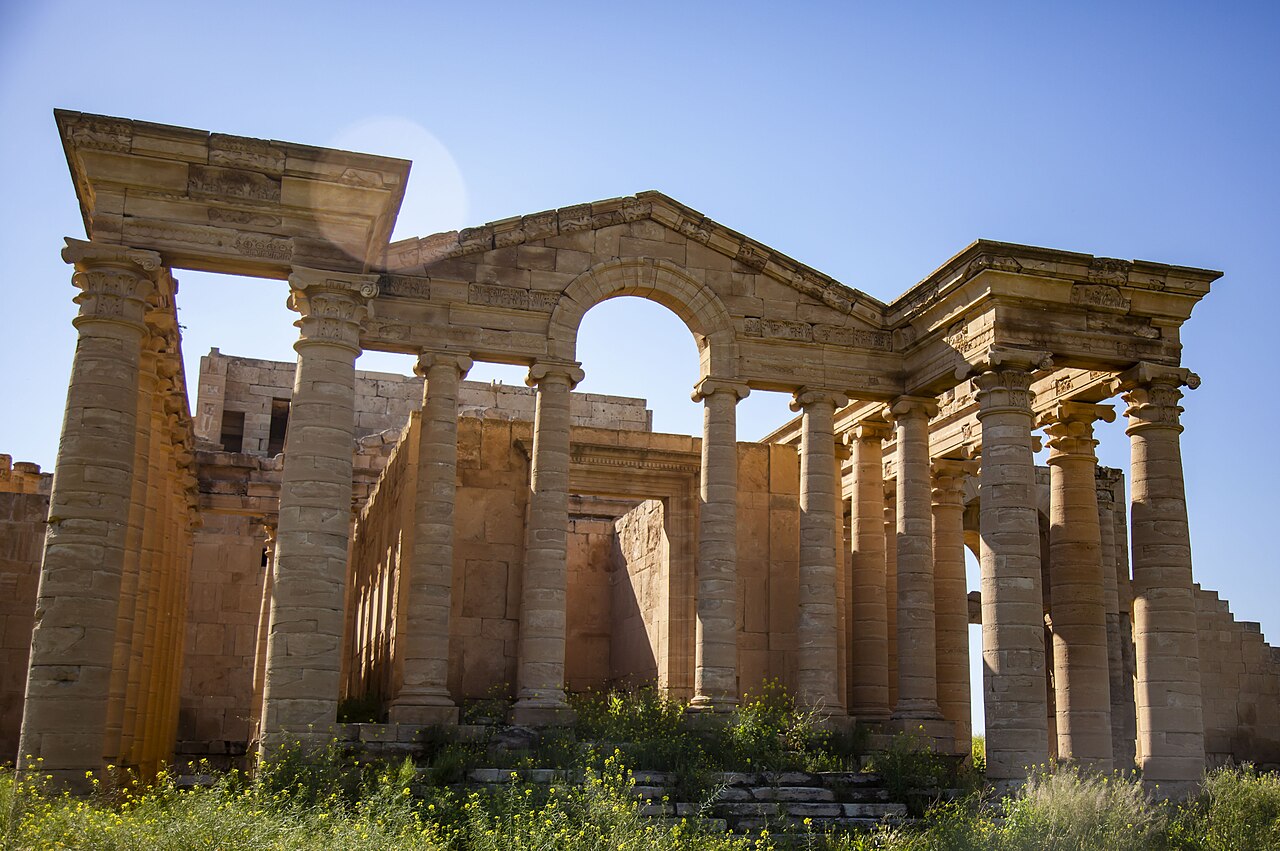
Iraq’s two endangered sites tell different stories. Ashur (Qal’at Sherqat), the first capital of the Assyrian Empire, was inscribed and simultaneously placed on the danger list in 2003 due to a proposed dam project on the Tigris that threatened to flood the site; it remains in danger today. Hatra, a Parthian city and remarkable synthesis of Hellenistic, Roman, and Eastern architectural traditions, was inscribed in 1985 and endangered in 2015 after ISIS fighters destroyed its monumental gateways and sculptures. Palestine’s four endangered properties include the Old City of Jerusalem and its Walls (endangered since 1982 — the oldest continuously endangered site on the list), Hebron/Al-Khalil Old Town (2017), Palestine: Land of Olives and Vines — Cultural Landscape of Southern Jerusalem, Battir (2014), and Saint Hilarion Monastery/Tell Umm Amer in Gaza (2024), the latter added in direct response to the destruction caused by the war in Gaza.
Endangered sites in Yemen, Iraq, and Palestine:
- Historic Town of Zabid, Yemen — inscribed 1993, endangered 2000
- Old City of Sana’a, Yemen — inscribed 1986, endangered 2015
- Old Walled City of Shibam, Yemen — inscribed 1982, endangered 2015
- Landmarks of Ancient Kingdom of Saba, Yemen — inscribed 2023, endangered 2023
- Ashur (Qal’at Sherqat), Iraq — inscribed 2003, endangered 2003
- Hatra, Iraq — inscribed 1985, endangered 2015
- Old City of Jerusalem and its Walls, Palestine — inscribed 1981, endangered 1982
- Palestine: Land of Olives and Vines (Battir), Palestine — inscribed 2014, endangered 2014
- Hebron/Al-Khalil Old Town, Palestine — inscribed 2017, endangered 2017
- Saint Hilarion Monastery/Tell Umm Amer, Gaza — inscribed 2024, endangered 2024
- Rachid Karami International Fair, Lebanon — inscribed 2023, endangered 2023
The broader pattern: why the Arab world leads the danger list
Three structural factors explain the Arab States region’s dominance of the danger list. Armed conflict is the most visible: the Syrian civil war, the Yemeni civil war, the Libyan power vacuum, the Iraq War and subsequent ISIS campaign, and successive conflicts in Gaza have collectively exposed more than a dozen sites to direct military damage, looting, and the collapse of protective institutions. The second factor is deliberate iconoclasm — the targeted destruction of pre-Islamic or non-Sunni monuments as a form of cultural and political erasure, most systematically practised by ISIS at Palmyra, Hatra, Nimrud, and Mosul’s museum. The third is chronic underfunding of heritage management in fragile states, which predates the conflicts and ensures that even sites not directly bombed face gradual deterioration.
The danger list also includes two sites in UNESCO’s Arab States bureau that reflect different regional pressures. Niger’s Air and Ténéré Natural Reserves, endangered since 1992, face threats from military activity, poaching, and the presence of armed groups in the Sahara. Lebanon’s Rachid Karami International Fair — a landmark modernist complex designed by Oscar Niemeyer in the 1960s — was added in 2023, not because of war damage but because Lebanon’s financial crisis has left the country unable to maintain it. Inscription on the danger list formally triggers UNESCO’s emergency assistance mechanisms; for Lebanon, that political signal may prove as valuable as any direct funding.
How to find these sites on the map
Understanding the Arab world’s endangered heritage means locating it precisely — knowing that Hatra sits in the Ninawa Governorate of northern Iraq, that Shibam’s mud-brick towers rise in the Wadi Hadhramaut valley, or that the Ancient Villages of Northern Syria cluster around the limestone massif known as the Dead Cities. Geographic context does not diminish the scale of the threat; it makes it concrete.
These sites sit alongside thousands of others on CHO’s interactive heritage map, with GPS coordinates and sourced editorial history. See our complete guide to UNESCO Sites in Danger and our explainer on UNESCO criteria.
Frequently Asked Questions
How many Arab States UNESCO sites are on the danger list?
As of mid-2026, 22 UNESCO World Heritage Sites in the Arab States region are on the List of World Heritage in Danger — more than any other region globally, and 41 percent of all 53 endangered properties worldwide. The count includes sites in Syria, Libya, Yemen, Iraq, Palestine, Lebanon, Niger, and Afghanistan, all classified under UNESCO’s Arab States regional bureau.
Which Arab country has the most UNESCO sites in danger?
Syria has the most, with all six of its UNESCO World Heritage Sites currently on the danger list. Every Syrian site was inscribed in 2013 as the civil war caused widespread destruction to the country’s historic urban centres, including Aleppo, Damascus, Bosra, Palmyra, Crac des Chevaliers, and the Ancient Villages of Northern Syria.
What does inscription on the danger list actually do?
Inscription on the UNESCO List of World Heritage in Danger is not a penalty — it is a formal alert that triggers UNESCO’s emergency assistance mechanisms, including dedicated funding from the World Heritage Fund, intensified monitoring missions, and international diplomatic pressure on states parties. For sites in active conflict zones, the political signal of global attention can be as significant as direct financial support.
Has any Arab States site ever been removed from the danger list?
Yes. Libya’s Old Town of Ghadamès was removed from the danger list in 2025, and Egypt’s Abu Mena was also removed in 2025 after decades of endangered status linked to rising groundwater damage. The Church of the Nativity in Bethlehem (Palestine) was removed in 2019 after conservation works. These cases show that recovery is possible, though it typically requires both political stability and sustained investment.
Sources used in this article
- UNESCO — UNESCO World Heritage — Arab States, States of Conservation.
- UNESCO — List of World Heritage in Danger.
- Wikipedia — List of World Heritage in Danger (cross-checked June 2026).
- CHO magazine — What is a World Heritage Site?
- CHO — Interactive map of heritage sites.
Sources
- S1 — Hourani, Albert. A History of the Arab Peoples. Harvard University Press, 1991. ISBN 978-0-674-39565-7.
- S2 — Sommer, Michael. Hatra: History and Culture of a Caravan City. Philipp von Zabern, 2003. ISBN 978-3-8053-3252-1.
Spotted an error? Write to editorial@culturalheritageonline.com and we correct it the same day.