

A revolutionary approach to music education, developed in twentieth-century Hungary, that grounds learning in the nation’s folk music heritage and has shaped music pedagogy worldwide.
At a glance
The Kodály method is an educational philosophy and practice for teaching music, rooted in the study and celebration of authentic folk music. Developed from the vision of composer Zoltán Kodály, the method emphasizes singing, ear training, and cultural grounding—using a community’s own musical traditions as the foundation for understanding music itself. It prioritizes access and joy over technical mastery alone.
Origins and history
Zoltán Kodály created his educational philosophy in Hungary during the mid-twentieth century, inspired by his own deep research into Hungarian folk music. Rather than teaching music theory in isolation, Kodály believed that every child deserved musical literacy, and that folk song was the ideal starting point. His associates developed and refined his initial vision into a comprehensive pedagogical system over many years, eventually spreading the method across Europe, Asia, and the Americas.
The tradition today
The Kodály method remains active in music schools, conservatories, and classrooms worldwide. Teachers trained in the approach use carefully sequenced folk songs and singing games to develop students’ sense of pitch, rhythm, and musicality before introducing instruments. Relative hand signs, rhythmic syllables, and pentatonic scales feature prominently in lessons. The method continues to evolve while honoring Kodály’s core conviction: that music education must serve all children and rest on the bedrock of their own cultural heritage.
Cultural significance
The Kodály method represents a philosophy that elevates folk music from mere entertainment to a vehicle for universal education and cultural continuity. In Hungary, it has been instrumental in preserving and transmitting folk traditions across generations. Internationally, it has challenged the assumption that music training is an elite pursuit, instead positioning it as a birthright. The method affirms that knowing and singing your community’s songs strengthens both musical skill and cultural identity.
Key facts
- Country: Hungary
- Anchor community: Budapest
- Creator: Zoltán Kodály (mid-twentieth century)
- UNESCO Intangible Cultural Heritage: “Safeguarding of the folk music heritage by the Kodály concept” (2016, Representative List)
- Core principle: Universal music literacy grounded in folk music heritage
Where to experience it
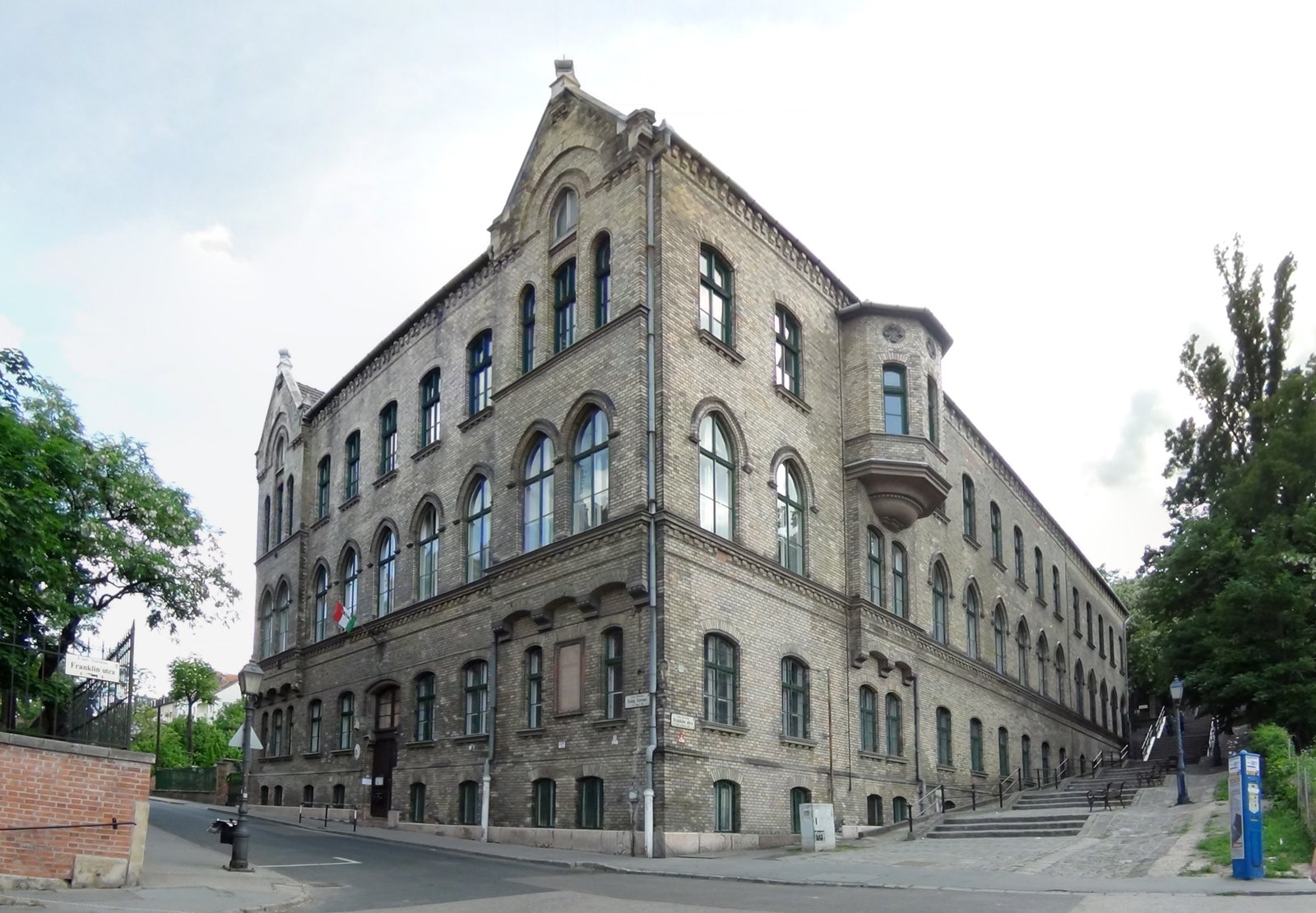
To encounter the Kodály method in practice, visit music schools and conservatories across Budapest that employ the pedagogy. The Kodály Institute and other teacher-training institutions in Hungary offer workshops and seminars. Many countries now maintain Kodály-affiliated music schools; an international directory of certified teachers and programs is available through organizations dedicated to the method’s preservation and dissemination.
Sources & resources
Find it on the map
See this place and what’s around it →📷 Become a Cultural Heritage Online photographer
Share your photos of places: they stay published under your name as the author. The more they're seen, the more you get noticed — and soon a contest will reward the most appreciated photos.
Log in or sign up free to add a photo