

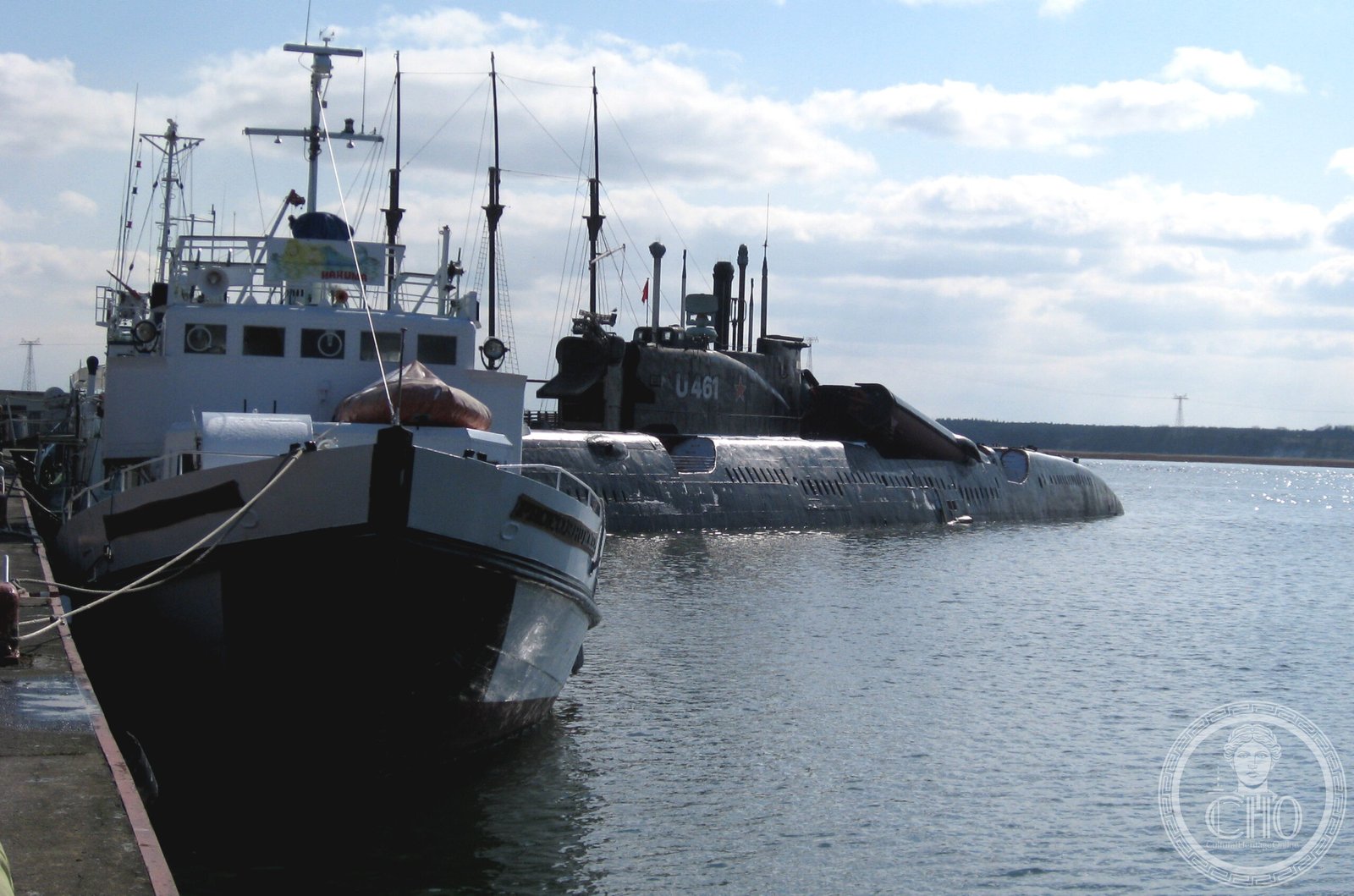
A Baltic Sea municipality where twentieth-century rocket science unfolded. Peenemünde’s Army Research Center developed the V-2, history’s first functional large-scale liquid-propellant rocket.
At a glance
Peenemünde sits on Usedom, a German island in the Baltic Sea. The municipality’s name derives from the mouth of the Peene River. Today it belongs to Vorpommern-Greifswald district in Mecklenburg-Vorpommern, northeastern Germany.
History
The Peenemünde Army Research Center became the birthplace of modern rocketry. Here engineers and scientists achieved a watershed moment: the development and successful testing of the V-2, the world’s first functional large-scale liquid-propellant rocket. This achievement fundamentally altered the trajectory of military technology and space exploration.
What you see
The site preserves structures and facilities from its research era. Visitors encounter the physical infrastructure of Cold War–era scientific ambition—laboratories, test stands, and administrative buildings that reflect mid-twentieth-century engineering.
Cultural significance
Peenemünde represents a pivotal chapter in technological history. The V-2 program bridged military rocketry and space science, establishing paradigms that defined decades of aerospace development. The site stands as testimony to human innovation and its dual potential for destruction and discovery.
Key facts
- Location: Usedom island, Baltic Sea, Germany
- District: Vorpommern-Greifswald, Mecklenburg-Vorpommern
- Coordinates: 54.13°N, 13.77°E
- Known for: Peenemünde Army Research Center and V-2 rocket development
Practical information & getting there
Peenemünde is accessible by car or public transport from major German cities. The Peenemünde Army Research Center operates as a museum and memorial. Contact local tourism offices for current visiting hours, admission fees, and guided tour availability.
Sources & resources
Find it on the map
See this place and what’s around it →📷 Become a Cultural Heritage Online photographer
Share your photos of places: they stay published under your name as the author. The more they're seen, the more you get noticed — and soon a contest will reward the most appreciated photos.
Log in or sign up free to add a photo