
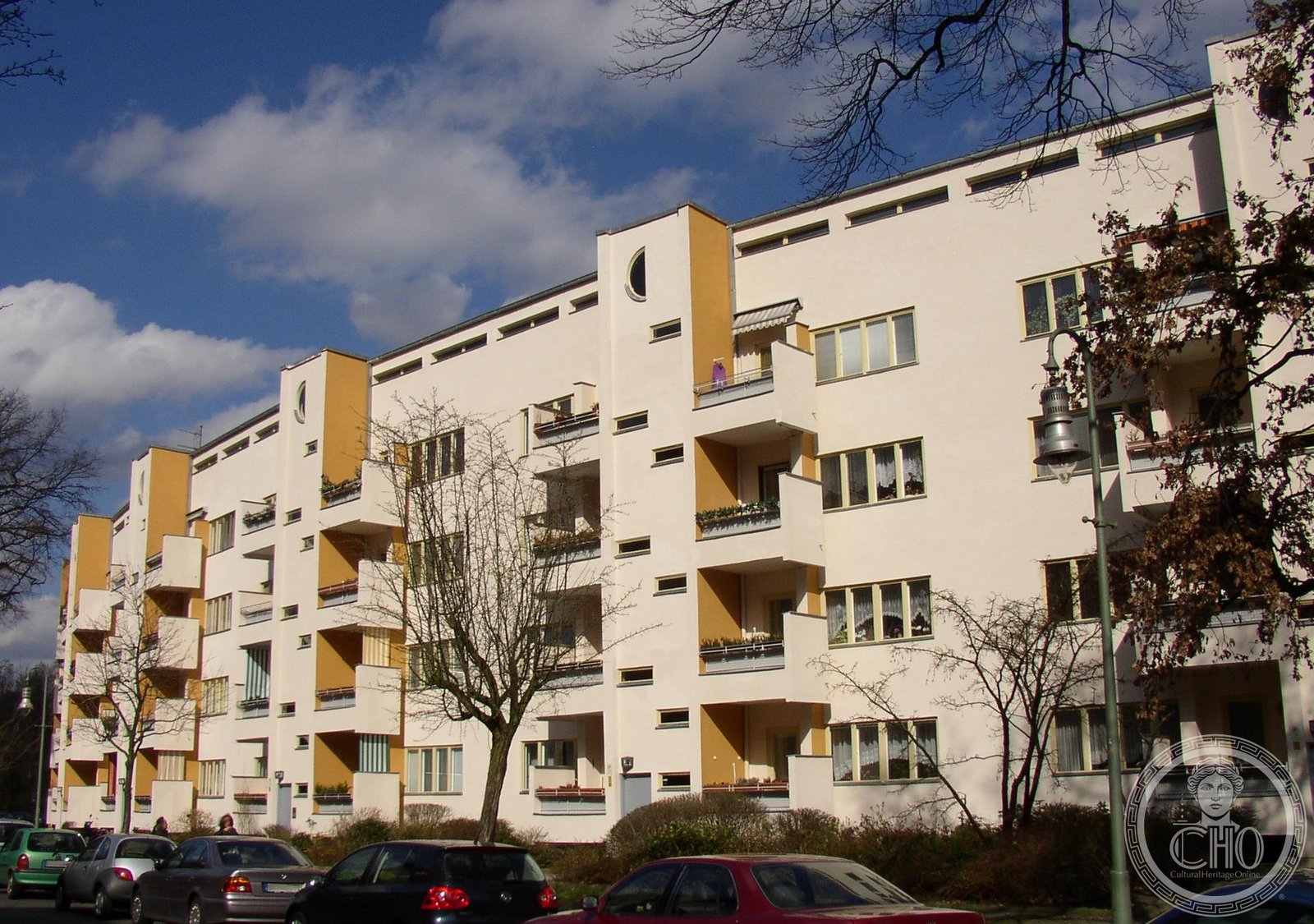
A landmark modernist housing estate that shaped progressive urban design in 1920s Berlin, now recognized as a UNESCO World Heritage Site for its architectural innovation and social vision.
At a glance
The Siemensstadt Settlement, or Großsiedlung Siemensstadt, is a nonprofit residential community in the Charlottenburg-Wilmersdorf district. Built during the Weimar Republic, it exemplifies the modernist housing reform movement that transformed European urban planning.
History
The settlement emerged during a period of radical social and architectural experimentation in the Weimar Republic. It represents one of six modernist housing estates in Berlin that collectively demonstrated a commitment to improving working-class living conditions through thoughtful design and community planning. In July 2008, UNESCO recognized these estates as a World Heritage Site for their outstanding contributions to modernist architecture and progressive housing reform.
What you see
The estate showcases the principles of modernist residential design characteristic of early twentieth-century Berlin. Clean lines, functional layouts, and careful urban planning define the settlement’s approach to mass housing.
Cultural significance
Siemensstadt represents a pivotal moment when architects and planners believed design could advance social welfare. As part of Berlin’s UNESCO-listed modernist estates, it demonstrates how housing reform became integral to the cultural and political vision of the Weimar era. The settlement remains a crucial reference point for understanding modernist urbanism and its ideals.
Key facts
- Location: Charlottenburg-Wilmersdorf district, Berlin, Germany
- Coordinates: 52.54°N, 13.28°E
- UNESCO World Heritage Site: Designated July 2008 (as part of Modernist Housing Estates in Berlin)
- Type: Nonprofit residential community
Practical information & getting there
The settlement is located in the northwestern part of Berlin. As an active residential neighborhood, you can walk through the streets and observe the architecture, though respect for residents is essential. Public transport connects the area to central Berlin.
Sources & resources
Find it on the map
See this place and what’s around it →📷 Become a Cultural Heritage Online photographer
Share your photos of places: they stay published under your name as the author. The more they're seen, the more you get noticed — and soon a contest will reward the most appreciated photos.
Log in or sign up free to add a photoIs this page about you?
This page is read by travellers and heritage enthusiasts who find it on Google. Tell us how you are connected to this place and we will take it from there.