
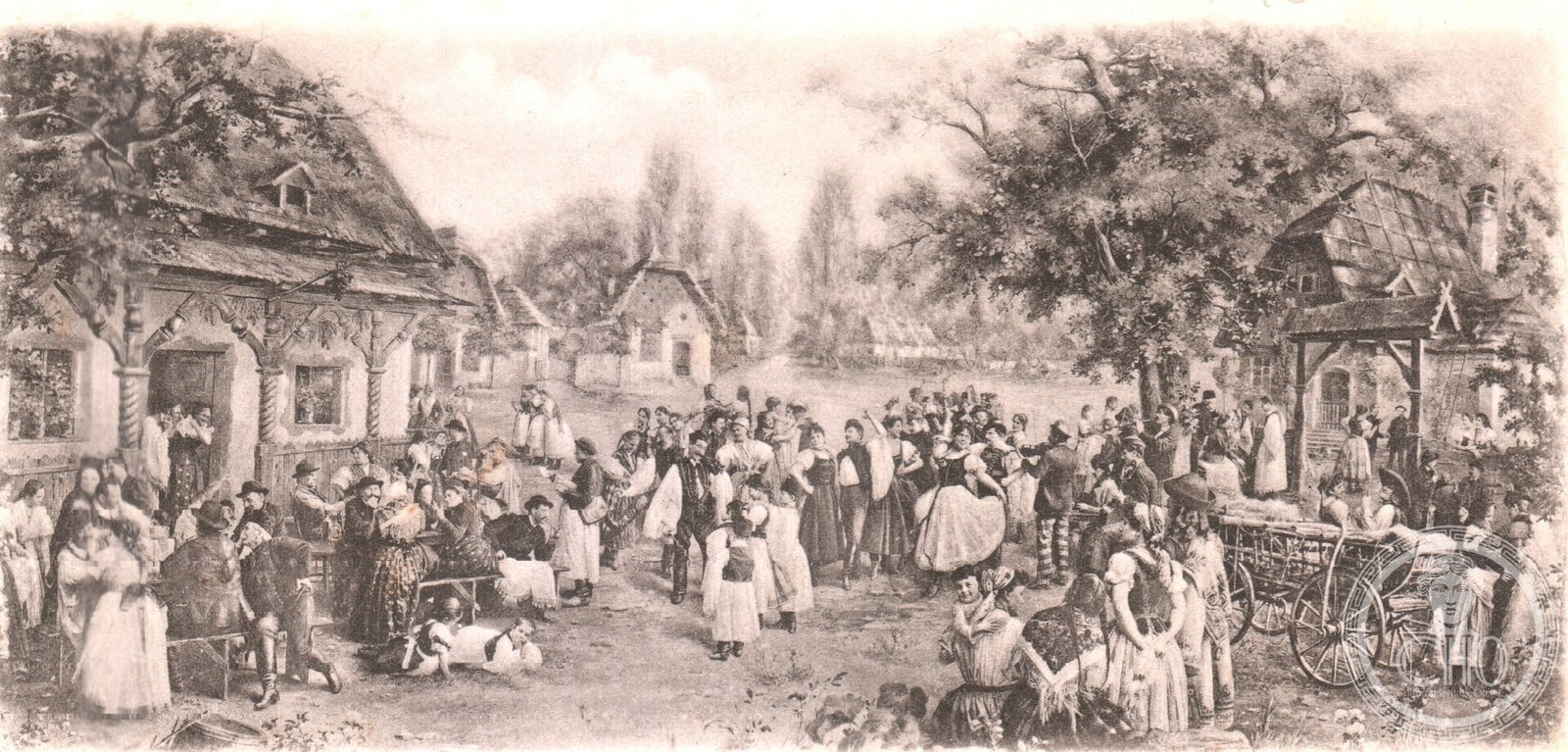
A spirited Hungarian folk dance born in roadside taverns, csárdás moves across the Danube region and beyond, carrying centuries of communal joy and cultural identity through its rhythmic steps.
At a glance
Csárdás is Hungary’s signature folk dance, its name derived from the csárda—the old Hungarian roadside taverns where the tradition took root. The dance combines rapid, energetic footwork with expressive movement, reflecting both the exuberance and melancholy of Hungarian village life. Today it remains a living art form, performed at festivals, celebrations, and cultural events throughout the Danube Basin and beyond.
Origins and history
Csárdás originated in Hungary, emerging from the social gatherings in csárdas—humble roadside restaurants where travelers, villagers, and musicians gathered. The dance was popularized across neighboring regions including Slovenia, Burgenland, Croatia, Transylvania, Slovakia, Vojvodina, and Moravia. It also took root among Romani communities, becoming an integral part of their musical and social traditions.
The tradition today
The original folk csárdás has experienced a revival in Hungary, particularly through the táncház (dance house) movement—a grassroots initiative that reconnects younger generations with authentic folk traditions. The dance remains popular among Romani musicians and dancers, who have shaped its evolution. International variants have emerged over time, yet the authentic folk form endures in its birthplace.
Cultural significance
Csárdás embodies the spirit of Hungarian community and resilience. It transcends borders, connecting Hungary to its neighbors across Central and Eastern Europe. The dance preserves a way of life—the warmth of tavern gatherings, the bonds between people—in every leap and turn, making it a living chronicle of regional identity.
Key facts
- Country: Hungary
- Anchor community: Budapest
- UNESCO status: Representative List of the Intangible Cultural Heritage of Humanity
- Regional reach: Popular across Central and Eastern Europe, including Romania, Slovakia, Croatia, and among Romani communities
- Contemporary movement: The táncház (dance house) movement preserves and revitalizes authentic folk csárdás
Where to experience it
You can encounter csárdás at Hungarian folk festivals, cultural celebrations, and táncház events held regularly in Budapest and throughout the country. Many concert halls and cultural centers feature csárdás performances, particularly during national celebrations and seasonal festivals. Seeking out Romani musicians and local dance groups offers authentic encounters with the tradition’s living practice.
Sources & resources
Find it on the map
See this place and what’s around it →📷 Become a Cultural Heritage Online photographer
Share your photos of places: they stay published under your name as the author. The more they're seen, the more you get noticed — and soon a contest will reward the most appreciated photos.
Log in or sign up free to add a photo