
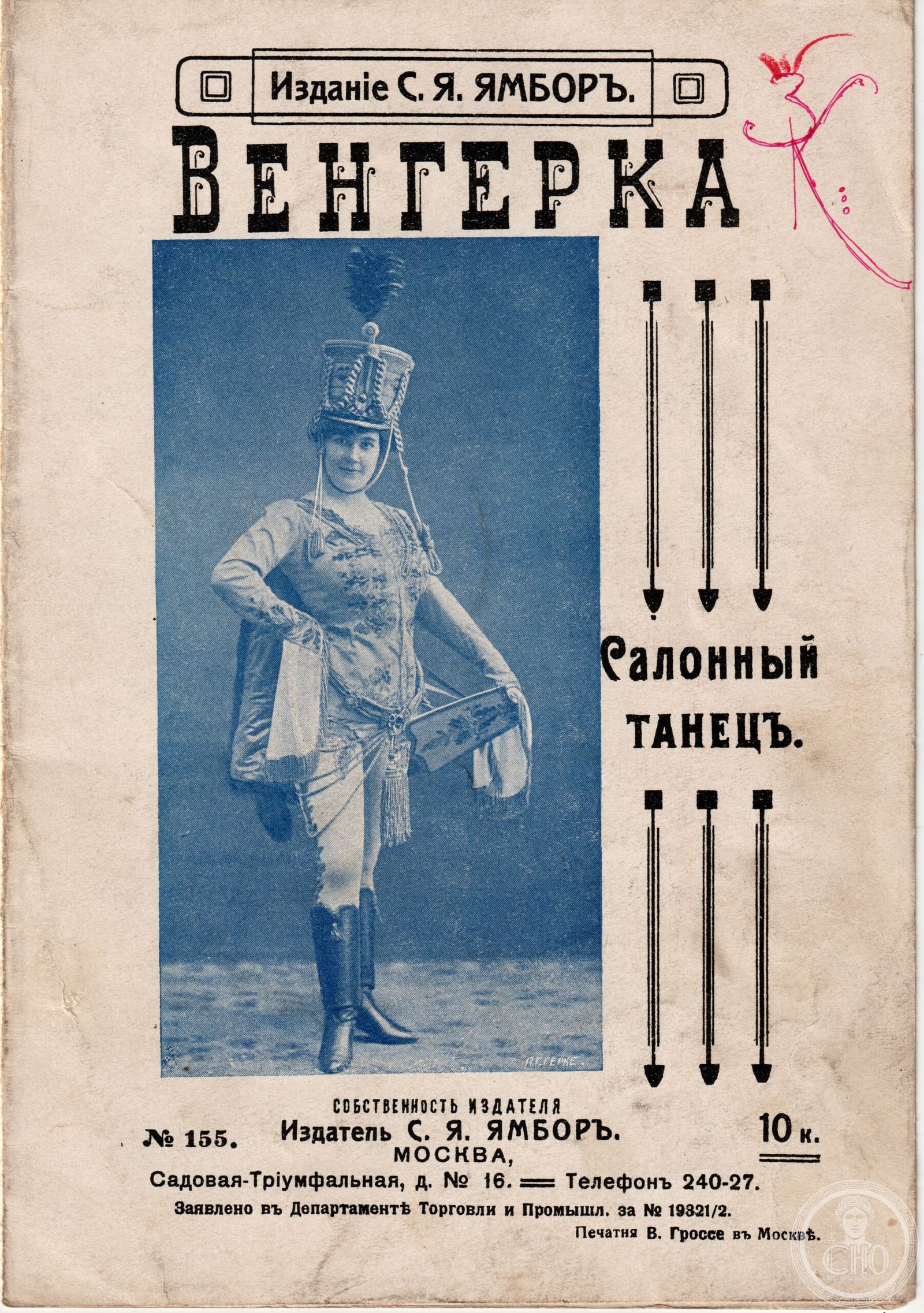
A centuries-old musical tradition born in peasant communities, Hungarian folk music weaves intricate melodies, rhythmic inventiveness and a distinctive instrumental palette into dance forms like the csárdás and verbunkos that captivated Europe and influenced composers from Brahms to Bartók.
At a glance
Hungarian folk music encompasses recruitment dances, courtship melodies and instrumental virtuosity across an ensemble of traditional instruments. Known locally as Népzene, it represents related styles from Hungary and Hungarian-speaking minorities across Slovakia, Ukraine, Moldova, Romania, Croatia and Serbia. The tradition is characterised by complex melodic patterns, ornamental decoration and rhythmic diversity.
Origins and history
Hungarian folk music emerged among peasant populations in the early nineteenth century, though its roots reach further back into the region’s history. Its broader European recognition came largely through composer Franz Liszt, who in 1846 began composing Hungarian Rhapsodies for piano—five of which he later orchestrated—making these the first works by a major classical composer to draw deliberately from peasant music sources.
Liszt’s bold appropriation broke with classical convention. The elite often dismissed these compositions as brash and unrefined, yet they profoundly influenced subsequent generations: Johannes Brahms, Zoltán Kodály, and Béla Bartók drew inspiration from Hungarian vernacular traditions, and the music’s impact eventually reached American jazz.
The tradition today
Contemporary Hungarian folk music continues through ensemble performance and dance. Traditional instruments include the cimbalom (a struck zither), citera, tárogató (double-reed wind instrument), duda (bagpipe), mandolin, cobza, and various percussion including tambourine and doromb. Twentieth-century composers deepened the connection between folk and symphonic forms: Béla Bartók conducted extensive fieldwork, while Kodály and Bartók studied over 300 melodies together, observing that modern dance tunes favoured pentatonic scales with characteristic leaps in fourths.
Cultural significance
Hungarian folk music represents a deliberate artistic escape from Western classical hegemony and a reassertion of national cultural identity. By grounding abstract musical composition in authentic peasant sources, Hungarian composers demonstrated that vernacular traditions held aesthetic and intellectual authority equal to European high culture. This legitimation of folk music as a serious creative foundation shaped twentieth-century musical nationalism across Europe and beyond.
Key facts
- Country: Hungary
- Anchor community: Budapest
- UNESCO Intangible Cultural Heritage (Representative List): Hungarian string band tradition
- Major dance forms: csárdás, verbunkos, nóta
- Key composers: Franz Liszt, Béla Bartók, Zoltán Kodály
- Geographic reach: practised by Hungarian minorities across Central and Eastern Europe
Where to experience it
Budapest hosts numerous venues and festivals dedicated to Hungarian folk music and dance. Traditional ensemble performances occur regularly in concert halls and folk clubs throughout the capital, where you can encounter both classical interpretations and contemporary practitioners of csárdás and other vernacular forms.
Sources & resources
- Hungarian folk music — Wikipedia
- Cultural Heritage Online
Find it on the map
See this place and what’s around it →📷 Become a Cultural Heritage Online photographer
Share your photos of places: they stay published under your name as the author. The more they're seen, the more you get noticed — and soon a contest will reward the most appreciated photos.
Log in or sign up free to add a photo