travel

Chengde Mountain Resort Qing Summer Capital: Guide

Chengde Mountain Resort Qing Summer Capital: Guide

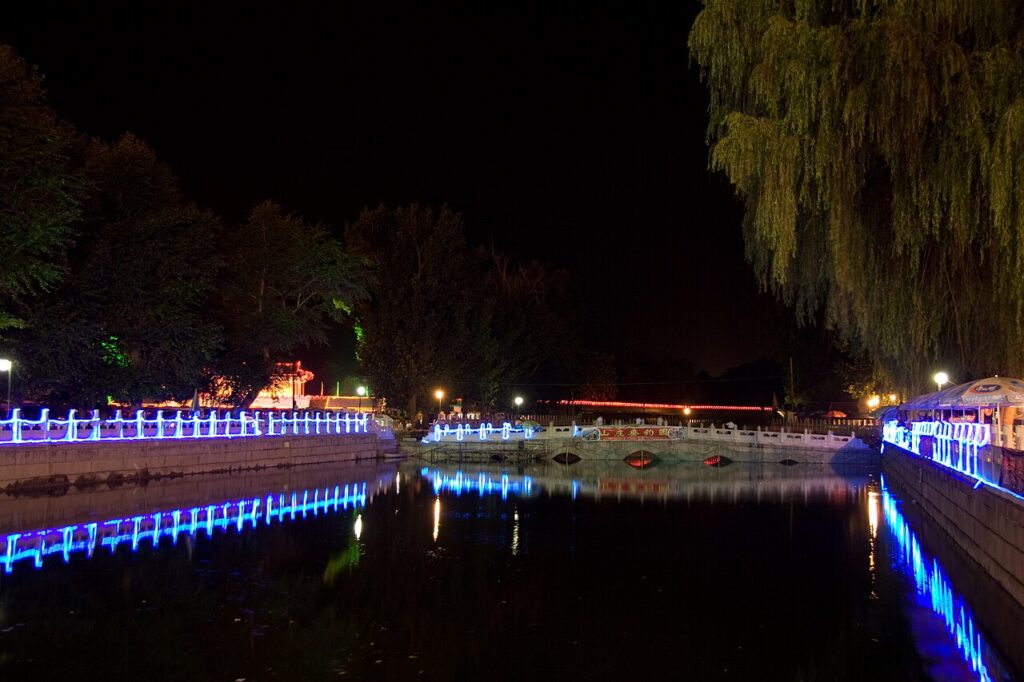
Chengde Mountain Resort (UNESCO 1994) covers 5.6 sq km and served as the Qing summer capital from 1703; its 8 outlying temples were designed to impress Mongolian and Tibetan guests. Jinshanling Great Wall is 50 km south; Beijing’s Forbidden City is under 2 hours by intercity rail.
Confucius Temple & Cemetery Kong Mansion Qufu: Guide

Confucius Temple & Cemetery Kong Mansion Qufu: Guide

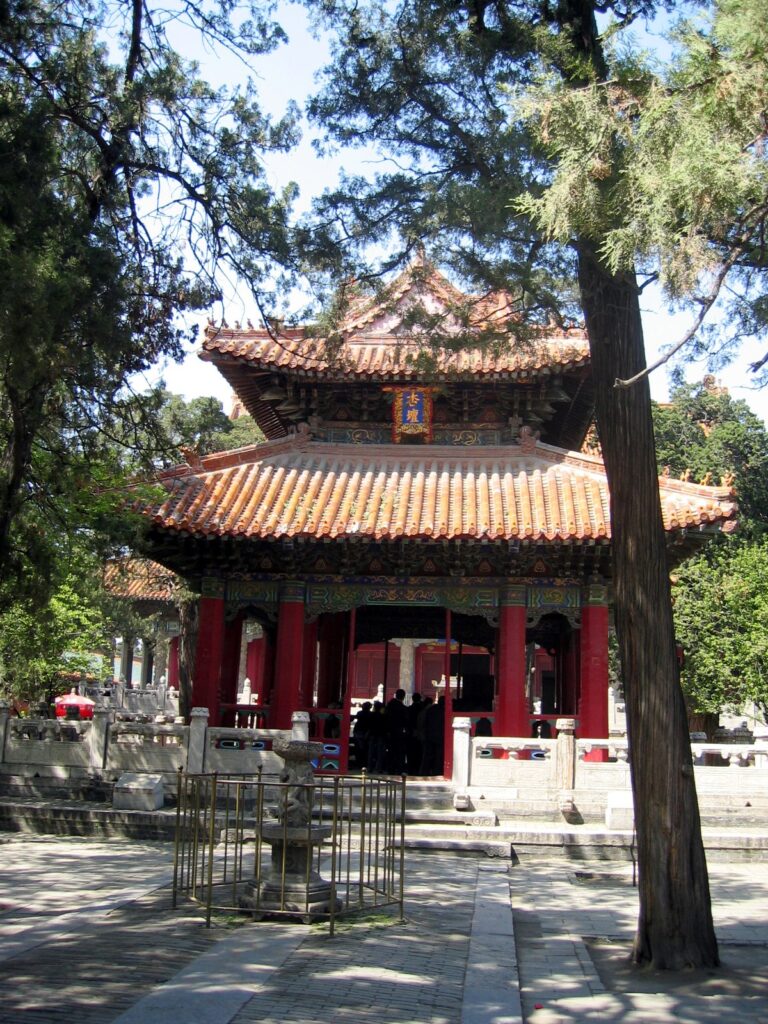
The Temple and Cemetery of Confucius in Qufu (UNESCO 1994) contains 466 rooms and the graves of over 100,000 descendants across 77 generations. Mount Taishan is 80 km north; the Grand Canal passes through Jining 45 km west; the Ruins of Yin at Anyang are 3 hours by HSR.

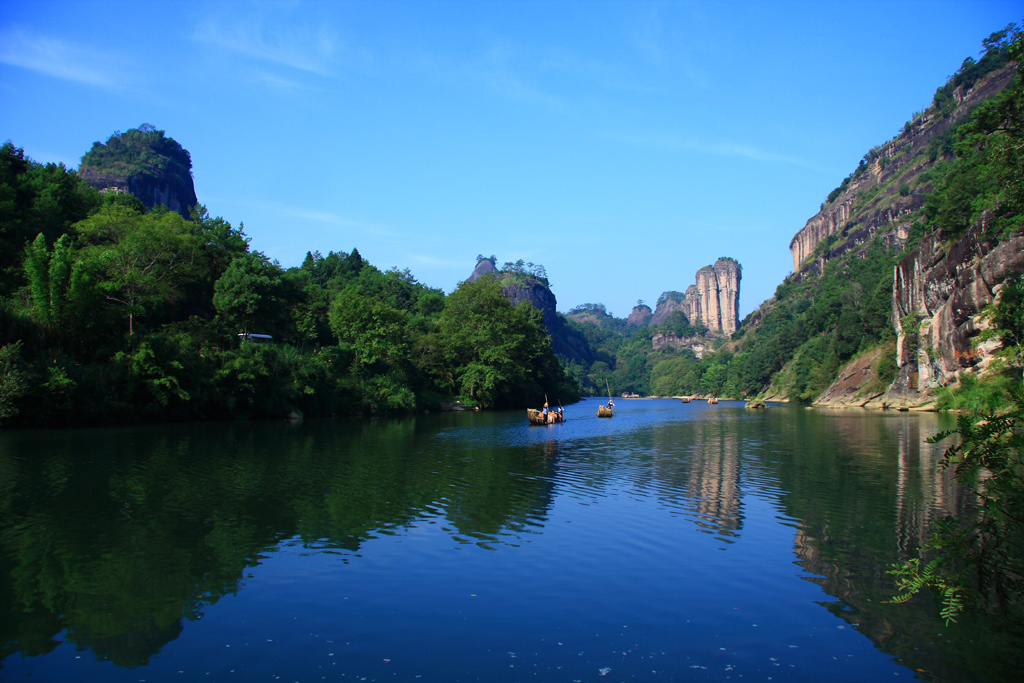
Mount Wuyi Nine-Bend River & Academies: Travel Guide

Mount Wuyi Nine-Bend River & Academies: Travel Guide

The Wuyi Mountains in northwestern Fujian, a UNESCO site since 1999, sit within reach of the Fujian Tulou earthen fortresses (300 km south), Kulangsu Island off Xiamen (350 km south by HSR), and the Dazu Rock Carvings in Chongqing (750 km west). Zhu Xi founded his Wuyi study hall here in 1183 CE, directly shaping the Neo-Confucian academy tradition later inscribed in South Korea.

Mount Emei Scenic Area & Leshan Giant Buddha: Guide

Mount Emei Scenic Area & Leshan Giant Buddha: Guide

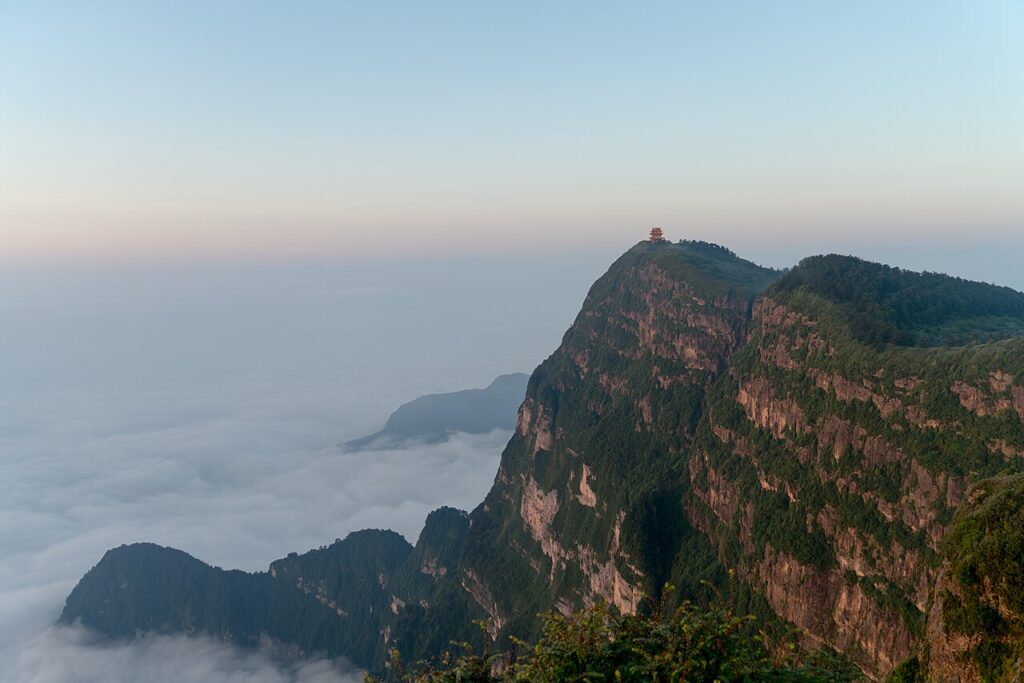
The UNESCO-inscribed Mount Emei and Leshan Giant Buddha site in southern Sichuan sits within reach of four more World Heritage properties: Qingcheng Mountain and Dujiangyan (130 km north), the Sichuan Giant Panda Sanctuaries (200 km northeast), Jiuzhaigou Valley (330 km north), and the Dazu Rock Carvings (200 km east in Chongqing).

Lushan National Park Botanical & Political Villas

Lushan National Park Botanical & Political Villas

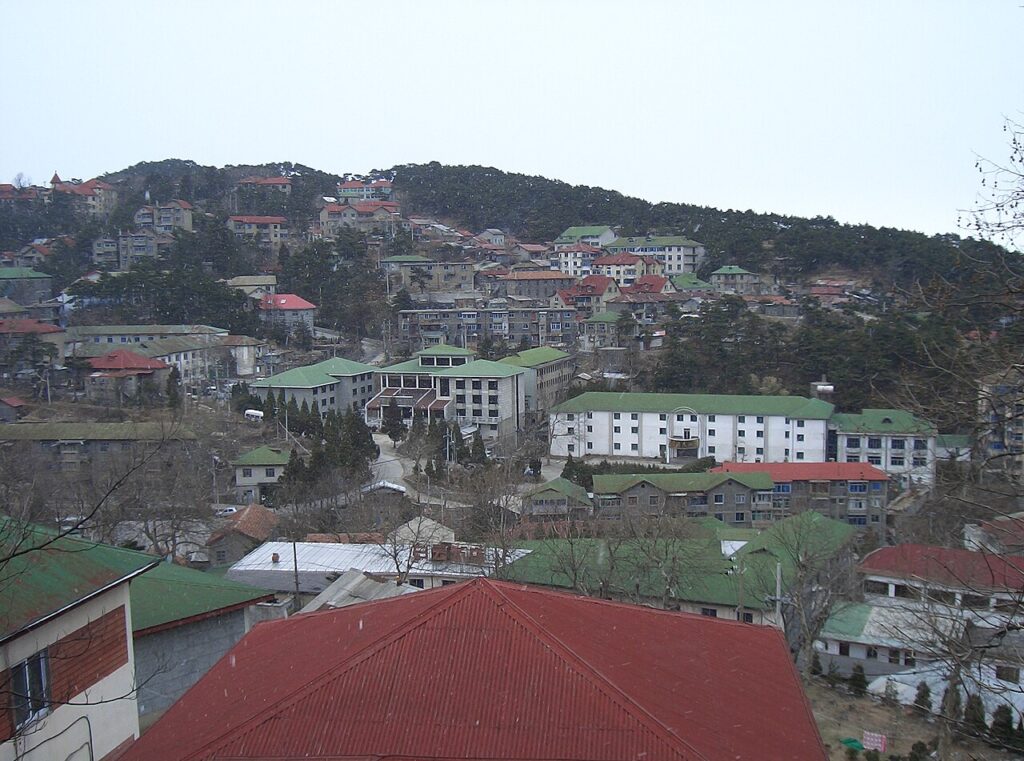
Lushan National Park in Jiujiang, Jiangxi Province — inscribed by UNESCO in 1996 — holds 1,500 colonial-era stone villas, the 402 CE founding site of Pure Land Buddhism, and the 1959 conference hall where Mao Zedong denounced Marshal Peng, within HSR range of Nanjing and three hours by car of Mount Huangshan.

Classical Gardens of Suzhou Ming & Qing: Travel Guide

Classical Gardens of Suzhou Ming & Qing: Travel Guide

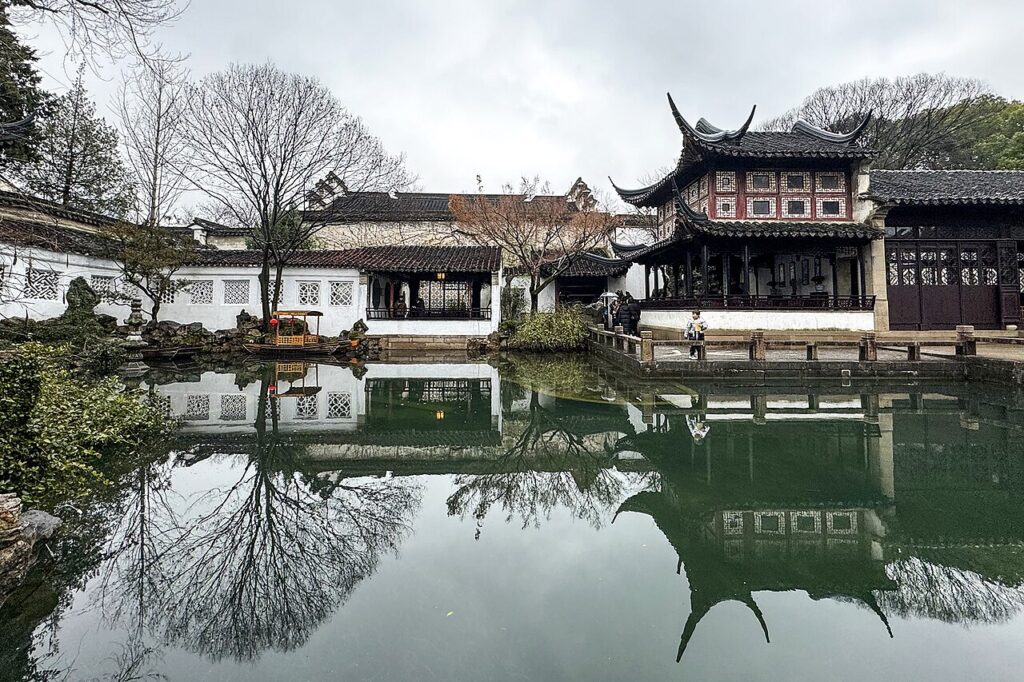
Nine classical gardens in Suzhou — built by retired officials and merchants from the Song through Qing dynasties on a total area under 20 hectares — sit within an hour by HSR of West Lake Hangzhou and three hours of Huangshan, while the Grand Canal, also UNESCO-listed, runs through the city itself.

Ancient Villages of Southern Anhui Xidi Hongcun: Guide

Ancient Villages of Southern Anhui Xidi Hongcun: Guide

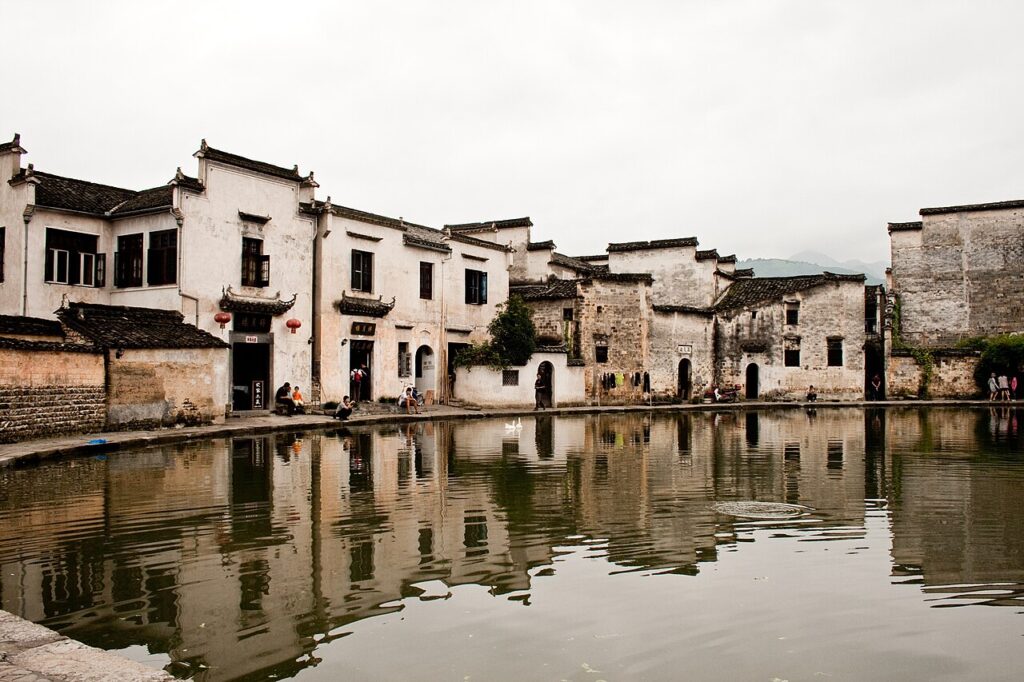
Xidi and Hongcun — two Qing-dynasty villages in Anhui Province whose water-management systems and merchant-funded architecture earned UNESCO listing in 2000 — sit 65 km west of Huangshan and within HSR range of West Lake Hangzhou, the Classic Gardens of Suzhou, and Lushan National Park.

Yungang Grottoes 51000 Buddhist Sculptures: Guide

Yungang Grottoes 51000 Buddhist Sculptures: Guide

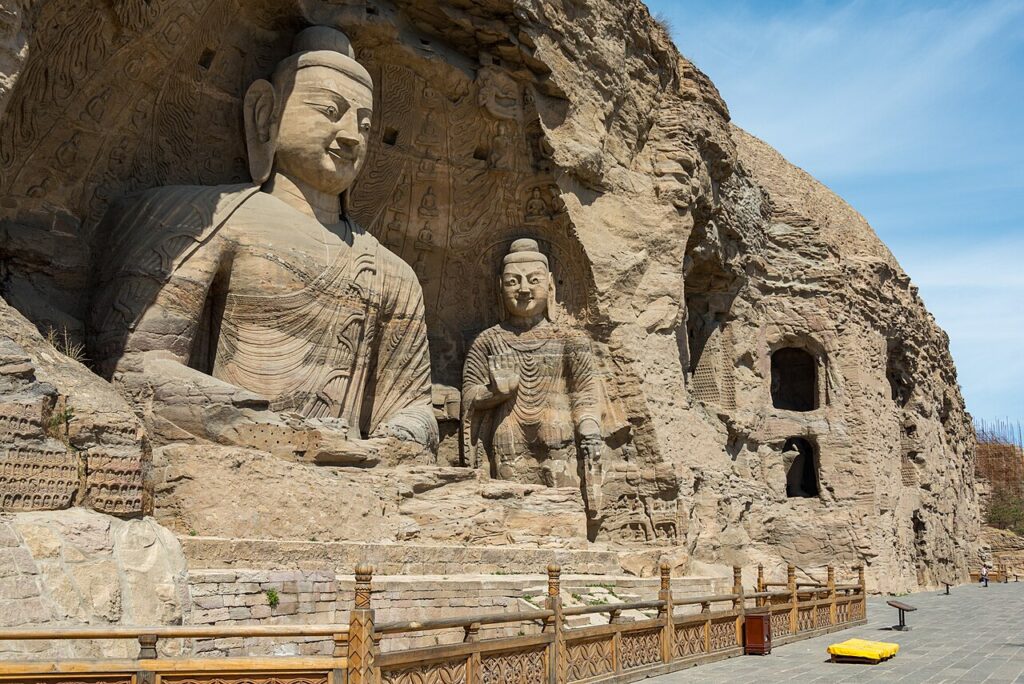
The Yungang Grottoes — 252 caves and 51,000 statues carved into a Datong cliff between 460 and 525 CE — sit within reach of Pingyao’s walled Ming city, the Northern Qi Great Wall, Mount Wutai’s Tang-period Foguang Temple, and the Longmen Grottoes, whose Tang-dynasty sculptures show where the Gandharan style that shaped Yungang eventually arrived.

Ancient City of Pingyao Walled Banking Center: Guide

Ancient City of Pingyao Walled Banking Center: Guide

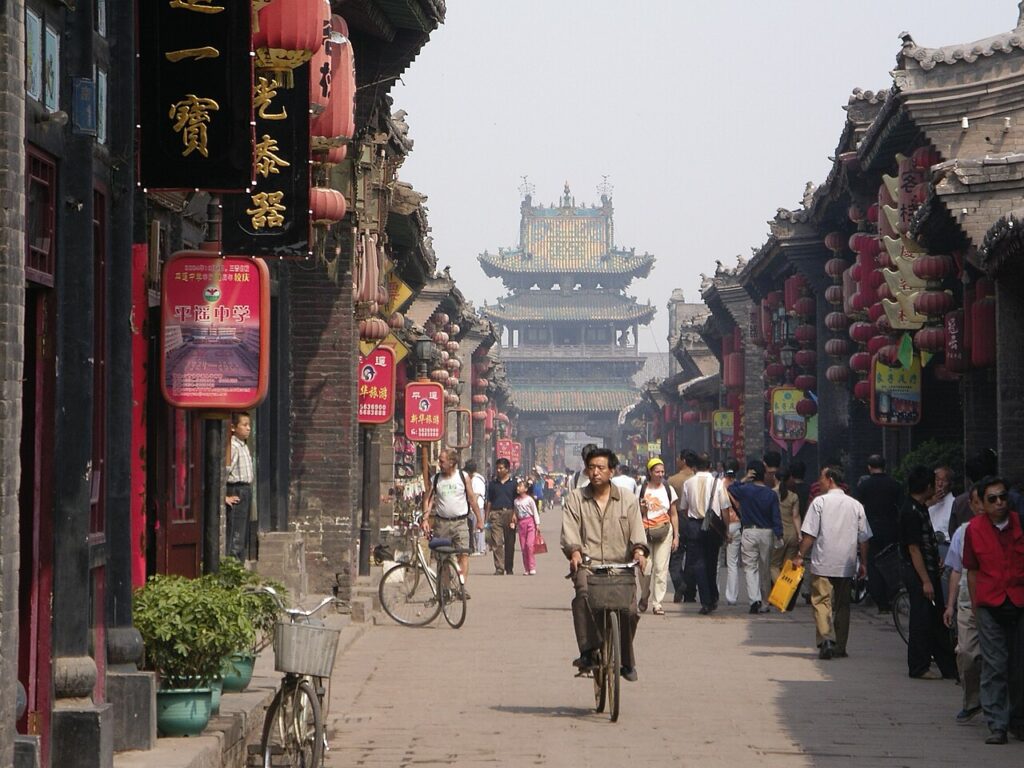
The Ancient City of Pingyao (UNESCO 1997) preserves a complete Ming-dynasty walled city in Shanxi Province, with 6.4 kilometres of intact wall and the 1823 Rishengchang exchange house. Yungang Grottoes are 280 km north by train; Mount Wutai 180 km northeast; Longmen Grottoes 560 km south via Taiyuan high-speed rail.

Scroll to Top