

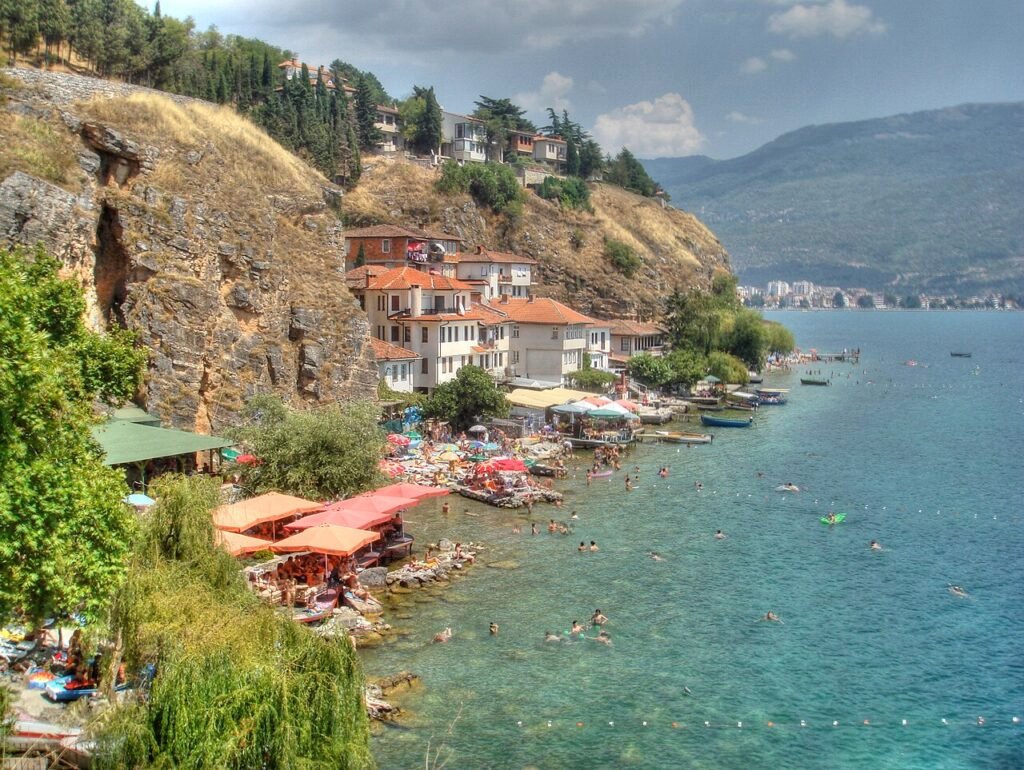
UNESCO Heritage Sites Near Skopje, North Macedonia
Ohrid, 170 km from Skopje, holds North Macedonia’s only UNESCO World Heritage Site — a rare mixed inscription combining one of Europe’s oldest lakes with a medieval town that shaped Slavic literacy.
Ohrid, 170 km from Skopje, holds North Macedonia’s only UNESCO World Heritage Site — a rare mixed inscription combining one of Europe’s oldest lakes with a medieval town that shaped Slavic literacy.
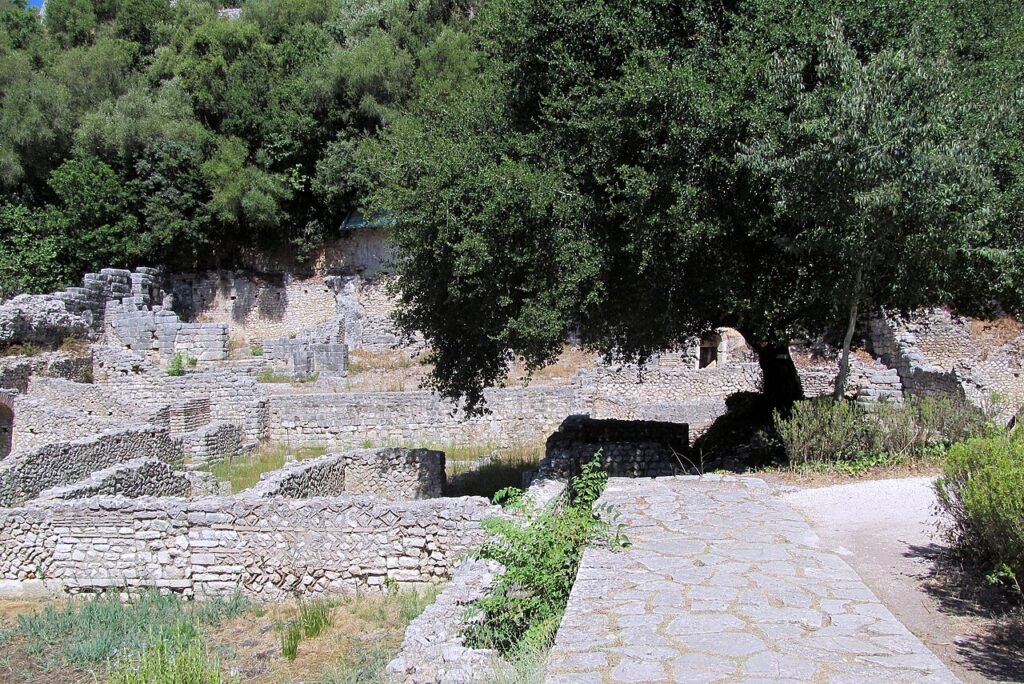
All three of Albania’s UNESCO World Heritage Sites — Butrint, Berat, and Gjirokastra — are reachable from Tirana within three hours, spanning Bronze Age ruins to intact Ottoman townscapes.
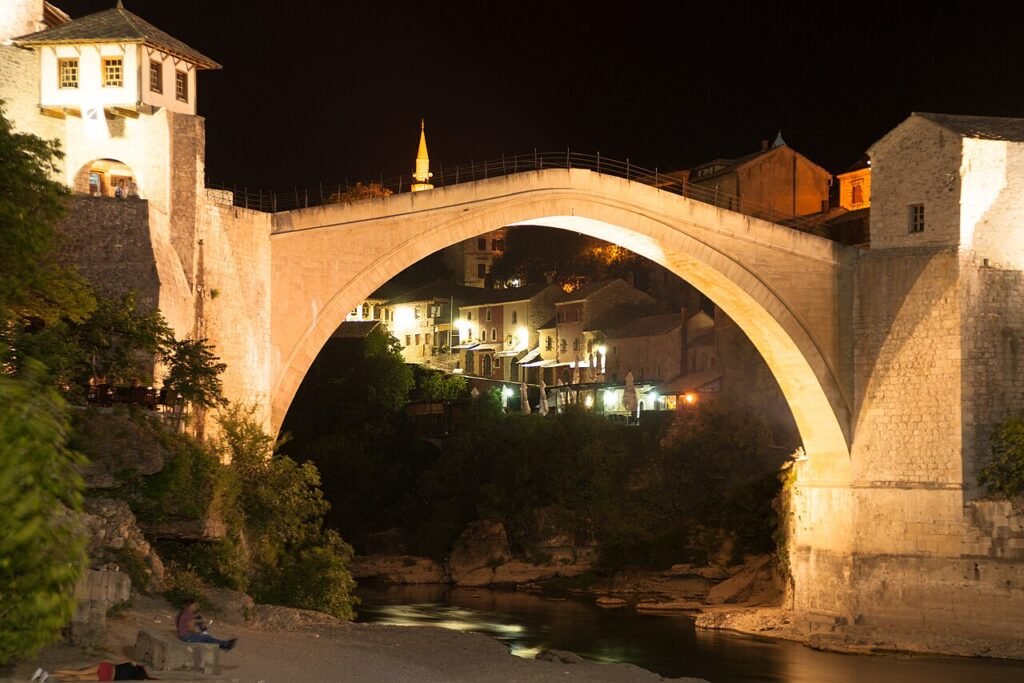
Two UNESCO sites lie within three hours of Sarajevo: Mostar’s rebuilt Ottoman bridge and the mysterious medieval stećci tombstones of southern Bosnia.
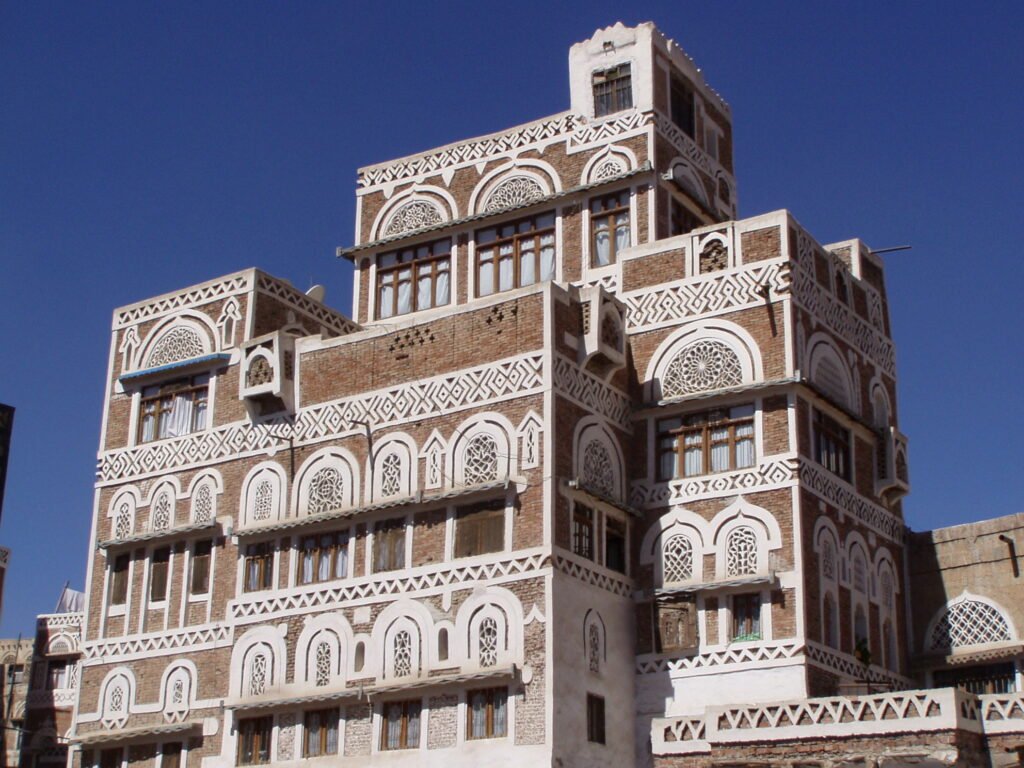
Yemen’s three most accessible UNESCO sites — the Old City of Sana’a, Shibam’s mud-brick skyscrapers, and medieval Zabid — span 2,500 years of Arab-Islamic urbanism.

Three UNESCO World Heritage Sites in the DRC’s northeast — Garamba, the Okapi Reserve, and Virunga — hold some of Africa’s rarest wildlife, from mountain gorillas to the last okapis on Earth.
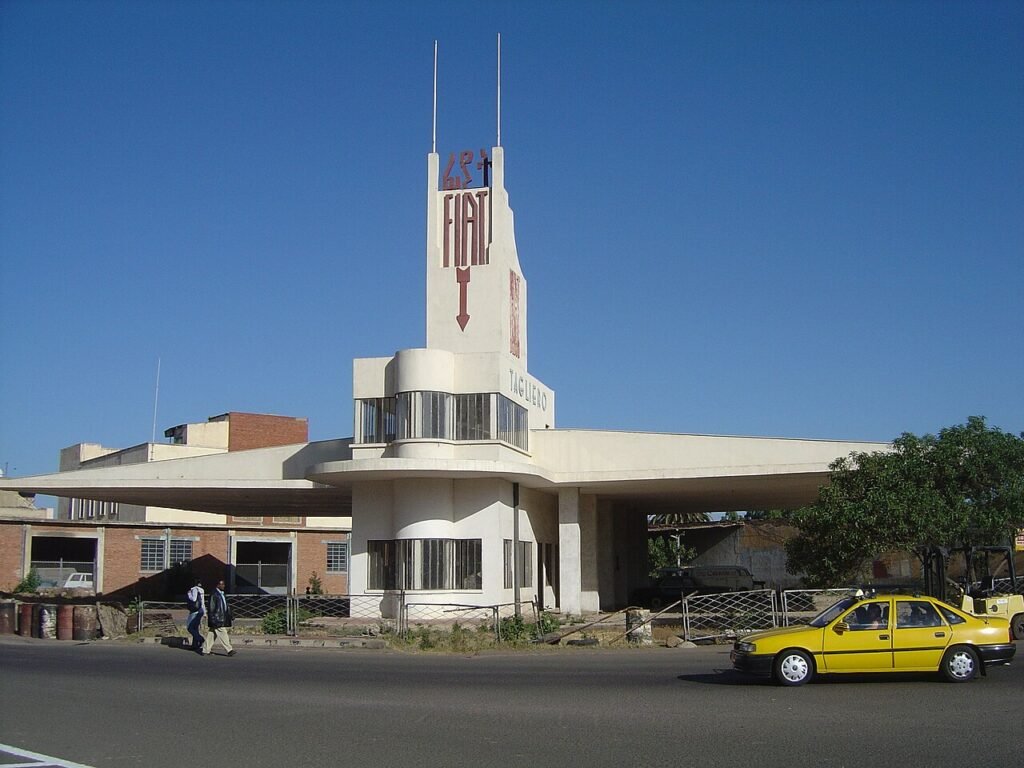
Asmara, Eritrea’s highland capital, is itself a UNESCO World Heritage Site — an open-air collection of 400 Futurist and Art Deco buildings preserved since Italian colonial rule ended in 1941.
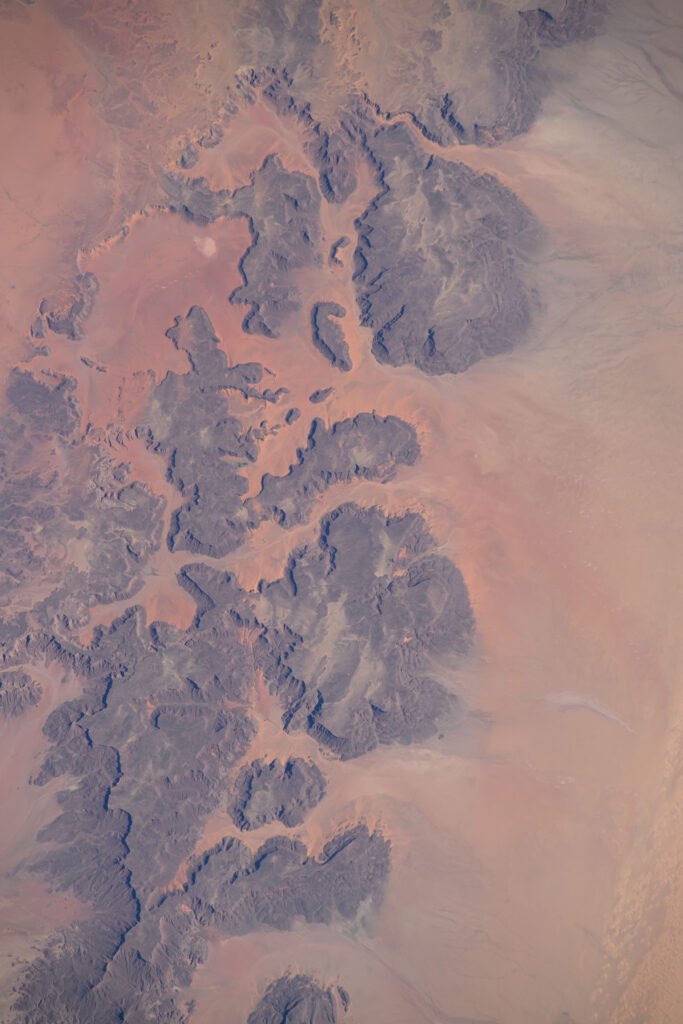
Chad’s two UNESCO sites — the Lakes of Ounianga and the Ennedi Massif — are both reachable from N’Djamena for travellers willing to venture deep into the Sahara.
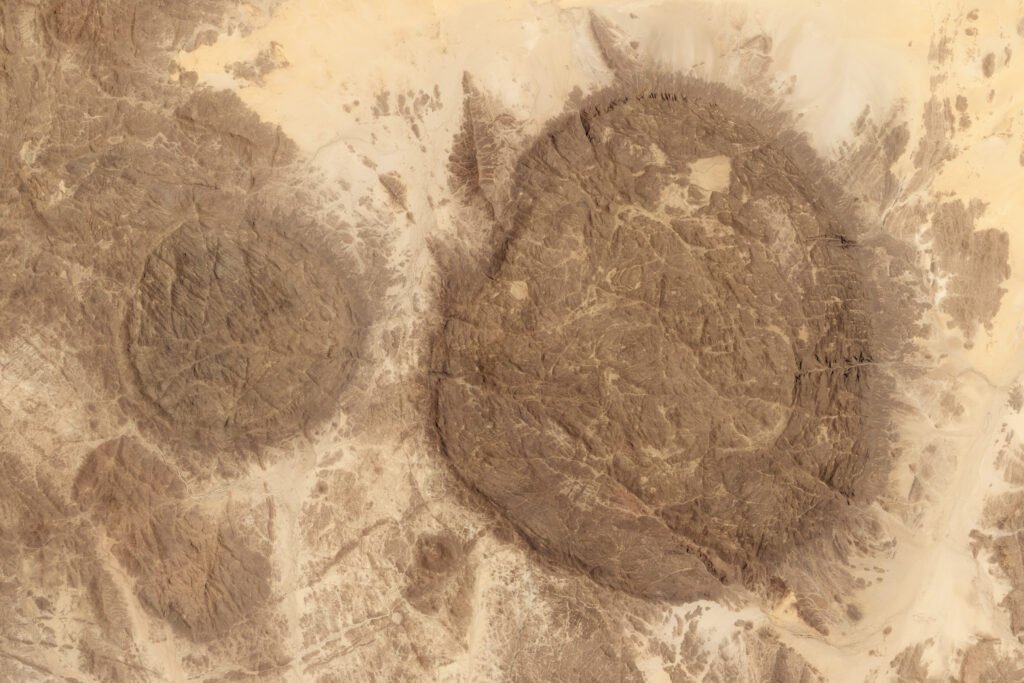
Two UNESCO World Heritage Sites lie within reach of Niamey: the wildlife-rich W-Arly-Pendjari savanna complex and the vast Aïr and Ténéré reserves in the Sahara.
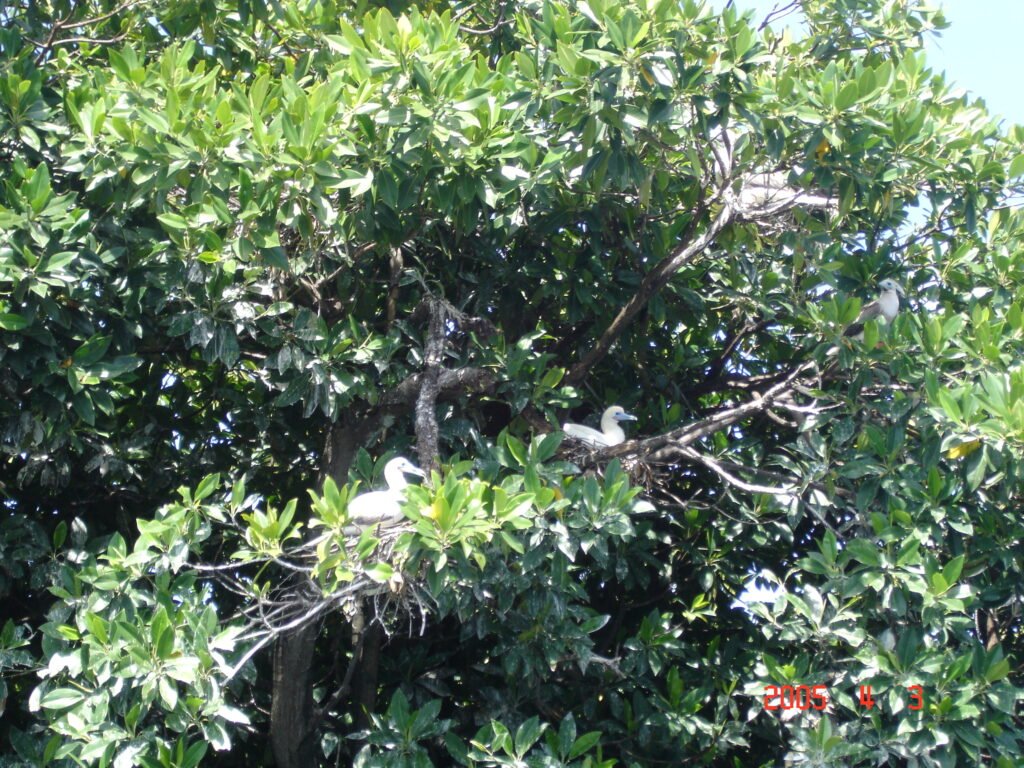
East Rennell — Solomon Islands’ sole UNESCO World Heritage Site — holds the Pacific’s largest inland lake and some of the region’s most intact lowland forest, 230 km south of Honiara.