

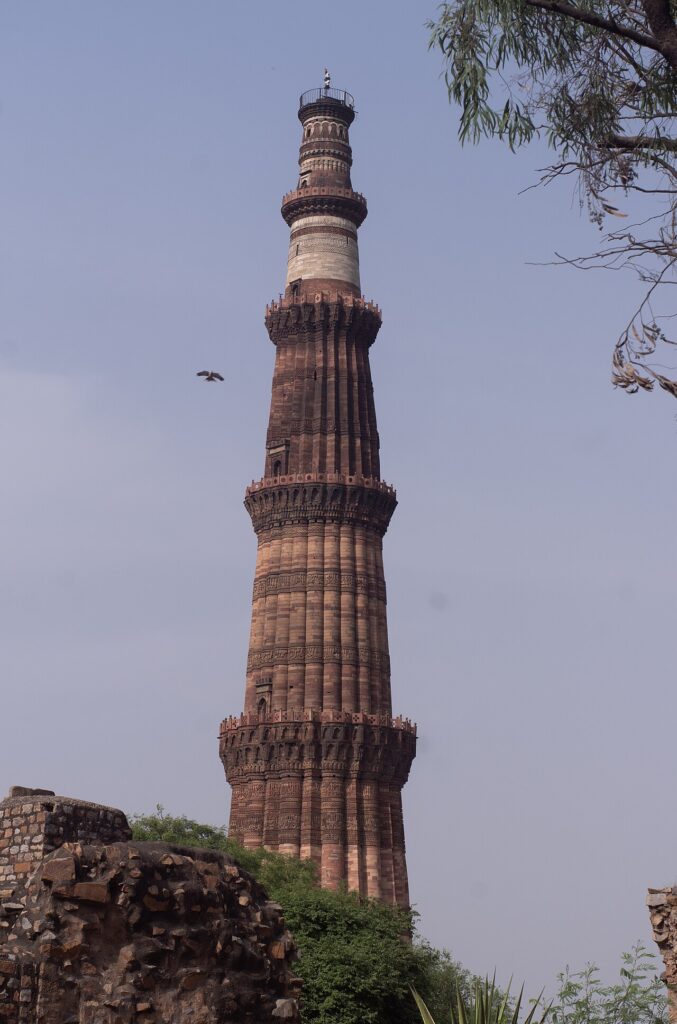
Qutb Minar Complex & Iron Pillar Delhi: Guide
Photo: Wasir kasab / CC BY 4.0 / Wikimedia Commons. The Qutb Minar and its Monuments (قطب مینار), inscribed by
Photo: Wasir kasab / CC BY 4.0 / Wikimedia Commons. The Qutb Minar and its Monuments (قطب مینار), inscribed by

Photo: Mubba832 / CC BY-SA 4.0 / Wikimedia Commons. Humayun’s Tomb (हुमायूँ का मकबरा, Maqbara-i-Humāyūn), inscribed by UNESCO in 1993,
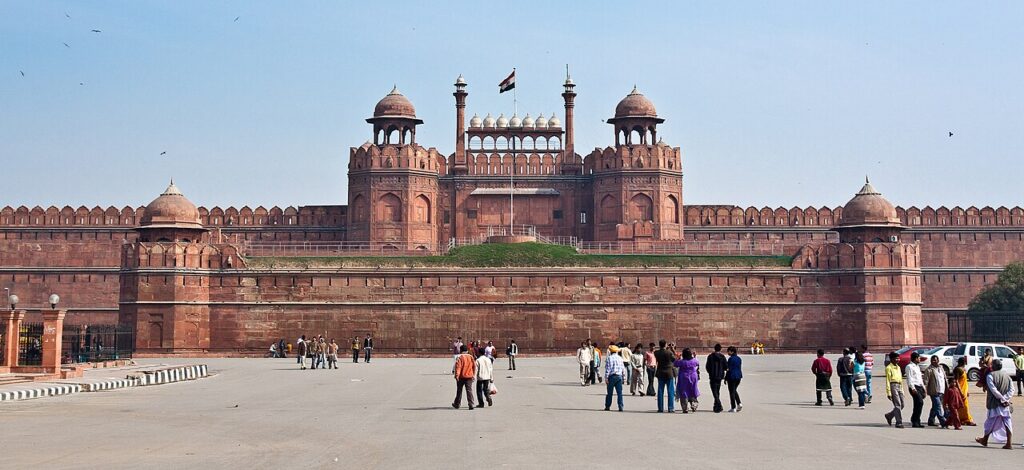
Photo: PerSona77 / CC BY-SA 3.0 / Wikimedia Commons. The Red Fort Complex (लाल क़िला, Lāl Qila, or Qila-i-Mubaarak “Auspicious
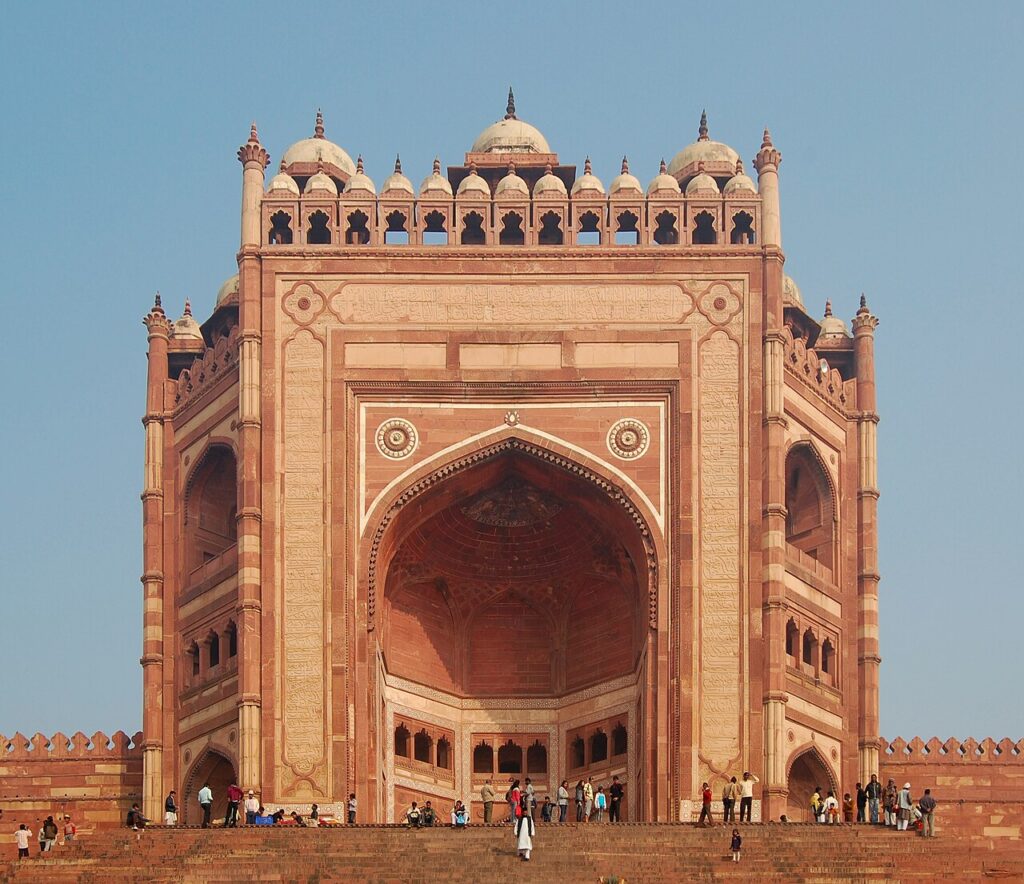
Photo: Marcin Białek / CC BY-SA 3.0 / Wikimedia Commons. Fatehpur Sikri (فتح پور سیکری, “City of Victory”), inscribed by
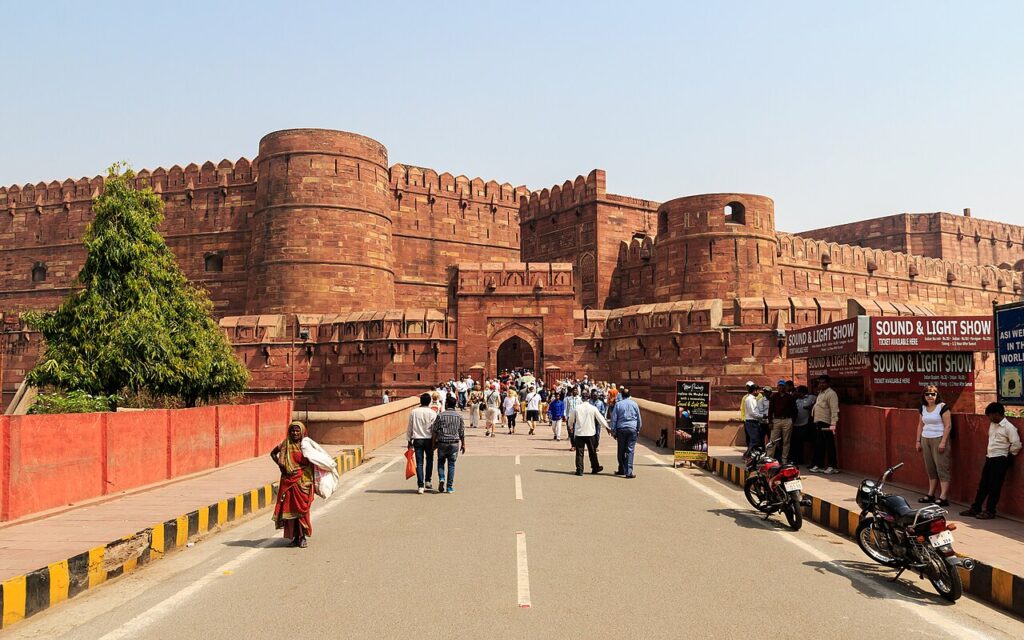
Photo: A.Savin / Free Art License / Wikimedia Commons. Agra Fort (آگرہ قلعہ, also Lal Qila “Red Fort” of Agra,
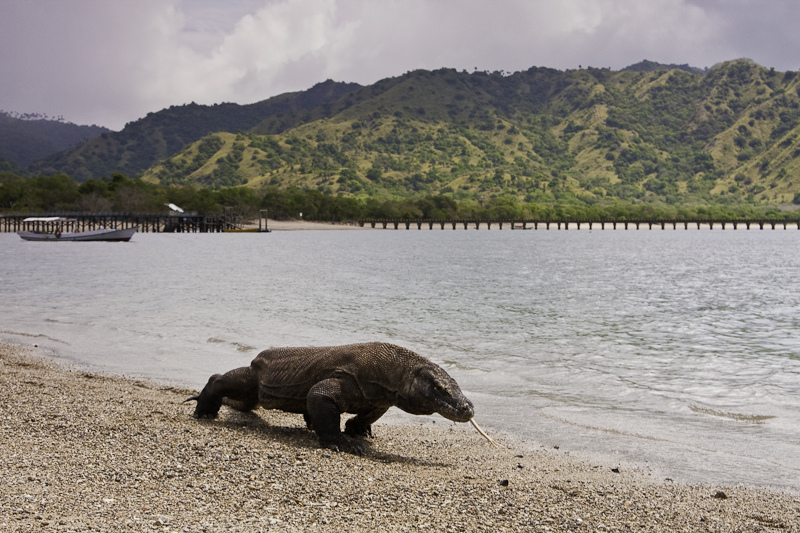
Komodo National Park has no close World Heritage neighbours: Bali is 451 km away, Sangiran 963 km. What UNESCO and IUCN say about the park and its dragons.
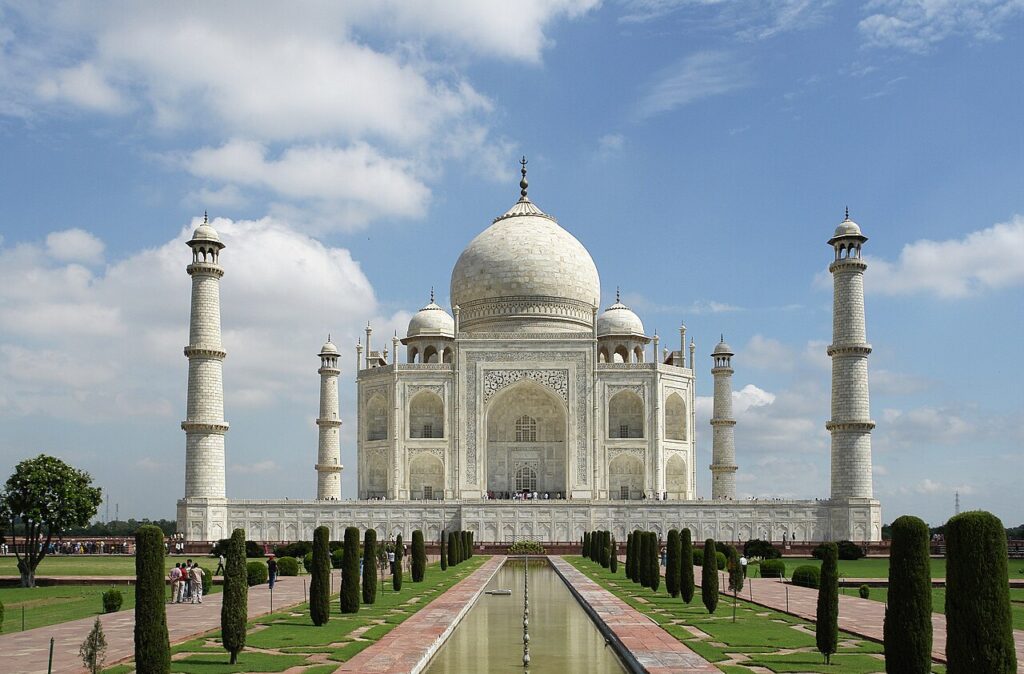
Photo: Yann, edited by Jim Carter / CC BY-SA 4.0 / Wikimedia Commons. The Taj Mahal (تاج محل, “Crown of
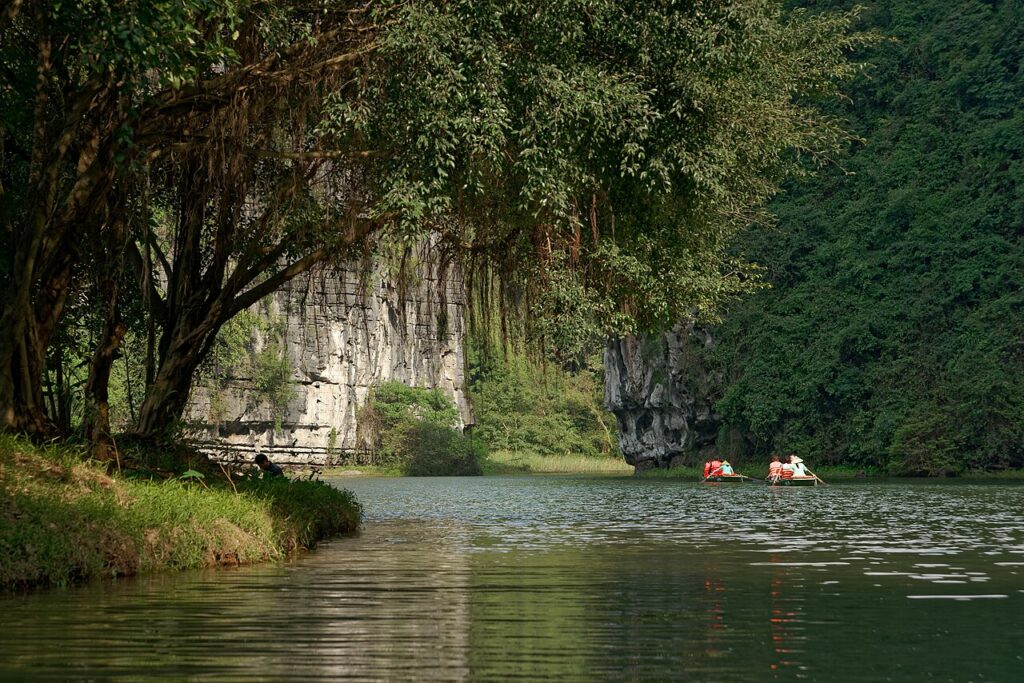
The Tràng An Landscape Complex, UNESCO-inscribed in 2014, is Southeast Asia’s only mixed cultural-natural UNESCO inscription — 48 cave passages navigated by rowboat through enclosed karst valleys near Ninh Bình, 30,000 years of cave archaeology, the Ancient Capital Hoa Lư where Vietnam’s first post-independence dynasty built its citadel in 968 CE — 100 km from Hanoi by train.
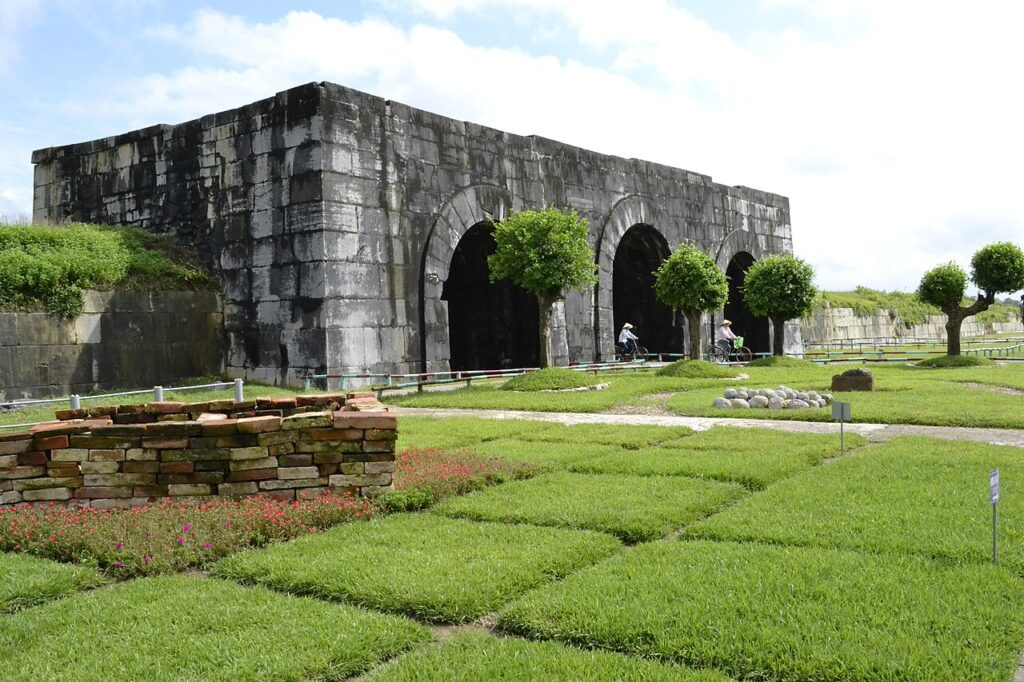
The Citadel of the Hồ Dynasty, UNESCO-inscribed in 2011, preserves the 1397 CE stone walls of the short-lived Hồ dynasty’s “Western Capital” in Thanh Hóa Province, central Vietnam — four barrel-vaulted gates in green sandstone walls (blocks up to 24 tonnes, built in 3 months), 140 km south of Hanoi, 60 km south of Tràng An’s UNESCO karst landscape, 50 km from the Lê dynasty Lam Kinh mausoleums.