

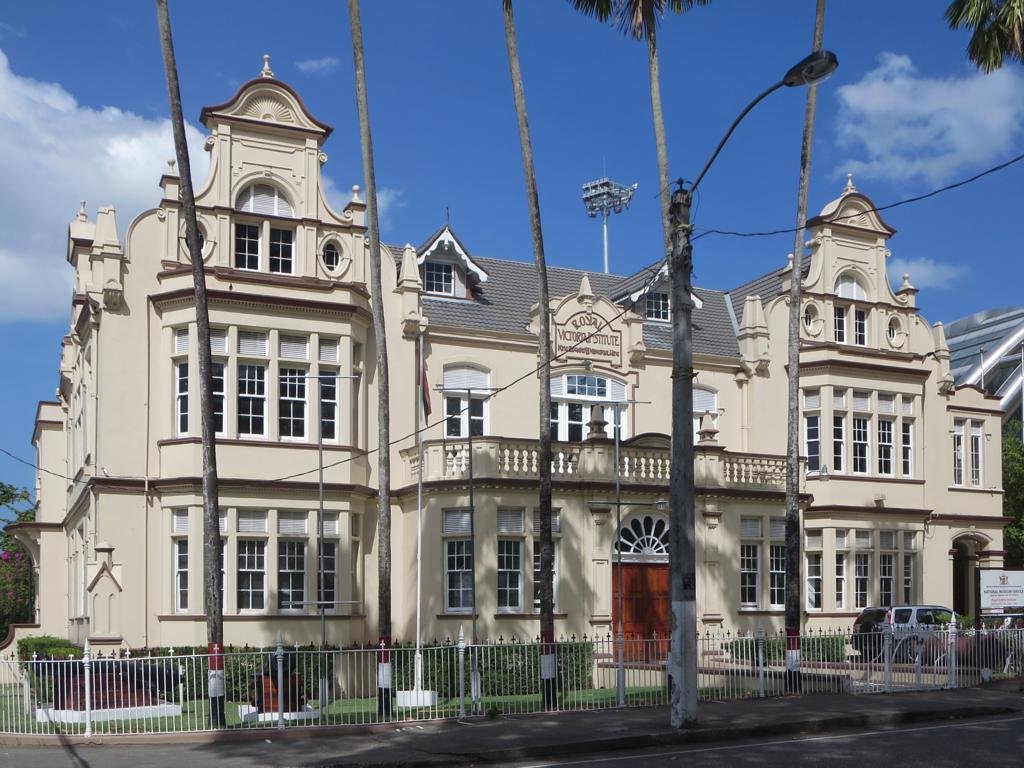
UNESCO Heritage Sites Near Port of Spain, Trinidad
Trinidad has no UNESCO World Heritage Sites, but the Pitch Lake at La Brea — the world’s largest natural asphalt deposit, known since Sir Walter Raleigh’s 1595 visit — sits 50 km from Port of Spain.
Trinidad has no UNESCO World Heritage Sites, but the Pitch Lake at La Brea — the world’s largest natural asphalt deposit, known since Sir Walter Raleigh’s 1595 visit — sits 50 km from Port of Spain.
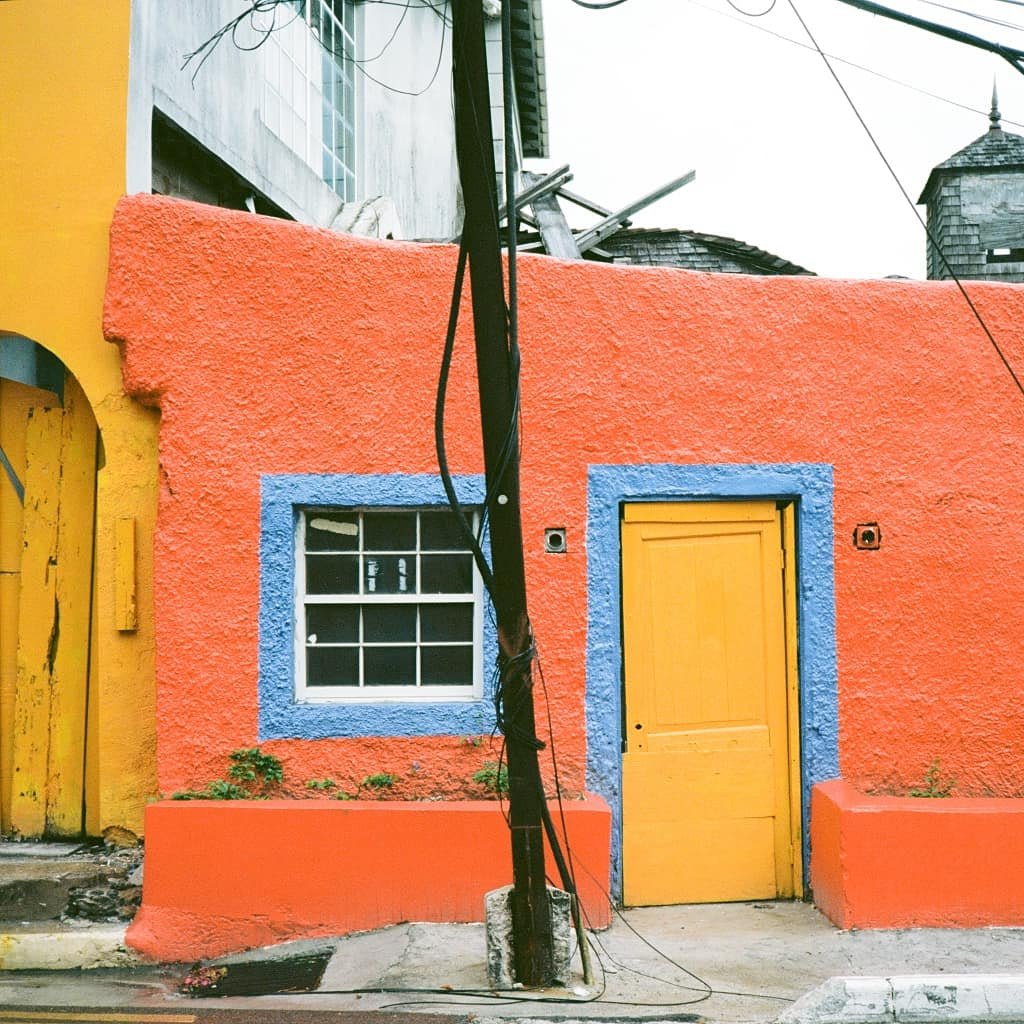
The Bahamas has no UNESCO World Heritage Sites, but offers Columbus’s 1492 landfall site on San Salvador and the world’s third-longest barrier reef off Andros — both within reach of Nassau.
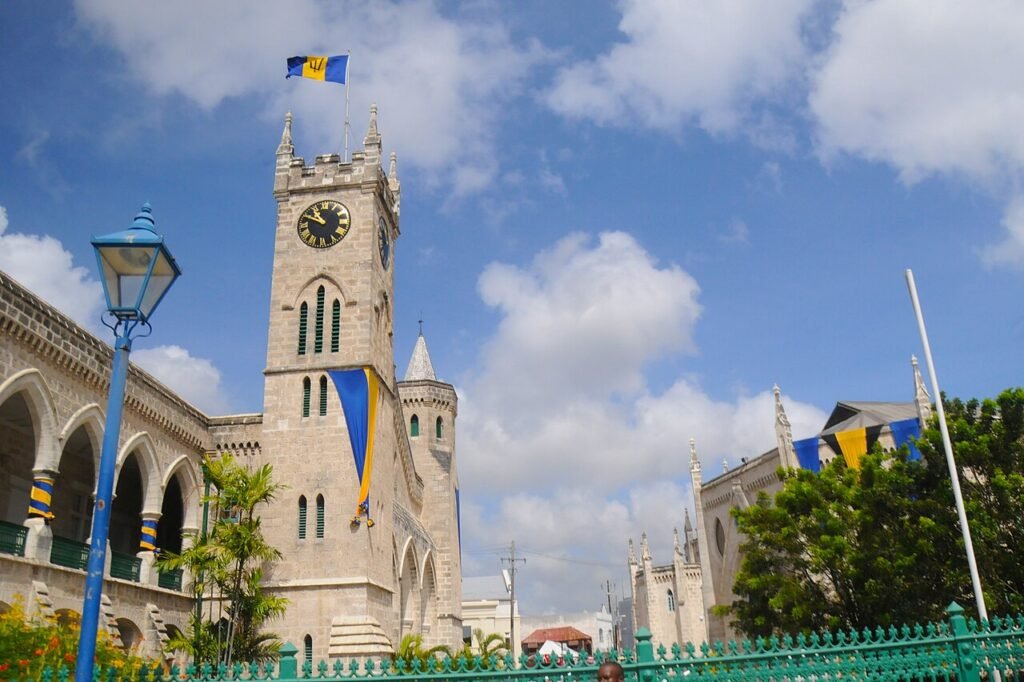
Barbados’s only UNESCO World Heritage Site covers colonial Bridgetown — with its pre-London Nelson’s Column — and the Garrison, home to the world’s largest collection of 17th-century iron cannon.
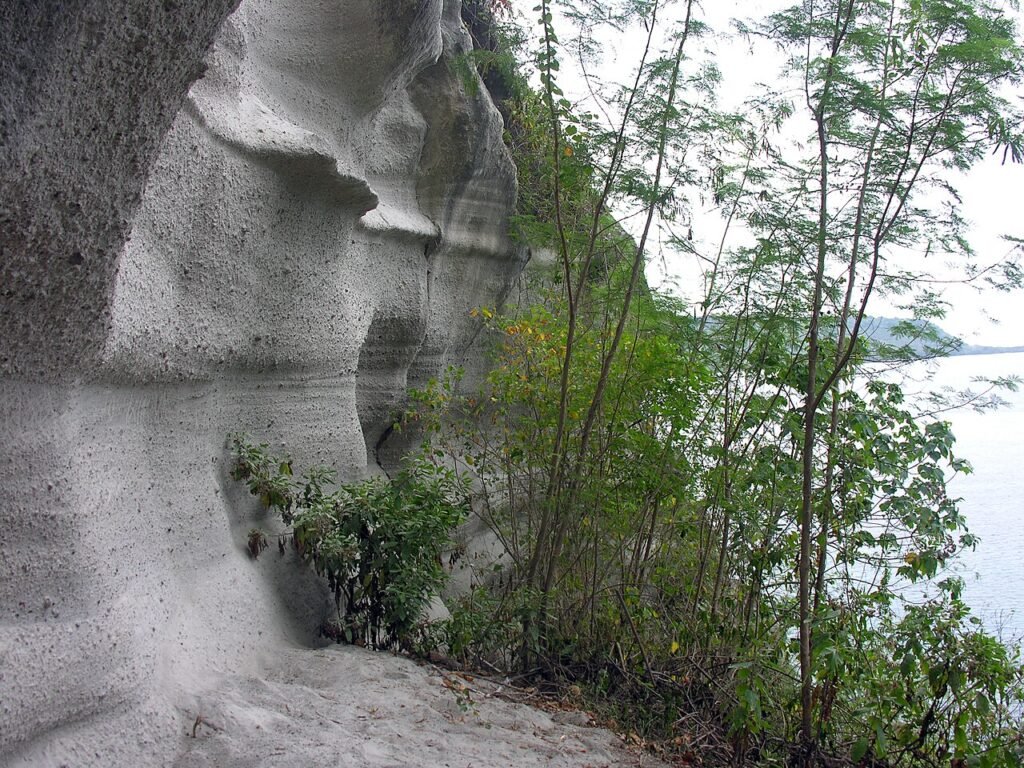
Vanuatu’s only UNESCO World Heritage Site — Chief Roi Mata’s Domain — preserves the burial ground and sacred landscape of a 17th-century paramount chief, still managed by his descendants 25 km from Port Vila.
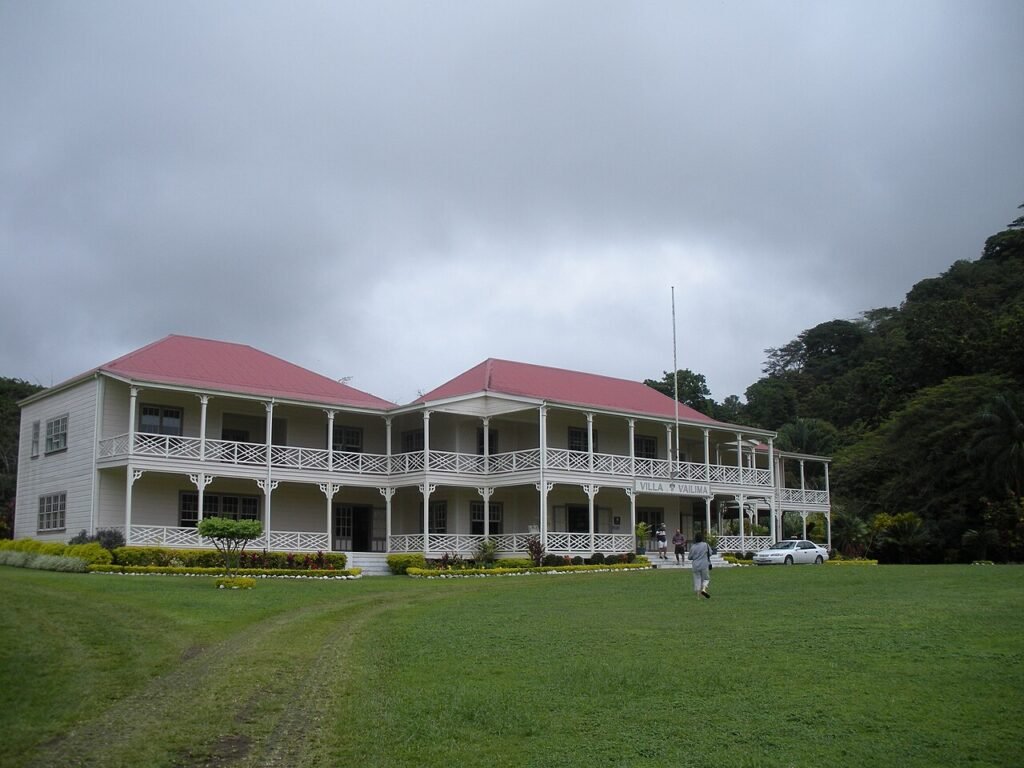
Samoa has no inscribed UNESCO World Heritage Sites, but Apia sits minutes from Vailima — the preserved home of Robert Louis Stevenson — and Savai’i’s volcanic lava tubes are among the Pacific’s most striking natural heritage.
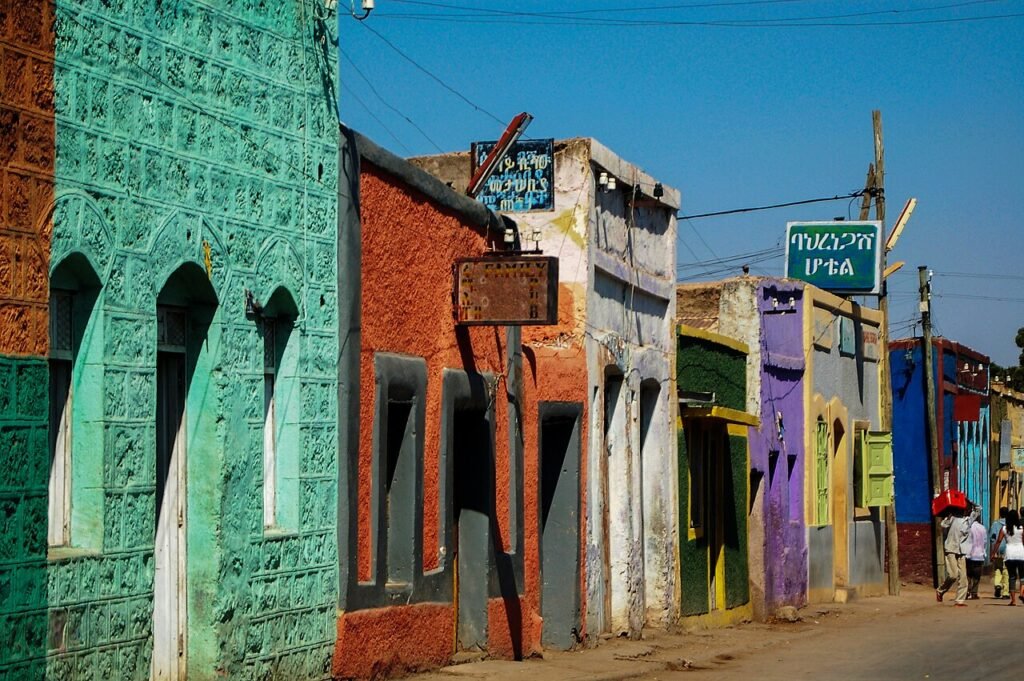
Djibouti has no inscribed UNESCO sites, but Harar Jugol in Ethiopia — a walled Islamic city with 82 mosques and a 500-year hyena-feeding tradition — is reachable in under four hours.
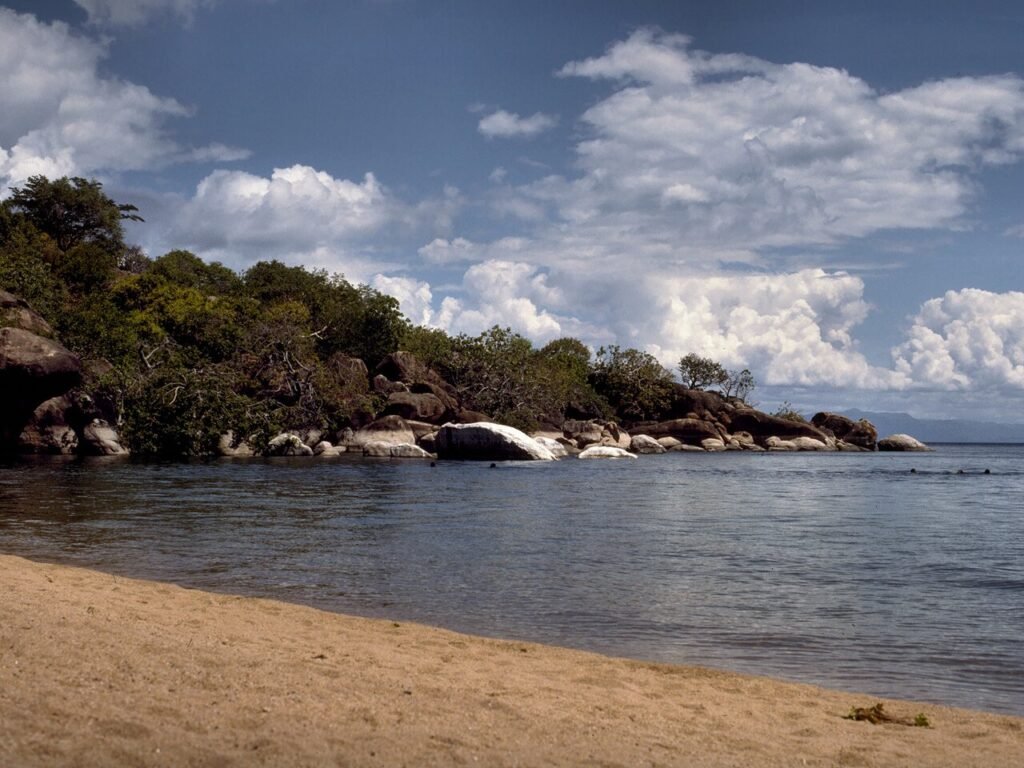
Malawi’s two UNESCO World Heritage Sites — the Chongoni Rock Art Area and Lake Malawi National Park — are both reachable from Lilongwe in a single day.
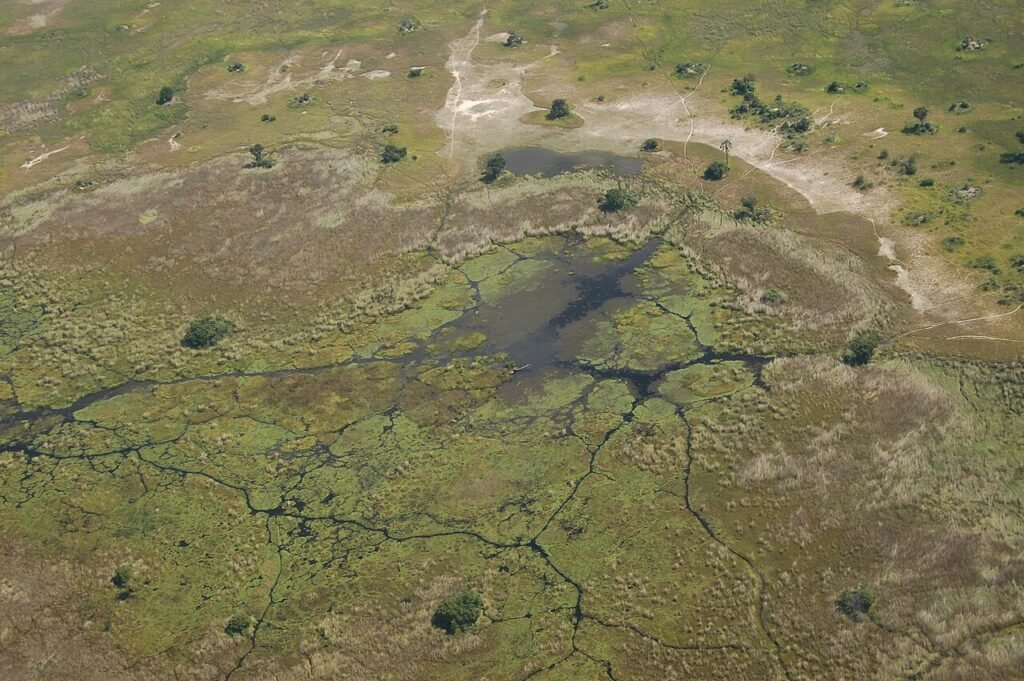
Botswana’s two UNESCO World Heritage Sites — the rock-art sanctuaries of Tsodilo Hills and the vast Okavango Delta wetland — are both reachable from Gaborone by domestic flight.
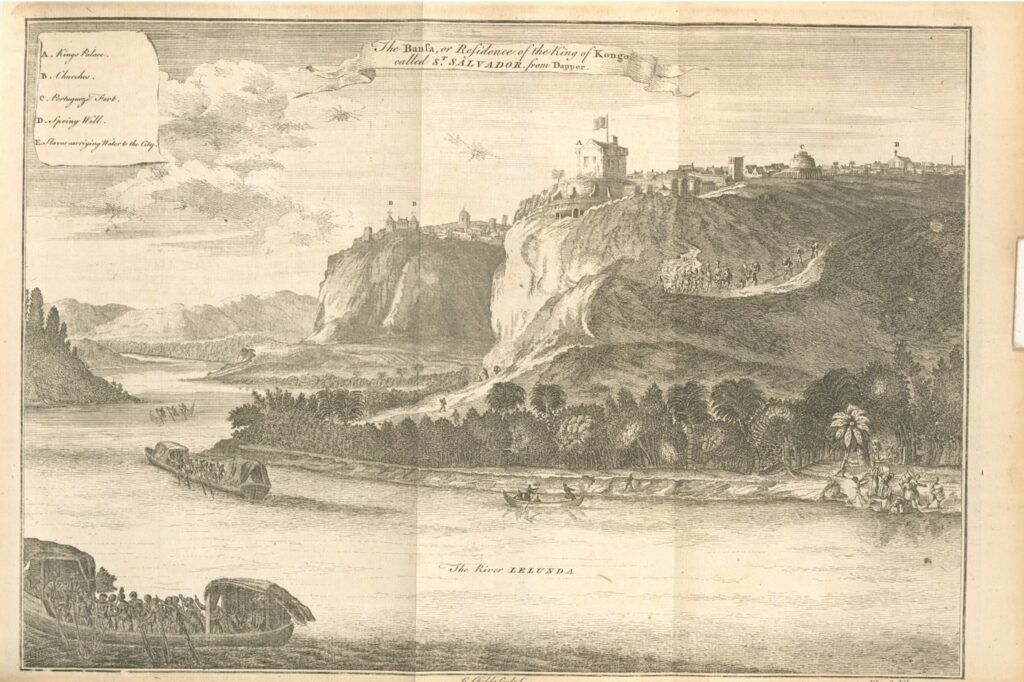
Angola’s sole UNESCO World Heritage Site, Mbanza Kongo, preserves the ruins and living culture of one of pre-colonial Africa’s most powerful kingdoms — 650 km north of Luanda.