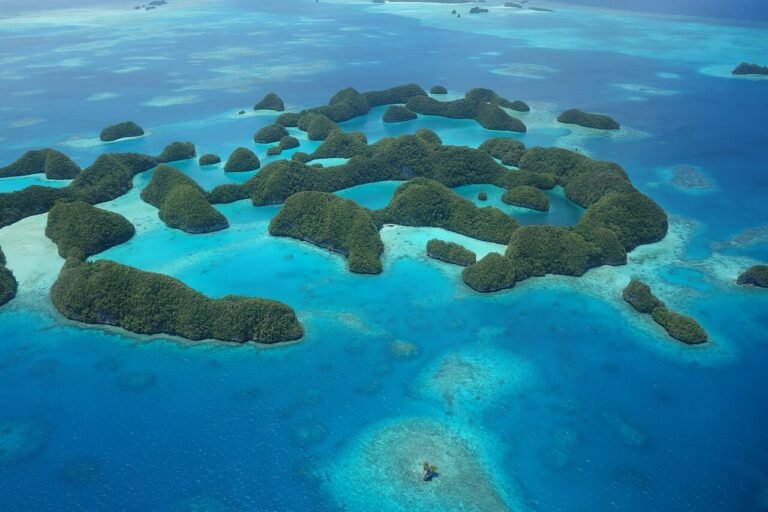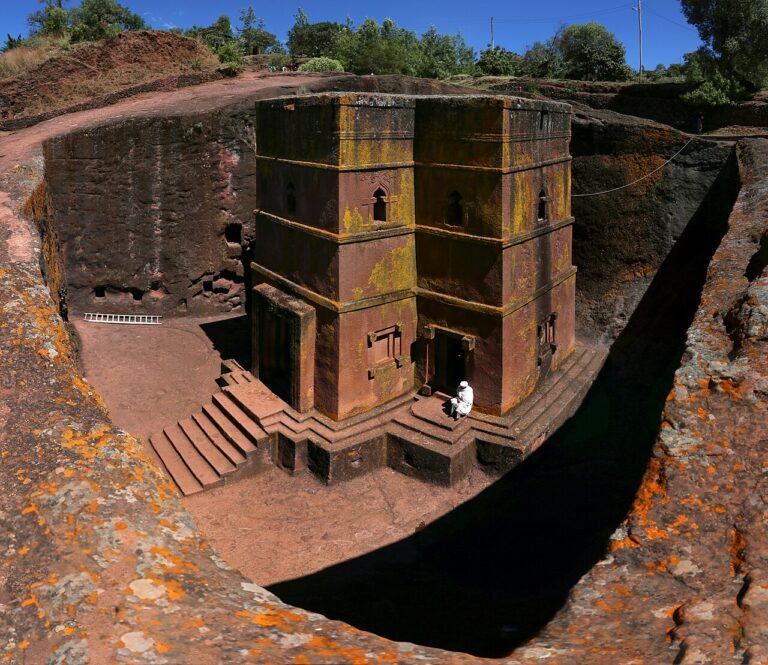
The Comoros has no UNESCO World Heritage Sites. The nearest inscribed site is Aldabra Atoll in Seychelles, 1,200 km southeast — the world’s second largest atoll and home to the largest population of giant tortoises on Earth, more remote than any comparable UNESCO inscription. From Cultural Heritage Online.
Aldabra Atoll, Seychelles 1,200 km southeast — special charter required; no commercial access
Aldabra Atoll, inscribed as a UNESCO World Heritage Site in 1982, is one of the world’s great nature reserves — a raised coral atoll in the outer Seychelles, approximately 1,150 km southwest of the main Seychelles island group and 1,200 km southeast of Moroni. The atoll consists of four main islands enclosing a large lagoon; the total land area is approximately 155 square kilometres. Aldabra has been uninhabited by permanent human settlers for most of its documented history, which has allowed the ecosystem to evolve in relative isolation.
The most celebrated inhabitants of Aldabra are the Aldabra giant tortoises (Aldabrachelys gigantea), whose population on the atoll is estimated at approximately 100,000 animals — the largest population of giant tortoises in the world, roughly ten times the number that survive on the Galápagos Islands. The tortoises were hunted nearly to extinction during the nineteenth century by visiting sailors and settlers, but the atoll’s extreme remoteness ultimately protected them: access was too difficult to make large-scale hunting economically viable, and the population recovered after the establishment of the Aldabra Research Station by the Seychelles Islands Foundation in the 1970s.
Aldabra also holds significant bird populations: the flightless Aldabra rail (Dryolimnas cuvieri aldabranus), the only surviving flightless bird in the Indian Ocean, inhabits the atoll; nesting frigatebirds, red-footed boobies, and white-tailed tropicbirds are present in large numbers. The coral reef surrounding the atoll is intact and largely free of bleaching damage due to the relative coolness of the deep waters in the area.
Getting there: Aldabra is accessible only by special permit and charter vessel (typically liveaboard) or charter aircraft from Mahé, Seychelles. Visitor numbers are strictly limited; the Seychelles Islands Foundation manages all access. From Moroni, the most practical route is via Mahé (flight from Moroni to Mahé available via Nairobi or the Seychelles). Allow: A minimum of 7–10 days for an Aldabra itinerary. Best for: Wildlife conservation specialists and researchers; extreme ecotourists.
Frequently Asked Questions
Does the Comoros have any UNESCO World Heritage Sites?
No. The Comoros has no inscribed UNESCO World Heritage Sites and has not submitted a formal Tentative List. The nearest inscribed site is the Aldabra Atoll in Seychelles (1,200 km southeast), followed by the Stone Town of Zanzibar in Tanzania (approximately 1,400 km south). The Old Town of Moroni, with its mosques, market, and traditional Swahili architecture, has been proposed domestically as a potential UNESCO candidate but has not advanced to formal nomination.
How many Aldabra giant tortoises exist in the wild?
Approximately 100,000 Aldabra giant tortoises survive on Aldabra Atoll — the largest wild population of giant tortoises in the world, approximately ten times the size of the surviving Galápagos tortoise populations combined. The animals can live for over 100 years, reach 250 kg in weight, and have a shell length of up to 130 cm. Their extreme longevity and the atoll’s isolation have meant that individual tortoises living today may have been on Aldabra before the atoll received any significant human attention.
Can tourists visit Aldabra Atoll?
Yes, but with strict conditions. The Seychelles Islands Foundation (SIF) manages all access; visitor permits must be obtained in advance, and visitor numbers are tightly capped to minimise ecological impact. Access is primarily by liveaboard charter from Mahé, Seychelles (charter aircraft also available). A visit to Aldabra requires significant logistical planning, considerable expense, and a minimum of one week’s travel time. Research visits and conservation work constitute most of the human presence on the atoll.
What are the main cultural sites in Moroni itself?
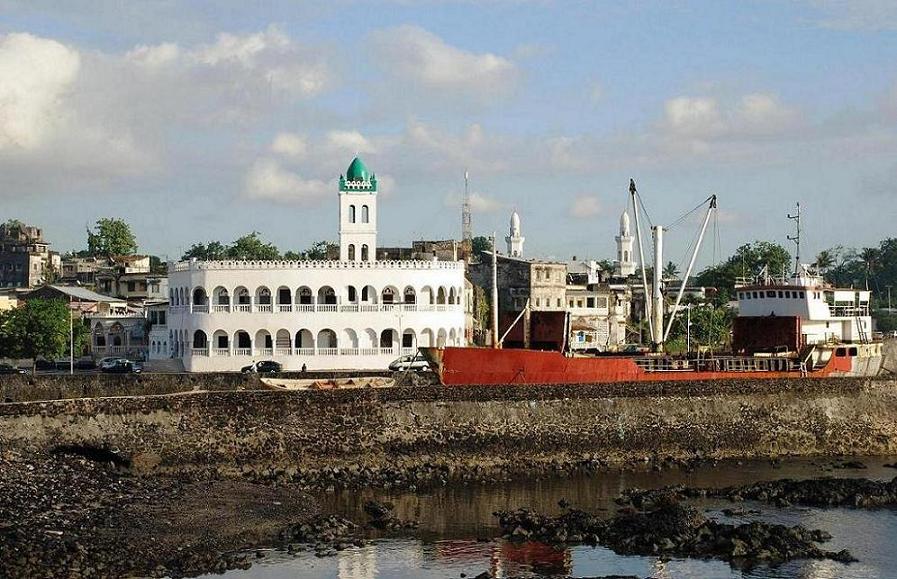
Moroni’s old town (Médina) contains the Friday Mosque (Mosquée du Vendredi), originally built in the 10th century and rebuilt several times, with a distinctive minaret visible across the town; the Arab quarter with traditional Swahili architecture of whitewashed coral stone buildings; the covered market; and the seafront area with dhow anchorage. The architecture reflects Moroni’s position as a hub of Swahili coast trade from the medieval period through the Arab and French colonial eras.
Sources
- S1 — Ottenheimer, Martin. Historical Dictionary of the Comoro Islands. Scarecrow Press, 1994. ISBN 978-0-8108-2819-3.
- S2 — Chittick, H. Neville. Kilwa: An Islamic Trading City on the East African Coast. British Institute in Eastern Africa, 1974. ISBN 978-0-500-99017-9.
Spotted an error? Write to editorial@culturalheritageonline.com and we correct it the same day.