Within two hours of Edinburgh, five UNESCO World Heritage Sites span five thousand years of human endeavour — from the turf ramparts of Rome’s northernmost frontier to the stone circles of a civilisation that predates the pyramids. From Cultural Heritage Online.
Old and New Towns of Edinburgh City centre
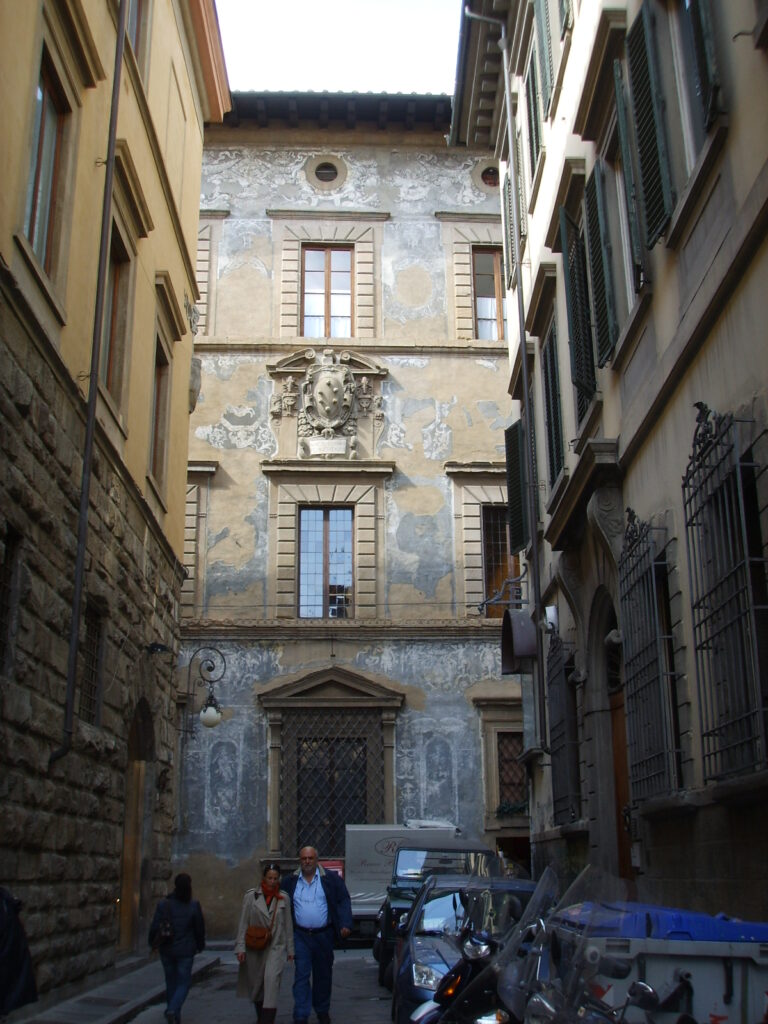
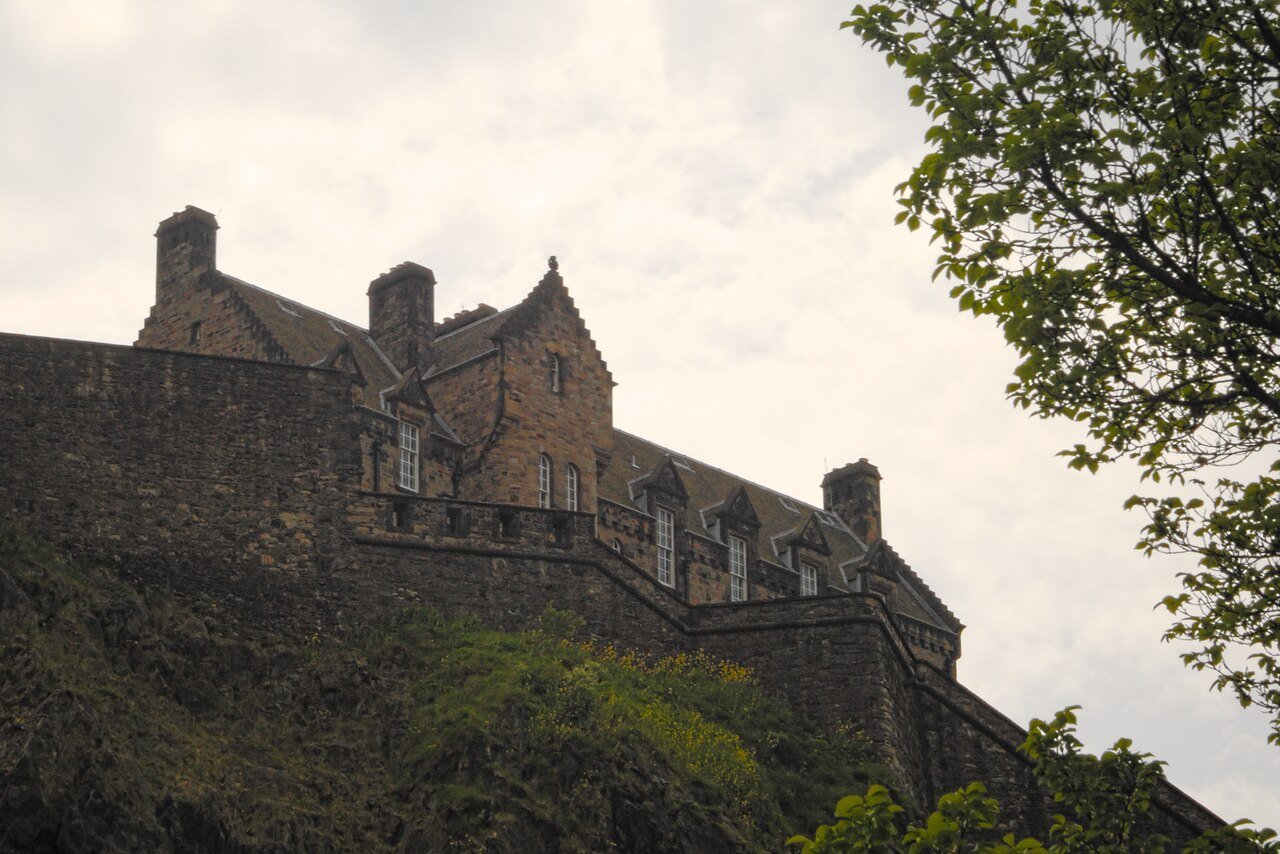
Edinburgh’s dual urban fabric was inscribed as a UNESCO World Heritage Site in 1995, recognised for the exceptional contrast between two distinct cities that grew side by side without ever quite merging. The medieval Old Town climbs the volcanic spine of the Royal Mile from Edinburgh Castle — settled before the 7th century and granted burgh status in 1124 — down through a dense tangle of closes and tenements to Holyrood Palace. Stone tenements seven and eight storeys high pressed against the ridge for centuries, creating a vertical city unlike anywhere else in Britain. The Georgian New Town, laid out from the 1760s to a grid plan by the young architect James Craig, unfurls below Princes Street in measured neoclassical order: wide streets, garden squares, and pale sandstone facades that feel, on a bright morning, almost impossibly rational beside the Old Town’s drama. Together they attracted 5.3 million visitors in 2023. The division between them — a sunken railway cutting now flanked by gardens — makes the contrast legible at a single glance.
Getting there: Edinburgh Waverley station is the central rail hub; the Old Town is a five-minute walk uphill. Allow: A full day to explore both districts on foot. Best for: Visitors wanting the entire arc of Scottish urban history — medieval and Enlightenment — within a single walkable area.
Forth Bridge 30 min by train
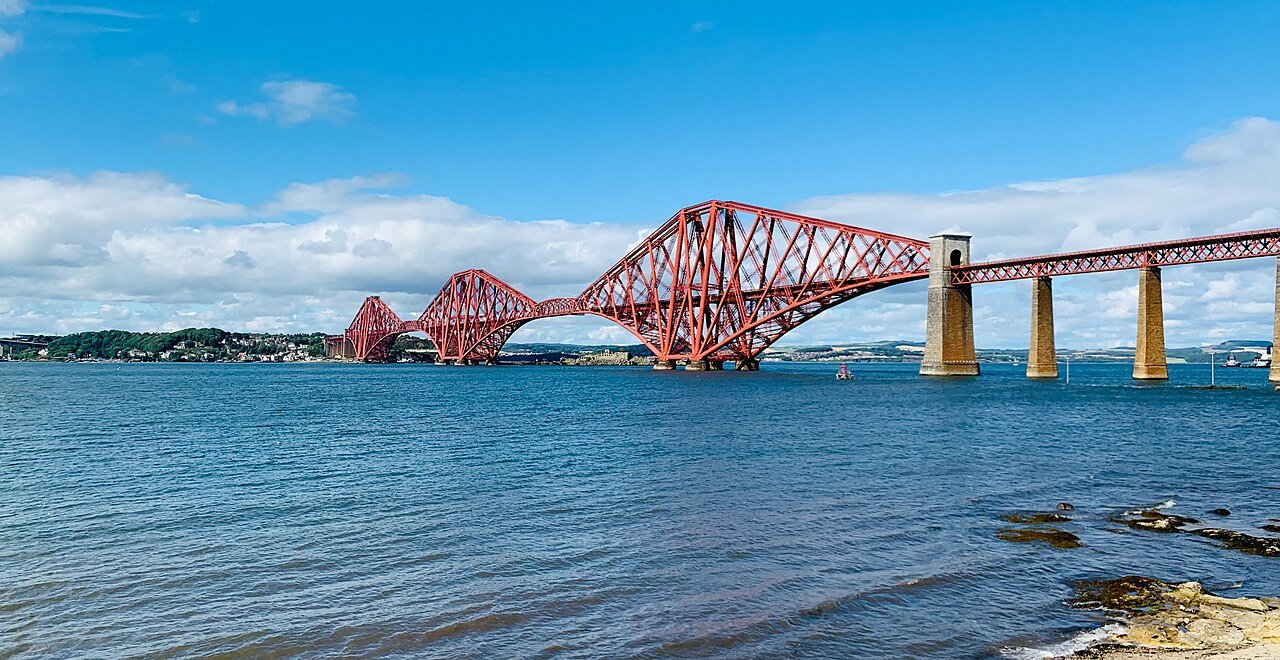
The Forth Bridge was inscribed as a UNESCO World Heritage Site in 2015, almost 125 years after it opened on 4 March 1890. Designed by Sir John Fowler and Sir Benjamin Baker, the cantilever railway bridge spans the Firth of Forth between South Queensferry and North Queensferry with a total length of 2,467 metres and two main spans of 521 metres each — the longest cantilever span in the world until Canada’s Quebec Bridge surpassed it in 1919. Construction began in 1882 and consumed 54,000 tonnes of steel. The scale registers differently in person than in photographs: standing on the Dalmeny bank, the three great diamond-shaped cantilever towers rise 110 metres above the water and blot out a significant portion of sky, painted in their famous Forth Bridge Red. It remains a working railway bridge. ScotRail trains still cross it dozens of times each day, carrying passengers who have little idea they are riding across a structure that redefined what steel engineering could achieve.
Getting there: ScotRail from Edinburgh Waverley to Dalmeny (30 min), then a 10-minute walk to the south bank viewpoint. Allow: 1–2 hours for the viewpoint and the village of South Queensferry. Best for: Engineering enthusiasts and anyone who wants to see the bridge’s true scale from water level, rather than from a passing train.
New Lanark World Heritage Site 1 hr 20 min by train + bus
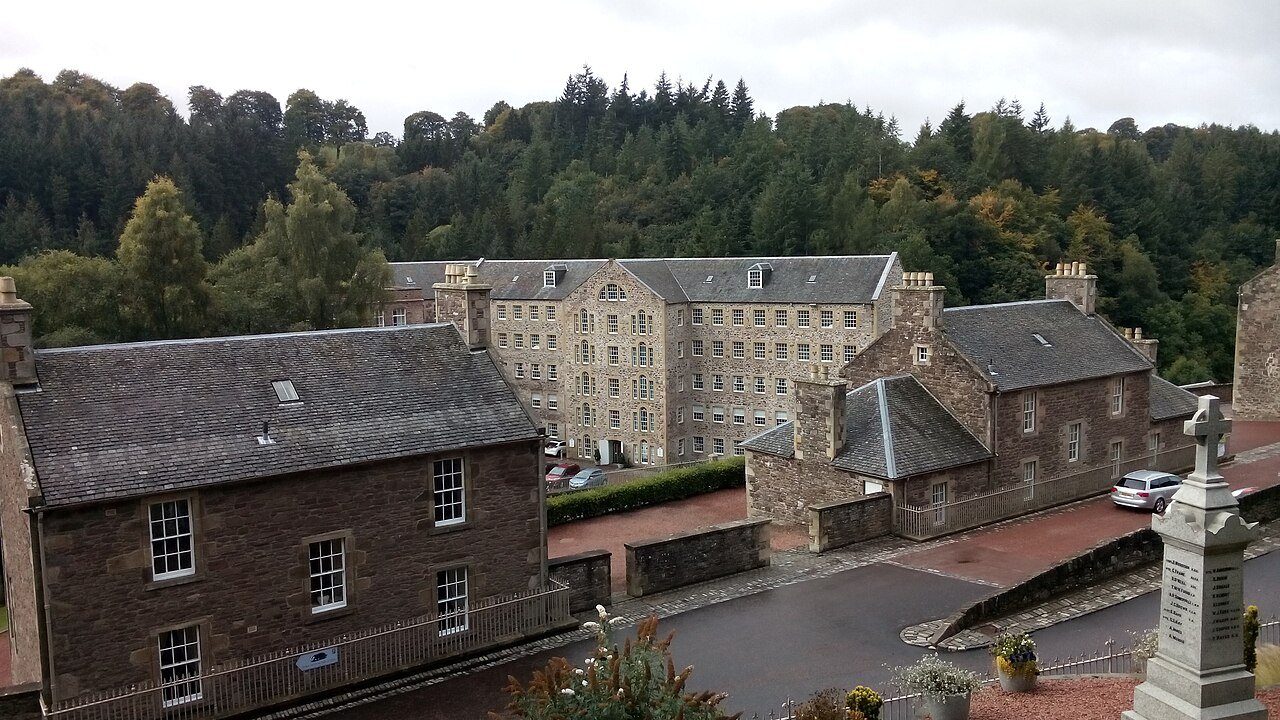
New Lanark was inscribed as a UNESCO World Heritage Site in 2001 under criteria ii, iv, and vi, covering 146 hectares of mill buildings and worker housing in a gorge on the River Clyde. The cotton mills were founded in 1785 by David Dale, who harnessed the waterfall at the gorge’s base to drive the machinery. But New Lanark’s significance shifted under Dale’s son-in-law, the Welsh social reformer Robert Owen, who arrived in 1800 and transformed the settlement into a laboratory for progressive ideas: shorter working hours, free schooling for children, cooperative retail, and houses that workers could actually live in with dignity. The mills ran until 1968. By then the buildings were derelict and facing demolition; the New Lanark Conservation Trust, established in 1974, reversed that trajectory and by 2006 had restored most of the original fabric. Walking the main street today — four-storey sandstone mills on one side, terraced workers’ houses on the other, the Clyde audible below — the logic of Owen’s vision is still physically present, cut into the landscape itself.
Getting there: ScotRail from Edinburgh Waverley to Lanark (1 hr 20 min), then the number 135 bus to New Lanark (15 min). Allow: 2–3 hours including the visitor centre and riverside walk. Best for: Those interested in the origins of the cooperative movement and industrial social history in a remarkably intact setting.
Frontiers of the Roman Empire — Antonine Wall 1 hr by bus or car
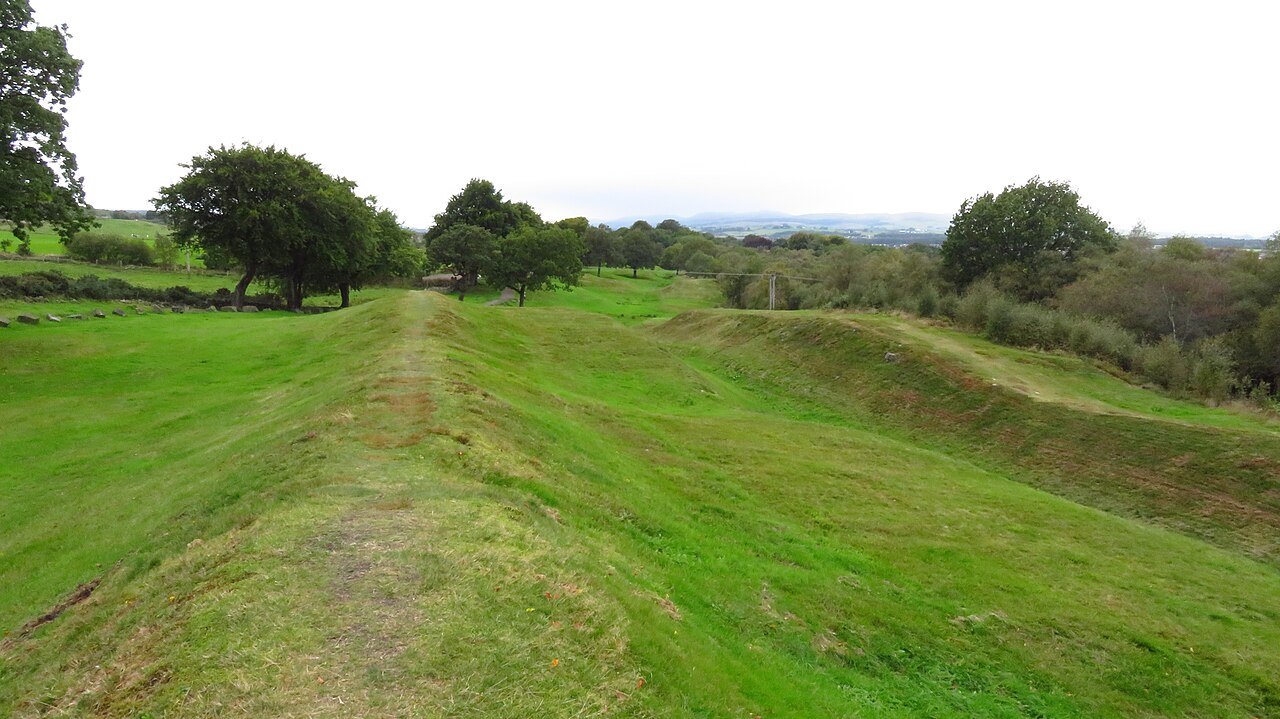
The Antonine Wall was inscribed as part of the Frontiers of the Roman Empire serial World Heritage Site in 2008. Built on the orders of Emperor Antoninus Pius from AD 142, it marked Rome’s furthest permanent advance into Britain — some 160 kilometres north of Hadrian’s Wall. The turf rampart on stone foundations stretched approximately 63 kilometres across the waist of Scotland, standing about 3 metres high and 5 metres wide, with a deep protective ditch on its northern face and 16 forts spaced along its length. It is an earthwork, not a stone wall. That distinction matters at ground level: visitors expecting dramatic masonry find instead long, grass-covered ridgelines and valleys that the turf rampart and ditch cut across the landscape with quiet authority. Rough Castle near Falkirk is the best-preserved fort on the entire wall. Its defensive system of ten rows of concealed pits — lilia in Latin — survives in the grass as shallow dimples that hint at the effort Rome expended to hold this line. The wall was abandoned around AD 163, barely twenty years after construction began.
Getting there: Approximately 1 hour by car to Rough Castle near Bonnybridge, or by bus towards Falkirk then a short walk or taxi. Allow: 1–2 hours to walk the Rough Castle site and surrounding earthworks. Best for: Roman history enthusiasts who want to stand on the empire’s actual northern frontier in a landscape almost unchanged since the 2nd century.
Heart of Neolithic Orkney 8 hrs by train and ferry
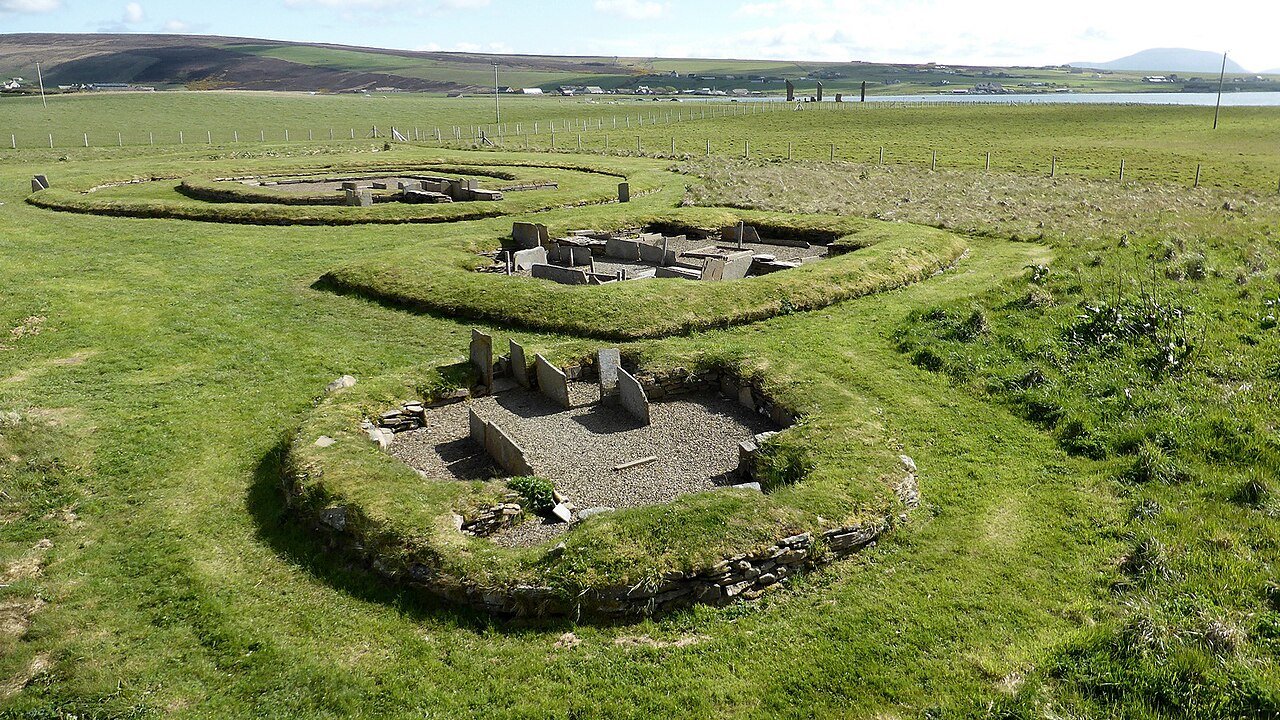
The Heart of Neolithic Orkney was inscribed as a UNESCO World Heritage Site in 1999. The designation covers four interconnected monuments on Orkney’s Mainland island, all constructed roughly 5,000 years ago and representing the most complete surviving complex of Neolithic ceremonial and domestic architecture anywhere in northern Europe. The Ring of Brodgar is a stone circle 104 metres in diameter, originally comprising 60 stones within a ditch estimated to have required 80,000 man-hours to excavate. The Stones of Stenness, older still, rise to 6 metres at their tallest surviving point. Skara Brae is a village of eight interconnected stone houses, preserved beneath sand dunes for millennia and rediscovered after a storm in 1850 — its stone furniture, beds, and shelving still in place. Maeshowe is a chambered passage tomb aligned so precisely that the setting sun illuminates its central chamber on the winter solstice; Vikings who broke in during the 12th century left runic graffiti that constitute one of the largest collections of Norse inscriptions in the world. A 2019 climate assessment judged the sites, particularly Skara Brae, extremely vulnerable to storm damage as sea levels rise.
Getting there: ScotRail to Thurso (approximately 4 hrs from Edinburgh) then NorthLink Ferries to Stromness, Orkney (approximately 4 hrs). Allow: A full day on Orkney Mainland, ideally two. Best for: Travellers who want to reach the furthest, oldest, and most atmospheric of Scotland’s World Heritage Sites — a journey that is itself part of the experience.
Frequently Asked Questions
How many UNESCO World Heritage Sites are near Edinburgh?
Scotland has six UNESCO World Heritage Sites, and five of them are reachable from Edinburgh. These are the Old and New Towns of Edinburgh (city centre), the Forth Bridge (30 minutes by train), New Lanark (about 1 hour 35 minutes by train and bus), the Antonine Wall (about 1 hour by car or bus), and the Heart of Neolithic Orkney (a full day’s journey by train and ferry). The sixth Scottish site, St Kilda, requires a boat journey from the Outer Hebrides and is not readily accessible from Edinburgh as a day trip.
What is the closest UNESCO World Heritage Site to Edinburgh?
The Old and New Towns of Edinburgh are themselves a UNESCO World Heritage Site, inscribed in 1995, so the closest site is the city itself. If you are already in Edinburgh and looking for the nearest site outside the city, the Forth Bridge at South Queensferry is 30 minutes away by ScotRail from Edinburgh Waverley to Dalmeny station, followed by a short walk to the south bank viewpoint.
Can you visit New Lanark without a car from Edinburgh?
Yes. ScotRail operates regular services from Edinburgh Waverley to Lanark, a journey of approximately 1 hour and 20 minutes with a change at Motherwell or Carstairs depending on the service. From Lanark station, the number 135 bus runs to New Lanark village in around 15 minutes, or the walk takes about 25 minutes downhill through the gorge. The New Lanark visitor centre, mills, and riverside path are all accessible on foot once you arrive.
Is it worth making the journey to Orkney from Edinburgh?
The journey — roughly eight hours each way combining train to Thurso and NorthLink ferry to Stromness — is substantial, and most visitors spend at least two nights on Orkney to make it worthwhile. The four monuments of the Heart of Neolithic Orkney (Ring of Brodgar, Stones of Stenness, Skara Brae, and Maeshowe) are concentrated within a few kilometres of each other on Orkney Mainland, and the island’s landscape, light, and sense of deep time make the effort consistently rewarding for travellers with a genuine interest in prehistoric Europe.
Sources used in this article
- UNESCO World Heritage Centre — World Heritage List.
- Wikipedia — Forth Bridge.
- Wikipedia — New Lanark.
- Wikipedia — Heart of Neolithic Orkney.
- Wikipedia — Antonine Wall.
- CHO — Interactive heritage map.
Sources
- S1 — Youngson, A. J. The Making of Classical Edinburgh. Edinburgh University Press, 1966. ISBN 978-0-85224-007-6.
- S2 — Devine, T. M. The Scottish Nation: A History, 1700–2000. Penguin Books, 2000. ISBN 978-0-14-023004-8.
Spotted an error? Write to editorial@culturalheritageonline.com and we correct it the same day.