Venezuela holds two UNESCO World Heritage Sites within reach of Caracas: the vast tepui landscape of Canaima National Park to the southeast, home to the world’s highest waterfall, and the Colonial city of Coro to the west, whose 500-year-old streets preserve one of the Americas’ most intact early-Spanish urban fabrics. From Cultural Heritage Online.
Canaima National Park 870 km southeast — 1.5 hr domestic flight + small aircraft
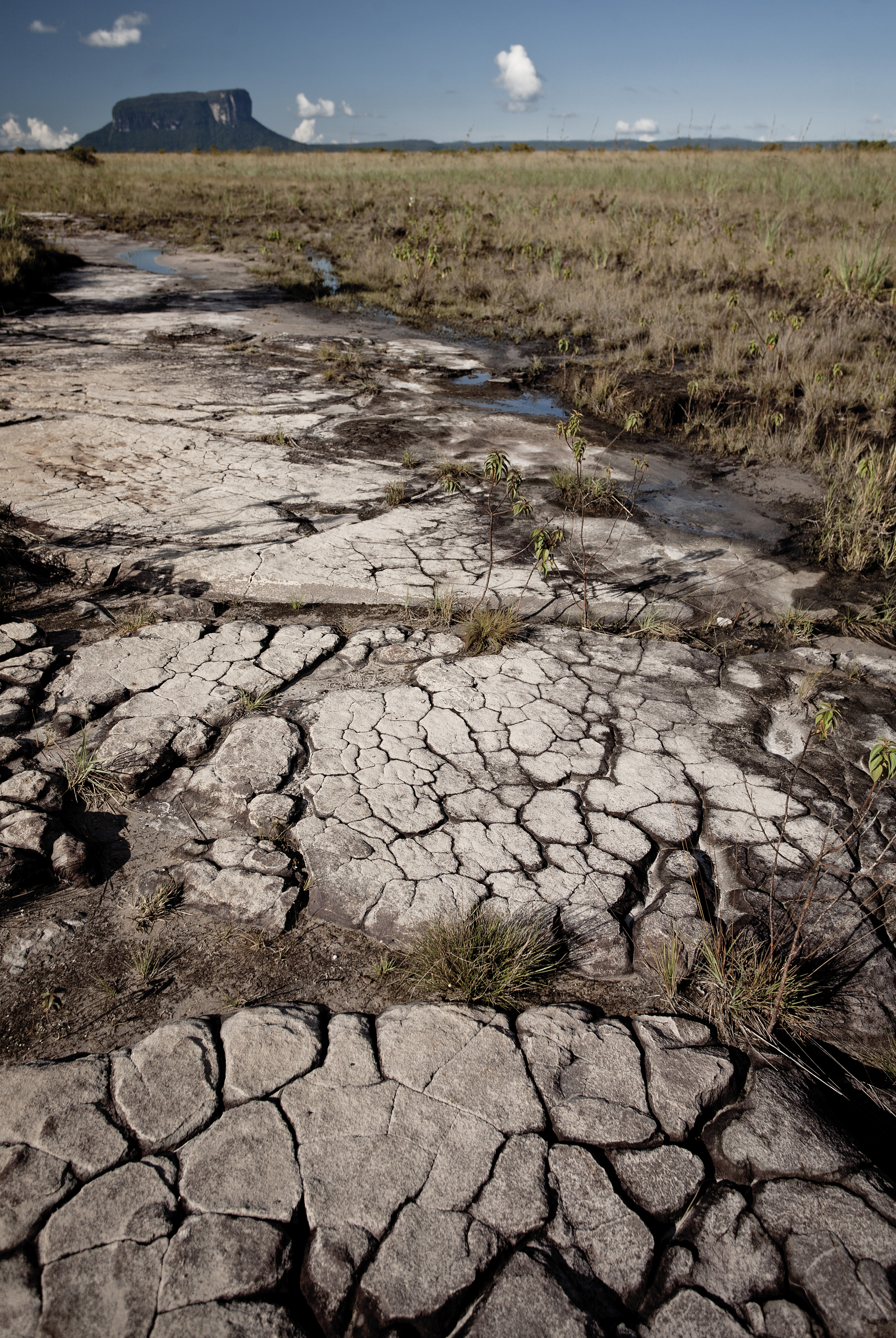
Inscribed by UNESCO in 1994, Canaima National Park covers nearly three million hectares of the Guiana Highlands — an area roughly the size of Belgium. Its defining geological feature is the tepui: ancient table-top mountains of Precambrian sandstone whose sheer walls rise a thousand metres or more above the surrounding savanna. These formations are among the oldest exposed rock surfaces on Earth, and their extreme isolation has produced one of the most remarkable concentrations of endemic plant life anywhere in the tropics. Approximately half of all plant species found on the tepuis exist nowhere else.
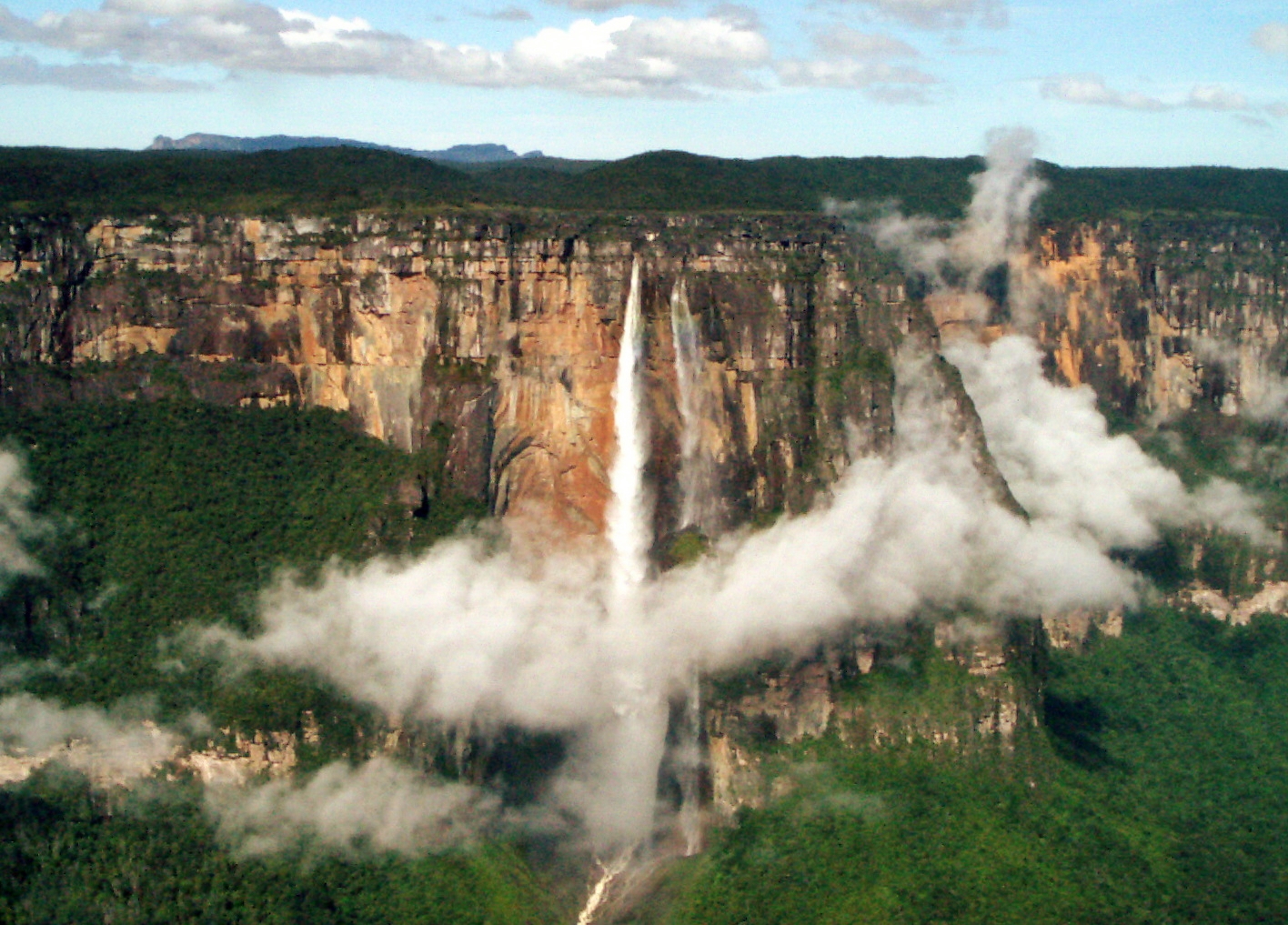
The most visited tepui is Auyantepui, a plateau of roughly 700 square kilometres from whose northern escarpment Angel Falls — Salto Ángel — drops 979 metres in total, with a single free fall of 807 metres. It is the highest waterfall in the world by a substantial margin. The falls carry the name of American aviator Jimmie Angel, who landed a light aircraft on the summit plateau in 1937 and brought the site to international attention. The Pemon people, who have inhabited the region for centuries and whose territory encompasses much of the park, know the falls as Kerepakupai Merú — “waterfall of the deepest place.” The Pemon’s relationship to the tepui landscape is spiritual as well as practical: the rock formations figure centrally in their cosmology, and the park’s inscription recognises this cultural dimension alongside the geological.
Access from Caracas follows a two-stage journey: a domestic flight to Ciudad Bolívar on the Orinoco (roughly 90 minutes), followed by a small-aircraft transfer to Canaima camp, the main staging point for river journeys to the falls. The standard visit involves a boat trip up the Río Churún and a short hike to the viewpoint at the base of the falls. Overflights of the tepui landscape by light aircraft are also available and reveal the full scale of the plateau system.
Getting there: Domestic flight Caracas to Ciudad Bolívar, then light aircraft to Canaima camp; book through authorised tour operators based in Ciudad Bolívar or Caracas. Allow: Minimum 3 nights; 5 nights recommended to include a river journey to the falls. Best for: Travellers with an interest in wilderness landscapes, geology, or indigenous cultures; the journey suits those comfortable with light aircraft and river boats rather than resort infrastructure.
Coro and its Port 280 km west — 4 hr by road
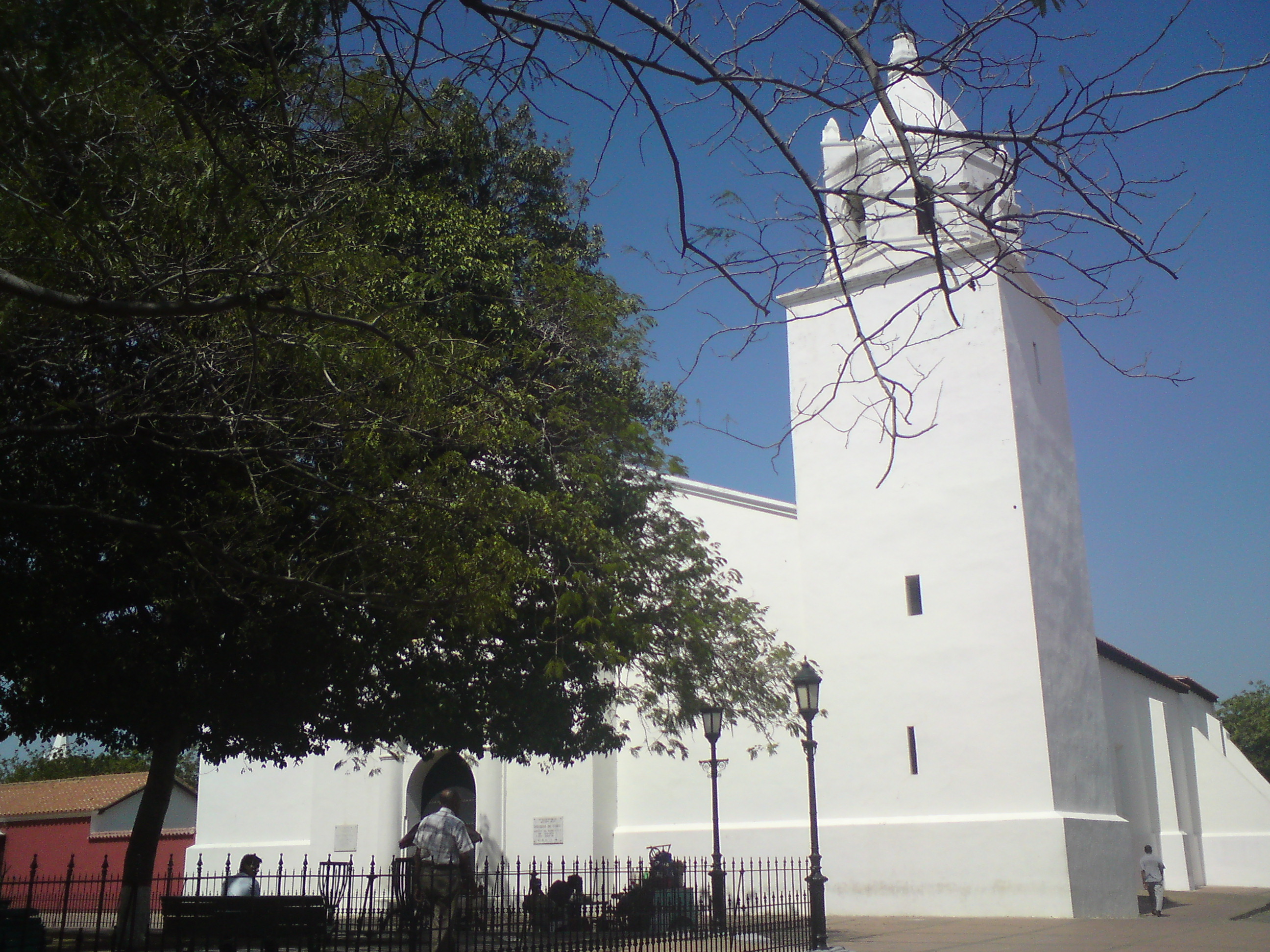
Coro holds the distinction of being the first city founded by the Spanish in Venezuela, established in 1527, and served briefly as the colony’s first capital before that designation moved to Caracas. UNESCO inscribed the historic centre and its port in 1993, recognising the exceptional completeness of approximately 600 colonial and Republican-era buildings that survive in the city centre. The ensemble is unusual in Spanish colonial urbanism for the layering of three architectural traditions: Spanish colonial, Dutch mercantile, and indigenous Wayuu and Jirajara building techniques. The Dutch influence is not incidental — Coro functioned as a commercial bridge between the Spanish mainland colonies and the Dutch island of Curaçao, 60 kilometres offshore, and Dutch merchants and builders left a legible mark on the streetscape.
Several structures warrant individual attention. The Cathedral of Santa Ana is among the oldest in South America still in active use; its construction spanned most of the sixteenth century and its nave retains colonial-era furnishings. The Church of San Nicolás de Tolentino, dating to the 1560s, is one of the earliest surviving religious buildings on the continent. More unusual is the Jewish Cemetery of Coro: established in the eighteenth century by Sephardic families who had fled the Inquisition via Curaçao, it is among the oldest Jewish burial grounds in the Americas and remains an active site of heritage significance for Sephardic communities worldwide. At the western edge of the colonial streets, the Médanos de Coro — a national park of moving sand dunes — abuts the historic urban fabric, a juxtaposition unlike almost anywhere else in Latin America.
Coro is accessible from Caracas by road in approximately four hours, or by short domestic flight. The city is compact enough to cover the principal historic monuments on foot in a single day, though the combination of colonial streets and the dunes warrants a full weekend.
Getting there: Highway from Caracas westward via Valencia and Barquisimeto, or domestic flights to Coro (José Leonardo Chirinos Airport). Allow: 1–2 days for the historic centre and the Médanos. Best for: Travellers interested in colonial Latin American history, architectural heritage, or the layered cultural history of the Caribbean basin.
Frequently Asked Questions
How many UNESCO World Heritage Sites are near Caracas?
Venezuela has three UNESCO World Heritage Sites in total. Two are accessible from Caracas: Canaima National Park (inscribed 1994), about 870 kilometres southeast and reached by domestic flight, and the Historic Centre of Coro and its Port (inscribed 1993), approximately 280 kilometres west by road. The third Venezuelan site, the Ciudad Universitaria de Caracas (the Central University campus), is within the capital itself.
How difficult is it to reach Angel Falls from Caracas?
The journey requires a domestic flight from Caracas to Ciudad Bolívar (roughly 90 minutes), followed by a transfer by small aircraft to Canaima camp. From Canaima, reaching the falls involves a multi-hour river journey by motorised boat and a short hike. The logistics are well-established, with several licensed operators running packages from Caracas. The waterfalls are most visible during and just after the wet season (June to November), when water volume is highest; in the dry season the flow reduces significantly.
Can Coro and Canaima be combined in a single trip from Caracas?
They can, but not efficiently in fewer than five or six days given the directions of travel — Coro lies west of Caracas and Canaima lies far to the southeast. A practical approach is to visit Coro as a road trip (roughly four hours each way, comfortable as a two-day excursion) and book Canaima as a separate three-to-five-night itinerary centred on Ciudad Bolívar and the Canaima camp.
What makes the architecture of Coro distinctive among colonial cities in Latin America?
Coro’s urban fabric reflects three overlapping traditions rather than a single imposed colonial model. Spanish colonial planning and ecclesiastical construction provide the structural backbone; Dutch mercantile building techniques — including the use of particular brick bonding patterns and façade details — arrived through Coro’s sustained commercial relationship with Curaçao; and indigenous Wayuu construction methods influenced vernacular residential buildings in ways that remain visible in the historic centre. This three-way synthesis, combined with the survival of roughly 600 historic buildings in an unusually authentic state, is the principal reason UNESCO cited the site for Outstanding Universal Value.
Sources
- S1 — Ewell, Judith. Venezuela: A Century of Change. Stanford University Press, 1984. ISBN 978-0-8047-1213-2.
- S2 — Tarver, H. Micheal, and Julia C. Frederick. The History of Venezuela. Greenwood Press, 2005. ISBN 978-0-313-33525-9.
Spotted an error? Write to editorial@culturalheritageonline.com and we correct it the same day.