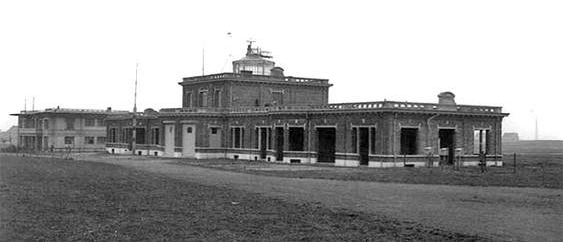
Automated rotary telephony, state telegraph modernization, and century-long telecommunications heritage founded in Brussels.

In the late 1920s, the surging volume of domestic and international commerce overwhelmed Belgium’s historic post and telegraph services. Manual telephone switchboards in Brussels and Antwerp were prone to congestion, while rural municipalities remained isolated from fast telegraphic links. Recognizing that a modern industrial state required independent, technologically sophisticated telecommunications governance, the Belgian Parliament passed landmark legislation on 19 July 1930. The statute created the Régie des Télégraphes et Téléphones (RTT), an autonomous state institution that laid the technological foundation for what is known today as Proximus Group.
Rotary Dial Automation and Nationwide Coaxial Cables
Free from administrative bureaucracy, the newly created RTT embarked on an ambitious program of nationwide network automation. Throughout the 1930s, the organization replaced manual operators with advanced rotary-dial electromechanical switching exchanges, developed in collaboration with Belgian manufacturing plants such as Bell Telephone Manufacturing in Antwerp. The RTT laid underground armored cables, expanded underwater telegraphic cables beneath the English Channel, and standardized long-distance trunk lines, transforming telephone communication from a luxury of high finance into an accessible public utility.
From Wartime Reconstruction to Digital Telecommunications Leadership
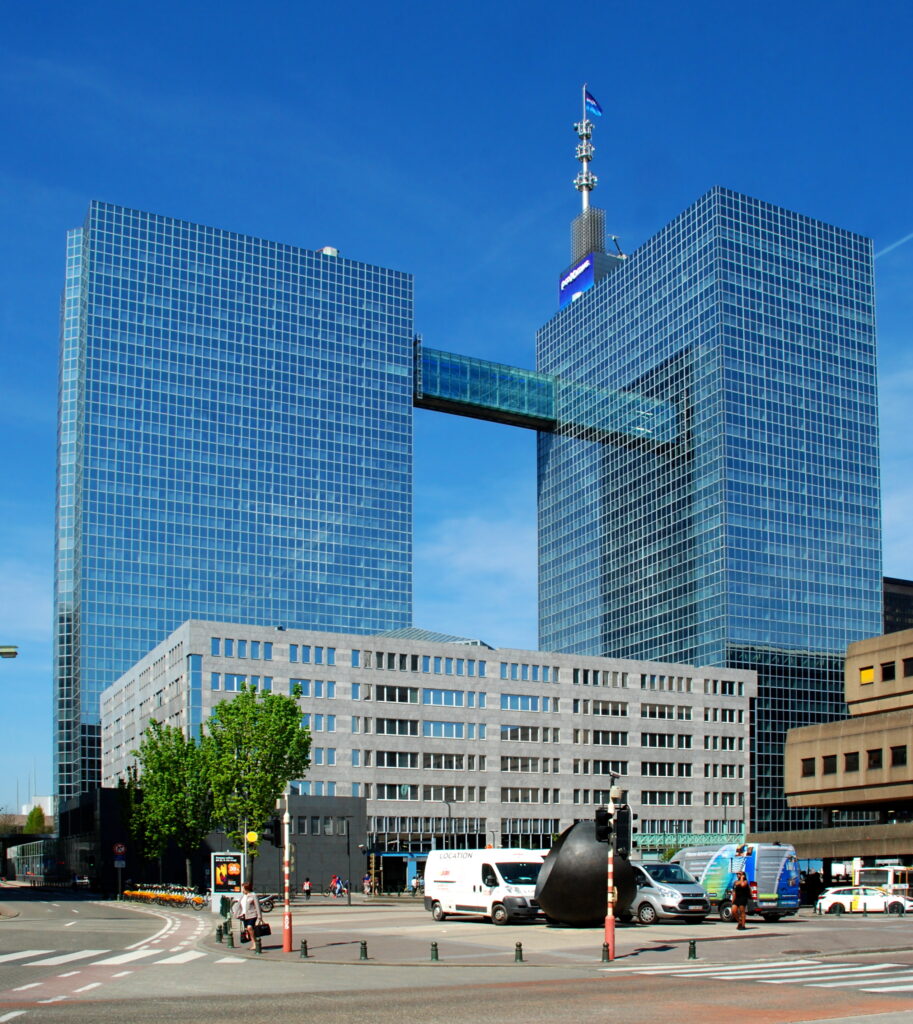
Following the Second World War, the RTT directed the massive reconstruction of Belgium’s shattered communications grid, pioneering microwave radio relay towers, television broadcast relay infrastructure, and early digital data switching systems. In 1991, the historic enterprise was reconstituted as Belgacom, subsequently launching Proximus as Belgium’s premier mobile telecommunications network in 1994 and evolving into a pan-European digital connectivity leader anchored around Boulevard du Roi Albert II in Brussels.
Nearly a century after its foundational charter in 1930, the heritage of the RTT stands as a testament to Belgian engineering foresight, public infrastructure resilience, and the relentless evolution of modern telecommunications.
Historic Site & Location
Historic Address: Boulevard du Roi Albert II 27, 1030 Bruxelles, Belgium
Nearby in the archive
- Le Falstaff, Brussels — 1.3 km away
- Grand-Place, Brussels – Virtual Tour 360° — 1.3 km away
- Hotel Agora, Brussels — A Seventeenth-Century House on the Rue des Éperonniers — 1.4 km away
Sources
- S1 — Proximus Corporate Heritage Archive, Histoire des Télécommunications Belges — https://www.proximus.com/
- S2 — Archives Générales du Royaume de Belgique, Fonds Régie des Télégraphes et Téléphones — https://arch.arch.be/
- S3 — Institut Belge des Services Postaux et des Télécommunications (IBPT), Archives — https://www.ibpt.be/
Spotted an error? Write to editorial@culturalheritageonline.com and we correct it the same day.